
A federal judge has issued a stinging rebuke to the Trump administration, ordering the White House to fix a legal mess created nine months ago when it defied a court order and flew hundreds of Venezuelan migrants to a maximum-security prison in El Salvador.
In a ruling that reasserts the power of the judiciary over the executive branch, U.S. District Chief Judge James Boasberg concluded that the administration illegally deprived these migrants of their due process rights. He has given the government until January 5 to come up with a plan to give them a hearing—even if that means bringing them back to the United States.
This decision sets up a high-stakes constitutional clash over the limits of the Alien Enemies Act of 1798 and whether the government can evade the Bill of Rights simply by moving people across a border.
At a Glance: The CECOT Deportation Ruling
- The Order: Judge Boasberg ruled the administration violated the due process rights of Venezuelan migrants deported to CECOT (El Salvador’s Terrorism Confinement Center) in March.
- The Remedy: The administration must submit a plan by Jan. 5 to provide these migrants a “meaningful opportunity” to contest their removal, either by returning them to the U.S. or facilitating remote hearings.
- The Class: Of the 252 migrants deported, 137 have indicated they still wish to fight their cases.
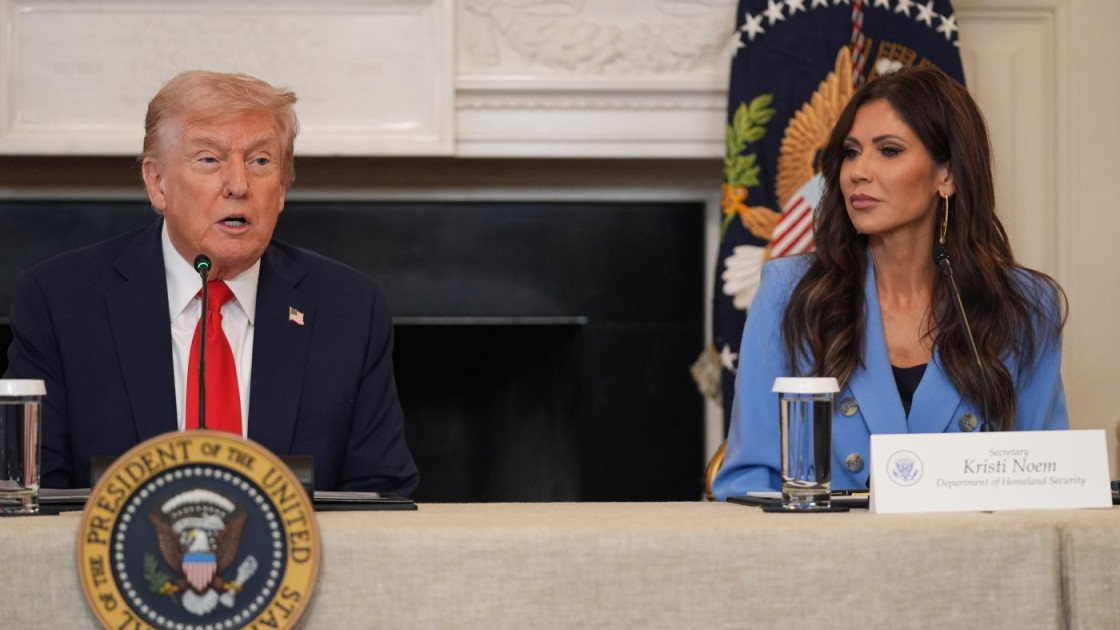
- The Legal Hook: The judge found the U.S. maintained “constructive custody” over these individuals, citing agreements with El Salvador and comments by DHS Secretary Kristi Noem treating CECOT as an “extension” of U.S. detention.
- The Constitutional Issue: A major test of Habeas Corpus. Boasberg argued the government cannot “neut[er] the Great Writ” by secretly spiriting people to foreign countries to avoid judicial review.
‘Defiance of the Court’
The origins of this case lie in a dramatic standoff last March. The Trump administration, invoking the Alien Enemies Act of 1798—a wartime law typically used against citizens of hostile nations—sought to summarily deport alleged members of the Tren de Aragua gang.
Judge Boasberg issued an emergency order to halt the flights. The administration flew them anyway, landing the migrants in El Salvador just hours later.
On Monday, Boasberg did not mince words about that decision. He concluded the deportations were “conducted in defiance of the court” and illegal.
“If secretly spiriting individuals to another country were enough to neuter the Great Writ, then the Government could ‘snatch anyone off the street, turn him over to a foreign country, and then effectively foreclose any corrective course of action.’” — U.S. District Chief Judge James Boasberg
The ‘Constructive Custody’ Trap
The administration has argued that once the migrants landed in El Salvador, they were no longer under U.S. jurisdiction and thus beyond the court’s reach.
Judge Boasberg rejected this, using the administration’s own words against it. He cited public remarks by DHS Secretary Kristi Noem that described CECOT as an “extension” of U.S. facilities, as well as the agreement with El Salvador to house the migrants for at least a year.
By claiming credit for the secure detention of these individuals abroad, the administration inadvertently proved it still held “constructive custody”—meaning it still had the legal power (and responsibility) to produce them for a hearing.
[]image: krisit noem at ice raid]
A Logistical Nightmare: From CECOT to Venezuela
Complicating matters significantly is the fact that the migrants are likely no longer in El Salvador.
In July, many of these individuals were reportedly moved from CECOT to Venezuela as part of a prisoner swap to secure the release of detained Americans. This creates a chaotic reality where the U.S. is being ordered to provide due process to people who may now be in the custody of the Maduro regime—or in hiding.
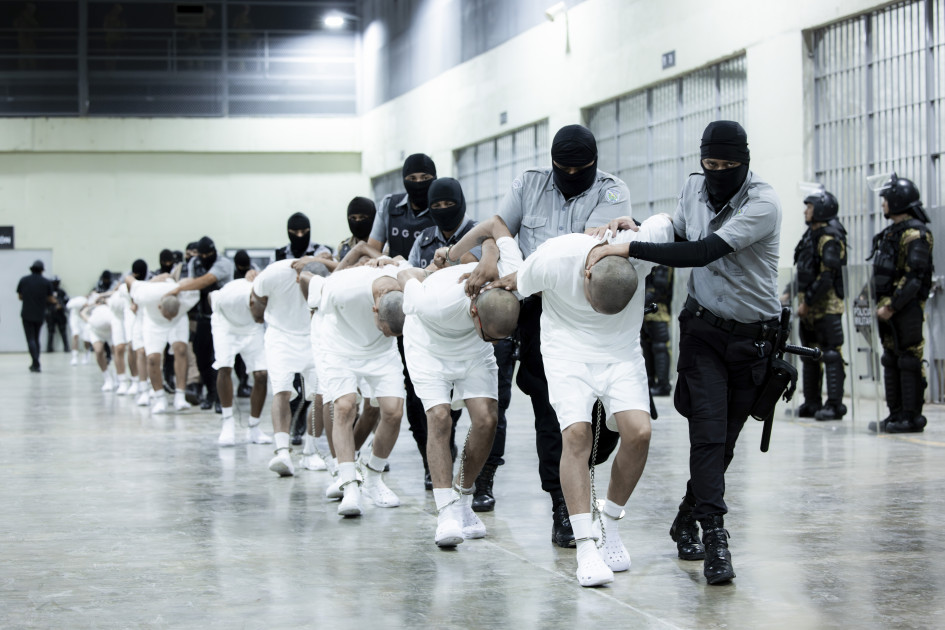
Of the original 252 deportees, the ACLU has managed to contact enough to confirm that 137 still wish to proceed with their legal challenges. How the Trump administration can practically “facilitate” a fair hearing for someone currently in Venezuela remains a massive, perhaps impossible, question.
What Happens Next?
The Justice Department is expected to appeal immediately. The administration views these migrants as dangerous national security threats and argues that the 1798 law gives the President “plenary power” to remove them during an invasion or predatory incursion.
However, Boasberg’s ruling draws a hard line: National security is not a blank check to ignore the courts.
“Our law requires no less.”
By setting a January 5 deadline, the judge has forced the administration to either comply—humiliatingly bringing alleged gang members back to the U.S. or arranging complex international hearings—or defy the court again, potentially inviting severe sanctions for contempt.