
A Bill of Attainder in Disguise? The Constitutional Challenge to Defunding Planned Parenthood
A federal judge has temporarily halted a key provision of the President’s newly signed “big, beautiful bill,” blocking a congressional effort to strip Planned Parenthood of its federal Medicaid funding for one year.
While this legal battle is inextricably linked to the national debate over abortion, the core of this case rests on a much older, more fundamental constitutional principle: the prohibition on a legislature acting as a court to punish its political enemies.
This lawsuit is not merely a policy dispute; it is a profound test of the limits of congressional power. It forces us to ask a critical question: Can Congress use its vast “power of the purse” to single out and financially cripple a specific organization because it disapproves of that organization’s other, legally protected activities?
The answer will have consequences that reach far beyond the doors of any single clinic.

The Power of the Purse vs. The Bill of Attainder
At the heart of Planned Parenthood’s lawsuit is one of the Constitution’s most important, and least discussed, safeguards. Article I, Section 9 explicitly forbids Congress from passing any “Bill of Attainder”—a legislative act that declares a specific person or group guilty of some crime or misconduct and imposes punishment without a judicial trial.
The framers, intimately familiar with the British Parliament’s history of using such laws to persecute its opponents, wanted to ensure that in America, guilt and punishment would be determined by impartial courts, not by a political majority.
Planned Parenthood argues that the provision in the new law functions as exactly that: a modern bill of attainder. The law names their organization directly and strips it of federal funding. They contend this is not a general policy change, but a specific “punishment” for their lawful activity of advocating for and providing legal abortion access—activities conducted entirely outside the Medicaid program.
The lawsuit puts this 18th-century constitutional prohibition to a 21st-century test.
The Doctrine of “Unconstitutional Conditions”
The second major legal argument revolves around a crucial limit on government power known as the doctrine of “unconstitutional conditions.” In simple terms, this doctrine states that the government cannot force an individual or organization to surrender a constitutional right in exchange for receiving a federal benefit.
In this case, the constitutional right at issue is the First Amendment’s protection of free speech and advocacy. Planned Parenthood argues that Congress is attempting to defund them as a penalty for their political speech and advocacy related to abortion rights.
By conditioning their participation in the Medicaid program on the cessation of their legally protected advocacy, they argue the government is placing an unconstitutional condition upon them.
It forces a choice: abandon your First Amendment rights or lose the funding necessary to serve over a million Medicaid patients.
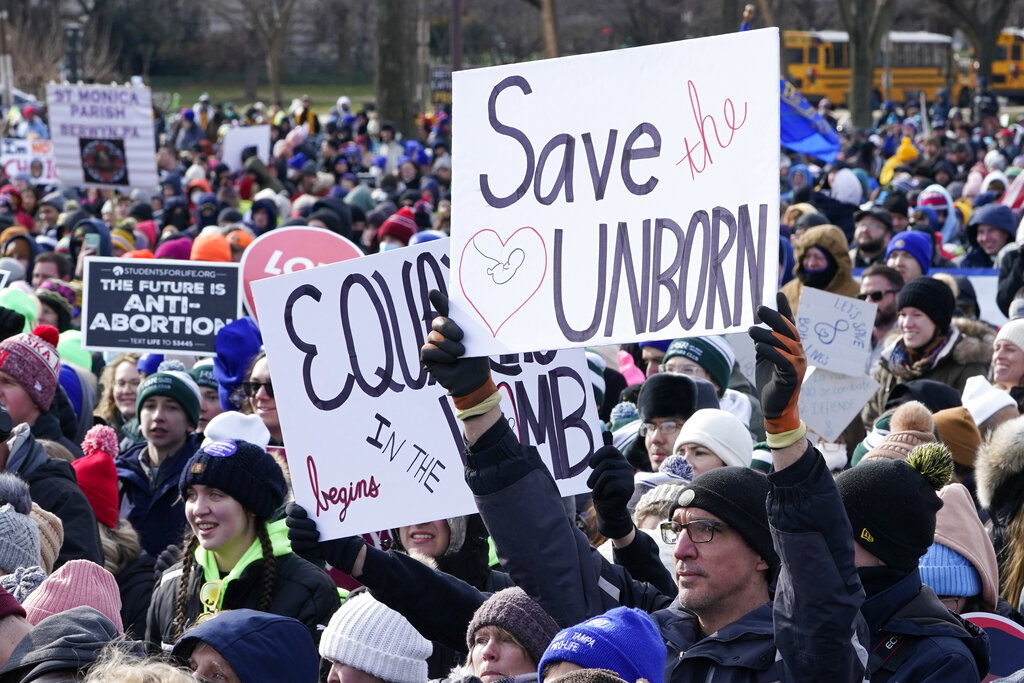
The Human Stakes
While the case is argued on these high-minded constitutional principles, its immediate, real-world consequences are stark. If the provision were allowed to stand, Planned Parenthood states it would have “devastating consequences” for the more than one million low-income patients who rely on Medicaid to access their services.
These patients are not receiving abortions through Medicaid, which is already forbidden by federal law (the Hyde Amendment). They are receiving essential preventative care: cancer screenings, birth control, STI testing, and wellness exams. The legal battle in Judge Talwani’s courtroom is not just an abstract constitutional debate; it directly impacts the healthcare access of a massive and often vulnerable population.
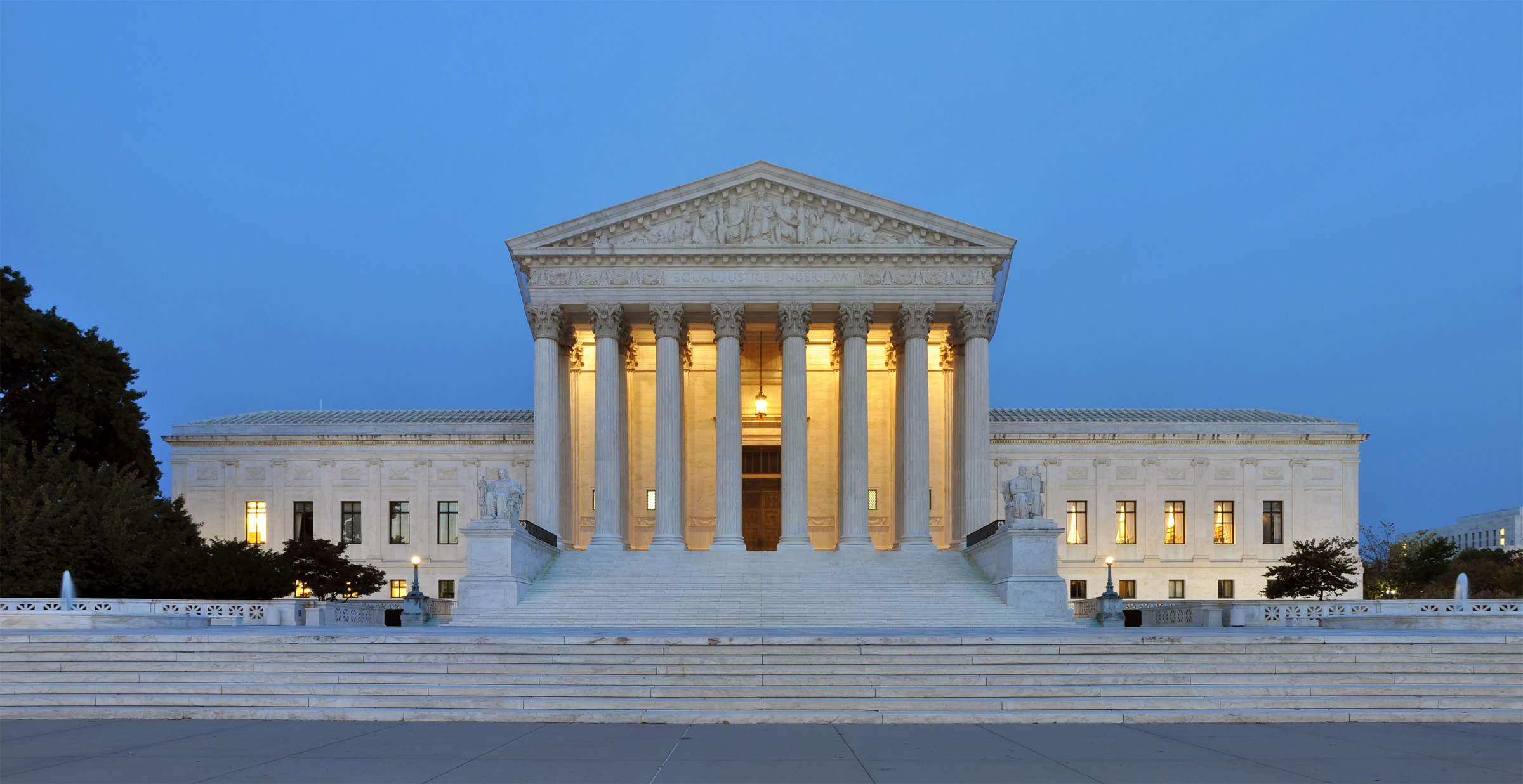
Judge Talwani’s temporary restraining order is just the first step in what is sure to be a long and arduous legal fight. The case presents a fundamental clash between the immense power of Congress to control federal spending and the Constitution’s clear prohibitions against targeting specific groups for punishment without a trial. The framers’ fear was that the power of the purse could become a political weapon. This case will determine whether that fear was justified, and whether the judiciary still has the power to stop it.