
When a licensed therapist sits down with a minor to talk about gender identity, is that conversation protected free speech? Or is it a form of medical conduct that the government has the power to regulate, and even ban?
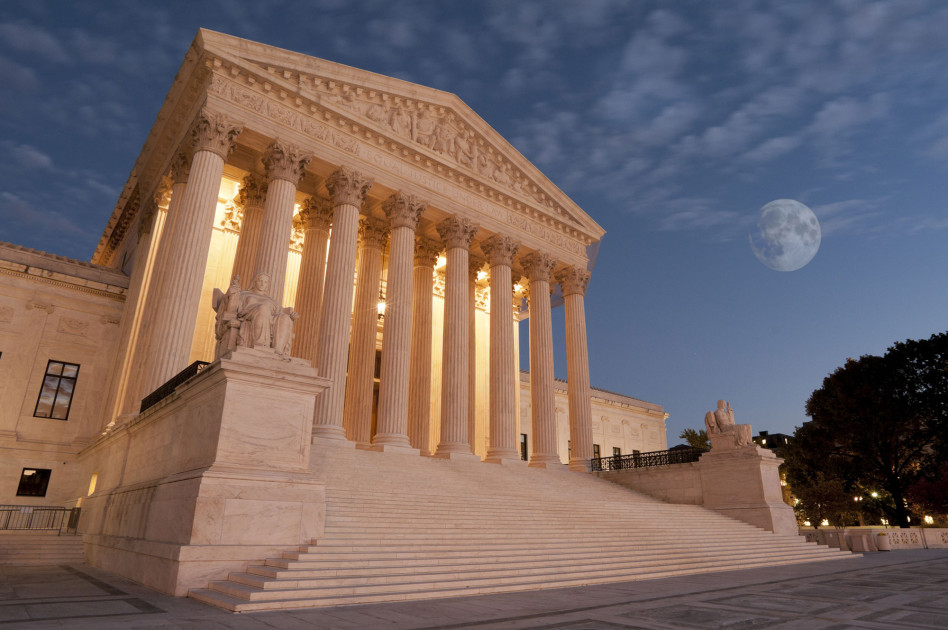
This is the profound and deeply divisive constitutional question that the Supreme Court confronted on Tuesday.
The case, involving a Christian therapist from Colorado, places the First Amendment in a direct collision course with a state’s traditional power to protect the health and welfare of its children. The outcome will have nationwide implications for similar laws in two dozen other states.
At a Glance: The First Amendment on the Couch
- What’s Happening: The Supreme Court has heard oral arguments in a major case, Chiles v. Salazar, challenging a Colorado law that bans “conversion therapy” for minors.
- The Plaintiff’s Argument: A Christian therapist, Kaley Chiles, argues the law violates her First Amendment right to free speech by censoring the content of her talk therapy sessions.
- The State’s Argument: Colorado argues that it is not regulating speech, but rather the professional conduct of a licensed therapist to protect children from a harmful and discredited medical practice.
- The Constitutional Issue: A fundamental test of the First Amendment. The case forces the Court to decide if this type of counseling is protected speech or regulatable conduct, a decision that will impact similar laws across the country.
A Clash of Constitutional Titans: Free Speech vs. State Power
The arguments before the justices on Tuesday laid bare two powerful and competing constitutional principles.
On one side is the therapist, Kaley Chiles, represented by the conservative legal group Alliance Defending Freedom. She argues that her “faith-informed” counseling is pure talk therapy. Her lawyers contend that the Colorado law is a classic case of “viewpoint censorship” because it allows therapists to talk with a minor to affirm a transgender identity, but punishes them with fines or loss of license if they talk with a minor who wants to explore aligning with their biological sex.
“One of the things that’s so problematic about Colorado’s law is that it undermines the wellbeing of kids that are struggling with gender dysphoria.” – Jim Campbell, attorney for Kaley Chiles
On the other side is the state of Colorado. Its lawyers argue that this case is not about speech at all. They contend it is about the state’s long-standing authority to regulate professional conduct to protect the public from harm.
“A state cannot lose its power to regulate the very professionals that it licenses just because they are using words… a state cannot be required to let its vulnerable young people waste their time and money on an ineffective, harmful treatment just because that treatment is delivered through words.” – Colorado Solicitor General Shannon Stevenson
The Shadow of 303 Creative
This is the second time in recent years that a major First Amendment case from Colorado has reached the Supreme Court.
In 2023, the Court sided with Lorie Smith, a Colorado web designer, in the 303 Creative v. Elenis case. The 6-3 ruling found that the state could not force her to create websites with messages that violated her religious beliefs.
Lawyers for Chiles are hoping for a similar outcome, arguing that Colorado is once again trying to compel or censor the speech of a professional based on its content.
The Constitutional Bedrock: State Police Power
Colorado’s defense is rooted in one of the most fundamental principles of our constitutional system: the “police power.”
This power, reserved to the states under the Tenth Amendment, is the inherent authority of a state to pass laws to protect the health, safety, and general welfare of its citizens. Licensing and regulating medical and psychological professions – from surgeons to therapists – is a classic and universally accepted use of this power.
The state is arguing it is simply doing its traditional job of protecting children from what major medical and mental health organizations have deemed a “dangerous pseudoscience.”
“This is a profound constitutional test of a state’s ‘police power.’ The Court must decide if that power stops at the door of the therapist’s office when the ‘treatment’ consists only of words.”
A Decision with Nationwide Consequences
The Supreme Court’s decision, expected by next summer, will have an immediate and dramatic impact.
It will directly affect similar “conversion therapy” bans in nearly two dozen other states. More broadly, it will set a major new precedent on the power of the government to regulate the speech of licensed professionals, from doctors and lawyers to counselors and therapists.
The justices are now tasked with drawing a difficult line between protecting vulnerable children from harmful practices and protecting the First Amendment rights of professionals to speak freely. Their decision will resonate far beyond the borders of Colorado.