
James Carville told Fox News’ Kayleigh McEnany that Democrats should expand the Supreme Court from nine to thirteen justices if they win the presidency and Congress in 2028. His justification: “The public has lost faith in an entire branch of government.”
When McEnany pressed whether this was just court-packing for political advantage, Carville didn’t pretend otherwise. “Why does the Senate do anything other than political reasons? Of course it’s for political reasons! Everything they do is political.”
That honesty is notable. Court expansion advocates usually frame it as structural reform to restore balance or legitimacy. Carville skips the pretense – it’s about Democrats adding liberal justices to counter the conservative majority, period.

The question isn’t whether Carville’s plan is political – he admits it is. The question is whether destroying the Supreme Court’s institutional legitimacy to achieve short-term political goals is acceptable cost. And whether Republicans would simply expand it again when they retake power, turning the Court into legislative extension rather than independent judiciary.
The Blueprint Carville Laid Out
Carville’s podcast on November 6 detailed exactly how Democrats would execute this:
“The Democratic president is going to announce a special transition advisory committee on the reform of the Supreme Court. They’re going to recommend that the number of Supreme Court justices go from nine to 13.”
Then: “They’re going to do some blue ribbon panel of distinguished jurists, and they are going to recommend 13. And a Democratic Senate and House is going to pass it.”
This is court-packing with institutional window dressing. Appoint a committee, get the predetermined recommendation you want, claim it’s reform not politics, then ram it through Congress.
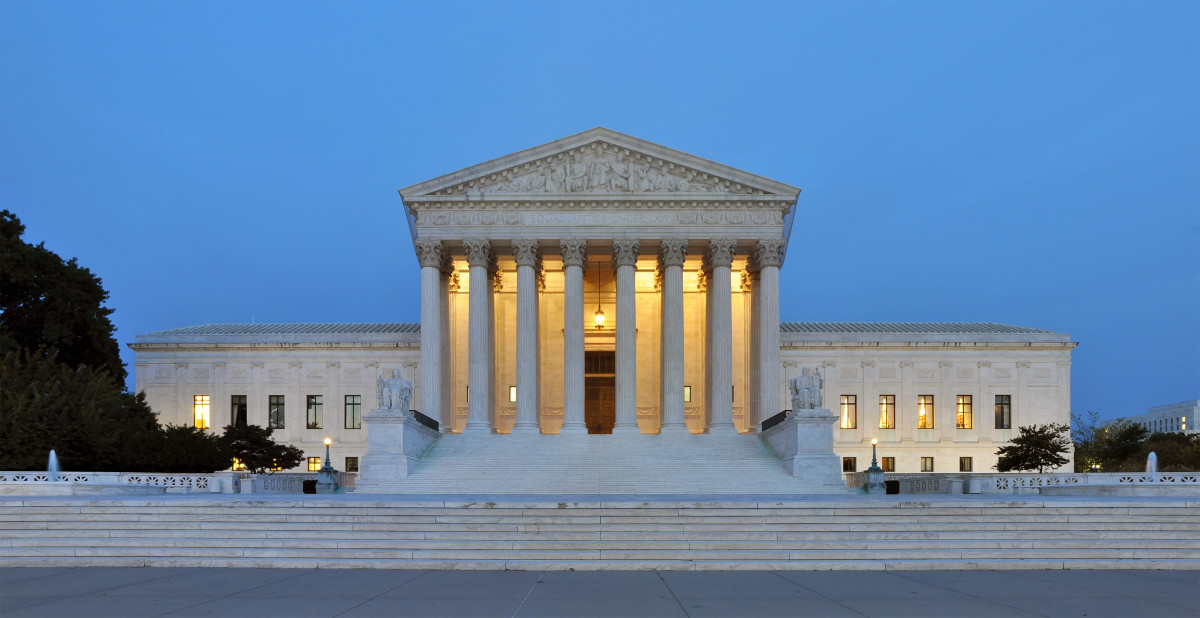
The “blue ribbon panel of distinguished jurists” provides cover for what Carville admits is pure politics. It lets Democrats claim they’re following expert recommendations rather than expanding the Court solely to flip its ideological balance.
Whether voters or historians find that distinction meaningful is different question. But Carville’s framework shows Democrats are thinking seriously about execution mechanics, not just floating abstract proposals.
The Filibuster Carveout Problem
McEnany asked whether Carville would eliminate the filibuster to pass court expansion. His answer revealed how far he’s willing to go:
“I would carve out for those two things, yes” – both court expansion and Puerto Rico statehood.
That’s not eliminating the filibuster entirely. It’s creating exceptions for the specific measures Democrats need to lock in Supreme Court control. Pass those with simple majority, restore the filibuster afterward.
McEnany pushed back: “Isn’t that carving out the filibuster just for political reasons? Make carve out, Democrats win?”
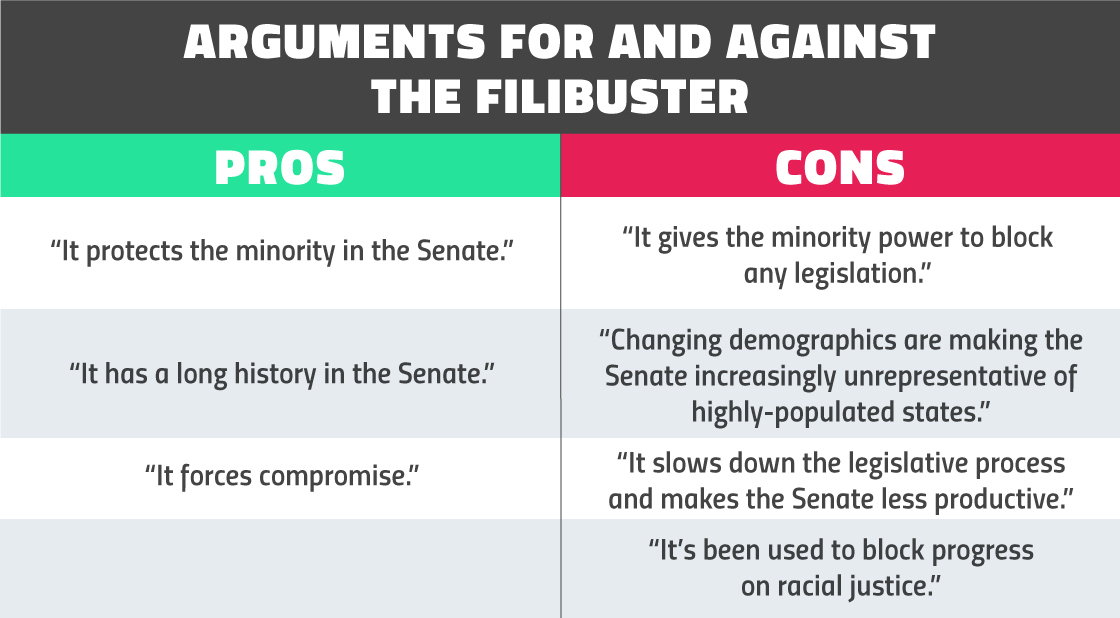
Carville’s response abandoned any pretense: “Why does the Senate do anything other than political reasons? Of course it’s for political reasons! Everything they do is political.”
That candor is almost refreshing. Most politicians claiming to reform institutions insist they’re motivated by principle, not advantage. Carville just admits Democrats want power and will change whatever rules necessary to get it.
The problem is that approach destroys norms entirely. If Democrats carve out filibuster exceptions to pack the Court, Republicans will do the same to unpack it. The filibuster becomes meaningless if majorities can carve exceptions whenever they want.
Puerto Rico Statehood As Court-Packing Infrastructure
Carville’s plan requires Puerto Rico statehood to provide the Senate votes needed for court expansion. Puerto Rico votes heavily Democratic – statehood would likely add two Democratic senators.
That’s not coincidental. Court-packing proposals coincide with Puerto Rico and DC statehood proposals because Democrats need Senate supermajorities to overcome potential moderate Democratic opposition to such radical moves.
McEnany identified this connection. Carville acknowledged it without embarrassment. Add Democratic senators through statehood, use those votes to pack the Court, lock in liberal majority for decades.
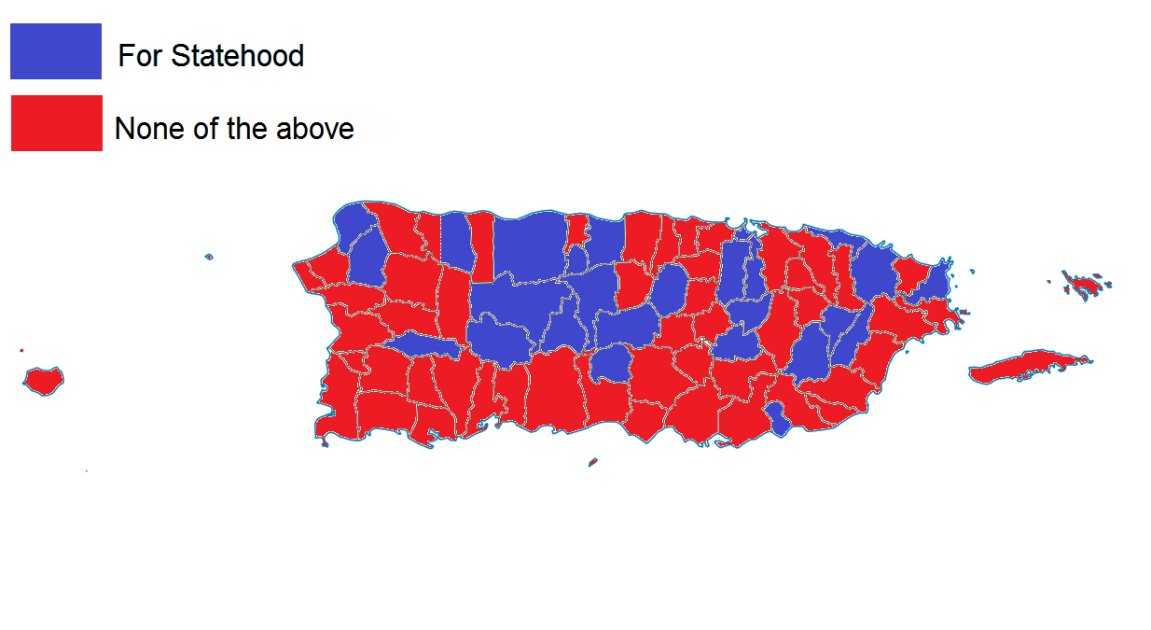
This reveals court expansion isn’t isolated proposal – it’s part of systematic plan to entrench Democratic control across branches. Change Court composition, change Senate composition, change filibuster rules as needed to accomplish both.
Whether that’s smart long-term strategy or short-sighted power grab depends on believing Republicans wouldn’t respond identically when they regain power. History suggests they would.
Biden’s Promise Not To Pack
McEnany noted that President Biden pledged not to pack the Supreme Court and kept that promise. She asked whether Carville truly believes a future Democratic president would break from that precedent.
Carville’s answer: “They should, because the public has lost faith in an entire branch of government.”
That framing is instructive. Biden’s restraint becomes mistake to learn from rather than principle to maintain. The fact that Biden didn’t pack the Court despite political pressure is presented as failure, not success.
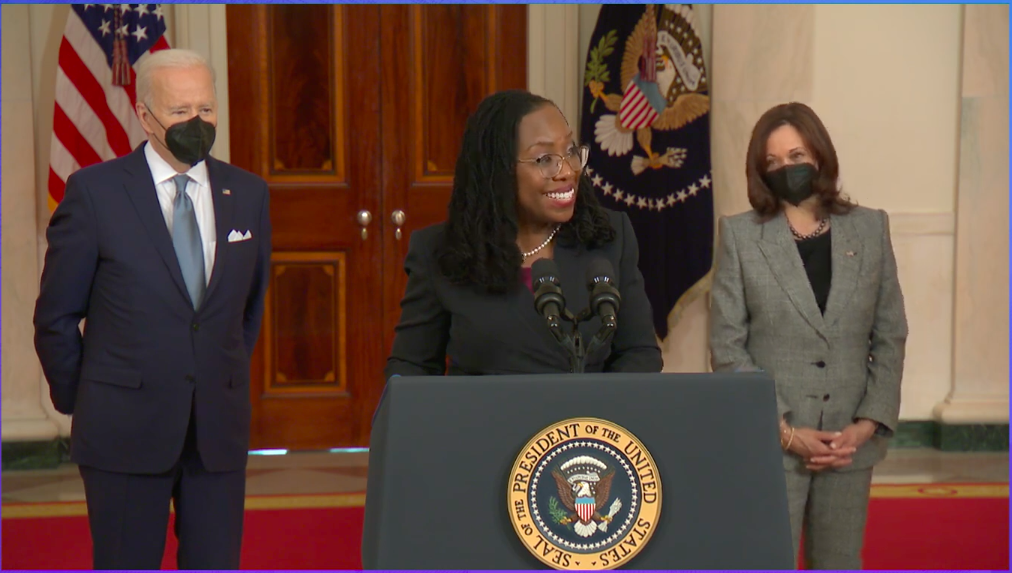
But Biden’s decision reflected understanding that court-packing creates escalation spiral. Republicans would expand the Court next time they held power. Then Democrats would expand it again. The Court becomes rubber stamp for whoever controls appointments rather than independent check on political branches.
Carville dismisses this concern entirely. His position is that Democrats must pack the Court because Republicans have captured it, regardless of long-term consequences for judicial independence.
“It’s Not Written In The Constitution That You Have Nine”
Carville’s constitutional argument is technically correct: The Constitution doesn’t specify the number of justices. Congress sets Court size by statute.
The Court has had nine justices since 1869 – 156 years. That’s not constitutional requirement, but it is longstanding practice that’s developed near-constitutional status through tradition.
The number has changed before. Congress set it at six in 1789, expanded to seven in 1807, nine in 1837, ten in 1863, then reduced to seven in 1866 before settling at nine in 1869. Every change was politically motivated.
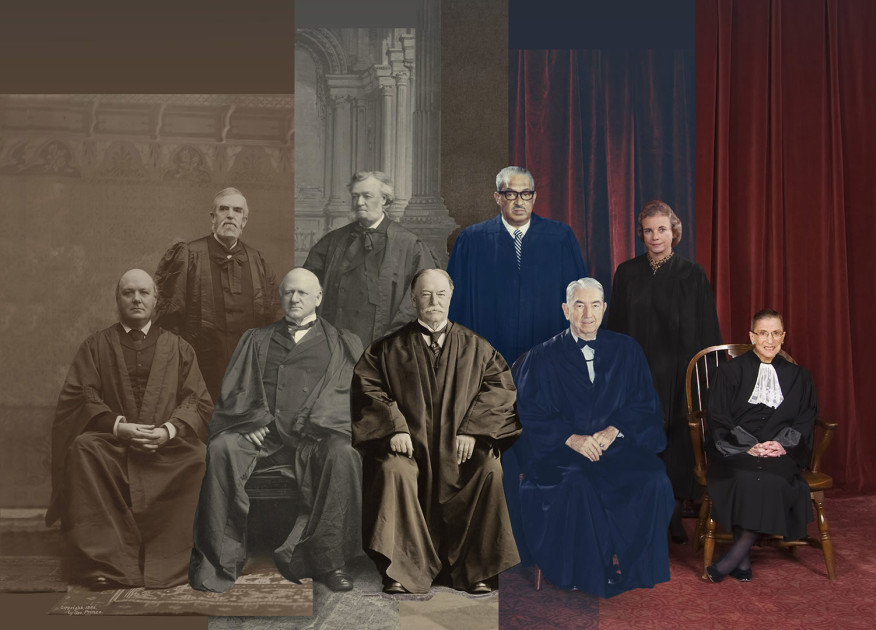
But the last 156 years of stability matter. The nine-justice Court has decided every major constitutional case in modern American history. Expanding it now wouldn’t be returning to earlier practice – it would be breaking settled expectation specifically to change outcomes.
Carville’s “it’s not in the Constitution” argument proves too much. The filibuster isn’t in the Constitution. Senate committees aren’t in the Constitution. Most of how government actually functions isn’t explicitly constitutional but has developed through practice and tradition.
Destroying every norm that isn’t explicitly required by constitutional text would make government unworkable.
Public Faith In The Court At Historic Lows
Carville’s strongest argument is that Supreme Court approval ratings have collapsed. Gallup polling shows Court approval at historic lows, driven by controversial decisions, ethics scandals, and perception of partisan capture.
“This is the lowest the Supreme Court has been rated,” Carville said, arguing court expansion would “get some balance” and restore public trust.
But would it? Expanding the Court purely to flip its ideological balance would confirm exactly what skeptics believe – that the Court is political institution rather than legal one. Hard to see how nakedly partisan expansion restores faith in judicial independence.
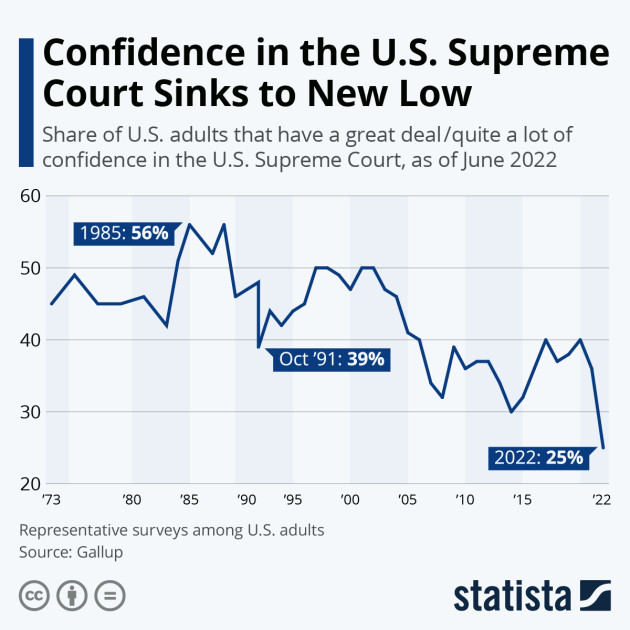
The alternative interpretation is that low approval makes this the worst time to expand the Court. When public already doesn’t trust the institution, making it larger and more explicitly political doesn’t restore legitimacy – it eliminates whatever remained.
Carville’s theory requires believing Americans want more liberal justices specifically, not more trusted judiciary generally. Polling doesn’t clearly support that. Disapproval of the Court spans ideological spectrum for different reasons.
The “Identity Left” Attack That Revealed Strategy
Before discussing court-packing, Carville went after what he called the “identity left” – progressive Democrats who pushed gender pronouns and cultural positions he says damaged the party.
“It caused real damage to our electoral process,” Carville said, arguing Democrats might need to “affirmatively attack” the progressive wing rather than just ignoring it.
This connects to court expansion strategy. Carville is positioning as Democrat willing to confront his own party’s problems and fight dirty against perceived threats – whether progressive activists or conservative Supreme Court.
The message is: Democrats lost because they were too nice, too principled, too constrained by norms. Carville offers different approach – acknowledge everything is political, use power aggressively when you have it, stop pretending rules matter more than outcomes.
That’s coherent strategy. It’s also strategy that accelerates democratic backsliding by making explicit that all institutions are just power struggles with no principles beyond winning.
When McEnany Compared It To Hunter Biden Laptop
The interview’s most revealing moment came when McEnany noted Democrats using Epstein files against Trump politically, and Carville immediately compared it to Republicans using Hunter Biden’s laptop against Joe Biden.
“That’s part of politics,” Carville said.
This is his entire worldview: Everything is political combat. There are no neutral institutions, no principled positions, no norms worth preserving. Just two sides fighting for power using whatever weapons available.
Court expansion fits perfectly into that framework. It’s not about judicial philosophy or constitutional structure – it’s about Democrats needing more Supreme Court votes to win cases. So add justices who’ll vote the right way.
The problem with that worldview is it destroys the possibility of stable governance. If every institution is just extension of partisan warfare, there’s no foundation for anyone to trust any ruling or outcome. Power becomes the only principle.
The 2028 Prediction Carville Is Walking Back
Carville predicted confidently on his November 6 podcast: “A Democrat is going to be elected in 2028. You know that. I know that.”
Since then, Democrats lost special elections in New York City and Seattle to democratic socialists – suggesting the party’s leftward drift Carville criticizes is accelerating, not reversing. His 2028 prediction looks less certain.
But the court-packing plan doesn’t require accurate election forecasting. It requires Democratic control of presidency, House, and Senate simultaneously. Whether that happens in 2028, 2032, or later doesn’t change the strategy.
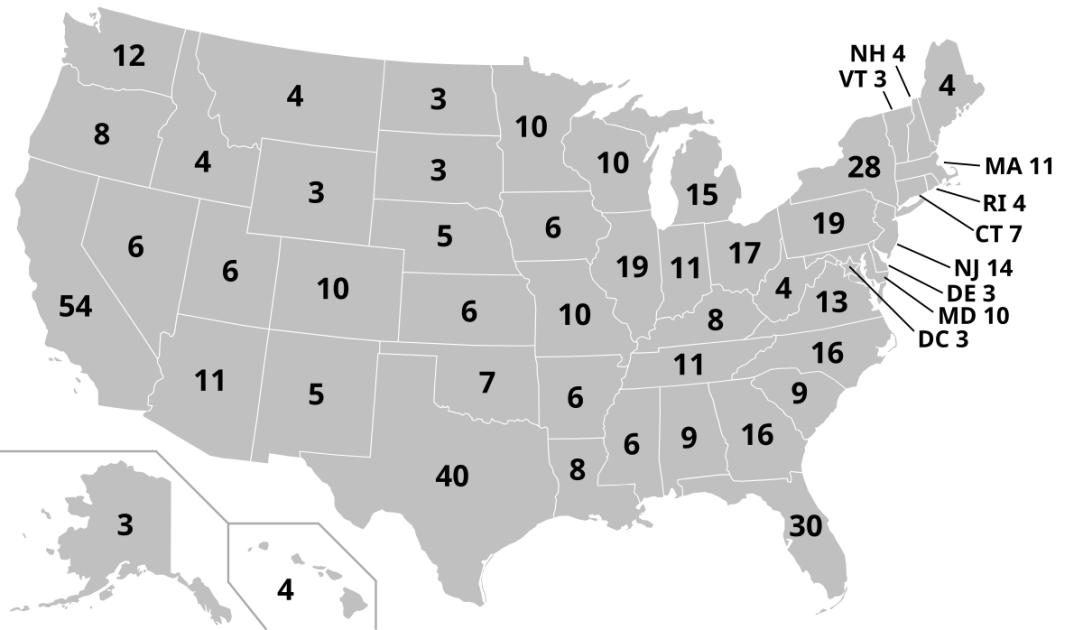
What changes is urgency. If Democrats believe they’ll win in 2028, court expansion becomes immediate priority. If they expect longer exile from power, other reforms take precedence.
Carville’s confidence about 2028 might be overconfidence. But his willingness to advocate court-packing three years before that election shows Democratic strategists are seriously planning for it, not just floating trial balloons.
The Escalation Spiral Nobody’s Addressing
Carville’s proposal ignores the obvious response: Republicans would expand the Court next time they control government. Then Democrats would expand it again. The Court would grow indefinitely as each party adds justices when they have power.
Eventually you’d have 25 or 30 justices, making the Court unworkable as deliberative body. Or you’d have Republicans abolishing justices Democrats appointed and vice versa, completely destroying judicial independence.
Neither Carville nor most court-packing advocates address this escalation problem seriously. They argue Democrats must act because Republicans captured the Court unfairly – but don’t explain why Republicans wouldn’t respond identically to Democratic court-packing.
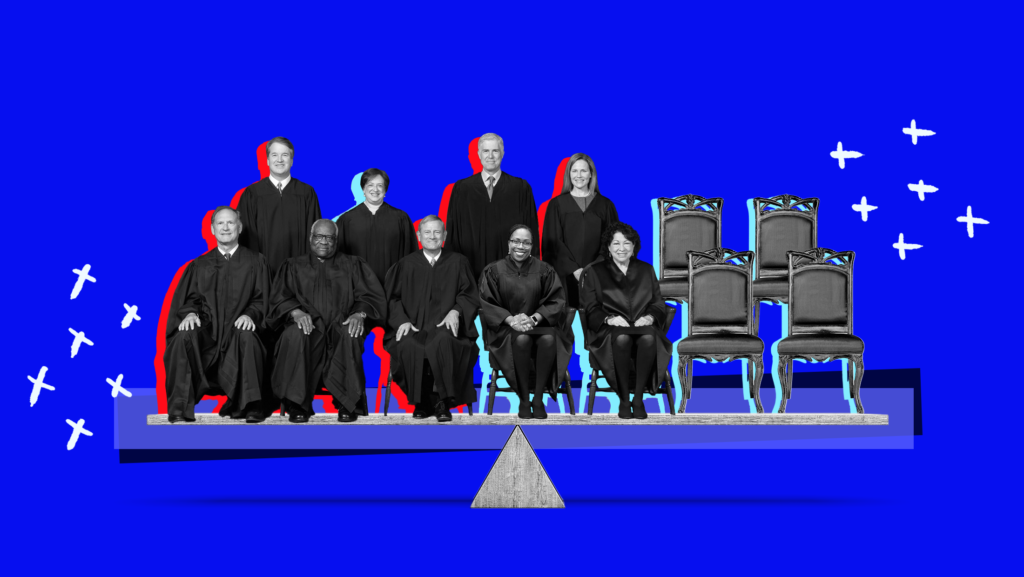
The only way court expansion doesn’t trigger escalation spiral is if Democrats maintain permanent control of presidency and Congress. That’s implausible. Which means court-packing triggers constitutional crisis where Court composition changes with every election and judicial independence ends entirely.
Maybe Carville thinks that’s acceptable cost. But he should say so explicitly rather than pretending Democrats can expand the Court without Republicans responding.