
In a Cabinet meeting designed to showcase the administration’s legal victories, the Attorney General took a moment to deliver a sharp, personal rebuttal to a lawsuit filed by one of her former employees. The quip drew laughter from the room, but it belies a much deeper and more contentious transformation taking place within the nation’s justice system.
At the center of the dispute is the firing of an immigration judge who alleges she was terminated due to discrimination. Attorney General Pam Bondi’s dismissal of the claim—and her celebration of a “92% success rate” in court—highlights a concerted effort to reshape the federal bureaucracy to align with the President’s agenda, testing the boundaries of civil service protections.

“Last I Checked, I Was a Woman”
The lawsuit, filed by former Ohio immigration judge Tania Nemer, accuses the Justice Department of discrimination based on sex, nationality, and political affiliation. It is the first legal challenge to a sweeping purge that has seen more than 100 immigration judges removed or pushed out this year alone.
Bondi used the Cabinet meeting to publicly diminish the allegations.
“Most recently, yesterday, I was sued by an immigration judge who we fired,” Bondi said. “One of the reasons she said she was a woman. Last I checked, I was a woman as well.”
While the comment played well in the room, the legal reality is complex. Nemer argues her termination violated Title VII of the Civil Rights Act and her First Amendment rights. The administration’s defense relies on the premise that these firings are necessary to ensure the workforce is “aligned with your America First agenda.”
Why Can the Attorney General Fire a Judge?
This conflict exposes a massive constitutional anomaly that most Americans do not realize exists. Immigration judges are not part of the Article III judicial branch; they are not independent, life-tenured judges like those on the Supreme Court or federal district courts.
Instead, they are attorneys employed by the Department of Justice, an executive branch agency. This means the “court” that decides whether an immigrant stays or goes is actually an office within the very same department that prosecutes them. Because they are executive employees, they serve largely at the pleasure of the Attorney General, making them vulnerable to mass firings and political pressure in a way that traditional federal judges are not.

Is a 92% Win Rate a Sign of Justice or Force?
Bondi also used the meeting to tout a stunning statistic: the administration has been sued 575 times but boasts a “92% success rate” with 24 victories at the Supreme Court.
“We’re winning nationwide injunctions, ending DEI funding, [and] working to secure that our federal workforce is aligned with your America First agenda,” Bondi stated.
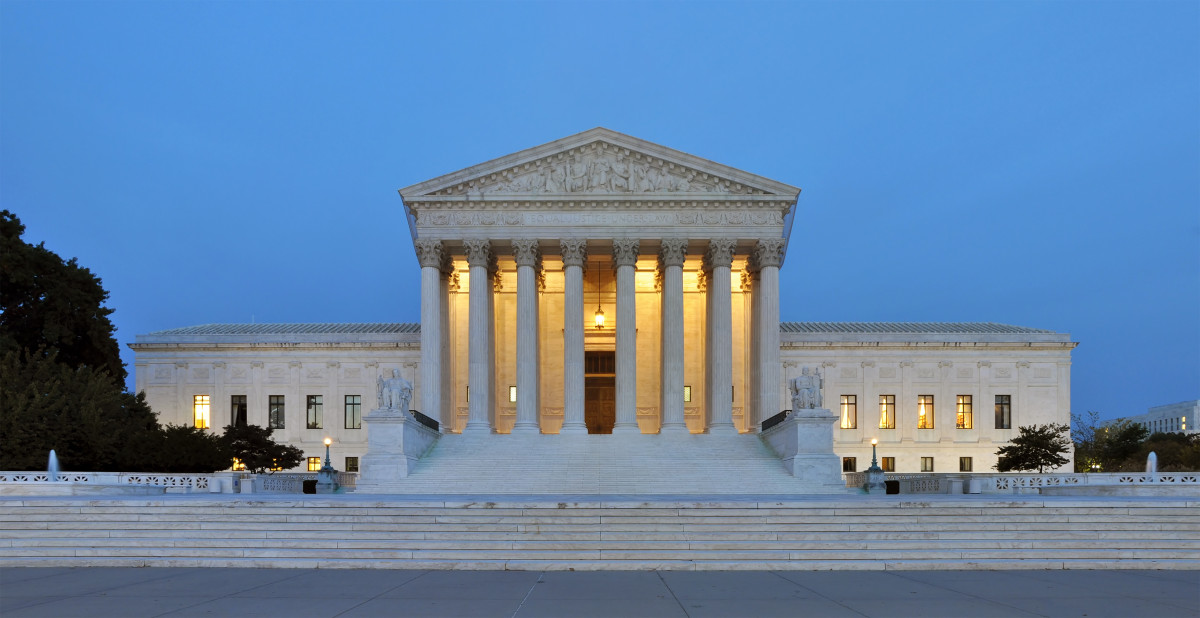
These victories have largely come via the Supreme Court’s “shadow docket”—emergency orders issued without full briefing or oral arguments. This strategy relies on aggressive executive actions that provoke immediate lawsuits, which the administration then quickly appeals to a friendly high court. While effective, legal scholars warn that governing by emergency order bypasses the normal legislative and judicial processes designed to ensure stability and consensus.
The Constitutional Consequence
The firing of over 100 judges and the replacement of them with administration loyalists creates a profound “chilling effect.” It sends a message to every remaining immigration judge that their job security depends not on impartial application of the law, but on adherence to the Attorney General’s policy goals.
Experts like Muzaffar Chishti warn that these actions have “eroded trust completely” in the immigration court system. When the line between a judge and a political appointee vanishes, the concept of due process—the guarantee of a fair hearing before a neutral arbiter—is placed in grave peril.