
The streets of Minneapolis have become the latest flashpoint in a high-stakes constitutional drama that pits local executive authority against federal immigration enforcement. On Wednesday, Mayor Jacob Frey issued a profanity-laced demand for federal agents to exit the city following a fatal shooting involving an Immigration and Customs Enforcement (ICE) officer.
While the Department of Homeland Security (DHS) maintains that the officer acted in self-defense against “domestic terrorism,” city officials have labeled that narrative “garbage.” This confrontation is more than a local tragedy; it is a profound test of the Supremacy Clause and the limits of state and local autonomy in a divided republic.
At a Glance
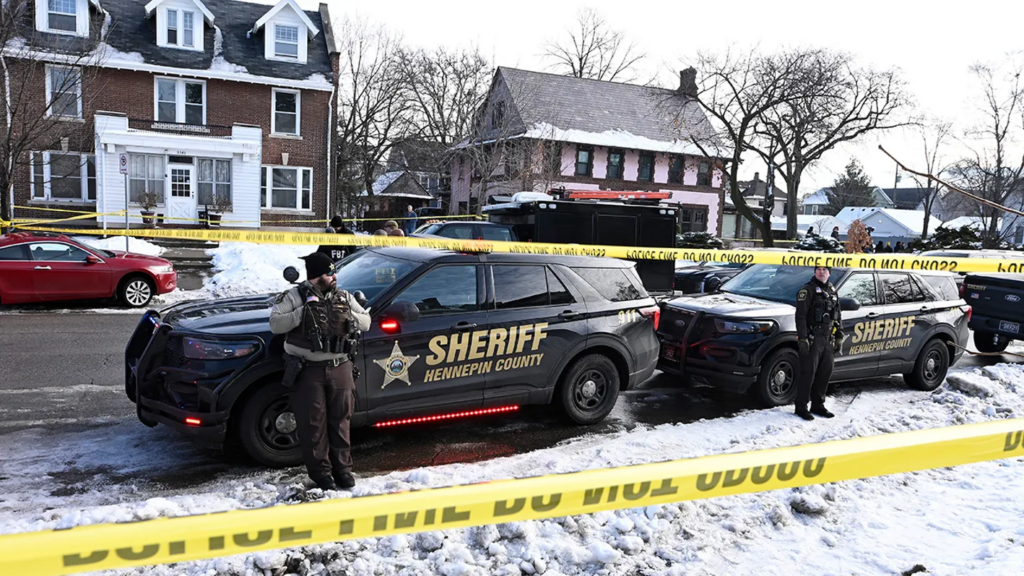
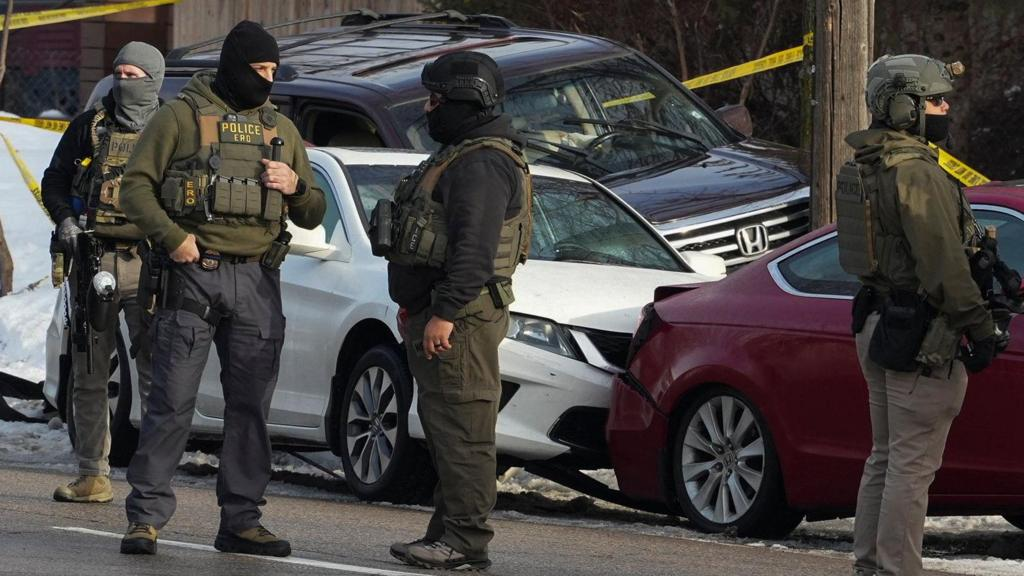
- Federal Authority: Approximately 2,000 agents are deployed in Minneapolis as part of a massive federal immigration operation.
- The Incident: An ICE officer fatally shot a woman who DHS claims attempted to “weaponize her vehicle” against law enforcement.
- Anti-Commandeering: While states cannot block federal law, the 10th Amendment protects them from being “commandeered” to enforce it.
- The Conflict: Mayor Jacob Frey and Police Chief Brian O’Hara dispute the federal “self-defense” narrative, citing video evidence and local concerns over chaos.
The Limits of “Get Out”
When Mayor Frey tells federal agents to “get the f— out,” he is bumping up against a hard constitutional reality. Under Article VI, the Supremacy Clause ensures that federal law – and the agents authorized to enforce it – takes precedence over local preferences.
A city mayor generally lacks the legal authority to physically expel federal officers from their jurisdiction if those officers are acting under valid federal statutes, such as the Immigration and Nationality Act.
However, the Mayor’s rhetoric taps into the anti-commandeering doctrine. Established by the Supreme Court in cases like Printz v. United States, this principle holds that the federal government cannot force local police or officials to act as extensions of federal agencies.
Minneapolis can legally refuse to assist ICE, but it cannot actively obstruct or interfere with federal operations without inviting a massive legal challenge or federal intervention.
Self-Defense and the Fog of Enforcement
The dispute over the shooting of a woman in her vehicle highlights the tension between federal sovereign immunity and local oversight. DHS Assistant Secretary Tricia McLaughlin framed the incident as a “direct consequence” of the “demonization” of officers by sanctuary politicians. This reflects a perspective that local resistance creates a hazardous environment for law enforcement, potentially justifying more aggressive self-defense measures.
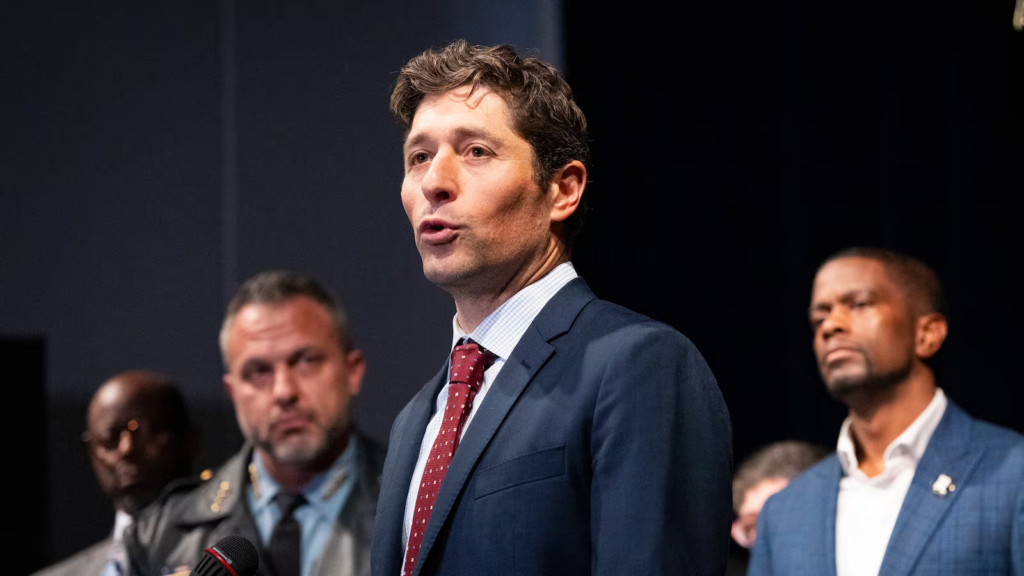
“The narrative that this was just done in self-defense is a garbage narrative. That is not true. It has no truth. And it needs to be stated very clearly since we have already seen a video of it.” — Minneapolis Mayor Jacob Frey
Conversely, Chief Brian O’Hara noted that the woman was not a target of the enforcement action and was merely “blocking the street.” This raises significant questions about Fourth Amendment protections against “unreasonable seizures.”
If a bystander is killed by federal agents in a state that has explicitly asked those agents to leave, the legal fallout touches on whether those agents were acting within the “scope of their employment” or if they violated clearly established rights.

Ben Hovland | MPR News
The Sovereign Conflict
The deployment of 2,000 federal agents—a force larger than many local police departments—represents a significant exercise of Executive Branch power.
To the Trump administration, this is a necessary step to ensure national security and the rule of law. To local leaders like Frey, it is an overreach that causes “dysfunction and chaos.”
This creates a dual sovereignty crisis. The federal government has the power to regulate immigration, yet the state has the “police power” to maintain public safety and order within its borders. When these two powers collide—especially when the federal presence is perceived as the source of the disorder rather than the solution—the constitutional balance is pushed to its breaking point.
The Path Toward Resolution
As the dust settles in Minneapolis, the battle will likely move from the streets to the courtrooms. The federal government may seek injunctions against city officials for obstruction of justice, while the city or the victim’s family may attempt to sue the federal government under the Federal Tort Claims Act.
Ultimately, the Constitution does not provide a simple manual for what happens when a mayor and a president are at a literal standstill.
It relies on a system of comity – a mutual respect for jurisdictions – that appears to be rapidly evaporating. Whether Minneapolis can remain a “sanctuary” in the face of a determined federal surge is a question that will redefine the 10th Amendment for the next generation.
A Republic of Friction
The Founders anticipated tension between the levels of government, but they might not have envisioned a scenario where a city mayor and federal agencies are in an open war of words over a fatal shooting. This incident serves as a stark reminder that while the Constitution provides the framework for power, the consent of the governed and the cooperation of local leaders are the glue that holds the federal system together.