
Beyond the stunning revelations about the collapse of the 2024 presidential campaign, Hunter Biden’s recent, unfiltered interview contained a proposal so bizarre and constitutionally radical that it demands its own separate analysis.
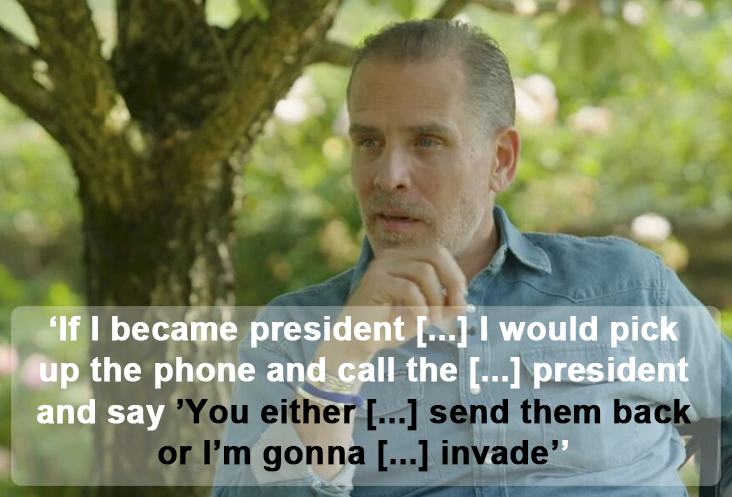
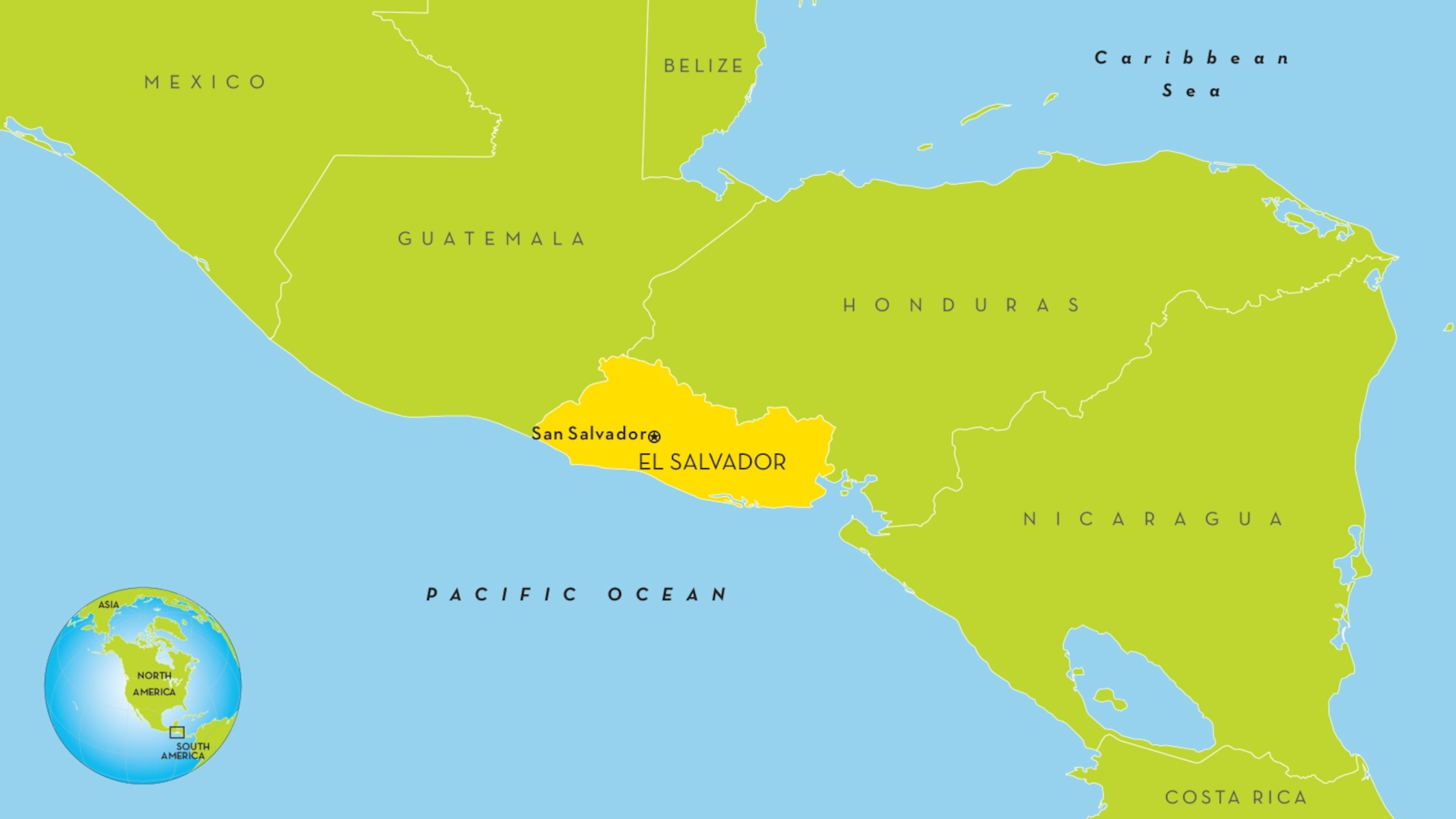
In a moment of anger directed at the Trump administration’s deportation policies, the former president’s son suggested a shocking solution for a perceived labor shortage: invading El Salvador to bring back deported workers for jobs like cleaning hotel rooms.
While Hunter Biden is a private citizen, his words offer a deeply alarming glimpse into a political mindset that has become dangerously untethered from the fundamental principles of constitutional governance, national sovereignty, and the rule of law.
This is more than a thoughtless remark; it is a symptom of a casual disregard for the most solemn powers our government holds.
Read All Of Hunter Biden’s Confessions Here
An Act of War as Economic Policy
The context for this shocking statement was a defense of the role of immigrant labor in the American economy. Frustrated with deportation efforts, Hunter Biden posed the question of who performs essential service jobs, and then offered a startling solution: use the U.S. military to forcibly bring back deported individuals from a sovereign nation.
This is a profound and dangerous confusion of categories. It takes a legitimate, if contentious, policy debate about immigration and labor and proposes a solution that is an unambiguous act of war. It reduces the United States Armed Forces—an institution designed to “provide for the common defense” of the republic—to a global repo service for labor. The suggestion is so far outside the bounds of normal political or legal discourse that it reveals a fundamental misunderstanding of the purpose of our military and the nature of international relations.
A Casual Contempt for the War Powers Clause
The most serious issue raised by this statement is its complete contempt for the separation of powers as it relates to war. Article I, Section 8 of the Constitution is explicit: the power “To declare War” belongs exclusively to Congress. The framers deliberately placed this awesome and terrible power in the hands of the legislative branch—the body most accountable to the people—to prevent a single executive from unilaterally plunging the nation into conflict.
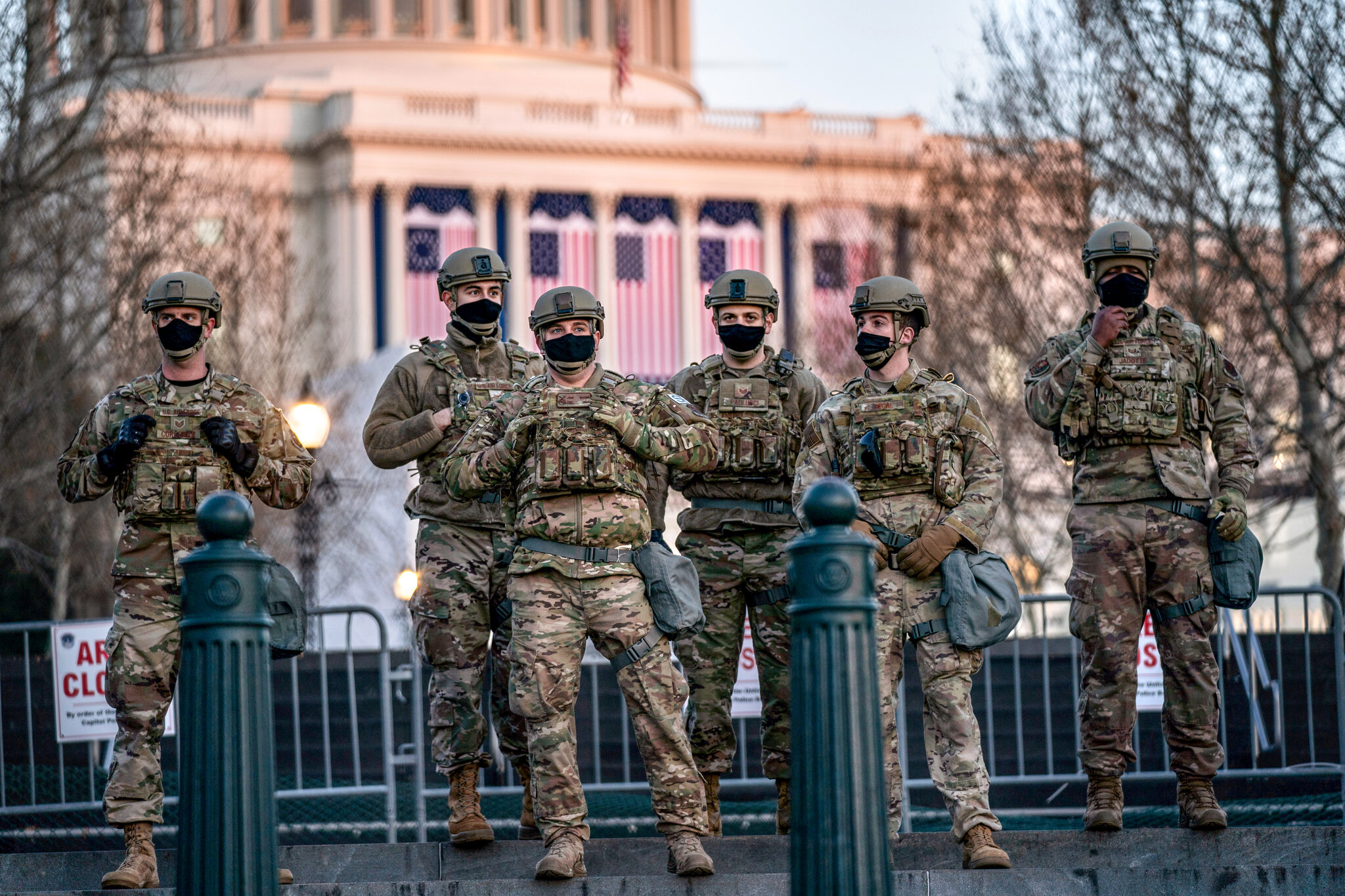
To casually suggest “invading El Salvador” is to treat this most solemn constitutional provision as a trivial matter. The President, as Commander-in-Chief, has the authority to direct the military, but he cannot lawfully order an invasion of a sovereign country that has not attacked the U.S. without a declaration of war or a specific Authorization for the Use of Military Force (AUMF) from Congress. To propose using the military as a tool to solve a domestic economic issue is a perversion of the President’s constitutional role.
A Rejection of All Law
This proposal is not just unconstitutional; it is a rejection of the entire framework of both international and domestic law.
- International Law: A military invasion of El Salvador would be a grave violation of the United Nations Charter and the foundational principle of national sovereignty that has governed international relations for centuries. It would instantly make the United States a rogue state.
- Immigration Law: The proposal is a complete inversion of the logic of U.S. immigration law. The entire legal system, however flawed, is designed to regulate who may enter and remain in the country. There is no provision, precedent, or legal theory that would permit the use of military force to forcibly repatriate individuals who have been lawfully deported.
While Hunter Biden’s words do not reflect official policy, they are a deeply disturbing symptom of our political times. When the children of our highest leaders can speak so casually of invading a sovereign nation to solve a domestic problem, it signals that the constitutional guardrails are not being taken seriously. It is a cautionary tale about how easily the sober, awesome power to declare war can be trivialized in our modern political discourse—a danger that the framers of the Constitution understood all too well.