
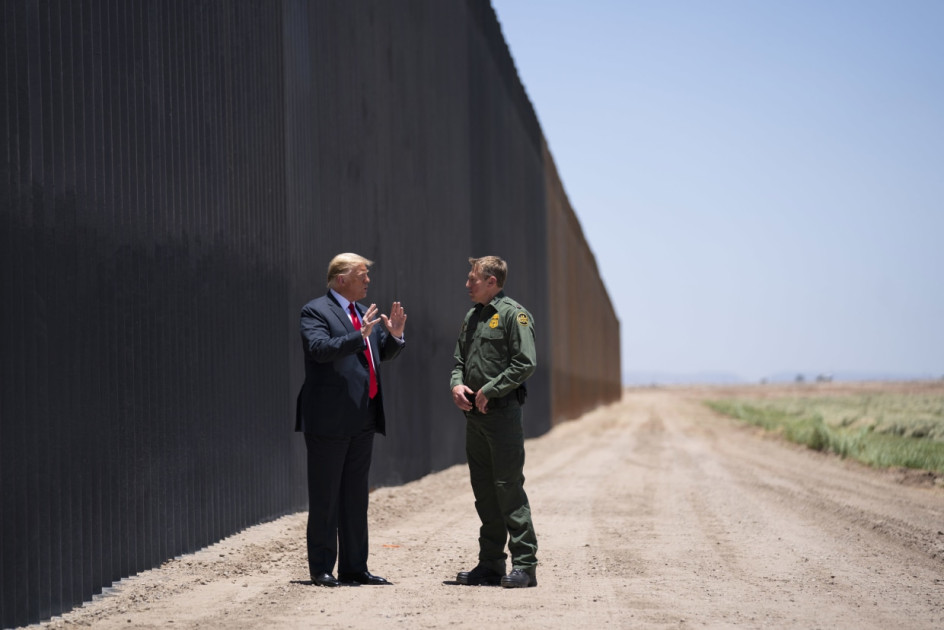
President Trump shut down the government for 35 days in 2019 fighting for his border wall, and it was a political disaster. He owned it, cameras caught him owning it, and he eventually caved with nothing to show for it. Fast forward to October 2025, and Trump’s playing an entirely different game. This shutdown isn’t about his demands – it’s about Democrats demanding healthcare subsidies while Republicans control everything. Trump’s staying in the wings, posting AI-generated videos of Hakeem Jeffries in a sombrero, and watching Democrats take the political heat. It’s a remarkable strategic shift that reveals something important: Trump learned that in our constitutional system, the party that looks like it’s blocking “normal” government funding loses, even when they’re technically right on the merits.
At a Glance
- The 2019 shutdown centered on Trump vs. Congress over border wall funding – Trump lost badly
- This shutdown is a stalemate between congressional Republicans and Democrats over Obamacare subsidies
- Trump is staying relatively quiet, posting memes instead of making demands, letting Democrats “own” the shutdown
- Meanwhile, the administration is using the shutdown to implement permanent federal workforce reductions
- At stake: whether Trump’s new strategy succeeds where his old approach failed, and what that means for the power of the purse
What Trump Learned From 2019
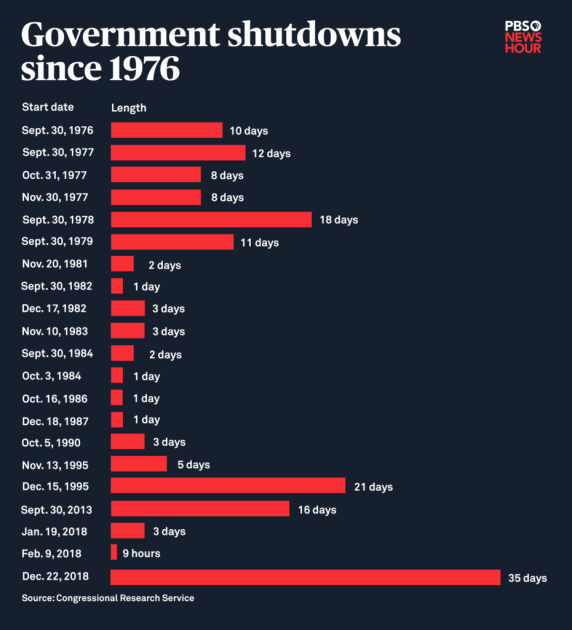
The 2018-2019 government shutdown lasted 35 days – the longest in American history. Trump demanded nearly $6 billion for his border wall. Democrats refused. Federal workers went weeks without pay. Airport security lines grew. National parks closed. Public pressure mounted.
And then Trump caved. He signed legislation to temporarily reopen the government without any border wall funding, declaring a national emergency to redirect other funds instead – a move that courts later partially blocked.
The political damage was severe. Polling consistently showed Americans blamed Trump and Republicans more than Democrats for the shutdown. Trump’s approval ratings dropped. Even many Republicans criticized the strategy as counterproductive.
The fundamental problem: Trump made himself the face of the shutdown by publicly demanding something controversial (the border wall) and threatening to keep government closed until he got it.
This time, Trump isn’t demanding anything. Republicans passed a “clean” continuing resolution that would fund government at current levels through November 21, plus some additional security funding. Democrats are the ones demanding a policy addition – extension of enhanced Obamacare subsidies. That role reversal is everything.
The Constitutional Optics Game
Americans consistently tell pollsters they don’t think shutdowns should be used as bargaining chips for policy demands. In 2023 polling, voters said 87% to 11% that it’s “inappropriate” for shutdowns to be “used as leverage in policy disagreements.”
That puts enormous pressure on whichever party is seen as holding up funding to extract concessions. In 2019, that was Trump. In 2025, Republicans are framing it as Democrats.
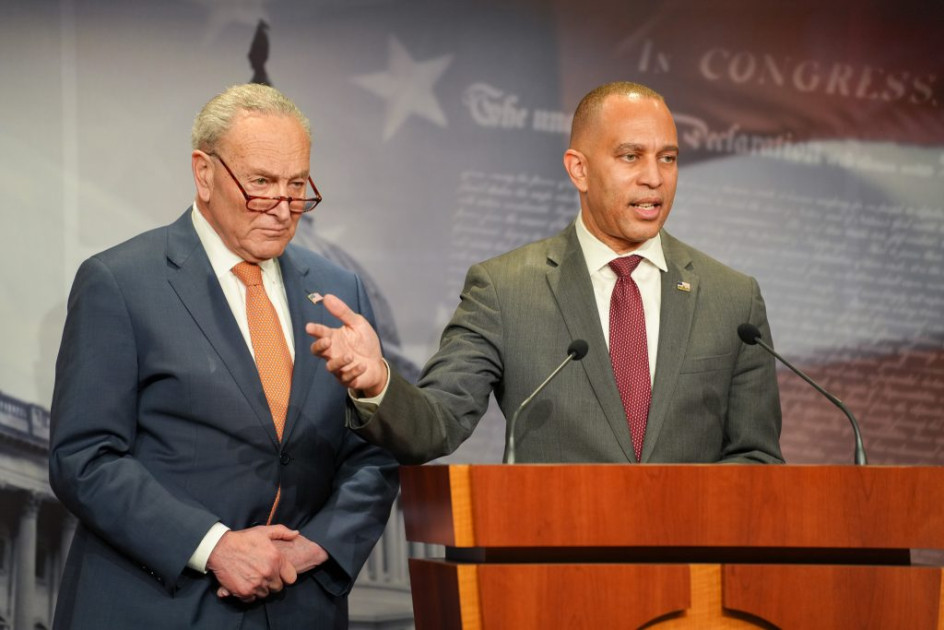
The messaging battle is fierce. Republicans claim Democrats want to provide healthcare for illegal immigrants, pointing to provisions that would repeal parts of Trump’s tax bill that scaled back Medicaid eligibility for non-citizens. Democrats say that’s “absolutely false” and they’re actually fighting to extend popular ACA subsidies that prevent premiums from spiking 75%.
Both claims have elements of truth, which makes the optics game more important than the substance. Trump has decided the winning move is staying out of the direct fight, letting congressional Republicans and Democrats battle it out while he posts videos mocking Democrats.
“By staying relatively quiet right now, President Trump is allowing Democrats to ‘own’ the shutdown. The president realizes that if he says anything confrontational right now, the narrative will center around his remarks.” – Kristin Tate, political columnist
The Unprecedented Federal Workforce Play
While Trump stays publicly quiet about the shutdown politics, his administration is using the crisis to advance a different agenda: permanently shrinking the federal government. The Office of Management and Budget ordered agencies in September to prepare reduction-in-force plans in case of a shutdown.
That’s different from normal shutdowns where workers are furloughed temporarily then brought back with back pay once funding resumes. Trump is planning permanent layoffs – eliminating positions entirely so they don’t come back when government reopens.
White House Press Secretary Karoline Leavitt predicted “thousands” of federal layoffs if the shutdown continues. Trump posted on social media Wednesday: “Republicans must use this opportunity of Democrat forced closure to clear out dead wood, waste, and fraud. Billions of Dollars can be saved. MAKE AMERICA GREAT AGAIN!”
This creates a constitutional problem we’ve discussed before: if the President can use Congress’s failure to appropriate funds as justification for permanently restructuring the federal government, he’s using legislative dysfunction to bypass legislative authority over the size and structure of agencies.
But by keeping the focus on Democrats blocking the spending bill, Trump deflects attention from what his administration is actually doing during the shutdown. It’s strategic misdirection – let Democrats take heat for the shutdown itself while quietly implementing workforce reductions under cover of the crisis.
Why Democrats Voted No
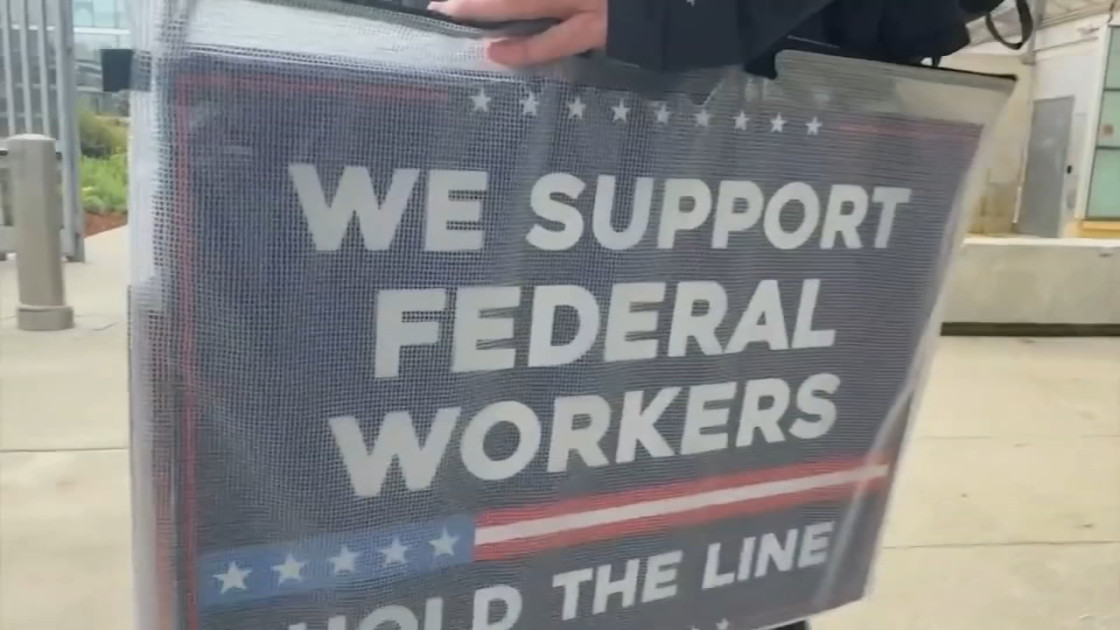
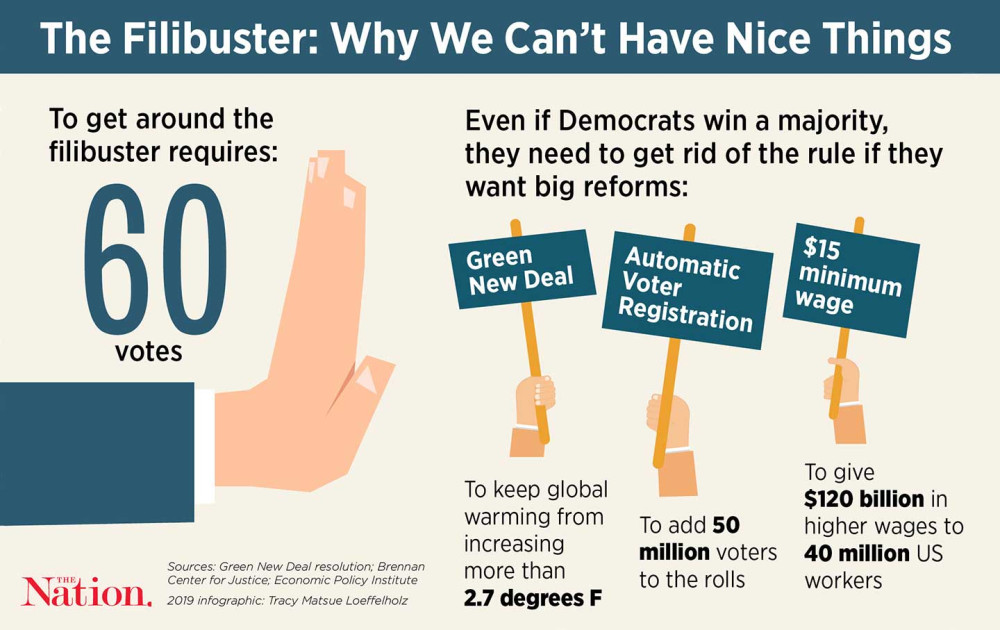
Three Senate Democrats joined Republicans to vote for the stopgap funding bill Tuesday, but the measure fell short of the 60 votes needed for passage. That means most Democrats held the line, voting against funding the government unless their healthcare demands are met.
That’s an unusual position for Democrats, who are typically the party more invested in government functioning. They’re gambling that Americans will blame Republicans anyway because Republicans control the White House, House, and Senate – they should be able to pass a budget without Democratic help if they really wanted to.
Republicans counter that the Senate filibuster requires 60 votes for appropriations, meaning they need at least seven Democrats. That’s constitutional math, not political choice.
“Times have shown over and over through the years that the public supports funding the government. They penalize the party that attaches extra policy priorities to whatever bill does that.” – Matt Gorman, Republican strategist
Democrats are betting that healthcare is different – that fighting for subsidies that prevent premium spikes is popular enough to justify the shutdown. Early polling suggested Americans would blame Republicans more than Democrats even if Democrats voted down funding over healthcare. But as the shutdown continues, that calculation could shift.
Vice President Vance’s Active Role
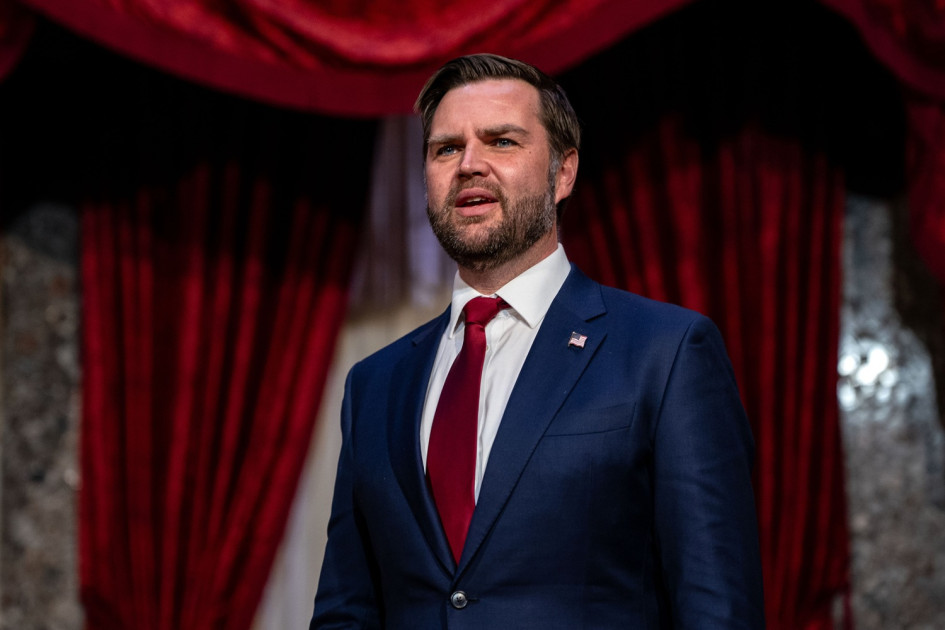
While Trump stays relatively quiet, Vice President JD Vance has adopted a proactive messaging role. He told reporters Tuesday he predicted the shutdown wouldn’t last long because moderate Democrats are “cracking a little” as they understand the “fundamental illogic” of the shutdown.
Vance also acknowledged layoffs are coming: “We’re going to have to make things work. And that means that we’re going to have to triage some certain things, that means certain people are going to have to get laid off. And we’re going to try to make sure that the American people suffer as little as possible from the shutdown.”
That’s a more honest acknowledgment than Trump’s approach of blaming Democrats for everything while claiming the shutdowns creates opportunities. Vance is saying yes, this will hurt people, but it’s Democrats’ fault for not passing the clean funding bill.
The division of labor is clear: Vance delivers the responsible-sounding political message while Trump posts memes and threatens permanent workforce reductions. It lets Trump maintain his brand as a disruptor while Vance provides a veneer of conventional political messaging.
The Constitutional Difference That Matters
From a constitutional perspective, this shutdown looks very different from 2019. In 2019, Trump was demanding Congress add border wall funding – the President trying to force Congress to appropriate money it didn’t want to appropriate. That’s the President trying to usurp the legislative power of the purse.
In 2025, Democrats are demanding Congress add healthcare subsidy extensions – the minority party trying to force the majority to appropriate money for something that wasn’t in the bill. That’s still problematic, but it’s a legislative branch fight, not an executive branch power grab.
Except Trump is using the shutdown to implement permanent workforce reductions without congressional authorization, which is its own kind of power grab. He’s just being quieter about it.
The Framers gave Congress the power of the purse to check executive authority. When Congress can’t exercise that power because of internal dysfunction, the executive gains power by default.
Trump learned in 2019 that openly demanding things during a shutdown makes him look like the problem. So this time he’s staying quiet about his own agenda while Democrats and Republicans fight over theirs. The result is the same – executive power expands during the funding lapse – but the optics are completely different.
What the Founders Would Say
Madison would recognize this as a failure of the system he helped design. The appropriations process is supposed to force compromise through its difficulty. When it breaks down completely and government shuts down, that’s political actors choosing confrontation over governance.
But Madison might also note that Trump’s quieter approach this time is actually more dangerous constitutionally. In 2019, Trump was loud about what he wanted, which at least created transparency and accountability. In 2025, he’s letting Congress fight while quietly using the shutdown to restructure the executive branch. That’s power consolidation without the political accountability that comes from making public demands.
Hamilton would probably admire the strategic calculation – Trump learned from failure and adapted his approach. But even Hamilton believed executive power should be exercised openly, with the President taking responsibility for decisions rather than operating through misdirection.
Jefferson would see this as more evidence that the federal government has grown too large and powerful. If a shutdown is an “opportunity” to eliminate thousands of positions, maybe those positions shouldn’t exist in the first place.
The Political Gamble
Trump’s new strategy is a gamble that optics matter more than substance. He’s betting that by staying quiet and letting Democrats look like they’re blocking funding, Americans will blame Democrats regardless of the underlying policy merits.
Republicans claim Democrats want healthcare for illegal immigrants. Democrats claim they’re fighting to prevent premium spikes for millions of Americans. The truth is more complicated than either message, but the simpler, more visceral message might win.
Meanwhile, Trump gets to use the shutdown to implement permanent government reductions that he couldn’t achieve through normal legislative processes. Whether that’s brilliant strategy or constitutional overreach depends largely on whether you support shrinking the federal government.
What’s clear is that Trump learned his lesson from 2019: don’t make yourself the story. Let Congress fight while you quietly advance your agenda in the background. Whether that approach succeeds politically – and whether it’s constitutionally sound – remains to be seen.
But one thing is certain: the President who tweeted his way through the longest shutdown in history has figured out that sometimes the most powerful move is staying quiet and letting your opponents take the heat.