
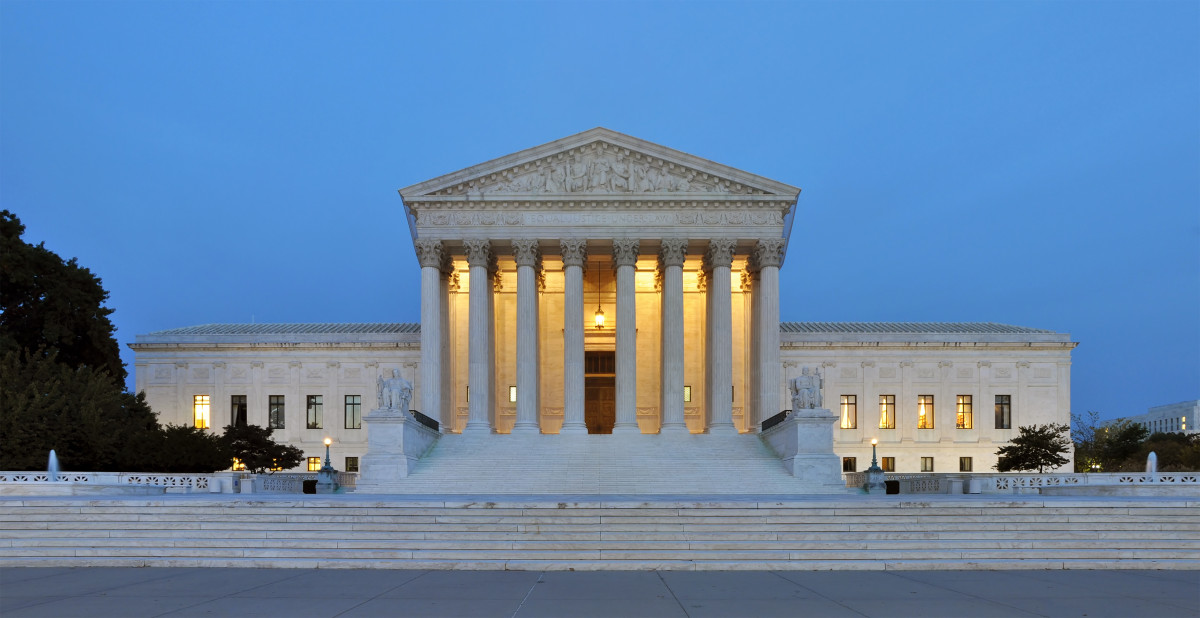
In a hushed and packed courtroom on Monday, the Supreme Court appeared ready to unravel nearly a century of American governance.
During intense oral arguments in a case that could redefine the balance of power in Washington, the Court’s conservative supermajority signaled deep skepticism about the independence of federal agencies like the Federal Trade Commission (FTC).
At stake is a 90-year-old precedent that has shielded regulators from political firing. If the Court overturns it, it would hand President Trump a sweeping victory, fundamentally transforming the constitutional structure of the executive branch and bringing dozens of powerful agencies under direct presidential control.
At a Glance: The Power to Fire
- What’s Happening: The Supreme Court heard oral arguments in Trump v. Slaughter, a case testing whether the President can fire members of independent agencies like the FTC at will.
- The Issue: President Trump wants to overturn a 1935 precedent, Humphrey’s Executor, which protects these officials from being fired without “cause.”
- The Court’s Lean: The conservative majority appeared sympathetic to the administration’s argument that the President needs full control over the executive branch to ensure accountability.
- The Constitutional Stakes: A massive Separation of Powers battle. The ruling could end the era of “independent” agencies, potentially giving the President direct control over everything from consumer protection to, potentially, the Federal Reserve.
‘A Dried Husk’: The Attack on Precedent
The target of the administration’s legal attack is a landmark 1935 decision called Humphrey’s Executor v. United States. In that case, the Court ruled that Congress could protect the leaders of “quasi-legislative” and “quasi-judicial” agencies from being fired by the President for political reasons.
On Monday, Solicitor General John Sauer argued that this decision was “grievously wrong” and created an unconstitutional “power vacuum” where unelected bureaucrats wield immense power without answering to the voters.
Chief Justice John Roberts seemed to agree, dismissing the 1935 precedent as a “dried husk” that has “nothing to do with what the FTC looks like today.” This suggests the Court is not looking to tweak the old rule, but to demolish it.
The Liberal Alarm: ‘Massive, Unchecked Power’
The Court’s three liberal justices issued stark warnings about what overturning this precedent would mean.
Justice Elena Kagan argued that the administration’s position would grant the President “massive, unchecked, uncontrolled power,” allowing him to not just execute the law, but effectively rewrite regulations on a whim.
Justice Sonia Sotomayor framed it as an attack on the very structure of government designed by Congress. “You’re asking us to destroy the structure of government,” she told Sauer, warning that it would strip Congress of its ability to create independent watchdogs.
“The liberal justices warned of a future where a President could wake up and, ‘on a whim,’ fire the nation’s top regulators simply because he disagreed with their decisions.”
The Federal Reserve Exception?
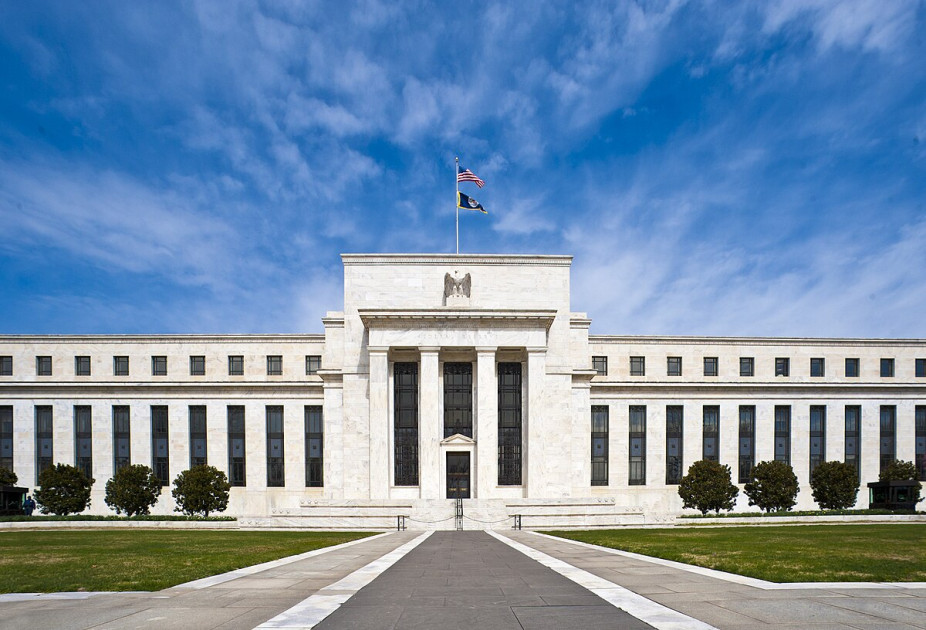
One of the most critical questions hovering over the case is how far this new presidential power would extend. Would it allow the President to fire the governors of the Federal Reserve, the independent body that sets interest rates and manages the economy?
Justice Brett Kavanaugh hinted at a possible firewall, suggesting he views the Federal Reserve differently than agencies like the FTC. This indicates the Court might try to carve out a special exception for the Fed to protect the economy from direct political meddling, even while dismantling independence for other regulators.
A New Era for the Executive Branch
If the Supreme Court rules as expected by the end of June, it will mark the end of an era that began with the New Deal.
The concept of the “independent agency”—insulated from politics to provide expert, neutral regulation—would be effectively dead. In its place would rise a truly “unitary executive,” where every official with significant power answers directly to the President.
For supporters, this is a restoration of democratic accountability. For critics, it is the removal of the last guardrails preventing the politicization of the entire federal government.