
Inside the secret, solemn proceedings of a federal grand jury room this week, a drama of almost unheard-of proportions unfolded.
The new, presidentially hand-picked U.S. Attorney for the Eastern District of Virginia stood alone, without a single member of her 300-person staff of career lawyers beside her, to make the case for indicting former FBI Director James Comey.
The indictment she secured is a political earthquake. But the story of how she secured it – against the judgment of her own prosecutors – is a profound and troubling look at the American system of justice under immense political pressure.
At a Glance: The Comey Grand Jury
- What’s Happening: New details have emerged about how former FBI Director James Comey was indicted on Thursday.
- The Key Detail: The case was presented to the grand jury by U.S. Attorney Lindsey Halligan herself, acting completely alone.
- Why it Matters: Career prosecutors in her office reportedly refused to present the case, viewing it as too weak and politically motivated. Halligan, a Trump loyalist with no prior prosecutorial experience, had only been on the job for three days.
- The Constitutional Issue: The incident has ignited a fierce debate over the Fifth Amendment’s Grand Jury process and whether it is acting as a constitutional shield for the citizen or a rubber stamp for a politically-motivated prosecutor.
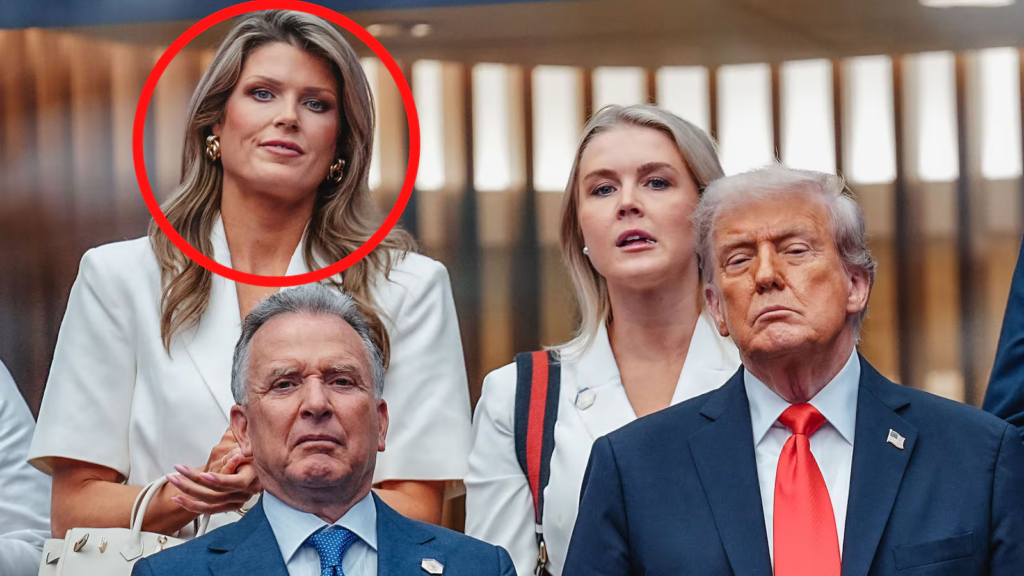
A Prosecutor Alone
The indictment of a former FBI Director is an extraordinary event under any circumstances. But the manner in which this one was obtained is almost unprecedented.
According to sources familiar with the secret proceedings, Lindsey Halligan, who was sworn in as the new U.S. Attorney on Monday, personally presented the evidence against Comey to the grand jury. She did so alone.

This was reportedly because the career Assistant U.S. Attorneys in her office – the veteran prosecutors who normally handle grand jury presentations – had reviewed the case inherited from the previous U.S. Attorney and concluded it was too weak to bring charges. Their refusal to participate left Halligan, a former White House staffer with no experience as a prosecutor, to make the case by herself.
The ‘Ham Sandwich’ and the Fifth Amendment
This situation goes to the very heart of one of the most debated mechanisms in our constitutional system: the federal grand jury.
The Fifth Amendment requires a “presentment or indictment of a Grand Jury” for any serious federal crime. The Founders intended the grand jury to be a shield for the citizen, a body of ordinary people standing between the immense power of the government and the individual, ensuring a prosecutor has enough evidence (probable cause) to even bring a case to trial.
However, critics for decades have argued that the system is broken. Because the grand jury only hears the prosecutor’s side of the story – with no judge, no defense lawyer, and no cross-examination – it is incredibly susceptible to prosecutorial influence. This led to the famous critique by former New York Chief Judge Sol Wachtler that a prosecutor could get a grand jury to “indict a ham sandwich.”
“The Fifth Amendment envisions the grand jury as a shield for the citizen. This case has become a flashpoint for the long-standing fear that it can also be used as a rubber stamp for the prosecutor.”
The spectacle of a lone, politically-appointed prosecutor securing an indictment against the wishes of her career staff is being seen by many as a textbook example of the “ham sandwich” problem in action.
An Office in Revolt
The fallout inside the prestigious U.S. Attorney’s office for the Eastern District of Virginia – often called the “rocket docket” for its high-powered caseload – has been immediate.
Late Thursday night, after the indictment was returned, Comey’s own son-in-law, Troy Edwards Jr., resigned his position as the office’s senior national security prosecutor.
Colleagues reportedly view his resignation as the first of many, as career lawyers inside the Alexandria-based office are said to be in a state of near-revolt, warning that they will refuse to participate in what they see as a politically-motivated prosecution demanded by the White House.

The Trial Before the Trial
The grand jury has spoken, returning a two-count indictment for lying to Congress and obstructing a congressional proceeding. But the indictment’s very foundation is already under attack.
Legal experts are already pointing to potential flaws in the indictment’s wording, suggesting it may misrepresent Comey’s actual testimony.
The spectacle of a lone, inexperienced political appointee securing an indictment that her own professional staff would not touch has created a profound crisis of legitimacy before a trial can even begin. The case will now test not only the guilt or innocence of James Comey, but the integrity of the grand jury process and the independence of the Department of Justice itself.