
Vice President JD Vance walked out of the White House on Monday afternoon and delivered the news nobody wanted to hear. “I think we’re headed into a shutdown because the Democrats won’t do the right thing. I hope they change their mind.”
The hour-long meeting between President Trump and congressional leaders produced no deal, no compromise, and no apparent path forward before the midnight October 1 deadline. Both sides left convinced the other was holding the American people hostage.
The argument isn’t really about government funding. It’s about whether expiring Obamacare subsidies get extended now or never.
What Republicans Say They’re Offering
Congressional Republicans insist their continuing resolution is “clean” – a short-term funding extension until November 21 without partisan policy riders or new spending beyond millions for increased lawmaker security.
Senate Majority Leader John Thune held up a copy of the bill during the post-meeting press conference, visibly frustrated by Democratic claims that it’s partisan. “To me, this is purely a hostage-taking exercise on the part of the Democrats,” Thune said.

The House already passed this funding extension. The Senate blocked it earlier this month. Republicans argue they’re offering exactly what Democrats demanded when they controlled the Senate – a straightforward extension without controversial additions.
“We are willing to sit down and work with them on some of the issues they want to talk about, whether it’s an extension of premium tax credits, with reforms, we’re happy to have that conversation,” Thune said. “But as of right now, this is a hijacking.”
Vance framed Democratic demands as unreasonable from the start. “If you look at the original they did with this negotiation, it was a $1.5 trillion spending package, basically saying the American people want to give massive amounts of money, hundreds of billions of dollars to illegal aliens for their health care, while Americans are struggling to pay their health care bills,” he said.
That characterization of Democratic priorities set the tone for how Republicans view the entire negotiation – as Democrats prioritizing non-citizens over American taxpayers.
What Democrats Say They’re Fighting For
Senate Minority Leader Chuck Schumer and House Minority Leader Hakeem Jeffries emerged from the same meeting with an entirely different narrative. They’re not holding anyone hostage – they’re protecting American healthcare from Republican sabotage.
“Democrats are fighting to protect the health care of the American people, and we are not going to support a partisan Republican spending bill that continues to gut the health care of everyday America, period,” Jeffries said.

Schumer insisted the Republican bill contains “not one iota of Democratic input” and that bipartisan funding bills have always included negotiations from both parties. “I think for the first time, the president heard our objections and heard why we needed a bipartisan bill,” Schumer said.
Democrats want an extension of expiring Affordable Care Act subsidies included in the continuing resolution. These COVID-19 pandemic-era tax credits are set to sunset at the end of this year, which would increase premiums for millions of Americans who purchase insurance through ACA marketplaces.
Their counter-proposal also included language to repeal the healthcare section of the GOP’s reconciliation bill and a clawback of canceled NPR and PBS funding. Senate Republicans called these demands “unserious.”
Neither Schumer nor Jeffries took questions after their remarks, but appeared slightly more optimistic than their Republican counterparts – suggesting they believe time pressure might force GOP concessions.
The Timing Trap That Makes Compromise Impossible
Republicans say they’re willing to discuss ACA subsidy extensions after the government is funded. Thune has publicly stated that November conversations about expiring healthcare provisions are reasonable.
Democrats say “later” means “never” and refuse to fund the government without healthcare guarantees included immediately.

“We think when they say later, they mean never. We have to do it now, first because of the timing issue and second, because now is the time we can get it done,” Schumer said back on Capitol Hill after the meeting.
This is the core impasse. Republicans won’t include Democratic priorities in what they view as a clean funding bill. Democrats won’t vote for a funding bill that doesn’t address healthcare subsidies they believe will never get addressed otherwise.
Both sides are probably right about the other’s intentions. Republicans likely have no intention of extending ACA subsidies without major reforms that Democrats would reject. Democrats likely recognize that once the government is funded, their leverage to demand those extensions evaporates.
So the shutdown becomes inevitable – not because either side wants it, but because neither side believes the other will negotiate in good faith once this deadline passes.
What a Government Shutdown Actually Means
If Congress fails to pass a continuing resolution by midnight on October 1, federal agencies begin shutting down non-essential operations. National parks close. Federal workers get furloughed. Government services that millions of Americans depend on stop functioning.
“Essential” employees – including military personnel, air traffic controllers, and law enforcement – continue working without pay until the shutdown ends. They receive back pay once funding resumes, but that doesn’t help when rent is due and paychecks aren’t coming.

Contractors who support federal operations don’t receive back pay. They simply lose income for however long the shutdown lasts. Small businesses that depend on federal contracts or national park tourism face financial devastation.
The White House is leveraging additional threats beyond standard furloughs. Mass firings are reportedly being considered – terminations that go beyond temporary unpaid leave and could permanently reduce the federal workforce.
That threat hasn’t moved Senate Democrats. Schumer and his caucus appear willing to accept a shutdown rather than fund the government without healthcare protections they view as non-negotiable.
The Political Calculation Behind the Stubbornness
Both parties are betting the American people will blame the other side when government services stop and federal workers miss paychecks. Historical polling data provides mixed guidance on who typically gets blamed for shutdowns.
Republicans control the White House and both chambers of Congress. That typically means voters hold the majority party responsible when government fails to function. But Republicans argue they passed a clean funding bill that Democrats blocked – making this a Democratic shutdown by choice.
Democrats counter that controlling both chambers means Republicans should be able to pass legislation that reflects bipartisan priorities, not just GOP wish lists. They’re framing this as Republican refusal to negotiate in good faith on healthcare that millions of Americans depend on.

The political stakes are significant for both sides. If Republicans back down and include ACA subsidy extensions, it demonstrates that Democratic minorities can force concessions by threatening shutdowns. If Democrats cave and vote for a clean CR without healthcare provisions, it proves those subsidies were never really non-negotiable priorities.
Neither side can afford to blink without looking weak to their base – which is why Vance’s assessment that “we’re headed into a shutdown” is probably accurate.
The Trump Factor That Changes Nothing
President Trump canceled a previously scheduled meeting with just Schumer and Jeffries last week, railing on Truth Social about “radical Left policies that nobody voted for” in Democratic counter-proposals.
Monday’s expanded meeting that included Republican leadership didn’t produce better results. Trump heard Democratic objections, according to Schumer. But hearing objections and accommodating them are different things.
Vance said he was “highly skeptical” that this was Trump’s first time hearing Democratic concerns and insisted there’s a bipartisan path forward on healthcare – just not on Democrats’ timeline or terms.

“We want to work across the aisle to make sure that people have access to good healthcare,” Vance said. “We are not going to let Democrats shut down the government and take a hostage unless we give them everything that they want. That’s not how the people’s government has ever worked.”
Trump’s involvement should theoretically help broker compromise – presidents have deal-making authority that congressional leaders lack. But Trump’s public statements before the meeting signaled he views Democratic demands as unreasonable, which likely emboldened Republican leaders to hold firm.
If Trump wanted a deal badly enough to pressure his own party toward concessions, he would have done so before congressional leaders arrived at the White House. Instead, the meeting became a staged demonstration of Republican unity against Democratic demands.
The Healthcare Subsidies Nobody Wants to Explain
At the center of this shutdown fight are Affordable Care Act premium tax credits that were expanded during the COVID-19 pandemic and are now set to expire. These subsidies lower monthly insurance premiums for people who purchase coverage through ACA marketplaces.
Without the expanded subsidies, premiums would increase significantly for millions of Americans – particularly middle-income families who don’t qualify for Medicaid but struggle to afford private insurance.
Republicans argue these pandemic-era expansions were always meant to be temporary and that making them permanent creates unsustainable federal spending. They’re willing to discuss extensions with reforms that address cost concerns – but not under shutdown deadline pressure.
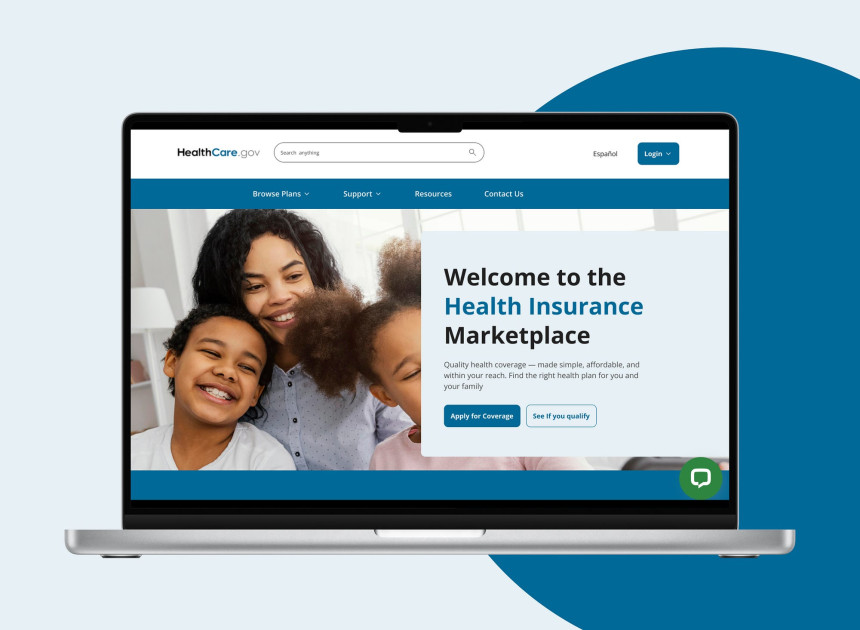
Democrats argue that allowing these subsidies to expire would devastate families who depend on affordable coverage and that Republicans will never agree to extensions once leverage disappears. They’re demanding permanent extensions now because they believe it’s the only opportunity to secure them.
Neither side is wrong about the policy stakes. Premiums will increase substantially if subsidies expire. Federal healthcare spending will increase substantially if subsidies become permanent without reforms. The disagreement is about which consequence is more acceptable.
But explaining complex healthcare policy to voters is harder than blaming the other party for shutting down the government – which is why both sides prefer to frame this as hostage-taking rather than legitimate policy disagreement.
What Happens Next and Why It Won’t Be Good
The Senate is expected to vote again on the Republican continuing resolution on Tuesday. That vote will almost certainly fail without Democratic support, which won’t materialize unless the bill includes healthcare provisions Republicans refuse to add.
At that point, the government shuts down at midnight on October 1. Federal agencies begin furlough procedures. National parks close gates. Americans who depend on government services start experiencing immediate disruptions.

Then comes the blame game phase, where both parties flood media outlets with talking points about whose fault this is and why the other side is destroying America by refusing to compromise. Polls will measure which party voters hold responsible. Political strategists will analyze whether the shutdown helps or hurts each side’s 2026 midterm prospects.
Eventually – days or weeks later – one side will buckle. Either Republicans will agree to include healthcare provisions to end the shutdown, or Democrats will vote for a clean CR and accept that ACA subsidies will be negotiated separately with no guarantee of success.
The federal workers who missed paychecks will get back pay. The contractors who lost income won’t. The small businesses that depend on federal operations or national park tourism will calculate their losses. And Americans will be reminded once again that their government operates through brinksmanship rather than functional governance.
Why This Shutdown Is Different From All the Others
Government shutdowns have become almost routine in American politics – predictable standoffs that happen every few years when neither party is willing to compromise under deadline pressure. They disrupt services, damage the economy, and accomplish nothing except demonstrating which side has more tolerance for public backlash.
This shutdown is different because the underlying dispute isn’t about spending levels or symbolic policy riders. It’s about whether healthcare subsidies that benefit millions of Americans get extended permanently or allowed to expire – and whether that decision gets made now or punted to future negotiations where one party has no leverage.
The stakes are real. The policy consequences are significant. And both sides have legitimate arguments about why their position protects American interests.
But the American people watching this standoff don’t see legitimate policy disagreement. They see politicians willing to shut down their government and disrupt their lives rather than find middle ground on complex healthcare policy that neither side can explain in a 30-second soundbite.
Vance is probably right that we’re headed into a shutdown. Schumer is probably right that Republicans will never extend ACA subsidies voluntarily. Jeffries is probably right that Americans will suffer when healthcare becomes less affordable. Thune is probably right that Democrats are using shutdown threats as leverage for unrelated policy demands.
Everyone is right about something, which is why nobody can agree on anything. And at midnight on October 1, the government stops functioning because “clean” funding bills and “bipartisan” negotiations mean completely different things depending on which side of the Capitol you’re standing on.
The meeting is over. The deadline is approaching. And Vice President Vance’s assessment remains the most accurate summary available: we’re headed into a shutdown because neither side will do what the other considers “the right thing.”