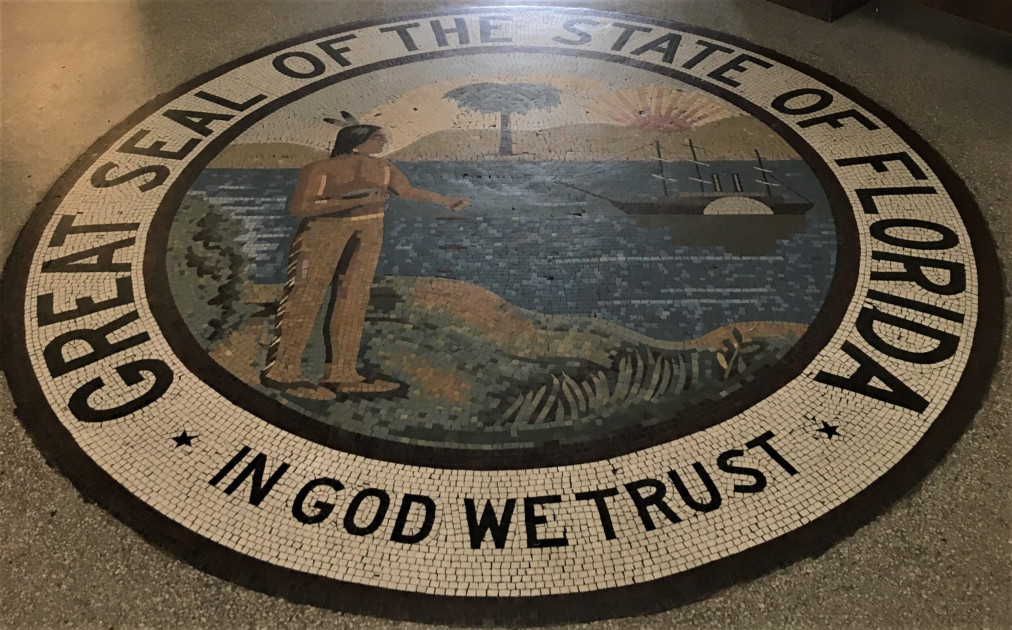
If offensive political speech is legal, can the state still yank a medical license?
The “Good Moral Character” requirement for professional licensing is undergoing a trial by fire in the Sunshine State. On Wednesday, the Florida Department of Health moved with extraordinary speed to strip a registered nurse of her right to practice following a viral video that many constitutional scholars describe as a total abandonment of the medical profession’s ethical foundation.
The Emergency Suspension Order
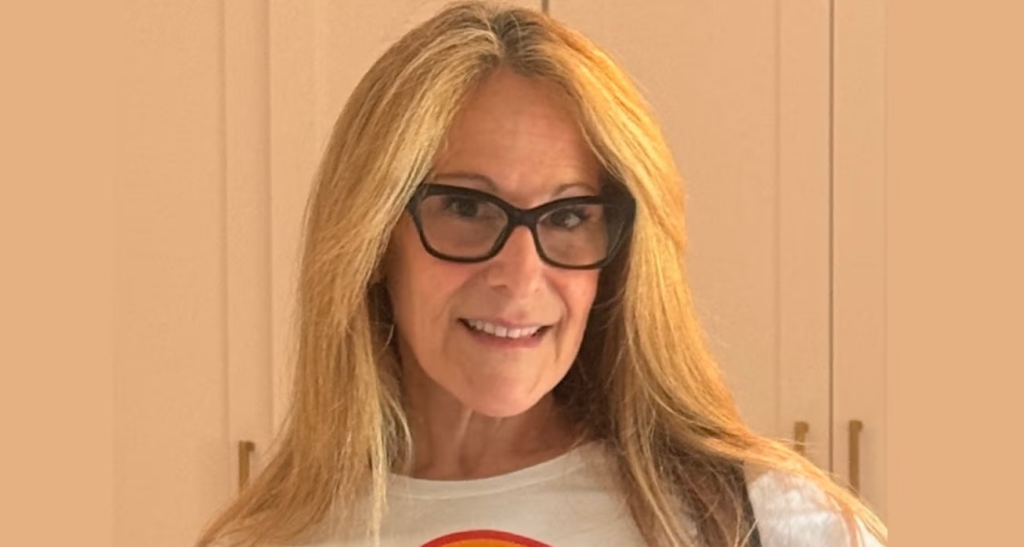
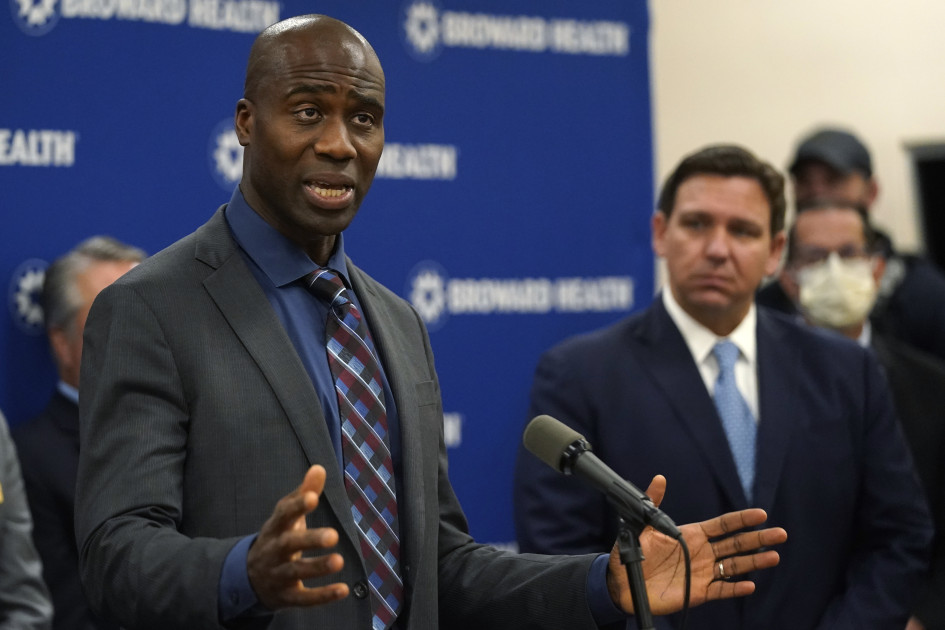
Florida State Surgeon General Dr. Joseph A. Ladapo has issued an emergency suspension of the nursing license belonging to Alexis “Lexie” Backer Lawler. The order, which takes effect immediately, effectively bars the former labor and delivery nurse from treating any patients within the state.
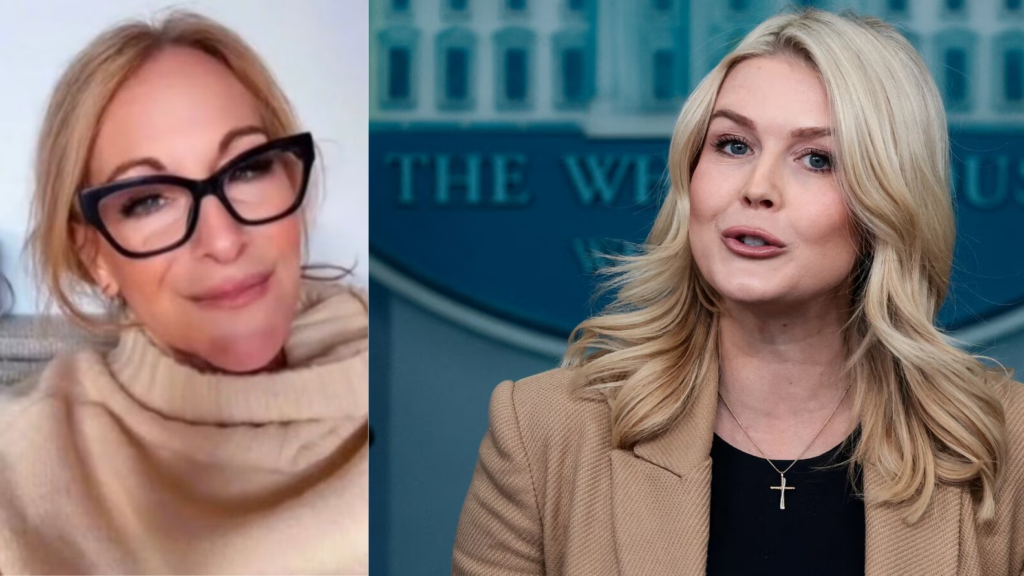
The move follows a period of intense public outcry after Lawler, a former employee of Baptist Health Boca Raton Regional Hospital, posted a vulgar video targeting White House Press Secretary Karoline Leavitt. In the recording, Lawler explicitly wished Leavitt a “fourth degree tear” during her upcoming childbirth – a severe and permanent injury – and utilized a series of graphic insults that even her supporters found difficult to defend.
Florida Attorney General James Uthmeier praised the decisive action, stating that wishing pain and suffering on a patient – particularly when those statements are directly related to the provider’s specific area of practice – crosses an “ethical red line.” The administration’s position is clear: the state has a compelling interest in ensuring that women in the delivery room do not have to fear a politically motivated provider.
The Fourth Degree Tear: A Medical Weaponization
To appreciate why this specific comment triggered an emergency suspension, one must understand the medical severity of the injury Lawler wished upon the Press Secretary. In the world of obstetrics, a fourth-degree laceration is the most severe form of birth trauma.
- First and Second Degree: Common tears involving the skin and muscle of the perineum.
- Third Degree: A tear that extends into the anal sphincter muscle.
- Fourth Degree: A total rupture that extends through the anal sphincter and into the rectal mucosa.
This injury often requires extensive surgical repair and can lead to lifelong complications, including chronic pain and fecal incontinence. By invoking her status as a “labor and delivery nurse” while wishing for this specific trauma, Lawler transformed her professional credentials into a weapon of intimidation. For the “James” persona, this is the crux of the constitutional matter: a professional license is a privilege granted by the state, contingent upon the provider’s commitment to the safety and dignity of all citizens.
How We Got Here: The “Good Moral Character” Clause
The legal authority to suspend a license for off-duty speech rests on the “Good Moral Character” and “Professional Standards” clauses found in almost every state’s nursing practice act. While the First Amendment protect a citizen’s right to be vulgar or politically radical, it does not guarantee the right to hold a state-sanctioned professional license.
- 1889: Dent v. West Virginia – The Supreme Court rules that states have the power to regulate the medical profession to protect the public from “unfitness.”
- 1954: Barsky v. Board of Regents – The Court holds that a state can revoke a physician’s license for conduct that “tends to lower the standard of the profession” in the eyes of the public.
- 2026: The Florida Standard – Attorney General Uthmeier argues that Lawler’s comments created a “credible threat” that she could not provide impartial, safe care to patients who hold differing political views.
This precedent establishes that the state’s duty to protect the public health can, in specific circumstances, outweigh an individual’s right to engage in professional speech that indicates a potential for harm. If a nurse expresses “joy” at the prospect of a patient’s physical mutilation, the state argues that the “trust” necessary for the provider-patient relationship has been irrevocably broken.

The “Right Side of History” Defense
In a follow-up video, Lawler attempted to justify her remarks by linking them to the ongoing civil unrest and federal law enforcement actions in Minnesota. She argued that the “murder” of a man in Minneapolis (referring to the Alex Pretti shooting) justified her use of “bad language,” and asserted that she was on the “right side” of the political struggle.
This defense highlights a growing and dangerous trend: the belief that “moral clarity” in a political cause excuses a total departure from professional neutrality. Lawler’s suggestion that her political convictions granted her a license to wish physical harm on an expectant mother is a direct challenge to the Equal Protection Clause.
The Constitution requires that the law – and by extension, state-licensed healthcare – be applied equally to all. If a nurse can decide who is “worthy” of a safe delivery based on their employer or their politics, the healthcare system effectively becomes a tool of political retribution.
The Corporate Response and Administrative Law
Baptist Health Boca Raton Regional Hospital acted swiftly to terminate Lawler’s employment, stating that her comments did not reflect the “values or the standards” of their institution. However, the state’s emergency suspension goes a step further, using administrative law to prevent her from simply moving to another hospital within the state.
An emergency suspension is a “summary” action, taken before a full hearing, because the State Surgeon General determined that Lawler’s continued practice posed an “immediate, serious danger to the public health.” * The Hearing: Lawler will eventually have the right to a formal administrative hearing to contest the suspension.
- The Burden of Proof: The state must prove that her speech was not merely “offensive” but was a direct indicator of her inability to practice nursing safely and ethically.
- The Potential Outcome: If the Florida Board of Nursing finds her in violation, her license could be permanently revoked, ending her career in the state.

A Warning for the Digital Age
The Lexie Lawler case, much like the investigation into the VCU nurse who advocated for “medical sabotage,” serves as a grim warning for the modern workforce. In a world where every thought can be broadcast to millions, the line between private dissent and professional misconduct is increasingly thin.
For the constitutional watchdog, the stakes are clear. If the state allows its licensed professionals to openly wish for the physical injury of citizens based on political animus, it essentially signs off on the politicization of medicine. The “James” perspective is that the 14th Amendment’s promise of due process and equal protection must extend into the delivery room.
“Women shouldn’t have to worry about a politically-driven nurse who wishes them pain and suffering being in the delivery room during childbirth,” Attorney General Uthmeier noted, summarizing the core duty of the state to protect the vulnerable.
The emergency suspension of Alexis Lawler is more than a punishment for a vulgar video; it is a restatement of the social contract between the healer and the healed. As Florida moves to protect expectant mothers from “politically-driven” care, it sets a national precedent for where the “ethical red line” must be drawn.