
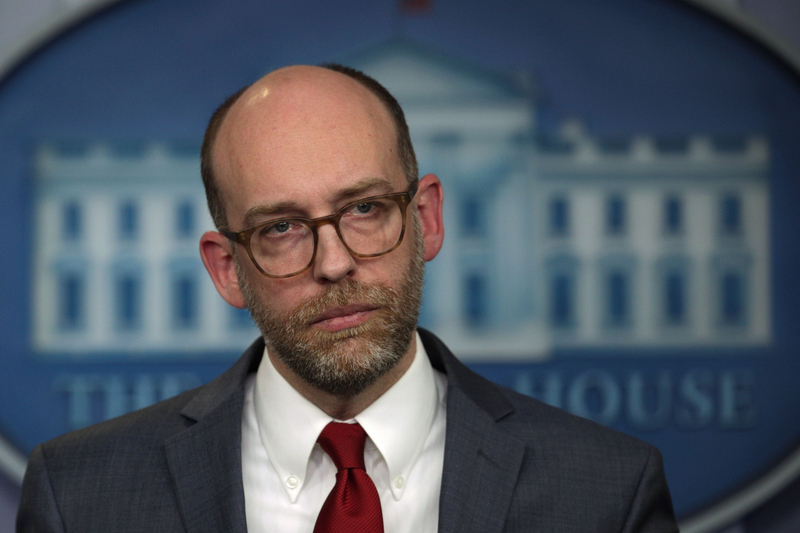
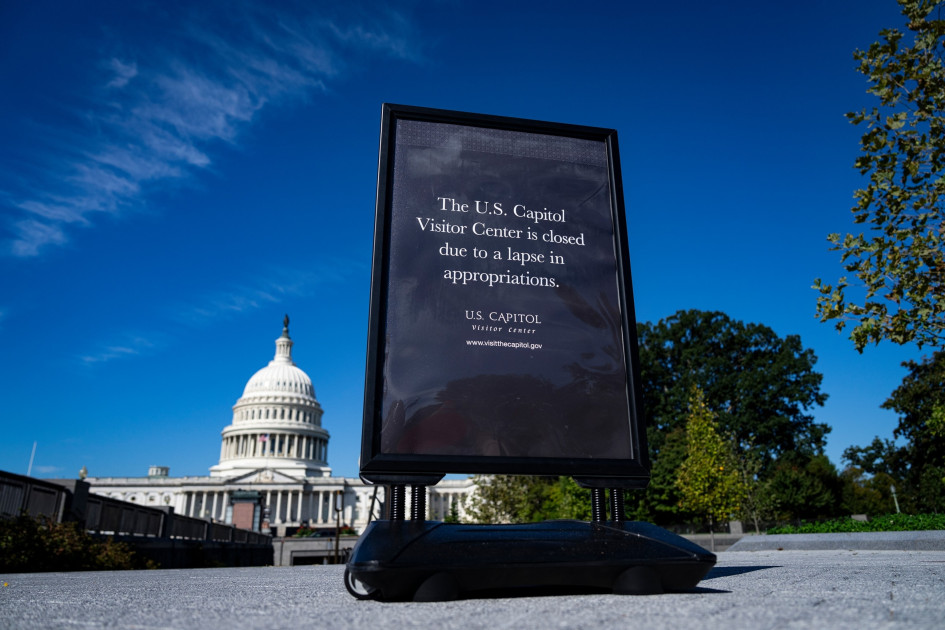
The government has been shut down for barely 24 hours, and already the Trump administration is preparing to do something that sounds routine but is actually constitutionally extraordinary: lay off federal workers. Office of Management and Budget Director Russ Vought told House Republicans Wednesday that reductions in force are “imminent” and “likely a day or two out.”
But here’s the question nobody’s asking in the political blame game: does the President actually have the authority to fire federal employees during a funding lapse that Congress created? The answer exposes a massive gap in how we understand the separation of powers.
At a Glance
- OMB Director Russ Vought told House Republicans that federal layoffs are “a day or two out” if the shutdown continues
- The administration says Democrats forced their hand by rejecting GOP funding plans twice in 24 hours
- Democrats demand extension of enhanced Obamacare subsidies before agreeing to any funding bill
- At stake: whether the executive branch can permanently reduce the federal workforce during a legislative funding dispute
- The Constitution gives Congress the power of the purse, but presidents have leveraged shutdowns to achieve policy goals
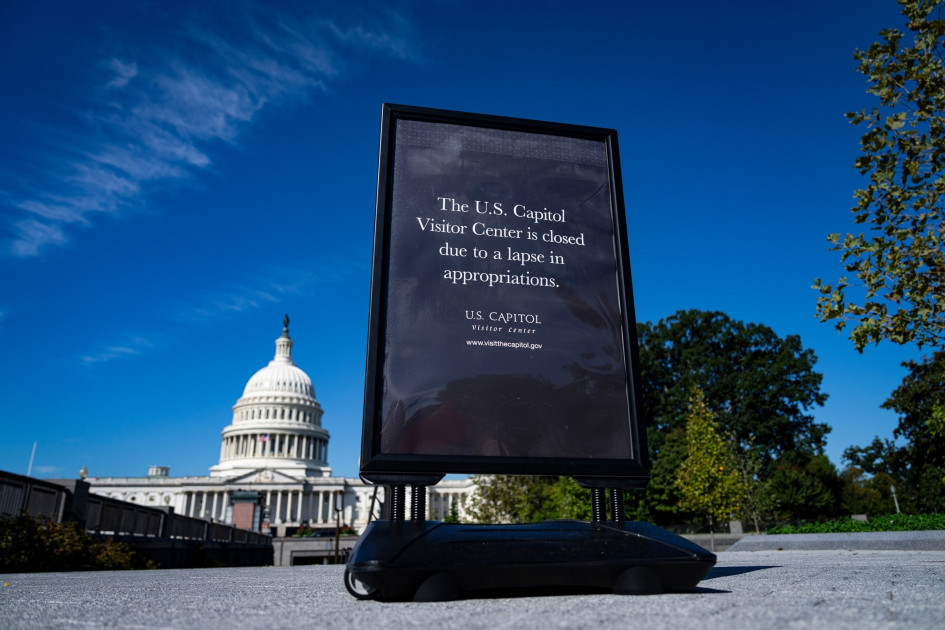
The Layoff Authority Nobody Talks About
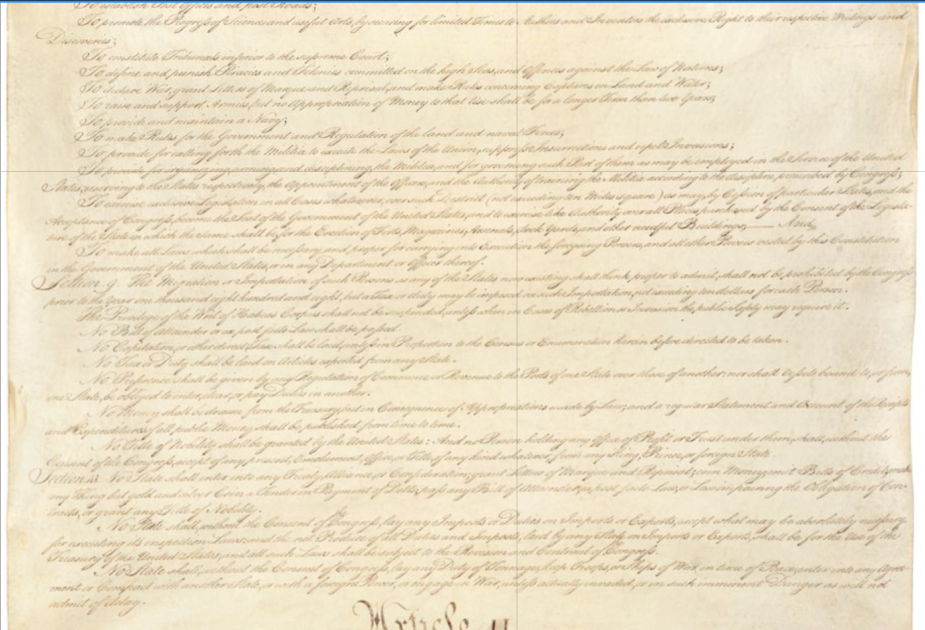
Here’s what makes this constitutionally fascinating: a government shutdown happens because Congress hasn’t appropriated money. The Constitution is crystal clear that “No Money shall be drawn from the Treasury, but in Consequence of Appropriations made by Law.” That’s Article I, Section 9 – a direct limit on executive power.
But when Congress fails to pass appropriations, the executive branch suddenly gains enormous discretionary authority over what continues and what doesn’t. The Antideficiency Act prohibits agencies from spending money that hasn’t been appropriated, which means most “non-essential” government functions must cease. Workers get furloughed, programs shut down, and agencies make decisions about what’s “essential” and what isn’t.
That’s normal shutdown procedure. What Vought is describing is something different: actual reductions in force, meaning permanent layoffs, not temporary furloughs. Those are two very different things constitutionally.
During a standard shutdown, furloughed workers typically get back pay once funding resumes. Congress has consistently voted to pay workers retroactively after shutdowns end. But if the Trump administration moves forward with permanent RIFs – eliminating positions entirely – those jobs don’t come back when funding resumes. The workforce is permanently reduced.
And here’s the constitutional wrinkle: if the President can use Congress’s failure to appropriate funds as justification for permanently shrinking the federal workforce, he’s essentially using the legislative branch’s constitutional power against itself.
“Democrats put Vought in a terrible situation in having to move forward with layoffs by rejecting the GOP’s spending plan.” – Speaker Mike Johnson
Who Actually Controls the Size of Government?
The Constitution gives Congress the power to create federal offices and appropriate money to fund them. When Congress creates an agency and funds positions, that’s Congress exercising its Article I powers. The President executes those laws through the executive branch, but he doesn’t have unilateral authority to simply eliminate positions Congress created and funded.
Except during a shutdown, apparently, when the normal rules get fuzzy.
Vought described the layoffs as decisions that “will be made by agency heads based on what roles are appropriate under current spending levels and under the Trump administration’s budget priorities.” That phrase – “the Trump administration’s budget priorities” – is doing a lot of constitutional heavy lifting.
The President proposes a budget, but Congress holds the power of the purse. When Congress disagrees with the President’s priorities and fails to appropriate funds, does that give the President authority to implement his priorities anyway through permanent workforce reductions? Or is that the President usurping legislative authority?
The answer depends on whether you view this as normal executive branch management during a crisis or as the President exploiting a legislative impasse to achieve policy goals Congress hasn’t approved.
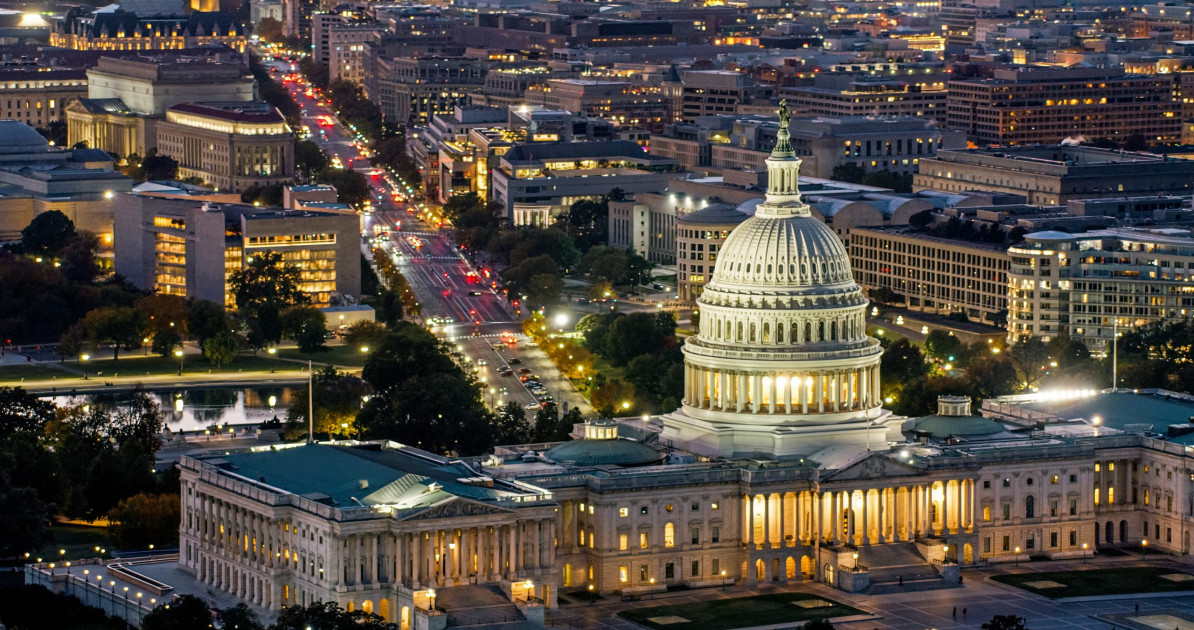
The Shutdown as a Constitutional Weapon
Here’s the uncomfortable truth: shutdowns have become a way for presidents to bypass normal congressional appropriations processes. When Congress can’t agree on funding, the executive branch doesn’t just pause operations – it makes policy decisions about what matters and what doesn’t, who’s essential and who’s expendable.
Those decisions are supposed to be based on legal requirements about protecting life and property. But in practice, they reflect executive branch priorities.
And if those “temporary” decisions about who’s essential become permanent through RIFs, the President has effectively rewritten the federal budget without congressional approval.
Democrats argue this is exactly what’s happening. They say Republicans are using the shutdown to achieve workforce reductions they couldn’t get through the normal appropriations process. The administration argues Democrats are forcing their hand by refusing to pass a clean continuing resolution.
Both sides are playing constitutional chicken with the power of the purse. Congress won’t appropriate funds unless the President agrees to their policy demands. The President won’t agree to those demands and is using his authority during the funding lapse to implement his own priorities instead. Neither side is technically violating the Constitution, but both are stretching their constitutional authority to the breaking point.

The Obamacare Subsidy Standoff
The immediate trigger for this shutdown is Democrats’ insistence on extending enhanced Affordable Care Act subsidies that are set to expire at the end of this year. Republicans passed a continuing resolution that would fund the government through November 21 at current levels, plus additional security funding for lawmakers, the White House, and the judiciary.
Democrats rejected it twice – once before the shutdown began at midnight Tuesday, and once after. They say they won’t accept any funding bill that doesn’t address healthcare subsidies that, if allowed to expire, could cause premiums to spike by up to 75 percent for millions of Americans.
Republicans argue that subsidies don’t expire until December 31, so there’s plenty of time to debate that issue separately. Democrats counter that waiting creates uncertainty for insurance enrollment and planning for 2026. Both arguments have merit, which is exactly why the Framers made appropriations require agreement between both chambers of Congress and the President.
But here’s the constitutional problem: when that system breaks down and nobody can agree, the vacuum gets filled by executive authority. And the President can use that authority to reshape government in ways Congress never approved.
The administration issued guidance earlier this month directing agencies to prepare RIF plans in case of a shutdown. That’s technically prudent planning – except it also signals that Trump views the shutdown as an opportunity, not just a crisis to resolve.
“Reductions in force were imminent and likely a day or two out.” – OMB Director Russ Vought
What the Founders Would Say
Madison would be horrified by the entire concept of government shutdowns. The Framers designed a system where the branches would check each other, but they assumed government would continue functioning during political disputes. They never imagined Congress and the President would be unable to perform the most basic function of government: keeping it funded.
Hamilton would probably argue this vindicates his warnings in Federalist 70 about the need for energy in the executive. When the legislative branch can’t act, someone has to make decisions. But even Hamilton believed in legislative supremacy over appropriations.
Jefferson would likely point out that if the federal government is so large that shutting it down for a few days requires laying off thousands of workers, maybe we’ve strayed pretty far from the limited government the Constitution envisions.
But none of them would recognize a system where the President and Congress routinely use funding lapses as leverage in policy disputes, with federal workers and government services as collateral damage.
The Precedent Problem
Every time a president uses a shutdown to achieve policy goals or reshape the federal workforce, it becomes easier for future presidents to do the same. If Trump can use this shutdown to implement RIFs that permanently shrink agencies, future presidents will do it too.
That fundamentally changes the balance of power. Congress’s authority over appropriations is supposed to be its strongest check on executive power. But if presidents can turn funding lapses into opportunities to implement their priorities anyway, that check becomes meaningless.
Democrats controlled both chambers and the White House just a few years ago. They could have extended the Obamacare subsidies permanently then. They chose not to, calculating it would be easier to get extensions when needed. Now they’re using the threat of shutdown to force Republicans to agree.
Republicans control both chambers and the White House now. They could negotiate an agreement on subsidies. They’re choosing not to, calculating they can blame Democrats for the shutdown and use the crisis to reduce the federal workforce.
Both sides are playing constitutional brinkmanship, and the Constitution doesn’t clearly say who wins.
The Real Constitutional Question
Here’s what this shutdown really tests: In our system of separated powers, what happens when the branches can’t agree on something the Constitution requires them to agree on? Does deadlock favor the President, who can act unilaterally during the crisis? Or does it favor Congress, whose refusal to appropriate funds is technically a valid exercise of its constitutional authority?
The Framers never provided an answer because they never imagined the question. They assumed political pressure would force compromise before government stopped functioning. They were wrong.
What they did create was a system where both branches have strong constitutional claims but neither has absolute authority. Congress controls appropriations, but the President controls execution. When Congress doesn’t appropriate and the President can’t execute, we enter constitutional no-man’s-land.
The layoffs Vought is threatening might be legal under civil service laws and executive branch authorities. They might even be necessary if the shutdown persists. But they’re happening because our constitutional system for funding government has completely broken down.
And that breakdown isn’t just a political failure. It’s a structural failure that reveals how much our modern government depends on norms and cooperation that the Constitution assumed but didn’t require. When those norms collapse, the Constitution doesn’t provide clear answers about who gets to make decisions – it just guarantees that everyone will claim constitutional authority for whatever they do.
The Bottom Line on Power
As federal workers wait to learn if they’ll have jobs in a day or two, the constitutional reality is this: shutdowns give presidents enormous discretionary authority that the Framers never intended them to have. But they also give Congress leverage through its power of the purse that can bring government to a halt.
Neither side has clean constitutional hands here. And neither side can achieve its goals without the other’s cooperation. That’s the separation of powers working exactly as designed – making it hard for anyone to govern unilaterally.
The question is whether permanent layoffs during a funding dispute cross the line from legitimate executive authority into usurpation of congressional power. We’re about to find out, because a day or two isn’t much time for the courts to weigh in.
In a system designed for cooperation, confrontation reveals all the Constitution’s gaps.