
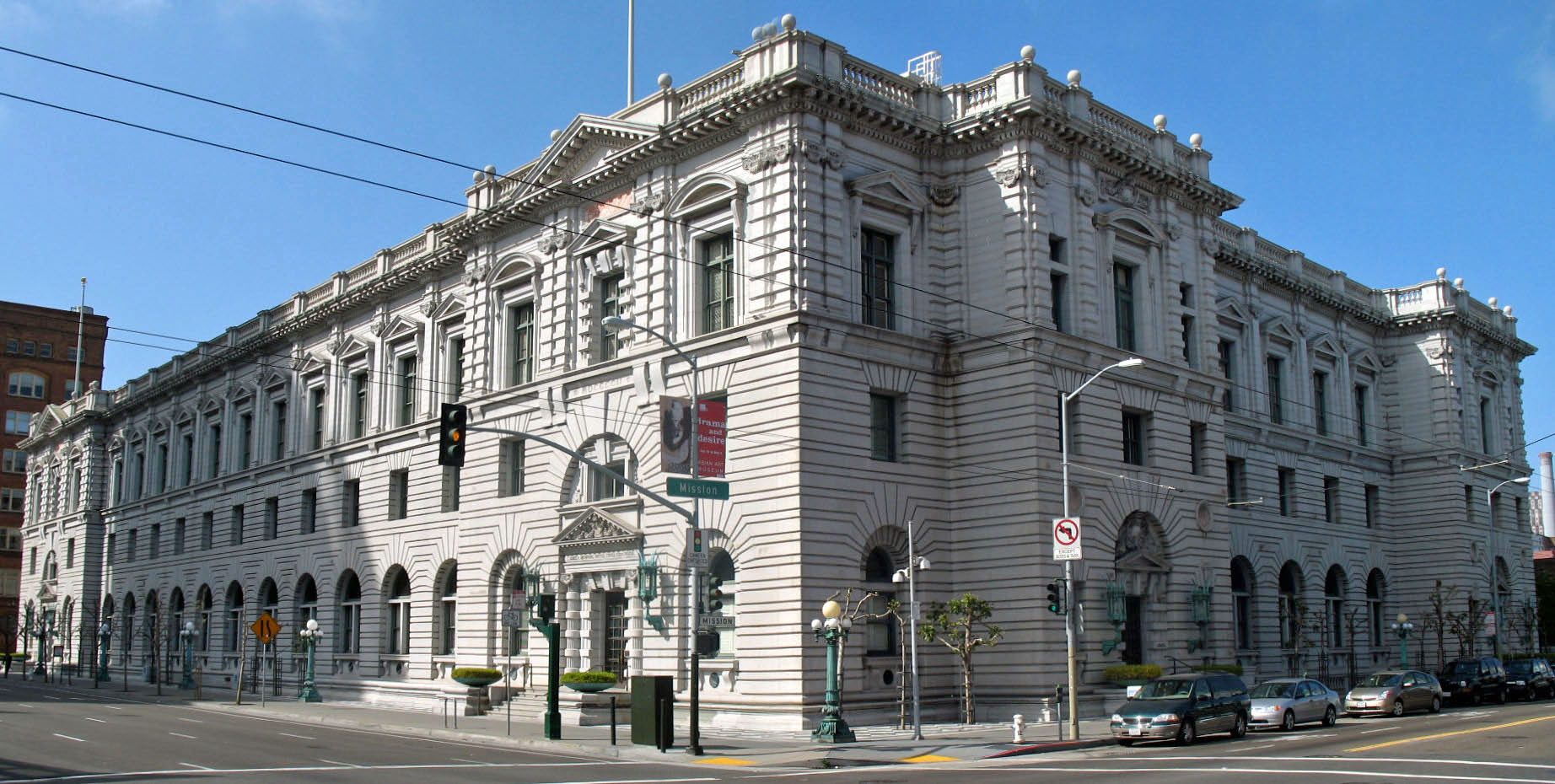
Just weeks after the Supreme Court seemed to clear a path for President Trump’s plan to end automatic birthright citizenship, a powerful federal appeals court has thrown up a formidable new roadblock.
In a direct challenge to both the White House and the Supreme Court itself, the 9th U.S. Circuit Court of Appeals has not only declared the President’s executive order “unconstitutional” but has also controversially upheld a nationwide ban on its enforcement.
The decision ignites a new phase in the legal war over the 14th Amendment and guarantees another high-stakes showdown at the Supreme Court.
‘Unconstitutional’ and Blocked Nationwide
In a 2-1 decision, a three-judge panel of the 9th Circuit affirmed a lower court ruling that had frozen President Trump’s executive order. The order seeks to deny citizenship to children born in the U.S. to parents who are not citizens or lawful permanent residents.
Writing for the majority, the judges were unequivocal: “The district court correctly concluded that the Executive Order’s proposed interpretation, denying citizenship to many persons born in the United States, is unconstitutional. We fully agree.”
But the panel went a crucial step further. It upheld the nationwide scope of the injunction, a move that appears to fly in the face of the Supreme Court’s recent decision to sharply limit such broad orders. The judges reasoned that a nationwide ban was necessary in this unique case to provide “complete relief” to the states that had sued, arguing that a state-by-state patchwork of citizenship rules would create unmanageable chaos.
A Direct Challenge to the Supreme Court
This ruling is a bold test of the Supreme Court’s new limits on judicial power. Last month, the high court declared that a single federal judge could no longer issue a “universal injunction” to block a policy across the entire country.
The 9th Circuit panel, however, found what it believes is an exception left open by the justices. They argued that because the states themselves were the plaintiffs, and because the issue of citizenship is inherently national, a nationwide order was the only logical remedy.
“This is a direct legal volley from a lower court back at the Supreme Court, essentially arguing that in a case this fundamental, a nationwide solution is the only one that makes sense.”
This decision now creates a direct conflict between a major appellate court and the Supreme Court’s latest directive, making it almost certain the high court will have to weigh in again.
The Dissent: A Question of ‘Standing’
The ruling was not unanimous. Judge Patrick Bumatay, a Trump appointee, wrote a sharp dissent. He did not address the constitutionality of the birthright citizenship order itself. Instead, he focused on a fundamental procedural question: legal standing.
In simple terms, “standing” is the right to bring a lawsuit. To have standing, a party must prove they have suffered a direct and concrete injury.
“The dissenting opinion argues the court shouldn’t even be debating the Constitution because the states, in his view, have no legal right to bring the lawsuit in the first place.”
Judge Bumatay argued that the states suing the administration had not proven a concrete injury and therefore lacked the standing to challenge the federal executive order. If his view were to prevail, the entire case would be thrown out before a court could ever rule on the core constitutional question.
The Enduring Fight Over the 14th Amendment
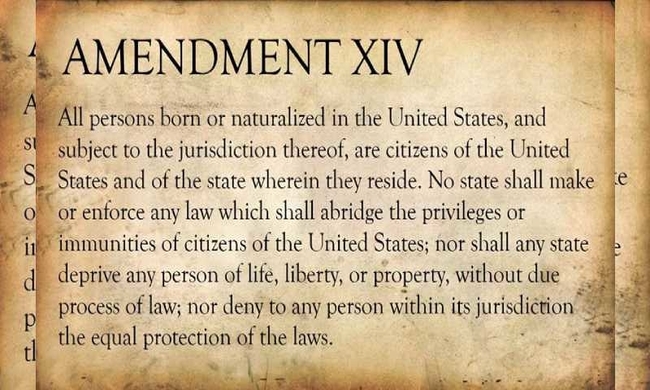
This procedural drama is playing out on top of one of the most significant constitutional debates in American history – the meaning of the 14th Amendment’s Citizenship Clause.
For over 150 years, the clause – which grants citizenship to all persons “born or naturalized in the United States, and subject to the jurisdiction thereof” – has been interpreted to guarantee citizenship to anyone born on U.S. soil.
The Trump administration is attempting to radically reinterpret that language to exclude the children of non-citizens. The 9th Circuit has now joined a chorus of lower courts in rejecting that interpretation as unconstitutional.
All Roads Lead Back to Washington
The 9th Circuit’s ruling, while a major victory for opponents of the President’s policy, is not the final word. It is an explosive development that makes a final showdown at the Supreme Court all but inevitable.
The Trump administration will certainly appeal. The high court will then be asked to rule not only on the explosive, substantive issue of birthright citizenship itself, but also on the procedural question of whether a powerful appeals court has the authority to openly test its new instructions on judicial power.
The legal and constitutional endgame for one of America’s most foundational principles is now one step closer.