
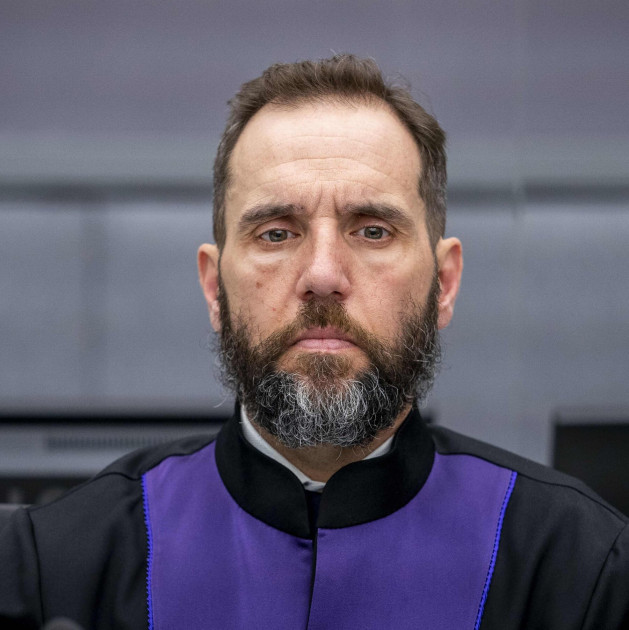
FBI Director Kash Patel just opened a file the Bureau didn’t want anyone to see. Inside: proof that Special Counsel Jack Smith’s team tracked the private phone records of eight Republican senators and one House member – without those lawmakers ever knowing they were targets.
The operation had a name. “Arctic Frost.”
What Makes This Different From Normal Surveillance
The FBI obtained what’s called “tolling data” – records showing when calls were made, to whom, their duration, and the general location of both parties. They couldn’t hear what was said, but they could map the entire communication web of sitting members of Congress during the most politically charged four days in recent memory: January 4-7, 2021.
The document authorizing this surveillance was buried in something called a “Prohibited Access file” – a system the FBI uses to keep certain records hidden from most of its own agents.
Why hide it? That’s the question now echoing through Capitol Hill.
The Senators Who Were Watched
Nine lawmakers had their movements and communications mapped during those critical days around January 6th:
Senators Lindsey Graham (South Carolina), Bill Hagerty (Tennessee), Josh Hawley (Missouri), Dan Sullivan (Alaska), Tommy Tuberville (Alabama), Ron Johnson (Wisconsin), Cynthia Lummis (Wyoming), and Marsha Blackburn (Tennessee). Plus Representative Mike Kelly of Pennsylvania.
What connects them? Each was involved in debates or challenges related to the 2020 election certification. Each raised constitutional questions about the electoral process. Each was, in effect, doing what senators have done in previous elections – asking hard questions about procedure and legitimacy.
When Oversight Becomes Overreach
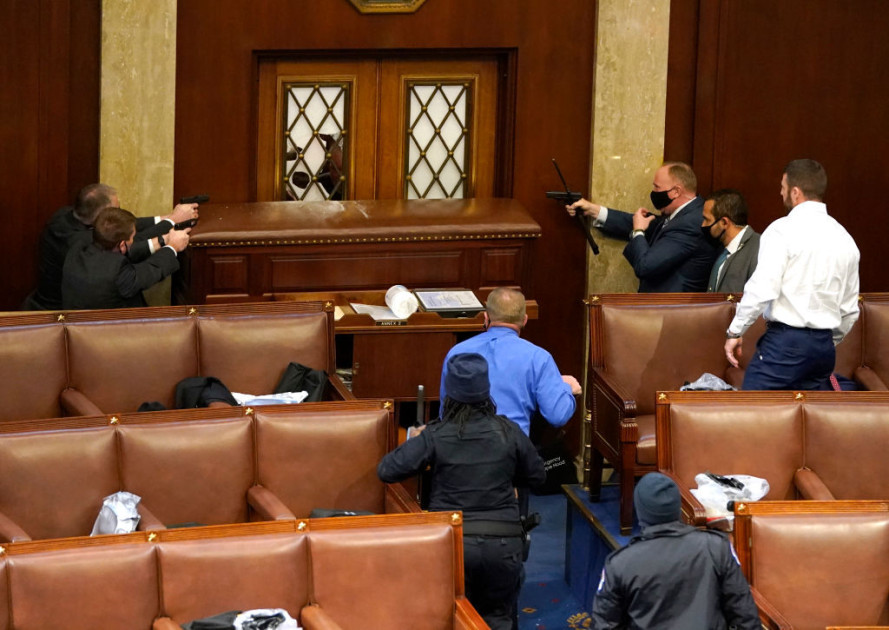
Here’s where the constitutional tension gets thick. The Speech or Debate Clause exists precisely to prevent this kind of executive branch monitoring of legislative branch activities. It’s not a technicality – it’s a structural beam holding up the separation of powers.
This is the absolute essence of legislative independence: lawmakers must be free to debate, challenge, and vote without fear of executive surveillance or retaliation.
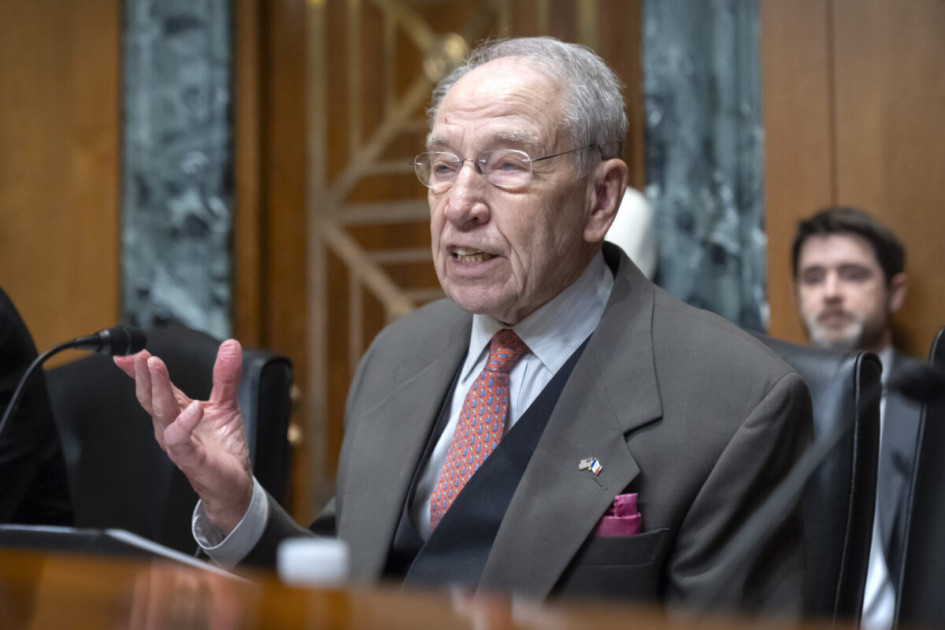
Chairman Chuck Grassley put it bluntly: “Based on the evidence to-date, Arctic Frost and related weaponization by federal law enforcement under Biden was arguably worse than Watergate.”
That’s not campaign rhetoric. That’s the head of Senate Judiciary comparing this to the gold standard of political surveillance abuse.
The Scope Keeps Growing
Arctic Frost didn’t stop with senators. Records show the FBI placed 92 Republican-linked individuals and organizations – including Charlie Kirk’s Turning Point USA – under the investigation’s scope. They obtained the government cell phones of President Trump and Vice President Pence. Biden White House officials personally assisted the FBI in securing those devices
This wasn’t a narrow criminal probe. It was a dragnet.
The Whistleblower Problem For The FBI
None of this would be public without FBI whistleblowers who came to Grassley starting in July 2022 Think about that timing – this investigation was already underway, already sweeping up congressional communications, and the Bureau had every intention of keeping it quiet.
The whistleblowers saw something that troubled them enough to risk their careers. Grassley credited them explicitly: “My whistleblowers deserve great thanks for what they’ve helped expose. None of this would have been known without them.”
That should worry everyone, regardless of party. When internal safeguards depend entirely on individual conscience rather than institutional checks, the system has already failed.
What Comes Next
Grassley is demanding Attorney General Pam Bondi and FBI Director Patel “hold accountable those involved in this serious wrongdoing.” But accountability for what, exactly? The FBI obtained the records through grand jury process – technically lawful under normal circumstances.
The question isn’t whether they could. It’s whether they should have.
Investigating alleged election fraud is legitimate law enforcement work. But when that investigation starts pulling the phone records of senators who were publicly doing their legislative jobs – debating certification, raising procedural objections, asking constitutional questions – you’ve crossed from criminal investigation into political monitoring.
The Historical Echo
There’s a reason Grassley invoked Watergate. The Nixon administration’s enemies list, the use of federal agencies to target political opponents, the surveillance of those who challenged executive power – we’ve seen this movie before. We wrote laws specifically to prevent the sequel.
Arctic Frost was opened in April 2022 by former FBI agent Timothy Thibault, then assigned to Jack Smith in November 2022 when he became Special Counsel. By that point, the January 6 committee was already in full swing. The public debate was settled. Everyone knew where everyone stood.
So what were they still looking for in senators’ phone records a full year later?
Why This Matters Beyond Politics
Strip away the partisan framing and you’re left with a structural question: Can the executive branch monitor the legislative branch’s communications while investigating conduct that occurred during legislative debate and voting?
If the answer is yes, then Speech or Debate means nothing. Every controversial vote, every contentious hearing, every challenge to executive authority becomes a potential trigger for surveillance. Lawmakers start measuring their words not against constitutional duty, but against prosecutorial interpretation.
That’s not how republics stay healthy. That’s how legislative branches become timid and executive branches become dominant.
The information is out now. The senators know they were tracked. The public knows Arctic Frost was far broader than initially disclosed. What remains uncertain is whether anyone faces consequences for turning federal law enforcement tools toward the internal workings of Congress itself.
Grassley called it an “unconstitutional breach.” Time will tell if anyone agrees with enough authority to matter.