
The high-profile murder prosecution of Nick Reiner took a sudden constitutional turn in Los Angeles Superior Court on Wednesday, as his renowned defense attorney withdrew from the case under mysterious ethical circumstances.
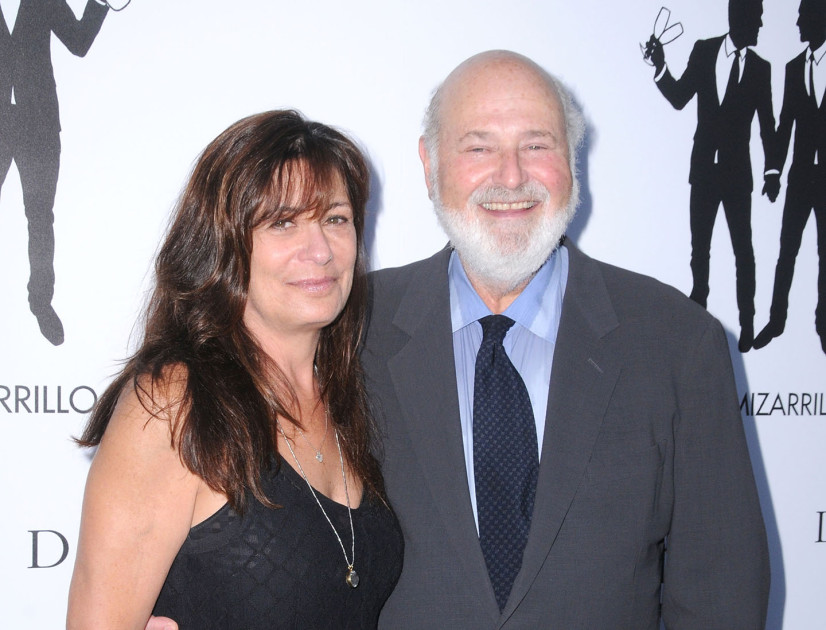
Nick Reiner, 32, accused of the double homicide of his parents, filmmaker Rob Reiner and photographer Michele Singer Reiner, appeared in court only to see his private counsel, Alan Jackson, step down. The move triggers a shift to a taxpayer-funded defense, raising critical questions about the Sixth Amendment right to effective counsel in capital cases.

At a Glance: The Right to Counsel Shake-Up
- The Withdrawal: Defense attorney Alan Jackson formally withdrew, citing “circumstances beyond our control” that made continued representation “legally and ethically prohibited.”
- The Constitutional Right: Reiner’s defense has been transferred to the Public Defender’s Office, fulfilling the Sixth Amendment guarantee that indigent or unrepresented defendants be provided legal counsel.
- The Charges: Two counts of first-degree murder with special circumstances (multiple murders), making Reiner eligible for the death penalty under California law.
- The Paradox: Despite withdrawing, Jackson publicly declared Reiner “not guilty,” creating a rare scenario where a departing lawyer vouchs for the innocence of a client he can no longer defend.
- The Prosecution: District Attorney Nathan Hochman pledged to ensure full discovery is provided to the new public defender, adhering to Due Process requirements for a fair trial.
‘Ethically Prohibited’ and the Sixth Amendment
The withdrawal of a retained attorney in a capital murder case is a significant procedural event. Under the Sixth Amendment, a defendant has the right to counsel of their choice, but that right is not absolute if an actual conflict of interest or ethical breach arises.
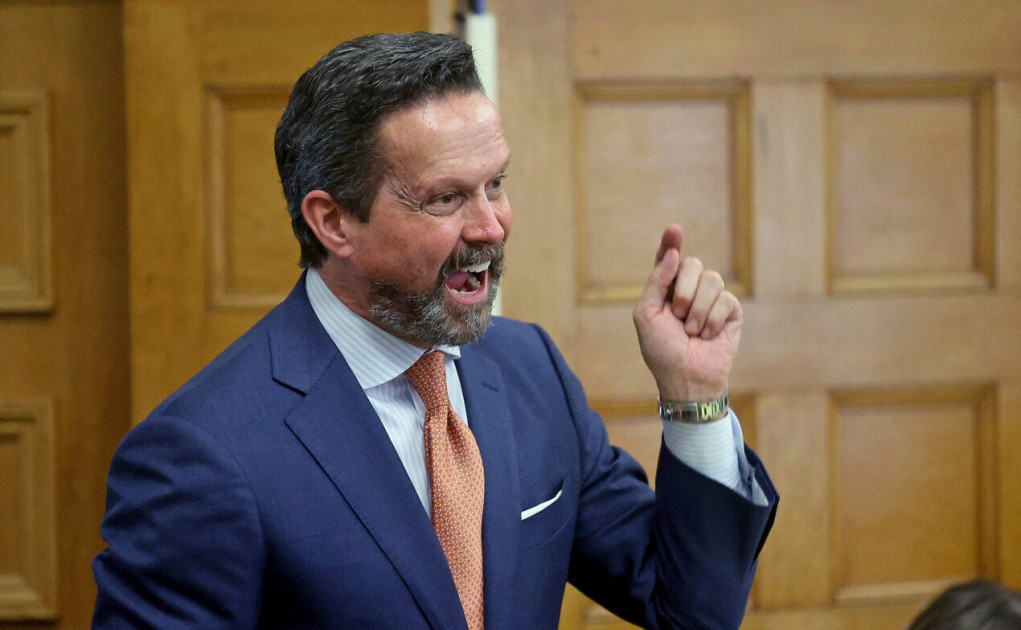
Alan Jackson, known for his high-profile defense work, told the court he was “ethically prohibited” from explaining the specific reasons for his departure.
“Circumstances beyond our control, but more importantly, circumstances beyond Nick’s control have dictated that… Sadly, it’s made it impossible for us to continue our representation of Nick.” — Alan Jackson
Legal experts suggest such language often points to conflicts of interest or issues regarding the payment of legal fees, though Jackson’s insistence on Reiner’s innocence adds a layer of complexity.
Due Process and the Public Defender
With Jackson out, the court appointed Deputy Public Defender Kimberly Greene to represent Reiner. This transition highlights the Due Process Clause of the Fourteenth Amendment, which ensures that defendants—regardless of wealth or status—receive a competent defense.
DA Nathan Hochman emphasized the state’s obligation to provide “full discovery” to the new defense team.
“The DA’s office will make sure that lawyer is provided with full discovery of all the facts… whether it’s interviews, whether it’s any type of video… we’ll make sure that that lawyer gets the facts necessary to effectively represent their client.” — DA Nathan Hochman
Life, Death, and Special Circumstances
The stakes for Reiner could not be higher. He is charged with two counts of first-degree murder with special circumstance allegations of multiple murders and use of a deadly weapon.
Under California penal code, these enhancements make him eligible for the death penalty or life in prison without the possibility of parole. While Governor Gavin Newsom placed a moratorium on executions in 2019, the death penalty remains legal in California, leaving the decision to seek it in the hands of the District Attorney.
Solitary Confinement and Mental Competency
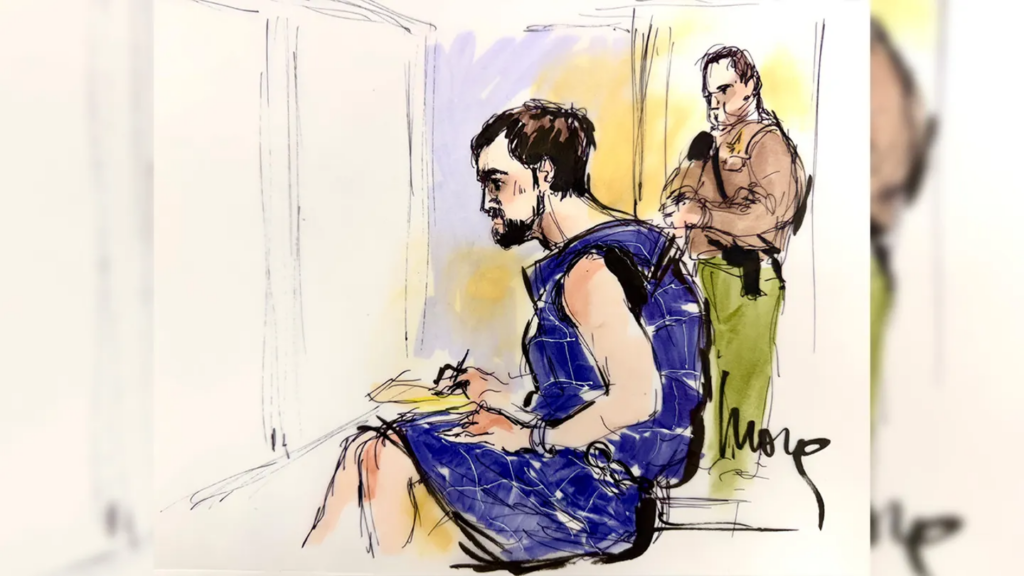
Reiner appeared in court wearing a tan jumpsuit, having been moved from suicide watch to solitary confinement for his safety. This detention status raises potential Eighth Amendment concerns regarding “cruel and unusual punishment,” though solitary confinement is standard for high-profile defendants in capital cases.
As the case moves toward a new arraignment date on February 23, the focus will likely shift to Reiner’s mental state. Competency hearings are common in parricide cases and could determine whether he is fit to stand trial at all.
For now, the son of Hollywood royalty sits in a cell at the Twin Towers Correctional Facility, awaiting a new legal team to fight for his life.