
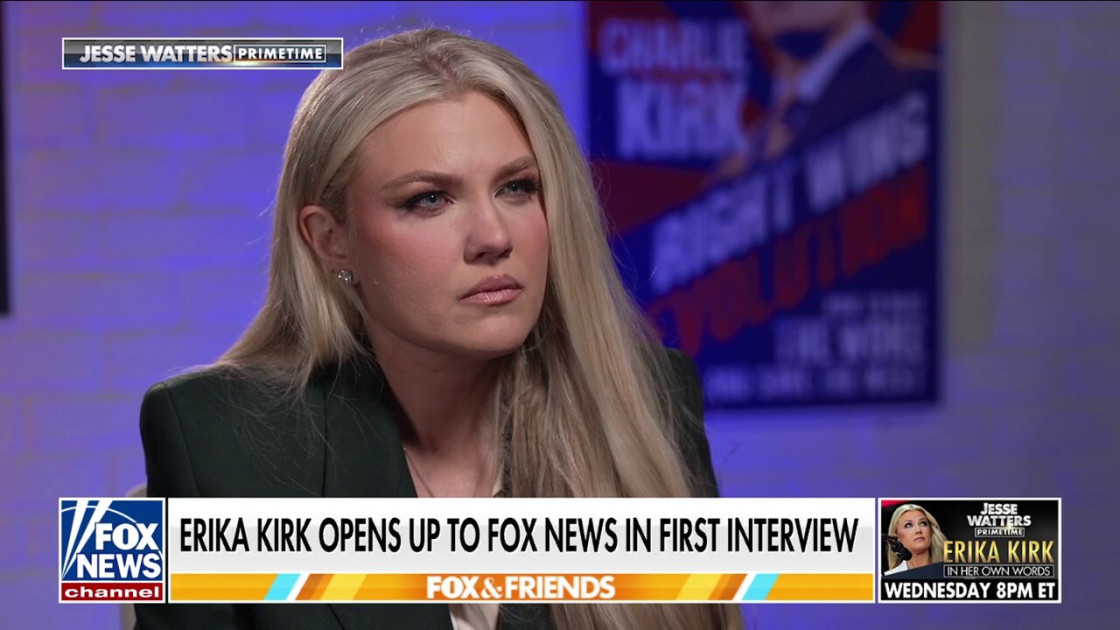
In the digital age, grief is not private. It is content. Erika Kirk, the widow of the assassinated conservative activist Charlie Kirk, has been forced to confront this reality head-on. In an emotional interview, she pushed back against a wave of “evil” online conspiracy theories that have targeted her family and her husband’s organization, describing the spread of misinformation as a “mind virus.”
This is not just a personal tragedy being played out in public. It is a stark symptom of a deeper civic illness. When a grieving widow must plead for the sanctity of her husband’s grave against “secular revolutionaries” and internet sleuths, it reveals a profound breakdown in our shared reality and a dangerous erosion of the civic trust that holds our republic together.
The “Mind Virus” of Misinformation
The assassination of a political figure inevitably breeds rumors. But Erika Kirk describes something far more corrosive: a relentless, monetized ecosystem of conspiracy that has turned her family’s tragedy into entertainment.
“When you go out for the people that I love, and you’re making hundreds and thousands of dollars every single episode going after the people that I love, because somehow they’re in on this? No,” Kirk said.
She describes a “mind virus” where nothing is as it seems, and even the victim’s own organization is accused of complicity. This is the dark side of the First Amendment in the digital era. The right to speak is being used to destroy the reputation and peace of mind of the victims of violence, all for clicks and revenue.
A Threat to the “Domestic Tranquility”
This brings us to a core constitutional purpose. The Preamble lists “insure domestic Tranquility” as a primary goal of our government.
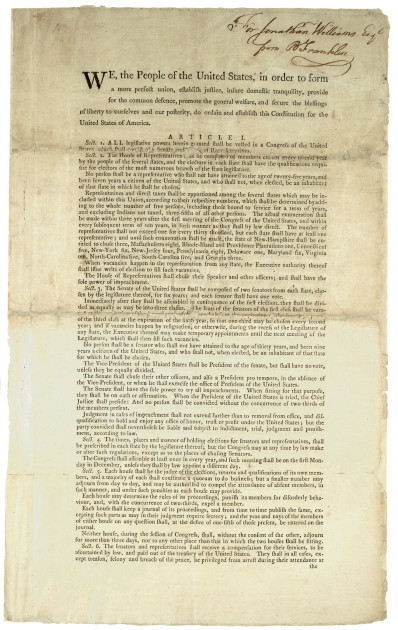
The spread of baseless conspiracies – accusing grieving families of being crisis actors or complicit in their loved one’s murder – is a direct assault on that tranquility. It creates a chaotic environment where truth is impossible to discern and where empathy is replaced by suspicion.
Kirk revealed that her team is facing “death threats” and “kidnapping threats” fueled by these online narratives. This is the real-world violence that flows from digital falsehoods. It is a reminder that while the First Amendment protects even vile speech, the culture of a free society depends on citizens exercising that right with a basic level of responsibility and humanity.
Can the Law Keep Up?
Erika Kirk’s plea – “Can I have one thing?” – is a question our legal system struggles to answer. Current defamation laws, constrained by the high bar of New York Times v. Sullivan, make it incredibly difficult for public figures to sue for the spread of conspiracy theories.

This leaves victims like Kirk with little recourse but to make public appeals to decency. Her “righteous anger” is a powerful rebuke to a culture that has monetized cruelty. It forces us to ask whether our 18th-century constitutional guardrails are sufficient to protect citizens from a 21st-century information ecosystem that rewards the most sensational and destructive lies.