
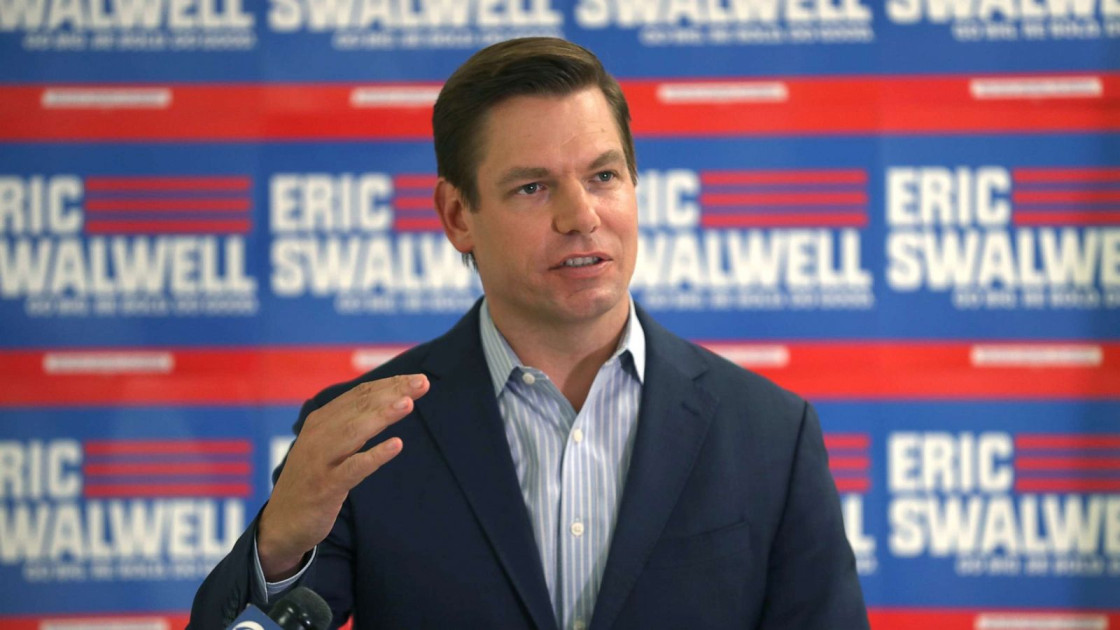
California Representative Eric Swalwell, now running for Governor, has ignited a firestorm by promising to use state police powers to arrest federal immigration agents, threatening to charge them with “kidnapping” for enforcing U.S. immigration laws.
In a recent interview, the East Bay Democrat outlined a strategy of direct confrontation with the Trump administration that goes far beyond sanctuary city policies, proposing the weaponization of state criminal codes against federal law enforcement officers. Critics warn the plan violates the Supremacy Clause of the Constitution and borders on sedition.
At a Glance: The Swalwell Doctrine
- The Threat: Swalwell vowed that if elected governor, he would charge ICE agents with “kidnapping,” “assault,” and “false imprisonment” if they detain immigrants in California.
- The Tactics: Beyond arrests, he proposed revoking the driver’s licenses of federal agents operating in the state to hamper their mobility.
- The Justification: Swalwell claims this is necessary to protect “the most vulnerable” and ensure agents “take off their masks” and show identification.
- The Criticism: Legal experts and political opponents argue this is a flagrant violation of the Supremacy Clause, which prohibits states from interfering with federal officers executing their duties.
- The Context: Swalwell is attempting to distinguish himself in a crowded field for the governorship, leaning into extreme resistance against President Trump’s deportation agenda.
‘Charged with Crimes’
Swalwell’s comments, made to The Post Millennial, represent a dramatic escalation in the state-federal conflict over immigration. While California has long restricted cooperation with ICE, no governor has ever attempted to criminally prosecute federal agents for doing their jobs.
“If the president is going to send ICE agents to chase immigrants through the fields where they work… if they commit crimes, they’re going to be charged with crimes. If it’s falsely imprisoning people, if it’s kidnapping, if it’s assault, battery, they’re going to be held accountable.” — Rep. Eric Swalwell
Swalwell framed the move as an exercise of his “immense powers as governor,” portraying federal immigration enforcement as illegitimate violence against workers.
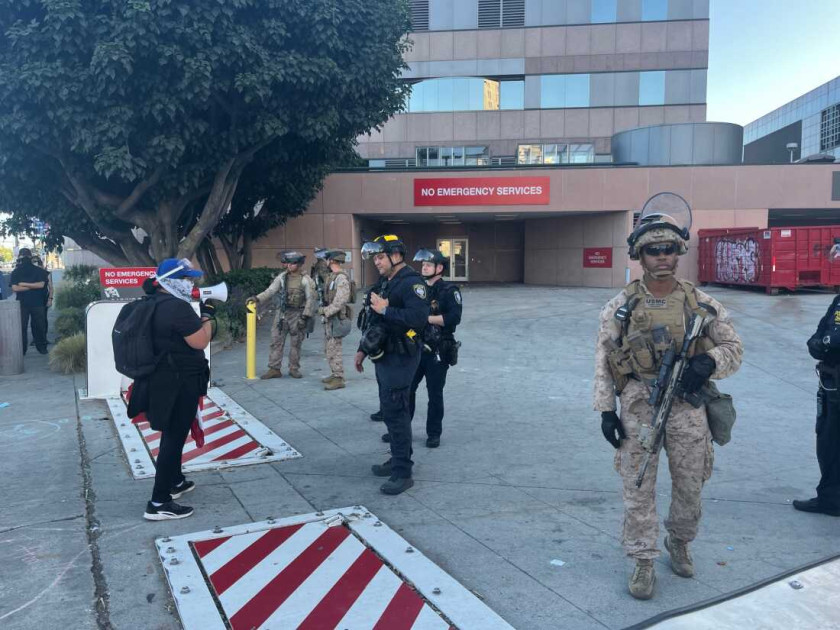
A Constitutional Collision Course
Legal scholars argue Swalwell’s proposal is legally impossible under the U.S. Constitution. The Supremacy Clause (Article VI, Clause 2) generally immunizes federal officers from state prosecution for acts performed within the scope of their federal duties.
Critics accuse Swalwell of disregarding the rule of law to pander to the far-left base. By categorizing lawful federal arrests as “kidnapping,” he is effectively declaring federal law null and void within California’s borders—a stance that could trigger a massive constitutional crisis and likely immediate federal lawsuits.
The Credibility Gap
The aggressive stance has drawn sharp ridicule from conservative circles, who point to Swalwell’s past controversies as evidence of poor judgment.
The source report highlights Swalwell’s past association with Christine Fang (Fang Fang), a suspected Chinese spy who helped fundraise for his 2014 re-election campaign. Critics argue that a politician compromised by a foreign intelligence operation has no business lecturing federal law enforcement on national security or the rule of law.
“A man who couldn’t see through a CCP honeypot now wants to run the fifth-largest economy in the world… This is a breathtaking assault on law and order.”

Protecting Workers or Criminals?
While Swalwell paints a picture of innocent farmworkers being hunted, opponents point to the reality of ICE operations. A recent raid on an illegal marijuana farm in California resulted in the arrest of 361 illegal immigrants, including convicted sex offenders and violent felons.
By threatening to arrest the agents who detain such individuals, critics argue Swalwell’s policy would effectively provide state protection to violent criminals, shielding rapists and child molesters under the guise of “protecting the vulnerable.”