
A U.S. Senator’s voice cracked with frustration in a packed hearing room. “What are you afraid of?” he implored the chairman, before declaring, “This is wrong, sir,” and leading his colleagues in a stunning walkout.
This was the scene at the Senate Judiciary Committee on Thursday as Republicans forced through one of President Trump’s most controversial judicial nominees.
The explosive confrontation is about more than just one judge. It’s a battle over the rules of the Senate, the integrity of the federal courts, and the very meaning of the Constitution’s command that the Senate provide its “Advice and Consent.”
A Nomination That Ignited a Firestorm
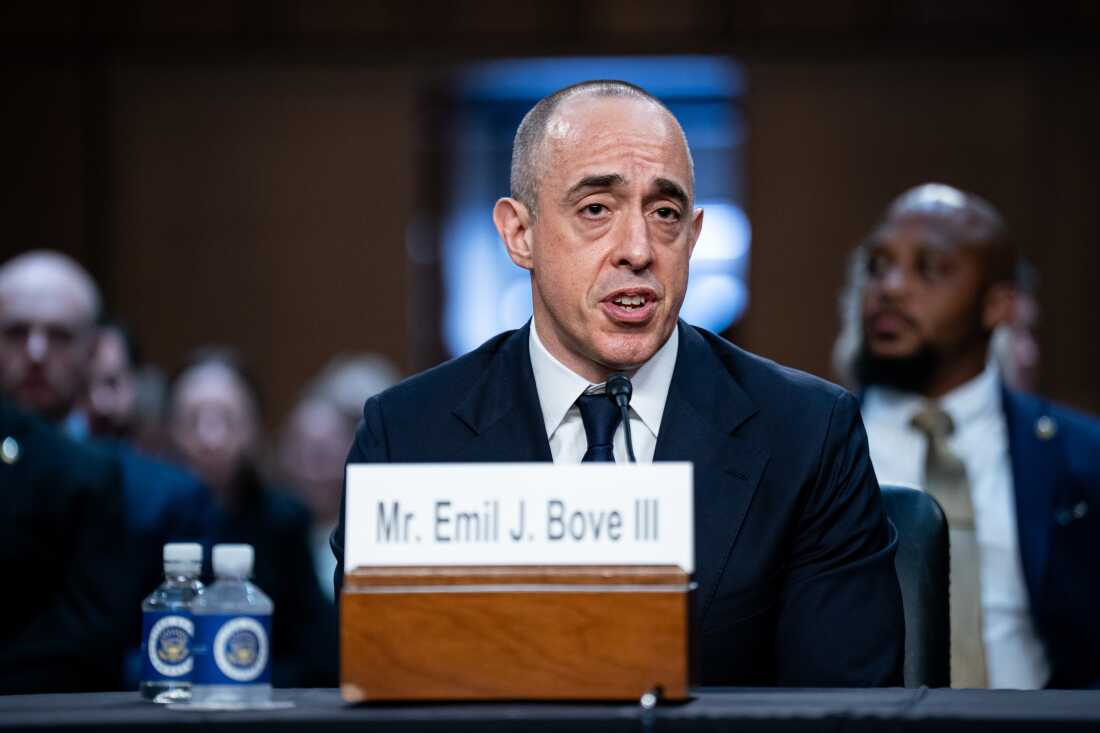
At the center of this firestorm is Emil Bove, a former personal defense attorney for Donald Trump, who has now been nominated for a lifetime seat on the powerful U.S. Court of Appeals for the Third Circuit.
Bove’s past work for the President, combined with a troubling whistleblower complaint from a former Justice Department colleague, has made his nomination a flashpoint for Democrats and a wide swath of the legal community. Hundreds of former federal prosecutors and dozens of former judges have written to the committee urging them to reject his nomination.
‘What Are You Afraid Of?’: The Democratic Protest
The drama in the committee room boiled over when Democrats, led by Senator Cory Booker, demanded that the committee pause the vote to fully consider the whistleblower allegations against Bove.
Chairman Chuck Grassley refused, moving to hold the vote.
“What are you afraid of?” Booker erupted. “Debating this, putting things on the record – Dear God, that’s what we are here for.”
Booker pleaded with Grassley, arguing that forcing the vote without full debate violated the “decorum, the decency and the respect of this committee.” When the chairman would not yield, Booker and his Democratic colleagues stood and walked out of the room in protest, leaving Republicans to advance the nomination on a party-line vote.
Senator Richard Blumenthal later called the move a “blatant violation of the rules of committee.”
The Constitutional Power of ‘Advice and Consent’
This raw, public clash is a powerful illustration of one of the Constitution’s most important checks on presidential power.
Article II, Section 2 stipulates that the President can nominate federal judges, but only “by and with the Advice and Consent of the Senate.” This clause was not designed to be a rubber stamp. It was intended to create a deliberative process where senators would rigorously vet a nominee’s fitness for a lifetime appointment.
“This raw, public clash is not a breakdown of the system; it is the system of ‘Advice and Consent’ operating under immense political pressure.”
The conflict between the majority party’s power to advance a nominee and the minority party’s power to object, debate, and demand further investigation is central to this constitutional function. The walkout was a dramatic, last-resort tool for the minority to signal that they believe the process has been corrupted.

The Whistleblower in the Background
The specific allegations that Democrats wanted to debate come from Erez Reuveni, a former Justice Department attorney. In a formal whistleblower complaint, Reuveni has reportedly alleged that Bove, in his current role at the DOJ, has engaged in politically motivated actions and has shown a disregard for ethical standards.
Democrats argued that it would be a dereliction of their constitutional duty to grant a lifetime appointment to someone facing such serious, unresolved allegations from a former colleague. They were not just objecting to Bove’s ideology, but to his fundamental fitness to serve as an impartial judge.
A Test of Institutional Integrity
Emil Bove’s nomination will now move to the full Senate floor for a final confirmation vote, but the battle in the committee has left deep scars.
The incident highlights the extreme politicization of the judicial confirmation process, where procedural rules are used as weapons and the tradition of senatorial comity has been replaced by open confrontation.
This fight is about more than one judicial seat. It is about the long-term integrity and perceived impartiality of the federal judiciary itself. When the process for appointing the judges who are meant to be neutral arbiters of the law becomes this broken, it threatens the public’s faith in the very courts that are supposed to stand above the political fray.