
Listen closely to the sounds of our modern political debate, and you will hear something strange and disorienting. Democrats are passionately defending “states’ rights” and the sanctity of local control. Republicans, meanwhile, are championing a massive and unilateral assertion of federal power.
This “great flip” has led to charges of hypocrisy from all sides. But to focus on hypocrisy is to miss a deeper and more profound lesson about the true, often-misunderstood nature of our constitutional system and the history of the very principle at the center of this fight.
The Current Showdown
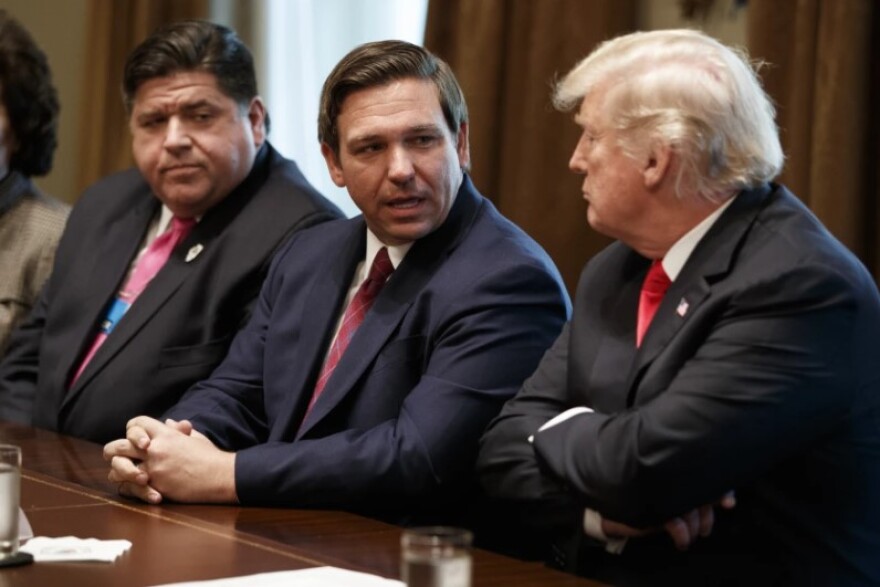
The conflict was ignited by President Trump’s threat to deploy federal law enforcement or the National Guard to combat crime in cities like Chicago and Baltimore, even against the will of their elected leaders. “If the governor can’t do the job, we will do the job,” the President declared.
In response, Democratic leaders like Illinois Governor J.B. Pritzker have created a constitutional firewall. They have invoked the principles of state sovereignty and the 10th Amendment to argue that the President’s threatened actions are an “illegal” and “unconstitutional” overreach. This has, in turn, led Republicans to accuse them of suddenly discovering a love for states’ rights that was absent when their own party was in power in Washington.
A Constitutional Tool, Not a Partisan Dogma
The focus on “hypocrisy,” as some historians have noted, is a distraction. The real story is that “states’ rights” has almost never been a consistent, principled ideology in American history. It has always been a constitutional tool, a legal argument to be picked up by whichever group feels its interests are being threatened by the power of the federal government.
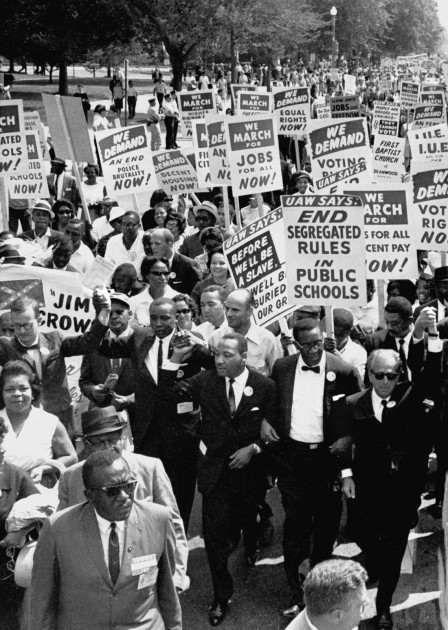
The most famous and shameful use of this tool came in the 1950s and 60s, when segregationist governors used the banner of “states’ rights” to defend their monstrous Jim Crow laws against federal civil rights legislation and court orders. In the modern era, the same principle has been used by conservatives to fight federal environmental regulations and by liberals to defend state-level marijuana legalization and sanctuary city policies. The legitimacy of the argument depends not on the tool itself, but on the purpose for which it is wielded.
What is the Real Question?
This brings us to the core of the current conflict. The most important question is not who has been more consistent on the issue of federalism. The real question is whether the President’s threatened action is, in fact, a legal and constitutional use of federal power.
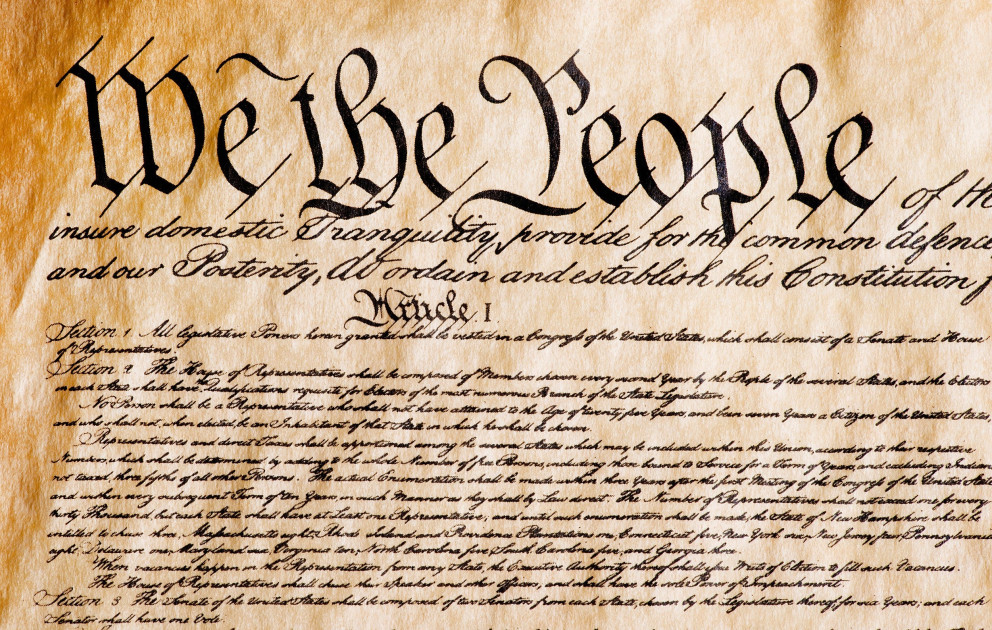
As we have explored before, the answer is almost certainly no. The Constitution reserves the “police power” to the states. A president’s ability to send troops into a state against its will is limited by the Posse Comitatus Act and governed by the extremely high bar of the Insurrection Act, a bar that is not met by the falling crime rates in the cities the President has targeted.
The current debate is not a sign of hypocrisy, but a sign of our constitutional system working as designed. Federalism is, and has always been, a battleground. It is the constitutional arena where our deepest conflicts over power and principle are fought. This showdown is a powerful reminder that the tug-of-war between state and federal authority is a central, messy, and permanent feature of our republic.