
The longest government shutdown in U.S. history appears to be lurching to a close, but the political war that caused it is far from over. Defeated in their initial standoff, House Democrats are now preparing to use a rare and powerful constitutional tool to keep their fight alive.
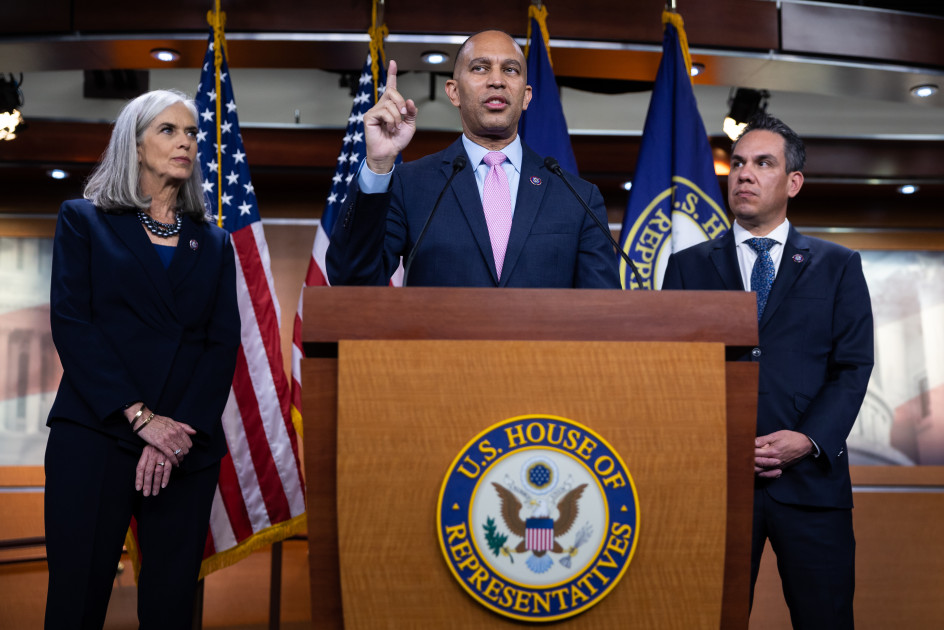
Minority Leader Hakeem Jeffries has announced a plan to file a discharge petition, a procedural “Hail Mary” designed to force a floor vote on extending expired Obamacare subsidies. This move is a direct challenge to Republican leadership and a fascinating, high-stakes lesson in how our constitutional system allows a minority party to fight back.
Why Are Democrats Taking This “Long-Shot” Step?
The entire 43-day government shutdown was a constitutional game of chicken. Democrats, led by Jeffries and Senator Chuck Schumer, refused to fund the government unless Republicans agreed to extend the enhanced Affordable Care Act (Obamacare) subsidies that were first passed as an emergency measure during the COVID-19 pandemic.
Republicans held their ground, and the government is now poised to reopen without an extension of those subsidies, handing the GOP a clear political victory. For Democrats, this is a devastating loss, as they fear millions of Americans will now face “skyrocketing” insurance premiums.
This new procedural move is their last-ditch effort to address the issue they lost the shutdown fight over.
What Exactly Is a Discharge Petition?
This is where the story becomes a crucial constitutional lesson. In the House of Representatives, the majority party – and specifically the Speaker – has near-total control over what bills are brought to the floor for a vote. A discharge petition is the only constitutional “safety valve” the minority party has to bypass this control.
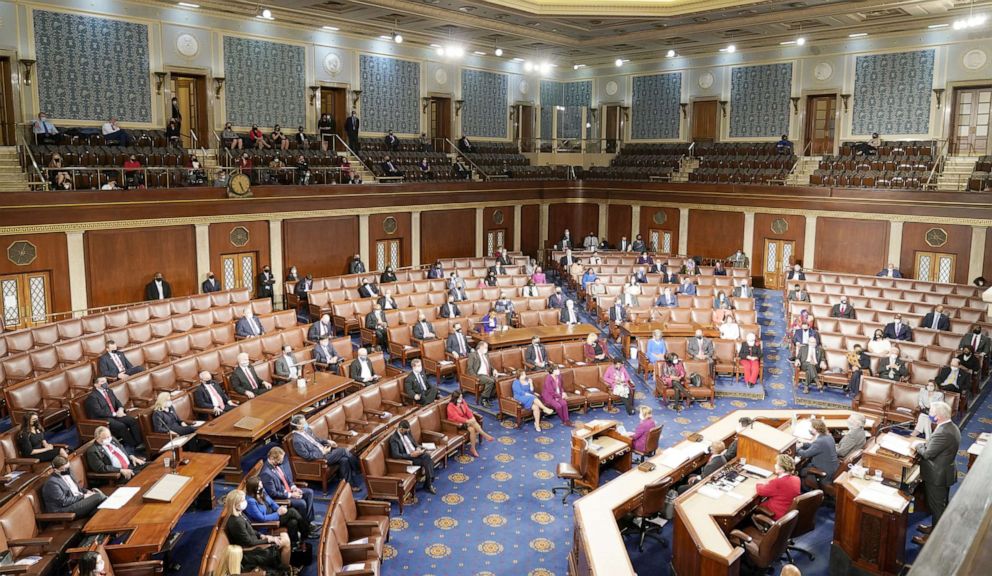
This tool, rooted in the Article I power of the House to “determine the Rules of its Proceedings,” is notoriously difficult to use. To be successful, the petition must be signed by an absolute majority of the House – 218 members. If it gets 218 signatures, it forces the bill to the floor for a full vote, whether the Speaker likes it or not.
What Are the Real Stakes of This Fight?
The Democratic plan is to force a vote on a three-year extension of the subsidies, a timeline that just so happens to cover the remainder of President Trump’s second term.
Republicans, like Majority Leader Steve Scalise, are blasting the move. They argue that the subsidies, which they call a “bailout for insurance companies,” were always meant to be temporary and are now driving up healthcare costs.
“Democrats created the healthcare mess with Obamacare that has resulted in 80% increases in premiums,” Scalise said. “These COVID subsidies are rife with waste, fraud, and abuse.”

Will This Constitutional Gambit Even Work?
The math is simple and brutal for the Democrats. They hold 213 seats (soon to be 214). To reach the magic number of 218, they will need to convince at least four Republicans to defy their own party’s leadership and sign the petition.
This is an incredibly unlikely, though not impossible, scenario. The move is less a legislative strategy with a high chance of success and more of a political one. It is designed to force every moderate Republican in a competitive district to take a difficult public stand. Do they vote with their party, or do they vote to extend a popular subsidy, all while their names are publicly visible on the petition?
This is a powerful, if desperate, use of a constitutional tool. It is an attempt to turn a crushing legislative defeat into a political weapon to be wielded in the run-up to the 2026 midterm elections.