
The FBI Director has declassified years-old secret testimony that levels an explosive charge against one of President Trump’s chief political adversaries, Senator Adam Schiff.
The document, containing a whistleblower’s 2017 account of an alleged plot to leak classified information, has re-ignited the long and bitter war between the two men.
This is more than just another political scandal. It is a high-stakes constitutional battle over secrets, leaks, and the immense power of a President to use the government’s own files against his enemies.
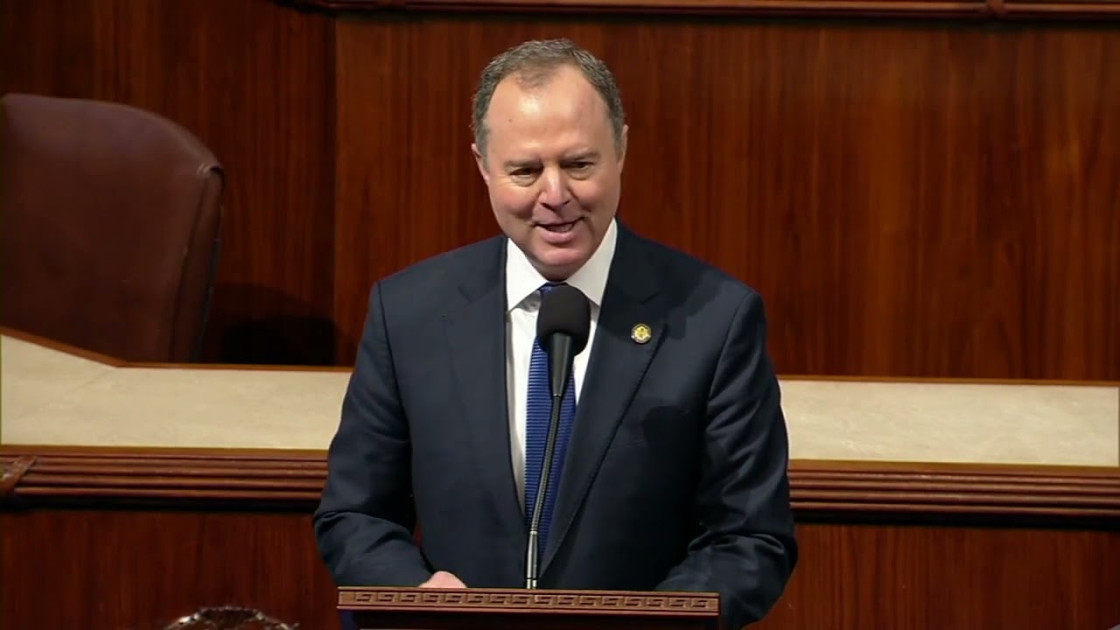
The Schiff Whistleblower Claim
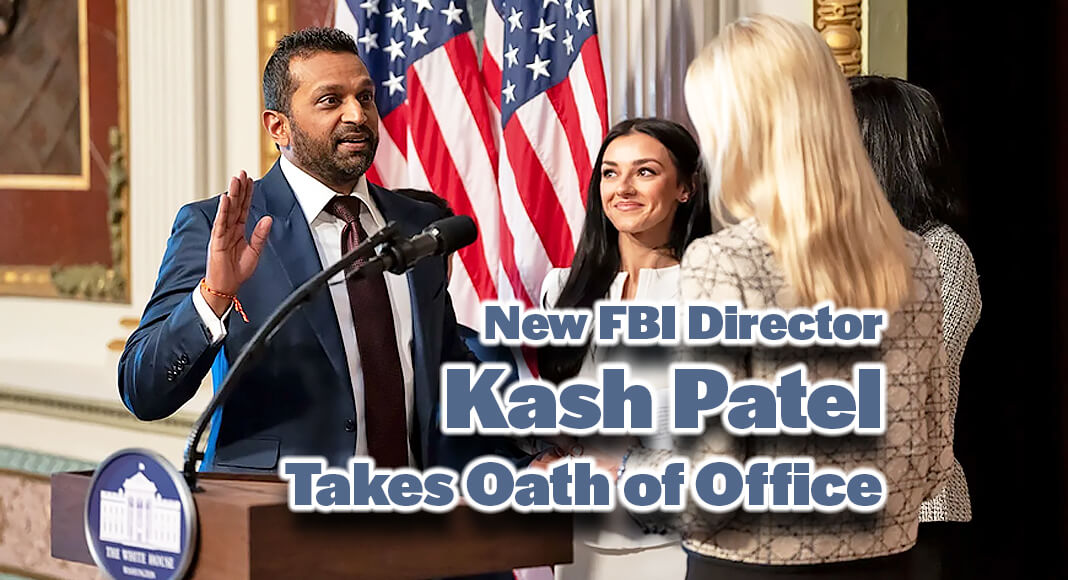
- What’s Happening: Trump’s FBI Director, Kash Patel, has declassified 2017 testimony from a whistleblower.
- The Allegation: The whistleblower, a former Democratic House Intelligence Committee staffer, claims then-Rep. Adam Schiff approved leaking classified information in order to “indict” then-President Trump during the Russiagate probe.
- Schiff’s Defense: He calls the claim a “baseless smear” from a “disgruntled former staffer” who was fired and whose claims were previously investigated and deemed “not credible” by Trump’s first-term DOJ.
- The Constitutional Issue: A major Separation of Powers conflict, pitting the executive branch’s powerful declassification authority against a legislator’s protections under the Speech or Debate Clause.
A ‘Bombshell’ from the Archives
The newly released FBI document details a 2017 interview with a former Democratic staffer on the House Intelligence Committee, on which then-Congressman Schiff was a leading member.
The whistleblower alleged that during a meeting, “SCHIFF stated the group would leak classified information which was derogatory to President of the United States DONALD J. TRUMP. SCHIFF stated the information would be used to indict President TRUMP.”
The White House has seized on the document, with Press Secretary Karoline Leavitt calling it a “bombshell whistleblower report.”
Schiff’s office, however, has mounted a fierce defense. They argue the claim is a recycled smear from a “disgruntled former staffer who was fired by the House Intelligence Committee for cause.”
Crucially, they point out that Trump’s own Justice Department and an independent inspector general previously investigated the staffer’s claims and found them to be “not reliable, not credible, and unsubstantiated.”
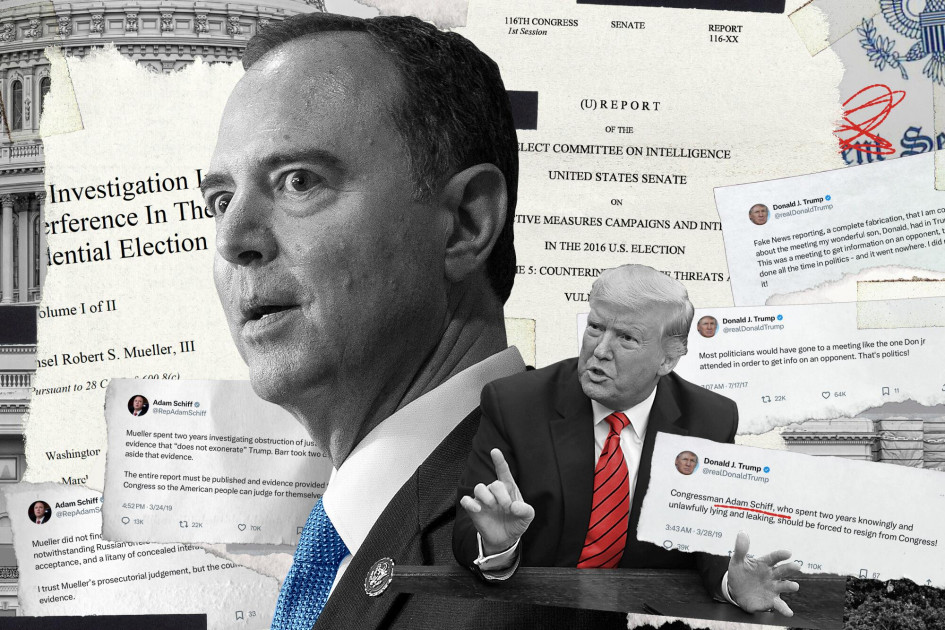
An Old War with New Ammunition
This is not a new accusation, but it is a powerful new weapon in an old war. For years, President Trump and his allies have publicly accused Senator Schiff of being a “leaker.”
High-level officials from Trump’s first term, such as former acting Director of National Intelligence Ric Grenell and former Secretary of State Mike Pompeo, have both claimed that Schiff and his committee leaked classified information.
This is not a new accusation, but a new weapon in an old war. For years, the President and his allies have accused Senator Schiff of being a leaker; now they have a declassified government document to back up their claim.
This long-running feud – which includes Schiff’s roles in the Russia investigation, Trump’s first impeachment, and the January 6th Committee – has now been reignited by the release of an official government document.
A Clash of Constitutional Powers
This conflict pits two immense constitutional forces directly against each other.
On one side is the President’s executive power. As head of the executive branch under Article II, the President has broad authority to classify and declassify government information. FBI Director Patel’s decision to release this specific document is a powerful – and political – use of that authority.
On the other side is a lawmaker’s constitutional shield, the Speech or Debate Clause. This provision in Article I, Section 6 is designed to protect members of Congress from being intimidated, harassed, or prosecuted by a hostile executive branch for their legitimate legislative work.
While this shield does not protect a member from engaging in outright criminal activity, like leaking classified information, the current situation highlights the very tension the clause was designed to manage: an executive branch using its investigative and classification powers against a member of a co-equal branch of government.
“This conflict pits two immense constitutional forces against each other: the President’s power to control the nation’s secrets, and a lawmaker’s constitutional immunity for their official duties.”
The War on Leaks Turns Inward
The declassification of this document is a key move in the Trump administration’s declared “war on leakers.” But instead of targeting an anonymous bureaucrat, this action targets a high-profile, long-time political rival.
The move is praised by the President’s supporters as a long-overdue act of accountability for a figure they believe has abused his power for years.
It is condemned by his critics as a dangerous abuse of the classification system for political retribution – declassifying a previously dismissed claim to smear an opponent.
The battle over this whistleblower’s testimony is about much more than what happened in a meeting in 2017. It’s about whether the vast power of the executive branch will be used to protect national security or to settle political scores.