
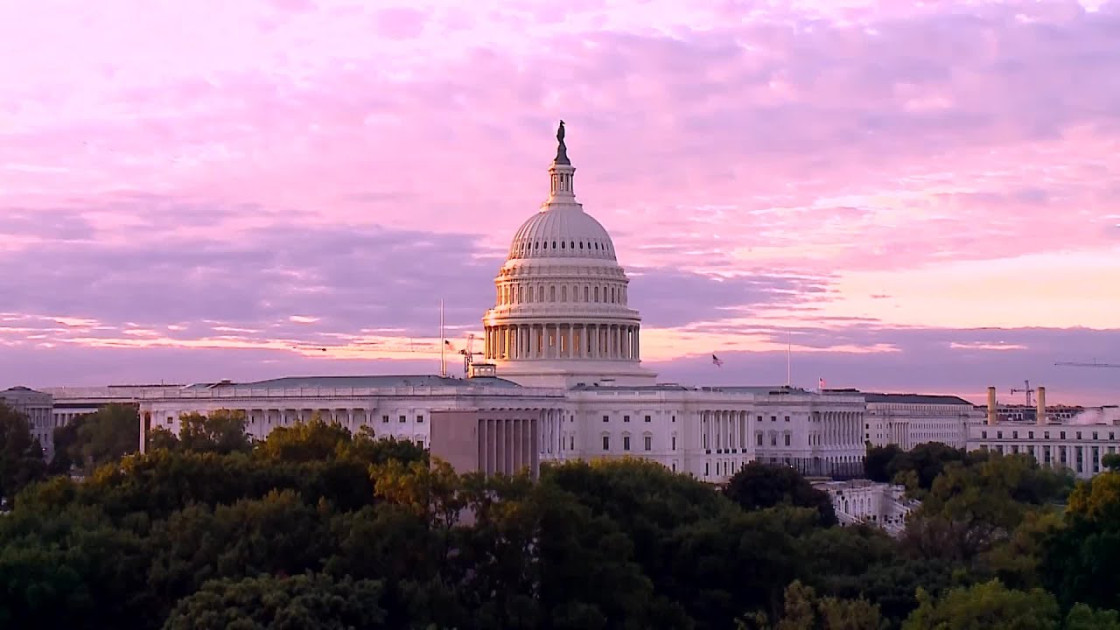
The clock in the Capitol Rotunda is ticking toward a January 30 deadline, but the sound of pens hitting paper on a $1.2 trillion spending deal has been drowned out by the echoes of gunfire in Minneapolis. While Congressional leaders celebrated a fragile consensus on Tuesday, a growing progressive insurgency threatens to scuttle the entire Department of Homeland Security budget in the name of constitutional accountability.
The Ultimate Constitutional Check: Article I, Section 9
At the heart of this legislative storm is what the Founders considered the most potent weapon in the Congressional arsenal: the Power of the Purse.
Article I, Section 9, Clause 7 of the Constitution explicitly mandates that “No Money shall be drawn from the Treasury, but in Consequence of Appropriations made by Law.”
This simple sentence is the primary reason the President cannot simply print money to fund his preferred agencies; he must go through the people’s representatives.
Tthis is where the theory of government meets the reality of the street. The $1.2 trillion “minibus” package – a combination of four major spending bills – represents more than just numbers on a ledger. It is a foundational test of whether the legislature can still restrain an executive branch that many now view as operating outside the bounds of traditional oversight.
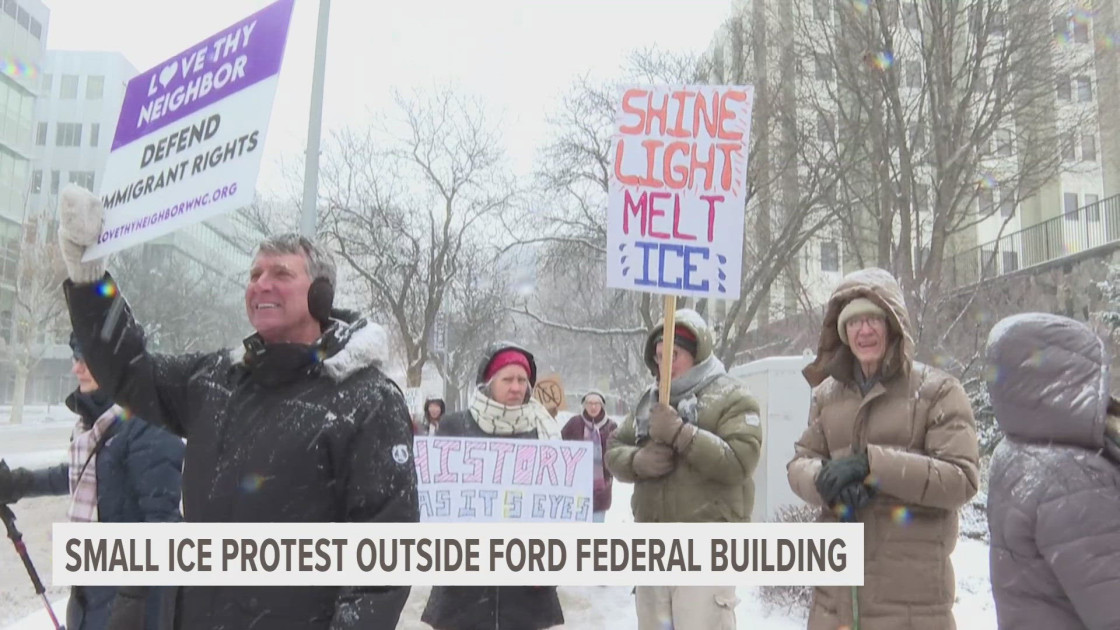
Progressive lawmakers, led by Deputy Chair Ilhan Omar, are leaning into this authority with newfound ferocity. By vowing to oppose all funding for immigration enforcement until “meaningful reforms” are enacted, they are attempting to use the appropriations process as a leash on the Department of Homeland Security (DHS).
For these members, the debate is no longer about policy – it is about the fundamental right of Congress to dictate the conduct of the agencies it funds.
The Minneapolis Catalyst: A Tragedy Becomes a Mandate
The catalyst for this sudden breakdown in negotiations was the fatal shooting of 37-year-old Renee Nicole Good in Minneapolis earlier this month. The fact that an Immigration and Customs Enforcement (ICE) agent killed a woman who was a U.S. citizen has transformed a standard budget debate into a constitutional crisis over due process and federal overreach.
Republicans have largely defended the agency, citing the need for self-defense during high-stakes enforcement operations. However, the Progressive Caucus has adopted a formal position to withhold DHS funding, demanding strict “guardrails” to end what they describe as militarized policing practices. The proposed $64.4 billion for DHS is now the most toxic line item in the entire $1.2 trillion package.
- Key Progressive Demands:
- A total ban on federal immigration officers wearing face masks or tactical face coverings during domestic operations.
- A strict requirement for judicial warrants for all arrests made within the interior of the United States.
- Increased oversight and the eventual phase-out of private detention facilities.
- Mandatory body-worn cameras for all Border Patrol and ICE officers, with $20 million already earmarked in the current draft.
How We Got Here: The Ghost of the 1974 Impoundment Act
To understand why this fight is so bitter, one must look back to the early 1970s. Before 1974, Presidents frequently “impounded” funds – essentially refusing to spend money that Congress had appropriated for programs they disliked. President Richard Nixon used this tactic so aggressively that it triggered a constitutional showdown, leading to the Congressional Budget and Impoundment Control Act of 1974.
- 1973: Nixon refuses to disburse $12 billion in congressionally-mandated funds for clean water and social programs.
- 1974: Congress passes the Impoundment Control Act, stripping the President of the power to unilaterally freeze spending.
- 1974: The act also creates the Congressional Budget Office (CBO), giving the legislature its own source of financial data independent of the White House.
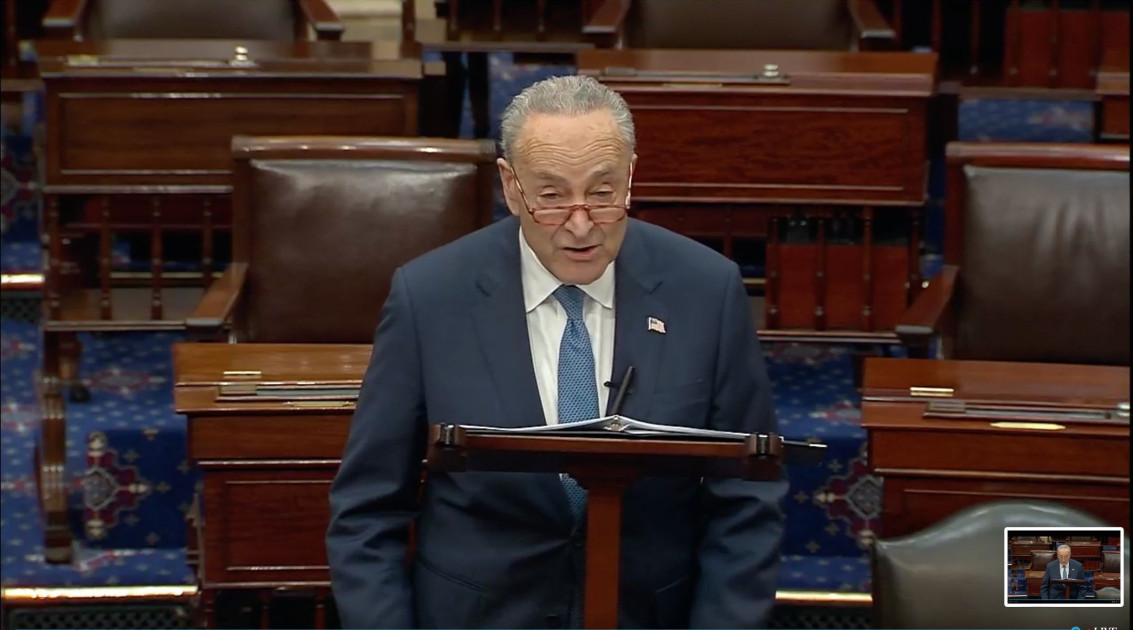
This history is vital because today’s Democrats are worried about a reverse scenario. Leaders like Senator Chuck Schumer and Senator Patty Murray are warning that a government shutdown or a “continuing resolution” (CR) would actually empower the Trump administration. They argue that because the President secured massive funding earlier in the term through his signature “big, beautiful bill,” ICE is currently sitting on a “slush fund” that allows it to operate even if Congress fails to pass a new budget. This creates a paradox where the “Power of the Purse” is neutralized by previous legislative successes.
The Math of the House: A Razor-Thin Margin
Speaker Mike Johnson faces a mathematical nightmare as the vote approaches later this week. With the recent death of Representative Doug LaMalfa and the resignation of Marjorie Taylor Greene, the Republican majority has shrunk to a point where the Speaker can afford to lose only two votes.
If the more than 70 members of the Progressive Caucus hold the line and refuse to vote for the DHS portion of the bill, Johnson will be forced to rely on moderate Democrats to carry the package across the finish line. This would require him to keep the “guardrails” – such as the de-escalation training and body camera requirements – which in turn risks alienating the hard-right wing of his own party who view those measures as “handcuffing” law enforcement.
This is not just partisan bickering; it is a checks-and-balances machine in the midst of a violent gear-grind. If the House fails to pass the bill, the government faces a partial shutdown on January 30, affecting everything from TSA agents at airports to FEMA disaster assistance.
The Cost of the “Fourth Branch”
As the debate rages, the true question remains: has the “Fourth Branch” of government – the massive administrative state – become so large that the Power of the Purse is no longer an effective check?
When an agency like ICE can tap into multi-year funding streams or “slush funds” regardless of the current year’s appropriation, the separation of powers begins to erode. The $839.2 billion allocated for defense and the $64.4 billion for DHS represent a massive transfer of sovereign power to unelected officials.
“Under a CR and in a shutdown, this administration can do everything they are already doing – but without any of the critical guardrails and constraints imposed by a full-year funding bill,” warned Senator Patty Murray.
This reality highlights the ultimate constitutional stakes. If Congress cannot use its spending power to demand accountability for the death of a citizen on American soil, then the legislative branch risks becoming a secondary actor in its own government. The $1.2 trillion package is not just a bill to keep the lights on; it is a declaration of who actually holds the reins of the American state.