
In a pair of votes that exposed deep divisions over national security and education, the House of Representatives has passed legislation aimed at rooting out Chinese Communist Party (CCP) influence in American classrooms.
While the bills attracted significant bipartisan support, they also triggered a fierce backlash from Democratic leadership. More than 160 Democrats voted “no,” arguing that the measures are less about national security and more about fueling xenophobia and dismantling public education.
This legislative battle is a microcosm of a larger war over the future of the Department of Education, the role of the federal government in local schools, and the constitutional balance between protecting the nation and protecting civil liberties.
At a Glance: The Foreign Influence Bills
- What’s Happening: The House passed two bills targeting foreign influence in K-12 schools: the PROTECT Our Kids Act and the TRACE Act.
- The Vote: Both bills passed with bipartisan support (approx. 247 votes), but over 160 Democrats opposed them.
- The Bills’ Goals:
- Kevin Hern’s Bill: Blocks federal funds to schools with Confucius Classrooms or CCP financial support.
- Aaron Bean’s Bill: Requires schools to notify parents of their right to know about any “foreign influence” or funding.
- The Conflict: Republicans frame this as a common-sense national security measure. Democrats view it as a distraction from the administration’s broader effort to dismantle the Department of Education.
- The Constitutional Issue: A clash between Congress’s Spending Power (conditioning funds) and concerns over Equal Protection and potential discrimination against Chinese-American communities.
Closing the Door on the CCP
The first measure, championed by Rep. Kevin Hern (R-OK), is the PROTECT Our Kids Act. It takes a hard line on funding, prohibiting federal dollars from flowing to any elementary or secondary school that hosts a “Confucius Classroom” or accepts financial support from the Chinese government.
Proponents argue that these programs, while billed as cultural exchanges, are actually “Trojan horses” for CCP propaganda designed to “brainwash” American students.
“The CCP’s malign influence in our educational institutions is a serious and growing threat. Today’s students are our future leaders, and we must ensure their learning environments are free from anti-American, foreign influence.” – Rep. Kevin Hern
The ‘Parental Right to Know’
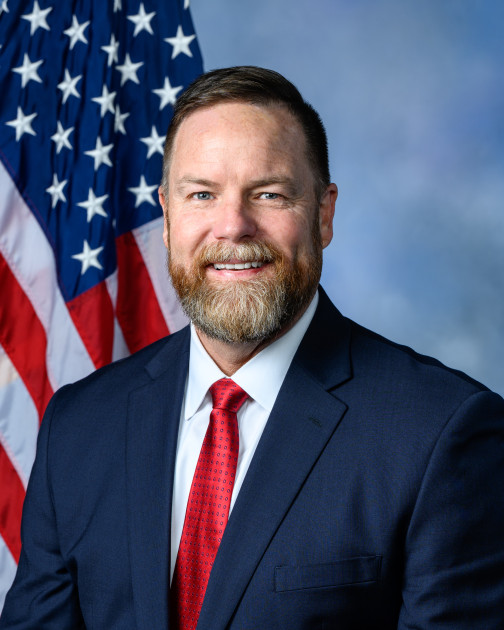
The second bill, the TRACE Act led by Rep. Aaron Bean (R-FL), focuses on transparency. It mandates that schools notify parents of their right to review any curriculum provided by foreign sources and to know if school employees are being compensated by foreign entities.
Republicans argue this is a fundamental parental right, a necessary tool for families to ensure their children aren’t being subjected to foreign indoctrination.
‘Attacking Public Education’
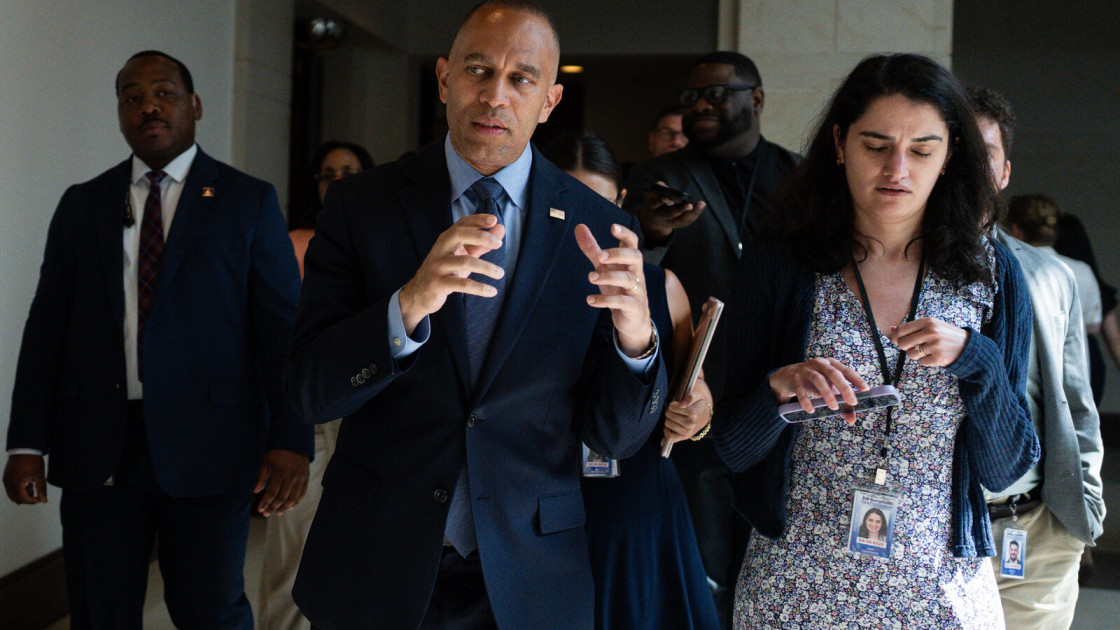
Democratic opposition was fierce, particularly from the party’s leadership. Minority Leader Hakeem Jeffries framed the bills not as security measures, but as part of a broader Republican assault on public schooling.
He pointed to the Trump administration’s ongoing, controversial effort to break up the Department of Education by transferring its core functions to other agencies like the Department of Labor – a move critics call “dismantling in real-time.”
“We’re not going to be lectured by a group of Republicans who are dismantling the Department of Education in real-time. Literally 90% of the Department… as it existed last year is now gone.” – House Minority Leader Hakeem Jeffries
A Constitutional Concern: Vagueness and Discrimination
Beyond the political rhetoric, Democrats raised serious legal concerns. Rep. Bobby Scott (D-VA) argued on the floor that the bills are dangerously vague, failing to define exactly what constitutes “indirect” support.
This vagueness, critics warn, could lead to a climate of suspicion where schools are afraid to host legitimate cultural exchange programs or where Chinese-American parents find their donations and involvement unfairly scrutinized. This raises potential Equal Protection concerns under the 14th Amendment if the law is applied in a discriminatory manner.
“Are you supposed to scrutinize all parents’ contributions or just those from parents of Chinese American students?” – Rep. Bobby Scott
The Bigger Picture
These votes are about more than just two bills. They are part of a larger, escalating “Classroom Cold War.”
As the Trump administration moves to shrink the federal footprint in education while simultaneously using federal power to police foreign influence, schools are finding themselves caught in the crossfire of a geopolitical struggle. The passage of these bills signals that the battle over what – and who – is allowed in American classrooms is only just beginning.