
Who Controls America’s Highways? A Constitutional Showdown Over 17,000 Immigrant Trucker Licenses
A series of horrific, fatal highway crashes involving immigrant truck drivers has ignited a fierce political and constitutional firestorm. The accidents have pitted the governor of California against the White House in a high-stakes blame game. Now, the livelihoods of 17,000 people are on the line as a fundamental question of American power is being tested: Who controls our nation’s highways?
In a stunning development, the state of California has announced it will revoke 17,000 Commercial Driver’s Licenses (CDLs) that were issued to immigrants. This move comes after intense pressure and a scathing report from the Trump administration’s Department of Transportation (DOT). The 17,000 individuals, who have been notified their licenses will expire in 60 days, are now caught in the middle of a massive constitutional and political fight.
What is the White House Claiming?
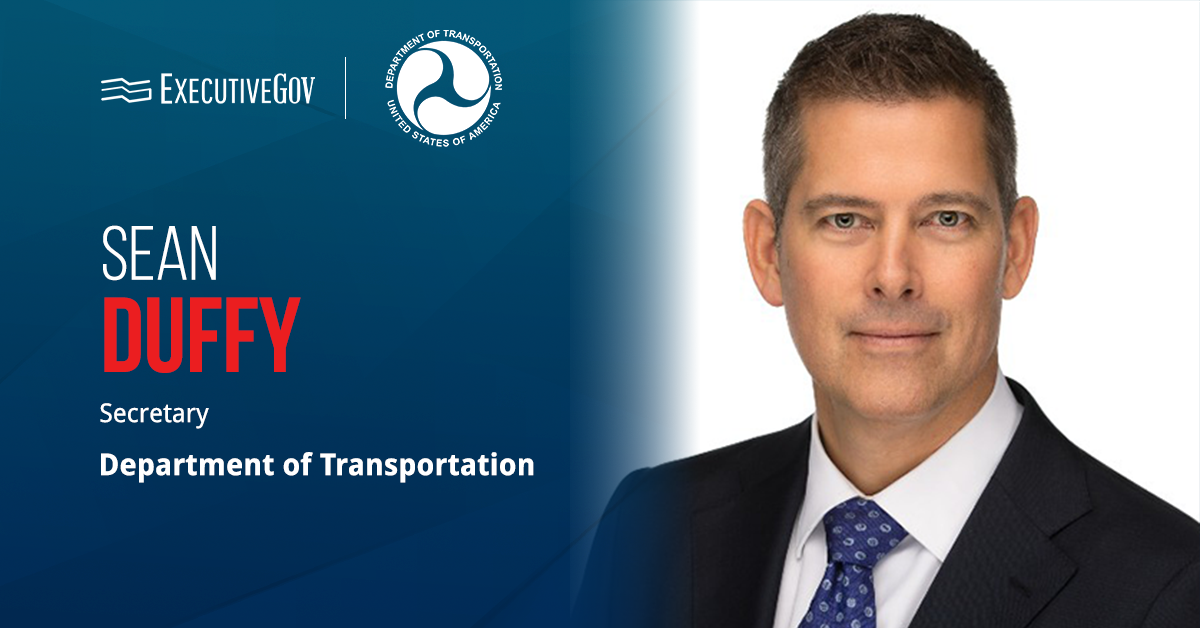
The administration, led by DOT Secretary Sean Duffy, is framing this as a victory for public safety and the rule of law. They accuse California of being “caught red-handed” in a “total disregard” of federal regulations.
“After weeks of claiming they did nothing wrong, Gavin Newsom and California have been caught red-handed,” Secretary Duffy said. “This is just the tip of the iceberg.”
A federal report found “systemic… errors” in how California handled “non-domiciled” licenses. The administration’s core allegation is that the state illegally issued CDLs that were valid longer than the holder’s federal work authorization, effectively creating a rogue workforce.
This federal crackdown was fueled by recent tragedies, including one where an immigrant trucker, Harjinder Singh, allegedly failed basic English and road sign tests after killing three people in a crash.
How is California Fighting Back?
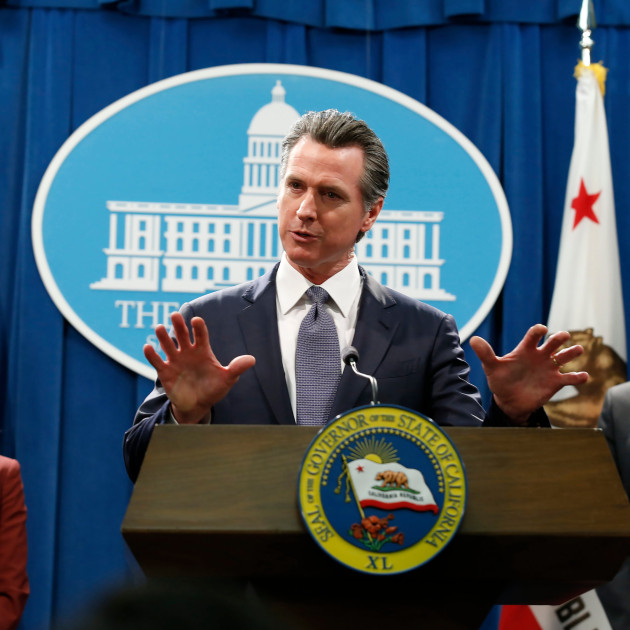
Governor Gavin Newsom’s office has fired back with equal force, calling the administration’s victory lap a series of “lies.” Their defense is a powerful counter-accusation: the White House is attacking them for following rules that were perfectly legal at the time.
Newsom’s office claims the 17,000 drivers were “present in the U.S. legally” and had federal work authorization when the licenses were issued. Their central argument is that the administration’s new, stricter rules are being applied retroactively to “restrict refugees, DACA holders, and others.” In their view, this isn’t about safety; it’s “immigrant-bashing.”
So, Who Actually Has the Power to Make These Rules?
This entire showdown is a classic constitutional tug-of-war, and it’s essential to understand the powers in conflict.
The power to issue driver’s licenses has traditionally been a core function of state governments under the 10th Amendment. This is their “police power” – the right to manage public safety and licensing within their borders.
However, commercial trucking is the very definition of interstate commerce, an area where the Constitution grants the federal government supreme regulatory authority under Article I, Section 8. The federal government, through the Federal Motor Carrier Safety Administration (FMCSA), sets the minimum national standards for CDLs to ensure a trucker who is licensed in California is safe to drive in Ohio or Florida. The administration argues California violated these minimums; California argues it met them, and the feds are changing the rules after the fact.
What is the Real-World Cost of This Conflict?
While politicians in Sacramento and Washington trade accusations of “lies” and “scapegoating,” the human cost of this regulatory failure is undeniable. The case of Harjinder Singh, who allegedly failed his English proficiency test after his fatal crash, highlights a massive gap in the system.
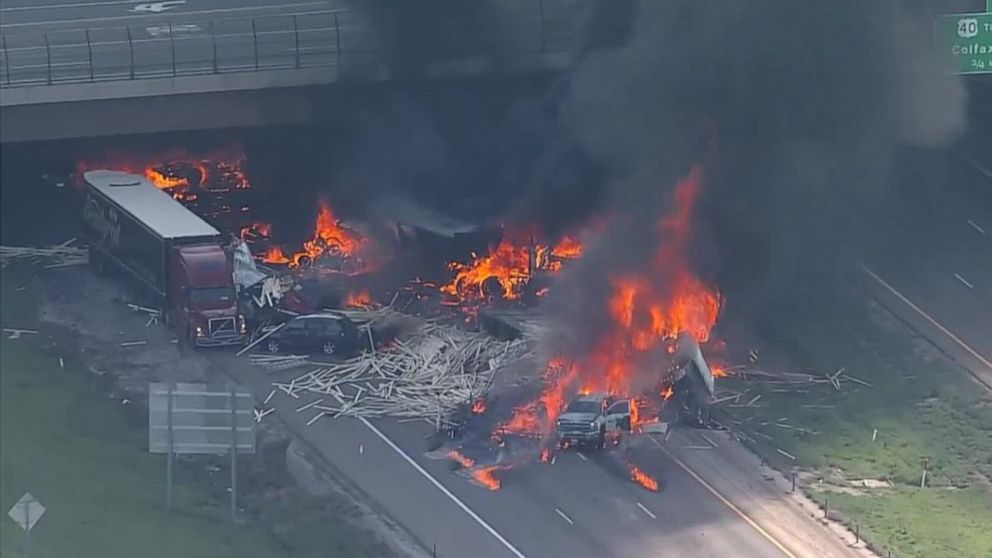
Another recent case, that of Jashanpreet Singh, an immigrant who obtained a California CDL, has added to the urgency. He is accused of killing three people in a fiery wreck while driving under the influence.
These tragedies raise a critical question: How did a system that heavily “over-regulates” its own citizens, as one industry whistleblower put it, have a loophole big enough to allegedly allow impaired or non-proficient drivers behind the wheel of 80,000-pound vehicles?
What Happens Now?
The administration has already taken unilateral action. The DOT has issued an emergency interim rule that tightens the standards for non-domiciled CDLs nationwide, limiting eligibility and requiring stricter status verification. This is a powerful assertion of executive authority under the laws passed by Congress that govern transportation safety.
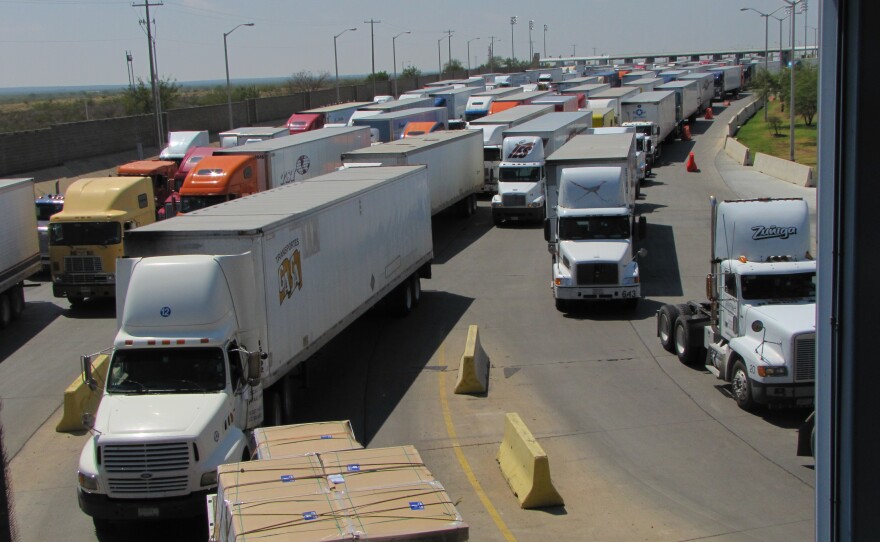
For 17,000 drivers in California, the 60-day clock is ticking. For the rest of the nation, this fight is a profound test of where state sovereignty ends and where the federal government’s duty to protect interstate commerce and public safety begins.