
It was supposed to be a routine procedural hearing to determine how to fix a legal error, but it quickly spiraled into a blistering, historic rebuke that accused the highest levels of government of a conspiracy against the Bill of Rights.
The tension between the executive branch’s power to secure borders and the judiciary’s role in checking that power just reached a boiling point. While the White House argues it is protecting the nation from “terrorist sympathizers,” a Reagan-appointed federal judge in Boston is arguing that the administration isn’t just enforcing the law – it is actively trying to silence dissent in a way that fundamentally threatens American democracy.
At a Glance
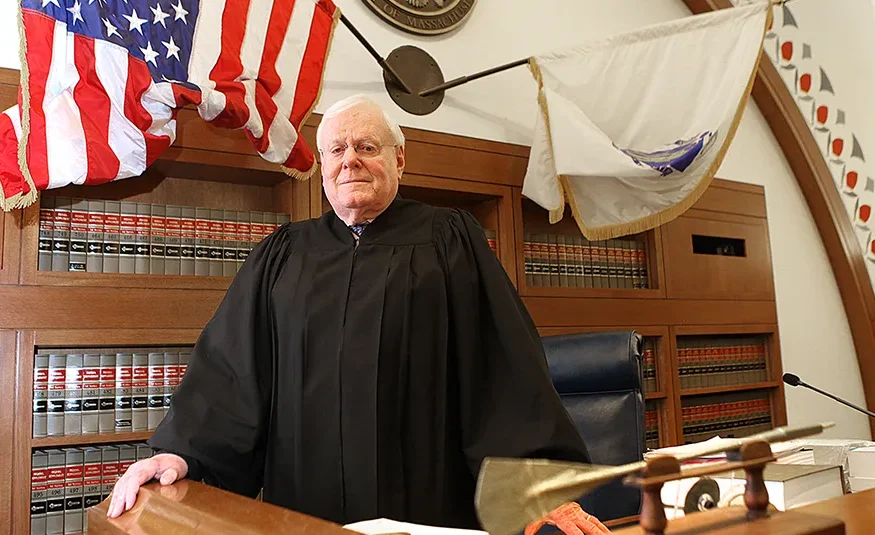
- The Player: U.S. District Judge William G. Young, a Reagan appointee based in Boston, presided over the hearing.
- The Conflict: The administration is attempting to deport noncitizen pro-Palestinian protesters and academics, citing national security and anti-semitism.
- The Ruling: Judge Young previously ruled these actions violated the First Amendment; this hearing was to decide the “remedy” or solution.
- The “A-Word”: In a rare move, the judge explicitly described President Trump’s approach to executive power as “authoritarian.”
- The Pushback: The White House and DHS immediately fired back, labeling the judge a “left-wing activist” and defending their right to remove foreign nationals who support Hamas.
A “Conspiracy” in the Cabinet?
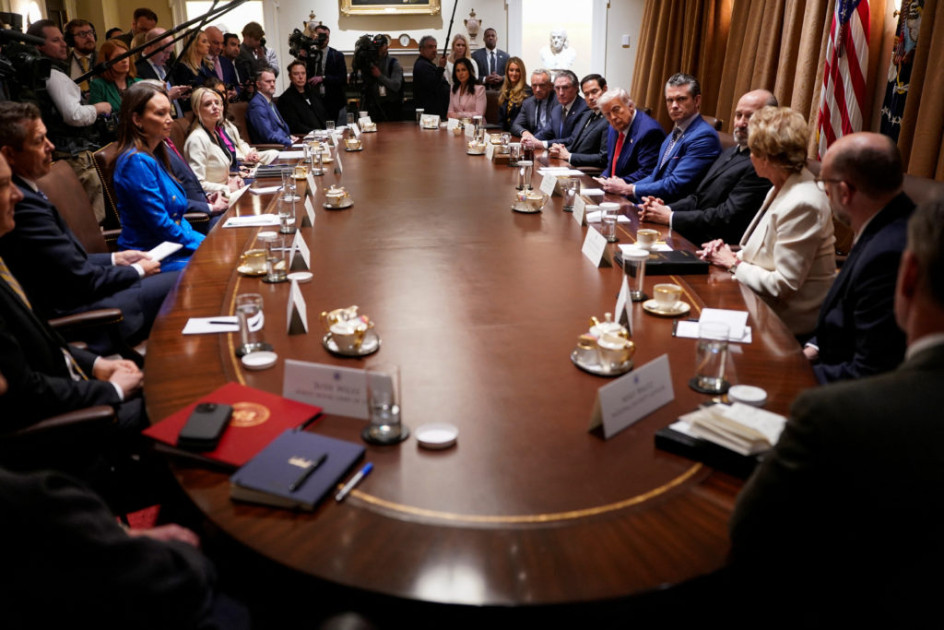
Usually, legal rulings are dry and technical. However, Judge Young did not mince words when addressing the conduct of Secretary of State Marco Rubio and DHS Secretary Kristi Noem. He suggested that the coordination between these departments went beyond standard enforcement and entered the realm of a coordinated effort to strip people of their rights.
“I find it breathtaking that I have been compelled on the evidence to find the conduct of such high-level officers of our government – cabinet secretaries – conspired to infringe the First Amendment rights of people with such rights here in the United States. These cabinet secretaries have failed in their sworn duty to uphold the Constitution.”
The judge’s primary concern is what legal scholars call a “chilling effect”—where the government uses the threat of punishment (in this case, deportation) to scare people into staying silent, effectively targeting a specific viewpoint.
The “Authoritarian” Label
Perhaps the most striking moment of the hearing was when Judge Young turned his attention directly to the President. While judges often disagree with presidents, they rarely use political science terminology to describe a sitting commander-in-chief’s leadership style from the bench. Young clarified he wasn’t using the term as an insult, but as a descriptive assessment of how the President views Article II powers.
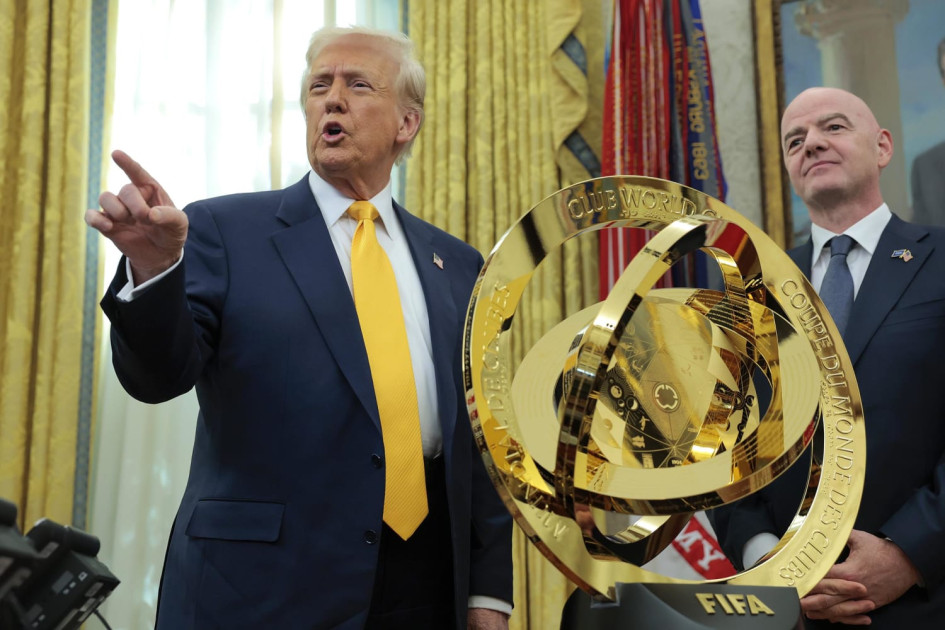
“We cast around the word ‘authoritarian’… I don’t, in this context, treat that in a pejorative sense — and I use it carefully — but it’s fairly clear that this president believes, as an authoritarian, that when he speaks, everyone, everyone in Article II is going to toe the line absolutely.”
Young argued that the administration has adopted a “fearful approach” to free speech, seeking to exclude anyone who disagrees with their platform.
The Administration Fires Back
The response from the Trump administration was swift and furious. They are framing this not as a free speech issue, but as a national security and immigration issue. Their argument is straightforward: noncitizens who sympathize with groups the U.S. designates as terrorists (referencing Hamas) do not have a constitutional right to remain in the country.
White House spokesperson Anna Kelly described the judge’s comments as “bizarre” and accused him of broadcasting an intent to engage in “left-wing activism against the democratically elected President.”
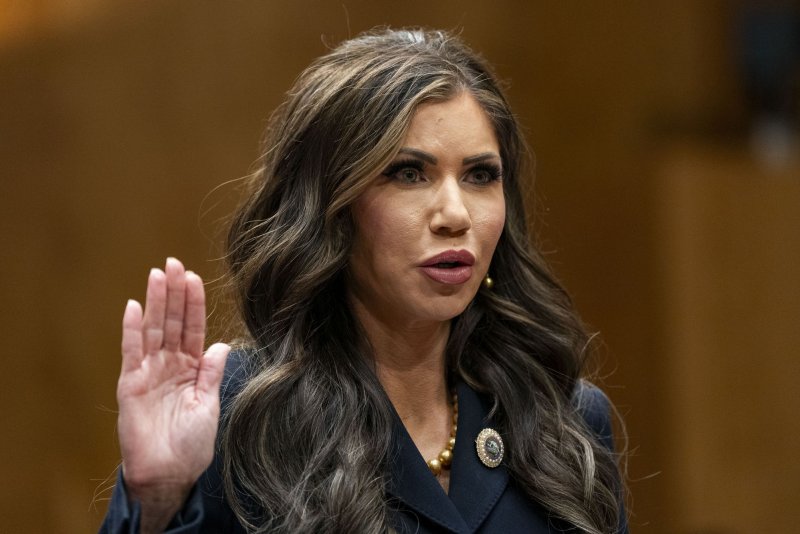
DHS Assistant Secretary Tricia McLaughlin was equally blunt regarding the people the administration is trying to remove:
“There is no room in the United States for the rest of the world’s terrorist sympathizers, and we are under no obligation to admit them or let them stay here.”
What Happens Next
This legal battle is far from over. Judge Young plans to issue a finalized order next week outlining exactly how the administration is restricted from changing the immigration status of these academic groups. He also intends to unseal a significant amount of evidence used in the case, which could provide the public with a closer look at the internal decision-making processes of the White House and DHS.
However, given the administration’s strong reaction, an appeal is almost guaranteed. This sets the stage for a higher court showdown that will test the limits of executive authority over immigration versus the First Amendment rights of noncitizens on U.S. soil.