
Author Michael Wolff sued First Lady Melania Trump on Thursday – the exact deadline her lawyers had given him to retract statements, apologize, and pay damages for claims he made about her and Jeffrey Epstein. The lawsuit isn’t really about defending what Wolff said, which even The Daily Beast retracted and apologized for after publishing it.
It’s about something far more interesting constitutionally: Wolff is arguing that the Trumps use defamation threats as a weapon to “silence speech, intimidate critics generally, and extract unjustified payments and North Korean-style confessions and apologies.” He’s essentially suing for the right to be sued – asking a court to declare that Melania Trump’s legal threats violate his First Amendment rights. This raises a genuinely fascinating question: when does threatening to sue someone for defamation itself become an unconstitutional attempt to suppress speech?
At a Glance
- Michael Wolff sued Melania Trump on the deadline her lawyers set for retracting Epstein connection claims
- The Daily Beast published then retracted Wolff’s interview alleging Melania “was very involved in this Epstein relationship”
- Wolff argues the Trumps use legal threats to “create a climate of fear” and suppress First Amendment rights
- He intends to depose the Trumps under oath about Jeffrey Epstein through this lawsuit
- At stake: whether defamation threats themselves can violate the First Amendment when used strategically to silence critics
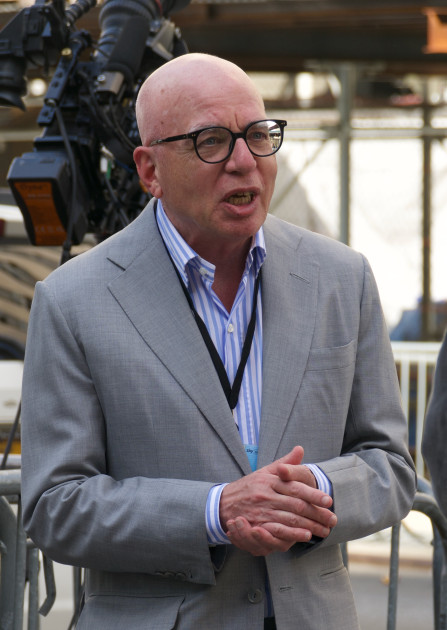
What Wolff Actually Said
Wolff made the allegations during an interview with Daily Beast chief content officer Joanna Coles for The Daily Beast Podcast. They were discussing Trump’s connections with Jeffrey Epstein, the disgraced financier and convicted sex offender who died in 2019 in what was officially ruled a suicide.
“[Melania] was very involved in this Epstein relationship. There is this model thing, and she’s introduced by a model agent, both of whom Trump and Epstein are involved with. She’s introduced to Trump that way, Epstein knows her well,” Wolff alleged on the podcast.
The Daily Beast published a story based on the interview, then removed it in July and apologized, admitting it “did not meet editorial standards.” Melania Trump’s attorney issued legal threats challenging “the headline and framing.” Wolff later told Fox News Digital he “had nothing to do with the article.”
That context is important: even the outlet that published Wolff’s claims retracted them and apologized. That suggests the statements were likely defamatory or at minimum irresponsible journalism. Wolff’s lawsuit isn’t really arguing he was right – it’s arguing he has a First Amendment right to say controversial things about public figures without being threatened into silence.
“[The legal threats] are designed to create a climate of fear in the nation so that people cannot freely or confidently exercise their First Amendment rights.” – Michael Wolff
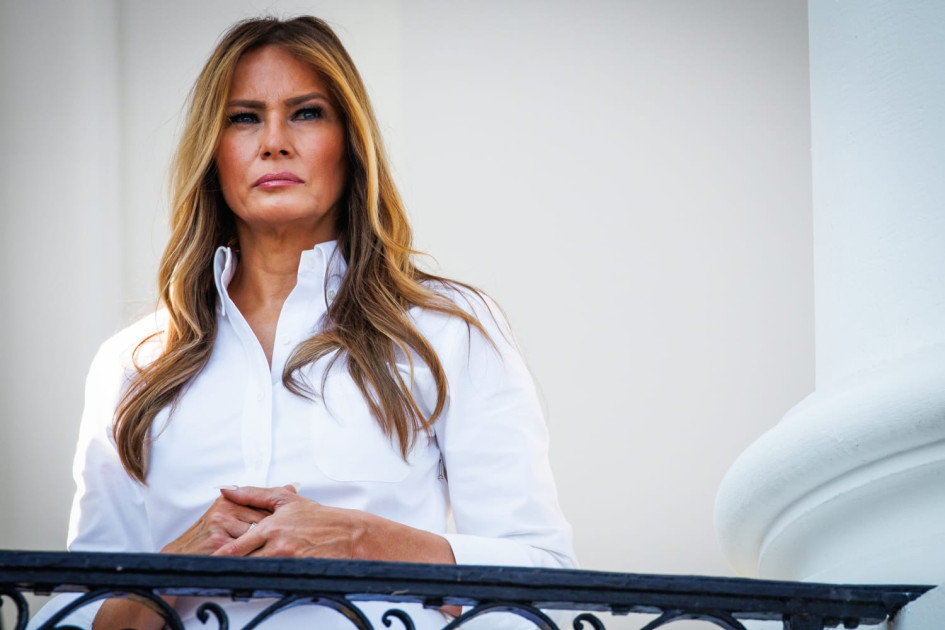
The Pre-emptive Lawsuit Strategy
Wolff’s lawsuit is what’s called a “declaratory judgment action” – he’s asking a court to declare that Melania Trump doesn’t have valid defamation claims against him before she actually sues. This is an unusual but not unprecedented legal strategy.
The theory is that when someone threatens to sue you, that threat itself can chill your speech even if they never follow through. You might retract true statements, apologize for things you didn’t do wrong, or stop speaking about certain topics entirely – not because you’re legally required to, but because you’re afraid of expensive litigation.
Wolff is essentially arguing that Melania Trump’s legal threat is itself a First Amendment violation because it’s designed to suppress speech through intimidation rather than vindicate legitimate defamation claims. He wants a court to declare that her threats are meritless so he can continue speaking without fear of being sued.
This strategy has several problems. First, Wolff still has to prove he’s likely to win a defamation case that hasn’t been filed yet. Second, he has to show that Melania Trump’s legal threat was objectively baseless – that no reasonable person could think his statements were defamatory. That’s a high bar, especially when The Daily Beast itself retracted the story.
Third, and most importantly, courts are generally reluctant to rule on hypothetical cases. They want actual disputes, not pre-emptive declarations about what might happen if someone eventually sues.
The Constitutional Defamation Standard
The First Amendment provides strong protections for speech about public figures, but it doesn’t protect defamation. The question is where the line falls between protected criticism and actionable defamation.
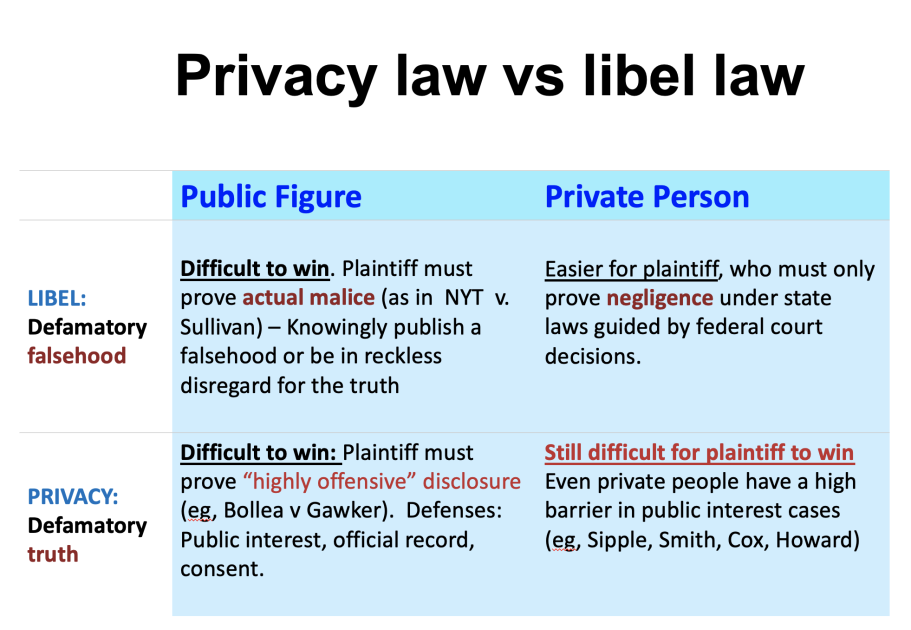
Under New York Times v. Sullivan (1964), public figures like Melania Trump must prove “actual malice” to win defamation cases – meaning the defendant either knew the statement was false or acted with reckless disregard for whether it was true. That’s an extremely high standard designed to protect robust debate about public figures.
Wolff would argue that his statements fall within protected speech about a public figure. He’s raising questions about Melania Trump’s introduction to her husband and whether Epstein was involved. Even if those questions are based on speculation or incomplete information, the First Amendment generally protects asking questions and offering theories about public figures.
Melania Trump’s lawyers would counter that Wolff stated as fact that she “was very involved in this Epstein relationship” without any evidence to support such a damaging claim. They’d argue he acted with reckless disregard for truth by making allegations he couldn’t substantiate about sensitive topics involving a convicted sex offender.
The First Amendment protects speech about public figures, but not defamation. The question is whether Wolff’s Epstein allegations cross that line.
The Strategic Litigation Argument
Wolff’s core argument is that the Trumps use defamation threats strategically to silence critics rather than to vindicate legitimate legal claims. He accuses them of seeking “to silence their speech, to intimidate their critics generally, and to extract unjustified payments and North Korean-style confessions and apologies.”
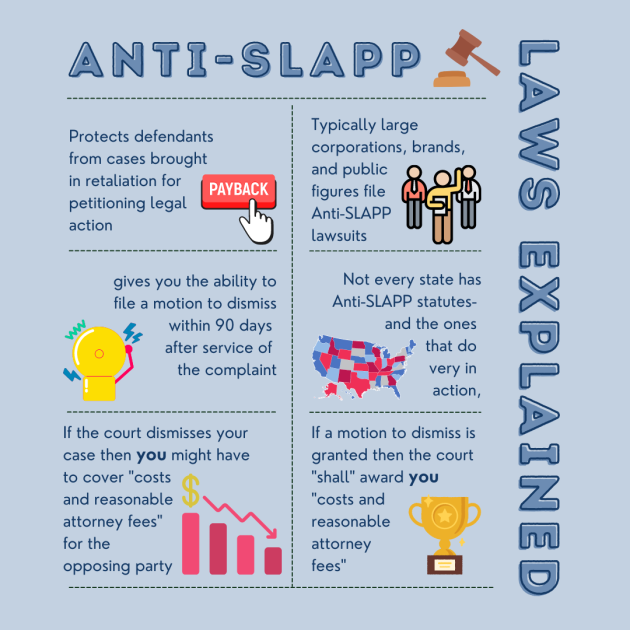
This is what’s sometimes called “SLAPP” litigation – Strategic Lawsuits Against Public Participation. The idea is that powerful people or entities file or threaten defamation suits not because they expect to win, but because the litigation process itself punishes critics through legal expenses, time, and stress.
Many states have anti-SLAPP laws designed to quickly dismiss frivolous defamation suits against people exercising First Amendment rights. These laws allow defendants to get cases dismissed early and recover attorney fees if the plaintiff can’t show a reasonable likelihood of success.
But SLAPP suits work even when they’re dismissed because the threat of litigation alone can chill speech. If you’re a journalist, author, or critic facing the prospect of expensive litigation against someone with unlimited legal resources, you might self-censor even if you’d ultimately win the case.
Wolff is arguing that this is exactly what’s happening – that Melania Trump’s legal threats are designed to create “a climate of fear” where people can’t “freely or confidently exercise their First Amendment rights” to discuss public figures.
The Discovery Gambit
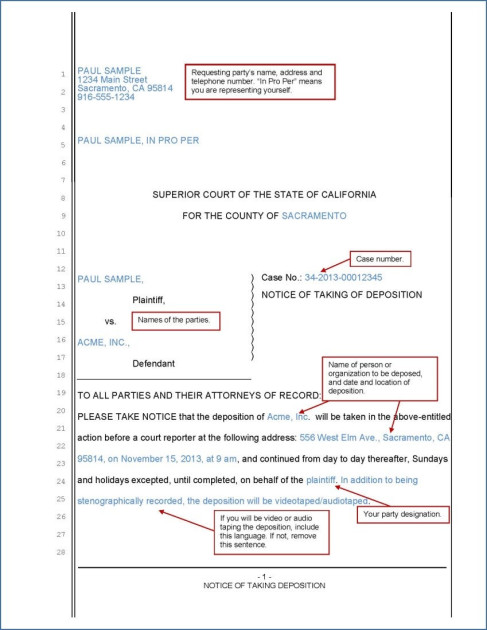
Wolff’s lawsuit has another strategic purpose: he “intends to put the Trumps under oath and face questions about the convicted sex offender” through depositions. This turns defense into offense – instead of answering questions about his allegations, he’s trying to force the Trumps to answer questions about Epstein.
This is a risky strategy. Courts might view it as using litigation process for improper purposes – essentially filing suit not to vindicate legal rights but to conduct discovery you couldn’t otherwise obtain. Judges generally don’t allow that.
But if Wolff’s case survives dismissal, he could potentially depose Melania Trump about her relationship (if any) with Epstein, how she met Donald Trump, and what she knew about Trump’s relationship with Epstein. That discovery could be extremely valuable even if Wolff ultimately loses the case.
The problem is that to get to discovery, Wolff first has to convince a court that he has a valid declaratory judgment claim – that Melania Trump’s defamation threats are objectively baseless. That’s difficult when even The Daily Beast retracted his story.
What the Founders Would Say
The Founders cared deeply about protecting speech, but they also recognized defamation laws. They understood that reputation matters and that false statements damaging someone’s reputation could be actionable.
Madison would probably be troubled by the idea that powerful figures use defamation threats strategically to silence critics. He believed informed public debate was essential to self-governance, and he’d worry about chilling effects from threatened litigation.
But Madison would also recognize that not all speech is protected. If Wolff made knowingly false statements or recklessly disregarded truth about Melania Trump’s connection to a convicted sex offender, Madison would likely support her right to vindicate her reputation through defamation law.
Hamilton, who was involved in several defamation disputes himself, would probably focus on whether Wolff can prove his allegations. Hamilton believed in vigorous political debate but also in accountability for false statements.
Jefferson would emphasize the importance of truth. His view was that false speech should be corrected through more speech and public debate, not through litigation. He’d be skeptical of using defamation law to suppress speech about public figures.
The First Lady Status Question
An interesting wrinkle: is Melania Trump a “public figure” for First Amendment purposes? Obviously yes in general, but the specific question is whether statements about her alleged introduction to Trump through Epstein involve matters of public concern.
Public figure status matters because it determines what standard applies in defamation cases. Public figures must prove actual malice; private figures only need to prove negligence in many states.
Melania Trump is clearly a public figure as First Lady. But she might argue that allegations about her personal life before becoming First Lady – specifically about how she met her husband – don’t involve matters of public concern and therefore shouldn’t receive maximum First Amendment protection.
Wolff would counter that a president’s connections to Jeffrey Epstein are inherently matters of public concern, and that the First Lady’s role in those connections (if any) is part of that public interest story.
The Office’s Response
“First Lady Melania Trump is proud to continue standing up to those who spread malicious and defamatory falsehoods as they desperately try to get undeserved attention and money from their unlawful conduct,” Nicholas Clemens, a spokesperson for the Office of the First Lady, said in a statement.
That response frames this as Melania Trump defending her reputation against false attacks, not as suppressing legitimate speech. It positions Wolff as someone seeking “attention and money” through “unlawful conduct” – essentially arguing his speech isn’t protected because it’s defamatory.
The statement doesn’t address Wolff’s central claim that legal threats are being used strategically to chill speech. Instead, it asserts that the threats are legitimate responses to defamation.
The Constitutional Reality
This case tests the boundaries between protected speech about public figures and actionable defamation. It also tests whether threatening defamation litigation can itself violate the First Amendment when used strategically to suppress speech.
Wolff faces significant legal obstacles. He has to prove that statements even The Daily Beast retracted were protected speech. He has to show that Melania Trump’s defamation threats were objectively baseless. And he has to convince a court to issue a declaratory judgment about a lawsuit that hasn’t been filed.
But he’s raising important questions about how powerful people use defamation law. If public figures can silence critics simply by threatening expensive litigation, even when the threats lack merit, that creates a chilling effect on speech about public figures that the First Amendment is supposed to protect.
The Supreme Court created the actual malice standard precisely to prevent this problem – to ensure that public debate about public figures remains “uninhibited, robust, and wide-open” even when that includes “vehement, caustic, and sometimes unpleasantly sharp attacks.”
Whether Wolff’s specific allegations about Melania Trump and Epstein fall within protected speech is a question for courts to decide based on evidence about what he knew, what he reasonably believed, and whether he acted with reckless disregard for truth.
But his broader argument – that powerful people weaponize defamation threats to suppress speech – resonates beyond this specific case. The First Amendment protects speech about public figures, but that protection only works if people aren’t afraid to exercise it. When legal threats create “a climate of fear,” as Wolff alleges, the constitutional protection becomes meaningless regardless of what the law says.
That’s the constitutional question at the heart of this case: does the First Amendment protect not just speech itself, but the ability to speak without fear of strategic litigation designed to punish rather than vindicate legitimate legal claims? Wolff is betting a court will say yes. Melania Trump is betting they’ll say he defamed her and has no right to do it again.
The answer will affect not just this case, but how public figures use defamation law to respond to criticism – and whether critics can speak freely about powerful people without facing legal threats designed to silence them.