
With a theatrical flair befitting his entire political career, former Congressman George Santos said farewell to the public Thursday night before beginning a long federal prison sentence.
“Well, darlings… The curtain falls, the spotlight dims, and the rhinestones are packed,” he wrote on social media.
His fall from grace was not just a legal matter resolved in a courtroom; it ended with the ultimate political punishment – expulsion from the U.S. House of Representatives. This rare and severe act places him in an exclusive club of just six members in 236 years to be cast out by their own colleagues. The story of who these six are, and why they were expelled, is a stark lesson in treason, corruption, and the constitutional power of Congress to police its own.
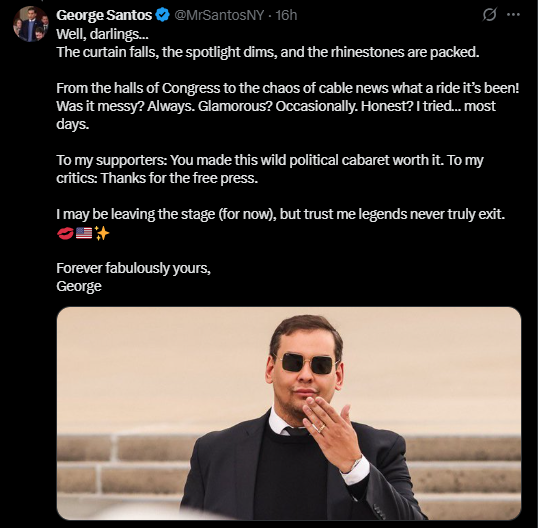
‘The Curtain Falls’ on a Political Cabaret
George Santos is scheduled to report to federal prison on Friday to begin serving an 87-month sentence – just over seven years.
His sentence comes after he pleaded guilty to a shocking array of crimes, including wire fraud and aggravated identity theft. The schemes involved fabricating campaign donor reports, stealing the credit card information of his own supporters – including the elderly – to pay for personal luxuries, and fraudulently claiming unemployment benefits while he was employed.

Elected in 2022, Santos’s time in Congress was a whirlwind of scandal after his entire life story – from his education and Wall Street career to claims of family ties to the Holocaust – was revealed to be a series of elaborate lies. He was formally expelled in December 2023 after a devastating House Ethics Committee report.
“To my supporters: You made this wild political cabaret worth it. To my critics: Thanks for the free press.” – George Santos in his farewell social media post.
A History of House Expulsion
Expulsion from the House of Representatives is the most severe penalty the body can inflict upon a member. It is so rare that it has only happened six times, falling into two distinct categories: treason and corruption.
The Civil War Rebels (1861): The first and largest wave of expulsions occurred at the dawn of the Civil War.
John B. Clark (D-MO), John W. Reid (D-MO), and Henry C. Burnett (D-KY): All three were expelled in 1861 for the same reason: disloyalty to the Union. They were formally charged with taking up arms against the United States and joining the Confederacy. Their expulsion established the House’s power to remove members for what it considers treason.
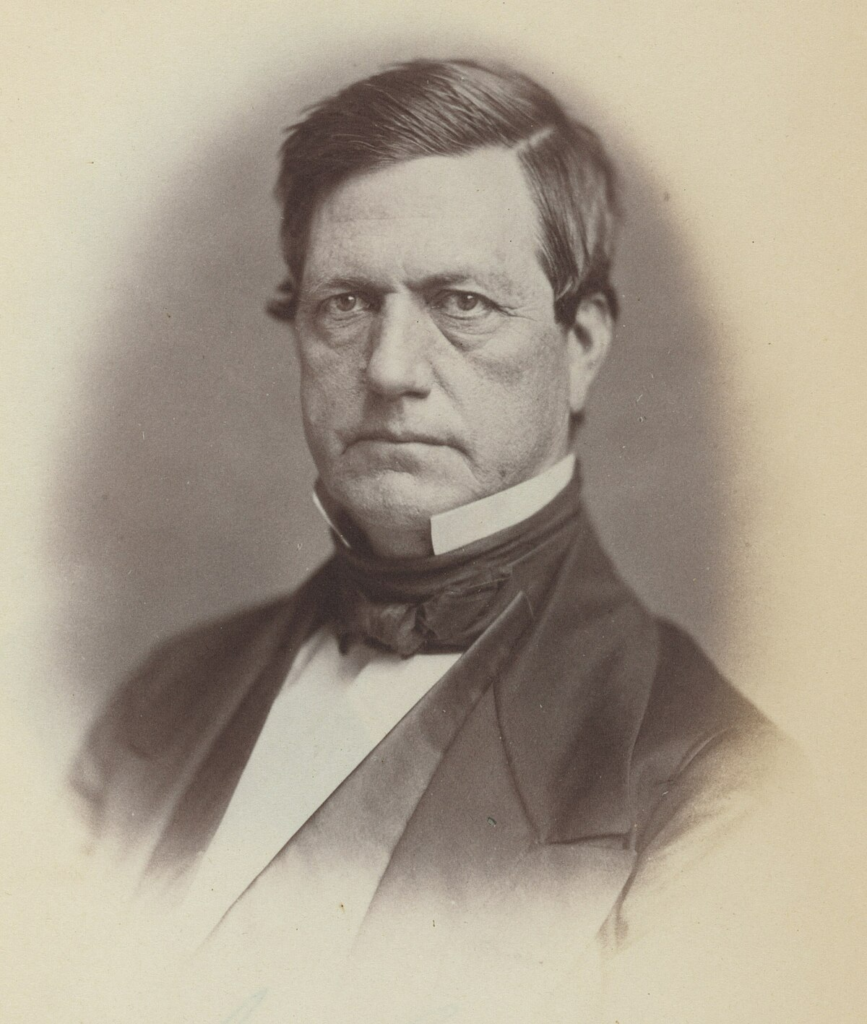
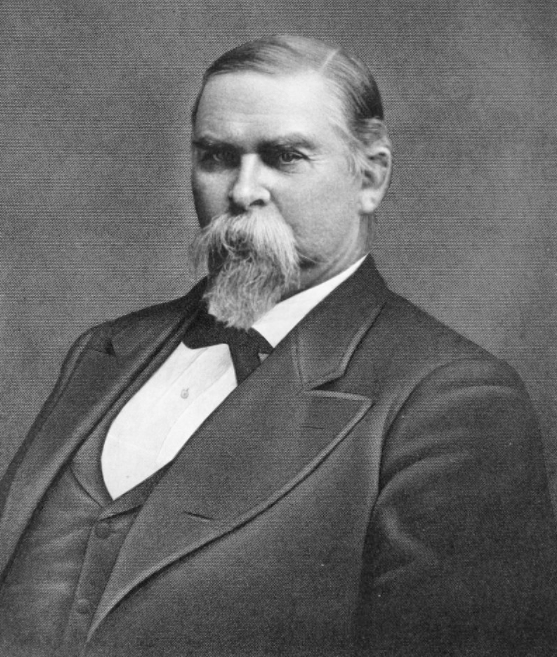
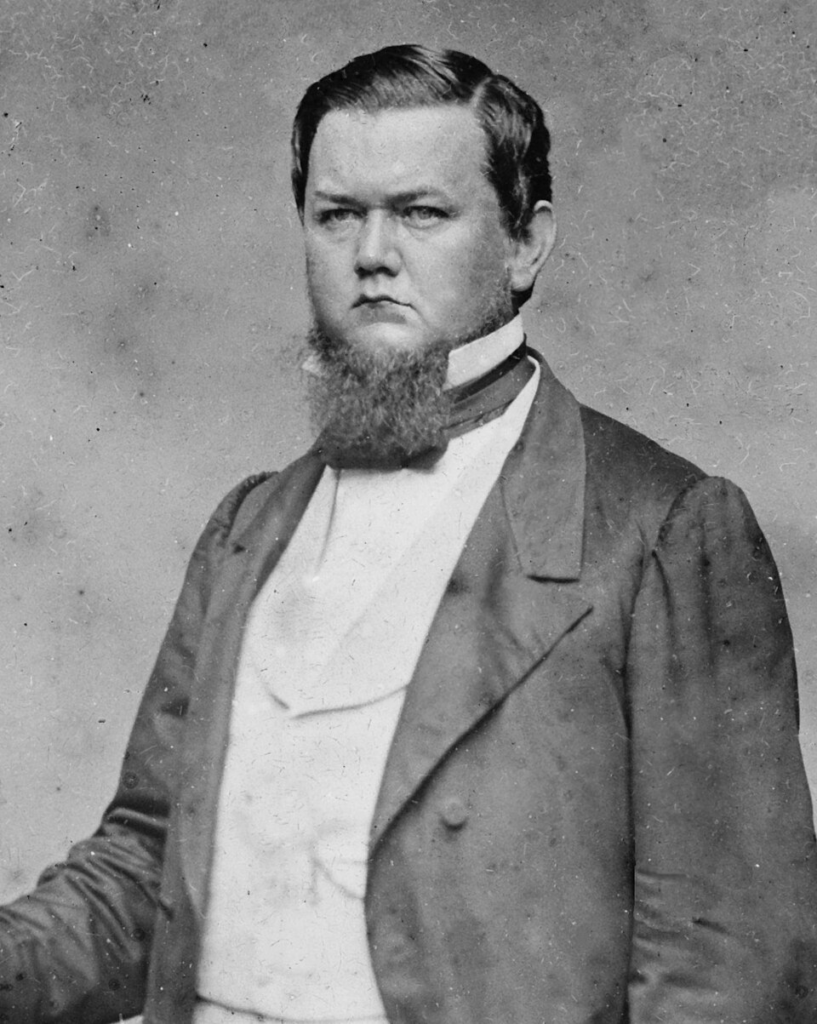
The Modern Corruption Cases: After the Civil War, nearly 120 years passed before the House used its expulsion power again. The next three cases all involved members convicted of serious criminal corruption.
Michael “Ozzie” Myers (D-PA), 1980: Myers was the first member to be expelled for corruption. He was a central figure in the infamous Abscam bribery scandal, where he was caught on FBI videotape accepting a cash bribe from an undercover agent posing as an Arab sheik. He was sentenced to three years in prison.
James Traficant (D-OH), 2002: The flamboyant and controversial Traficant was expelled after being convicted on ten felony counts, including bribery, racketeering, and tax evasion. He was sentenced to eight years in prison.
George Santos (R-NY), 2023: Santos is the first Republican ever to be expelled and the first member to be expelled without having first been convicted of a federal crime or having sided with the Confederacy. He was removed based on the overwhelming evidence presented in the House Ethics Committee report.

The Power to Expel
The authority for this ultimate punishment comes directly from the Constitution.
Article I, Section 5, Clause 2 states: “Each House may determine the Rules of its Proceedings, punish its Members for disorderly Behaviour, and, with the Concurrence of two thirds, expel a Member.”
This clause grants Congress one of its most potent tools of self-discipline. The bar is intentionally set high – requiring a two-thirds supermajority vote – which is why it has been used so sparingly.
The power to expel is a profound statement that Congress does not have to wait for a court’s verdict to guard its own honor. It is the ultimate act of institutional self-preservation.
This power operates entirely separately from the judicial system. It demonstrates that the legislative branch has the authority to police its own integrity and maintain public trust, regardless of the timeline or outcome of a criminal prosecution.
An Infamous Legacy
As George Santos begins his prison sentence, he is cemented into a small and infamous chapter of American history.
He joins a handful of men whose conduct was deemed so dishonorable that their own peers, by an overwhelming and bipartisan vote, declared them unfit to serve in the People’s House.
While the reasons for expulsion have evolved from treason in the 19th century to bribery and brazen fraud in the 20th and 21st, the constitutional principle remains unchanged. The House of Representatives reserves the ultimate right to purge those who disgrace the institution, ensuring that even in an age of intense partisanship, there is still a line that cannot be crossed.