
The American economy has reached a strange and unsettling tipping point.
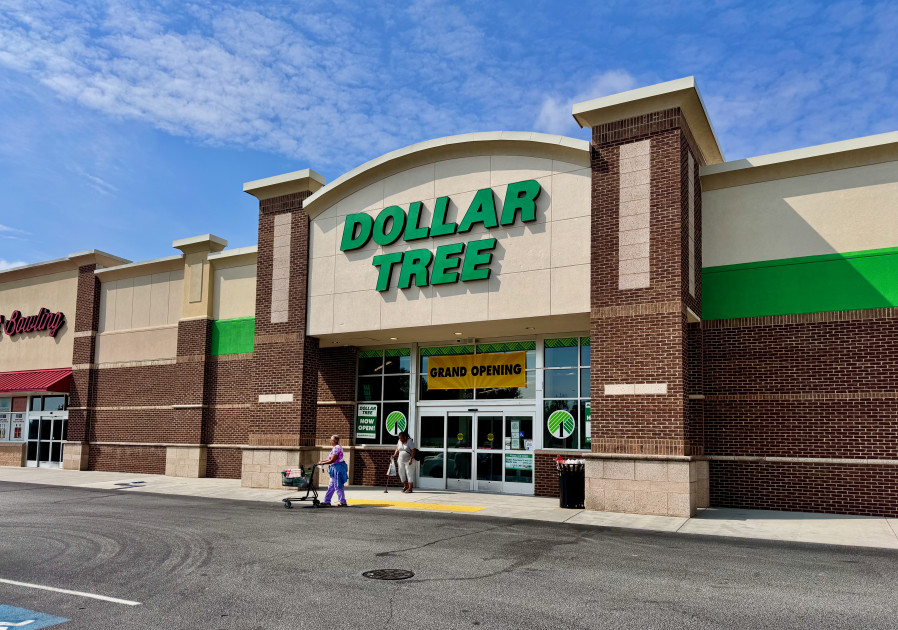
In a nation where the stock market is booming and unemployment is low, a new and visible trend is emerging in retail aisles across the country: the wealthy are shopping at the dollar store.
This shift is more than just a quirky consumer habit. It is a flashing red warning light on the dashboard of the American economy. It signals a profound affordability crisis that is now reaching up the income ladder, reshaping the electorate, and testing the political promises of the Trump administration.
At a Glance: The Affordability Crisis
- What’s Happening: High-income earners (those making over $100,000) are increasingly shopping at discount retailers like Dollar Tree and Dollar General.
- The Data: Dollar Tree reported that its fastest-growing customer demographic is households earning six figures.
- The Cause: Persistent inflation on essentials like groceries and housing is squeezing budgets across the board, forcing even affluent families to trade down.
- The Political Fallout: A new Politico/Morning Consult poll shows that nearly 70% of voters—including a majority of Trump supporters—say the President’s economic policies have not done enough to lower costs.
- The Constitutional Issue: The crisis highlights the limited power of the Executive Branch to control prices in a free market, despite campaign promises to fix inflation “on day one.”
The New Face of the Bargain Hunter
For decades, dollar stores were the retail refuge of the working poor. But according to new data from Fortune, that demographic is shifting rapidly.
In its latest earnings call, Dollar Tree revealed that the majority of its new customers in the last year have come from households earning over $125,000. This “trade-down” phenomenon is a direct response to the stubbornly high cost of living. When the price of a gallon of milk or a box of cereal at a premium grocery store jumps by 30%, even families with comfortable incomes start looking for alternatives.
“The stigma of the discount store is gone. It has been replaced by the necessity of the budget.”
This trend suggests that the official inflation numbers—which show prices stabilizing—are masking a deeper pain. The rate of inflation may have slowed, but the level of prices remains historically high, eating into the discretionary income of the upper-middle class.
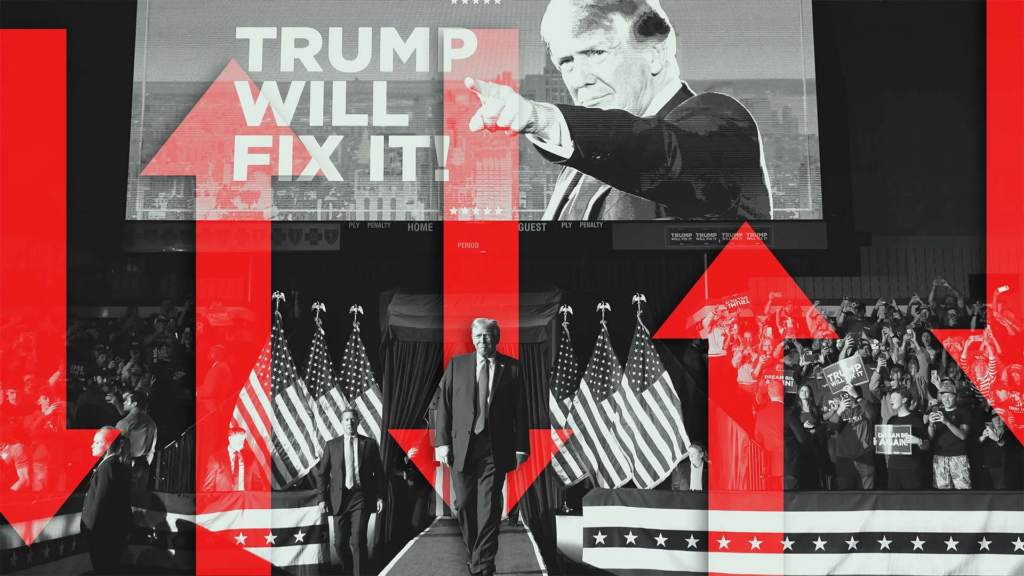
A Voter Revolt on Prices
The economic squeeze is translating directly into political discontent.
A new Politico/Morning Consult poll released Thursday delivers a sobering message to the White House. Despite the passage of the “One Big Beautiful Bill” and its tax cuts, voters are not feeling the relief.
- 68% of voters say the administration has done “too little” to reduce the cost of living.
- Crucially, 54% of Republicans agree with that statement.
This is a dangerous signal for President Trump. His base, which cheered his promises to slash prices and unleash energy production, is now signaling impatience. The gap between the glowing macroeconomic data touted by the White House and the kitchen-table reality of voters is widening.

The Limits of Presidential Power
This crisis exposes a hard constitutional truth: the President of the United States has very few tools to directly control the price of eggs or rent.
While the President can influence the economy through trade policy (like tariffs), energy policy (like drilling permits), and fiscal policy (like tax cuts), he cannot simply order prices to go down. The Commerce Clause gives Congress the power to regulate interstate markets, but even that power is limited by the free market principles embedded in the nation’s laws.
“The President promised to fix inflation. But the Constitution does not grant him a magic wand to lower prices. His tools—tariffs, tax cuts, and deregulation—are blunt instruments that take time to work, and sometimes have unintended consequences.”
The administration’s primary tool—tariffs—may actually be exacerbating the problem. Economists warn that the new import taxes on goods from China and other nations are being passed on to consumers, keeping prices high even as the administration tries to lower them.
The Dollar Store Election?
The sight of luxury cars in the parking lot of the local dollar store is a potent symbol of the 2025 economy.
It suggests that the affordability crisis is no longer confined to the margins of society; it has moved into the suburbs and the professional class. If families earning six figures feel too squeezed to shop at a regular grocery store, the political pressure on the administration to “do something” will only intensify.
As the 2026 midterms approach, the true test of the Trump economy may not be the stock market ticker, but the checkout line at Dollar Tree.