
As the 2024 election fades into the rearview mirror and the 2025 legislative calendar begins to heat up, Donald Trump has returned to one of his favorite political catchphrases: the promise of a “big, beautiful bill.” He used it in 2017 to sell sweeping tax cuts.
Now, in 2025, he’s dusting off the phrase and repurposing it—this time in anticipation of the looming expiration of those very same tax provisions.
But what exactly does he mean this time? And what should Americans expect from the next “big, beautiful bill” Trump keeps teasing in his public statements and social media posts?
To understand what’s happening now, it’s worth retracing the path of Trump’s original tax cuts, the fiscal fallout they caused, and the political storm that’s brewing as many of their core elements are set to vanish at the end of this year.
The Countdown to Expiration
The Tax Cuts and Jobs Act of 2017 was Donald Trump’s signature legislative win during his first term. It delivered sweeping tax cuts to corporations, created modest short-term benefits for most individual taxpayers, and overhauled key deductions. But one of the most important aspects of that bill—often overlooked by the public—was that its individual tax provisions were temporary.
Those provisions are set to expire on December 31, 2025.
If Congress does nothing, tax rates for individuals and families will automatically revert to pre-2017 levels.
- The standard deduction will shrink
- The child tax credit will drop
- The estate tax threshold will fall significantly
The result: most Americans will see their taxes go up in 2026, regardless of income bracket.
Trump’s New Pitch: Save the Tax Cuts, Again
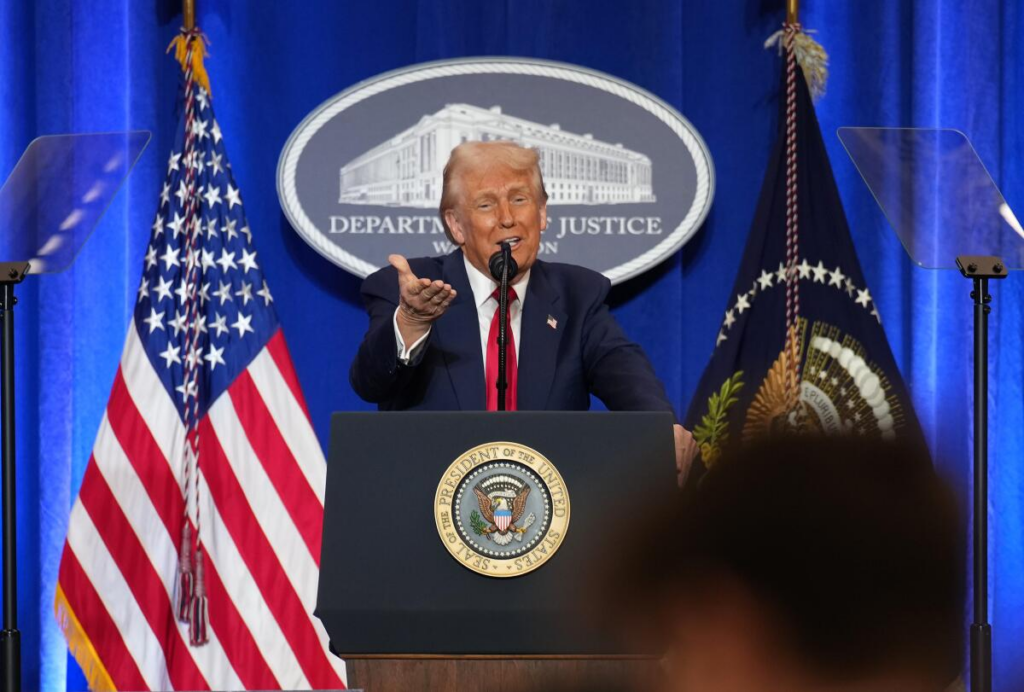
Sensing a political opening, Trump has begun promising a new “big, beautiful bill” to protect Americans from those looming tax hikes. He frames it as a defense of working families and small businesses, warning that if Congress fails to act, Washington’s dysfunction will hit people directly in the wallet.
But so far, his proposal is more rhetorical than legislative. Trump has not released a formal plan. He’s offered no clear path to pay for a permanent extension of the tax cuts, nor has he addressed how it would affect the growing national debt.
Instead, he’s relying on a familiar strategy: lean on branding, let Congress haggle over the details, and position himself as the only one who can make the deal happen.
This approach worked in 2017. Whether it can work again in 2025 is less certain.
What’s Really at Stake for Taxpayers
If the 2017 tax cuts are allowed to expire, the consequences will be felt across nearly every income group. While the size of the impact varies, the general pattern is clear: most Americans will owe more, especially those with children, mortgages, or who benefited from expanded deductions.
Here’s what expiration would look like for different groups:
- Middle-class families will lose part of the child tax credit and see higher marginal rates.
- Homeowners in high-tax states could regain full SALT deductions, but also lose caps and rate advantages.
- Wealthy households will face a lower estate tax exemption and higher top-bracket rates.
- Low-income households may see modest tax hikes and reduced credits, depending on household size.
For example, a family of four earning $85,000 could see their tax bill increase by $1,500 or more if the provisions lapse. Even households that saw only minor savings under the 2017 law would still feel the difference when those breaks disappear.
The Budget Battle Beneath the Surface
The political challenge of Trump’s renewed tax promise isn’t just the ticking clock—it’s the price tag. Extending the 2017 tax cuts permanently is projected to cost roughly $3.5 trillion over the next decade.
That would come on top of the already ballooning federal debt, which passed $35 trillion earlier this year.
Democrats argue that any extension must be offset with new revenue—typically by raising taxes on corporations and the wealthy. Republicans insist the cuts should be made permanent without offsets, claiming they drive economic growth and benefit small businesses.
Caught in the middle are moderate lawmakers, budget hawks, and a public that increasingly distrusts Washington’s ability to govern responsibly. If no compromise is reached, tax policy will automatically shift on January 1, 2026—a silent tax increase by legislative inaction.
Trump’s Rhetorical Strategy
Trump’s return to the “big, beautiful bill” branding isn’t just about economics—it’s about narrative control. By framing himself as the author and defender of the 2017 law, he positions himself as the only leader capable of preventing a tax hike and saving the middle class from a Democratic-led financial hit.
The phrase itself—”big, beautiful bill”—doesn’t signal a specific policy. It’s designed to evoke confidence, simplicity, and authority. It’s a sales pitch, not a legislative summary.
But that doesn’t mean it’s ineffective. With a fractured Congress and tight margins in both chambers, public opinion could determine whether lawmakers act—or punt the issue into the next election cycle. Trump knows that and is already campaigning not just for political support, but for ownership of the conversation.
What Comes Next
The coming months will be critical. Congress must decide whether to extend, revise, or let expire the cornerstone of Trump’s economic legacy. If they act, they’ll have to do it in a divided political environment with little room for error. If they don’t, voters will feel the consequences directly on their 2026 tax returns.
Trump’s revived slogan might not be attached to a bill yet, but it has already re-entered the political bloodstream. And if recent history is any guide, that may be enough to shape the debate—even before the legislation is written.
Whether this next “big, beautiful bill” becomes reality or remains campaign theater will depend on more than branding. It will require real negotiations, hard fiscal choices, and a reckoning with the legacy of a law that changed America’s tax system once—and may do so again.