
What is the price of an unconstitutional act? For the Trump administration’s now-illegal tariffs, the bill is coming due, and it could be over $200 billion. The decision by a federal appeals court to strike down the President’s use of an emergency law to impose his sweeping trade taxes has created a massive, chaotic, and economically perilous fallout.
This is about the real-world consequences that occur when a president oversteps his constitutional authority. It is a powerful lesson in the separation of powers and a stark reminder that in our republic, no one – not even the President – is above the law.
A Constitutional Rebuke
The legal battle has been raging for months, but the recent ruling from the U.S. Court of Appeals for the Federal Circuit was a clear and forceful rebuke. The court found that President Trump acted unlawfully when he used the International Emergency Economic Powers Act (IEEPA) – a law designed for national security crises – to impose across-the-board tariffs on our trading partners.
The court’s decision reaffirmed a foundational constitutional principle: under Article I, the power to regulate foreign commerce and to lay tariffs belongs squarely with Congress. The judiciary has performed its duty and checked the President’s executive overreach. Now, the nation must grapple with the chaotic aftermath.
The $210 Billion Question
Since the tariffs were imposed, American businesses have paid over $210 billion to the U.S. Treasury to import goods. Now that those tariffs have been declared illegal, a fundamental principle of the rule of law demands that this illegally collected money must be refunded.
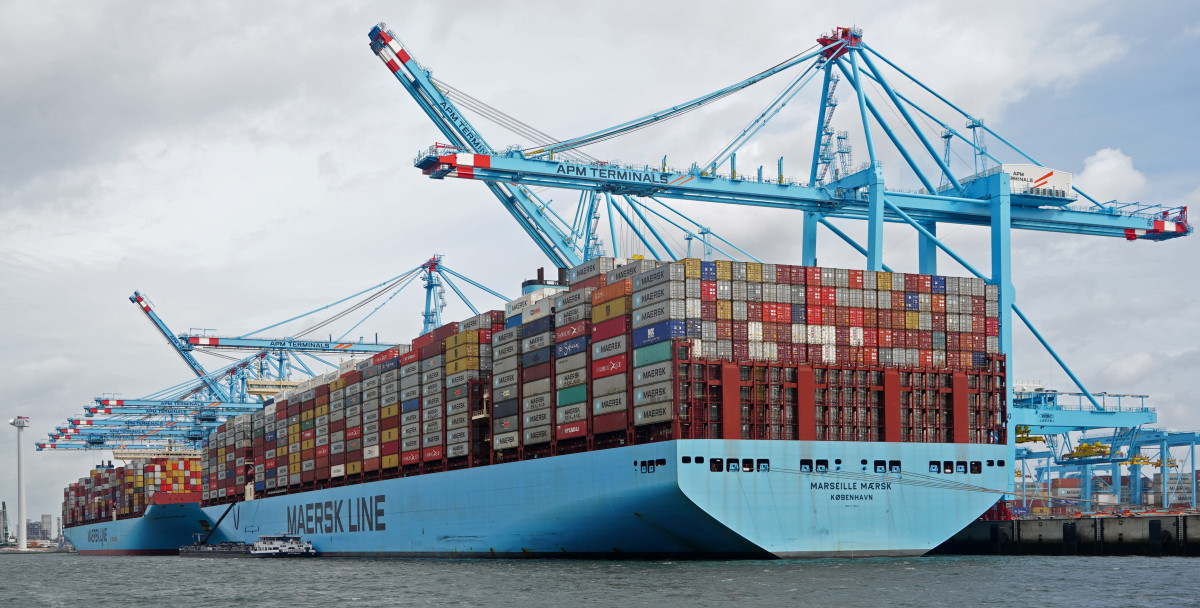
This has created a new and complex legal battle. As trade lawyers have pointed out, the process will not be simple. The government could argue the ruling only applies to the specific businesses that sued, forcing every other company to file its own lawsuit.
The more likely scenario is a complex and lengthy administrative refund process that will create years of uncertainty for American businesses.
The Unintended Consequences of a Constitutional Remedy
The prospect of a massive, $200+ billion refund to American businesses creates a profound economic paradox for the average American.
Surging National Debt & Higher Interest Rates: The U.S. government has already spent the tariff revenue as part of its general fund. To pay it back, the Treasury will have to borrow more money, likely by selling more bonds. This sudden surge in government borrowing could push interest rates higher, making it more expensive for families to get a mortgage or a car loan.
The Return of Inflation: An sudden injection of over $200 billion in cash back into the economy, especially at a time when the administration is pressuring the Federal Reserve to cut interest rates, could “unleash the inflation genie,” as one economist warned. This would mean higher prices at the grocery store and the gas pump for every American.

This entire saga is a powerful and cautionary tale. The President’s decision to bypass Congress and act unilaterally on tariffs has led us to this moment. The judiciary has performed its constitutional duty and checked that overreach.
Now, the nation is left to grapple with the chaotic and economically dangerous consequences. It is a stark reminder that in our constitutional system, there is always a price to be paid for ignoring the rule of law.