
The Senate voted Monday night to end the longest government shutdown in American history. Eight Democratic senators joined Republicans to pass funding legislation that will reopen federal agencies, restore SNAP benefits, and send paychecks to hundreds of thousands of workers who’ve gone without pay for 40 days.
The measure now heads to the House, where Speaker Mike Johnson hopes for a vote Wednesday evening. President Trump says he supports the deal and predicts the House will vote “positively.” Transportation Secretary Sean Duffy promises air traffic controllers could receive 70% of their back pay within 48 hours of the government reopening.
But here’s what nobody’s saying clearly: Even if the House passes this bill tomorrow, the damage from 40 days without functioning government won’t disappear on a timeline anyone can predict. Air traffic controllers who’ve already quit aren’t coming back. Flight schedules mangled by escalating FAA restrictions won’t snap back to normal by Thanksgiving. SNAP recipients caught in legal whiplash will still face uncertainty even as funding theoretically resumes.
The shutdown is ending. Whether the systems it broke can be fixed is a different question entirely.
The Flight Reductions That Keep Escalating
The Federal Aviation Administration’s emergency order requires airlines to cut flights at 40 major airports by 6% today, 8% by Thursday, and 10% by Friday. Those aren’t projections – they’re mandated reductions that airlines must implement seven days in advance.
Which means even if the government reopens Wednesday, the flight cancellations already scheduled through Friday are locked in. Airlines can’t easily reinstate flights once they’re canceled and passengers have been notified. The recovery timeline, according to pilot and aviation consultant Kit Darby, could take “a week or two” after controllers return to work.
Transportation Secretary Duffy acknowledged this reality Tuesday while simultaneously promising normalization: “We’re going to start to alleviate the restrictions that – we’re at 6% now – we’ll alleviate that only when the data says we should.”
That’s not a recovery timeline. That’s an admission that even after the shutdown officially ends, flight disruptions will continue based on whether air traffic controllers actually return to work and in what numbers.
The window for “sufficient recovery before Thanksgiving” is closing. If the House doesn’t pass funding by the end of this week, experts agree Thanksgiving travel will be disrupted. Even if it does pass, some damage is already baked in.
The Controllers Who Aren’t Coming Back
Air traffic controllers have missed two full paychecks since October 1. They’ve worked essential jobs without compensation for 40 days while trying to feed families, pay rent, and cover medical bills.
Some found other work. Some retired early. Some simply decided they’re done subjecting themselves to a system where political dysfunction means working without pay for months at a time.
Transportation Secretary Duffy acknowledged the human cost Tuesday: “We have some controllers who are put in a very difficult position. They’re young, they don’t make a lot of money … they were confronted with a real problem. ‘Do I feed my family, or do I try to find another pathway to put food on the table?’”

Those who left aren’t coming back just because the government reopens. The FAA has reported 639 staffing problems since October 1 – more than six times the number from the same period last year. Some of that shortage is now permanent.
President Trump promised $10,000 bonuses for controllers who worked the entire shutdown. That may incentivize those who stayed. It does nothing for positions now vacant because workers decided they couldn’t afford to keep showing up without paychecks.
The staffing shortage that forced flight reductions won’t resolve simply because funding resumes. It will take months to hire and train new controllers, if they can be recruited at all.
The TSA Officer Who Can’t Afford Her Baby’s Doctor Visit
Mary Becker has worked for TSA at Sacramento International Airport for nine years. She’s experienced two previous shutdowns. This one, she told CNN affiliate KXTV, feels different because she’s a single mother with a 9-month-old daughter.
Becker has missed two paychecks. She’s asked for help buying diapers and goat milk formula for Alice, who has a dairy allergy. When Alice caught hand, foot and mouth disease and needed to see the pediatrician four times in two weeks, Becker had to ask the doctor’s office to delay the $50 copay.
“I can’t afford the $50 right now,” she explained.
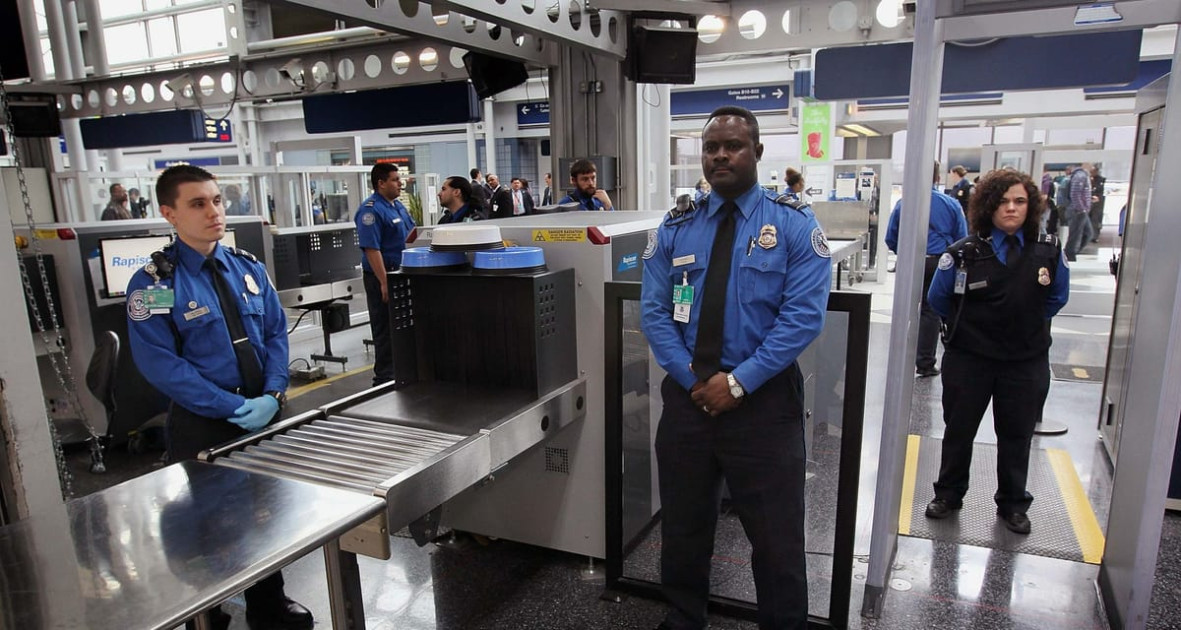
This is the human arithmetic of government dysfunction. A federal employee with nine years of service can’t afford a $50 copay for her sick infant because she’s worked without pay for 40 days.
When the government reopens and Becker receives 70% of her back pay within 48 hours, as Secretary Duffy promises, she’ll still be weeks away from catching up financially. The formula she couldn’t afford to buy, the medical bills she had to defer, the asks for help that carried their own cost in dignity – none of that gets retroactively erased.
The SNAP Legal Whiplash That Continues
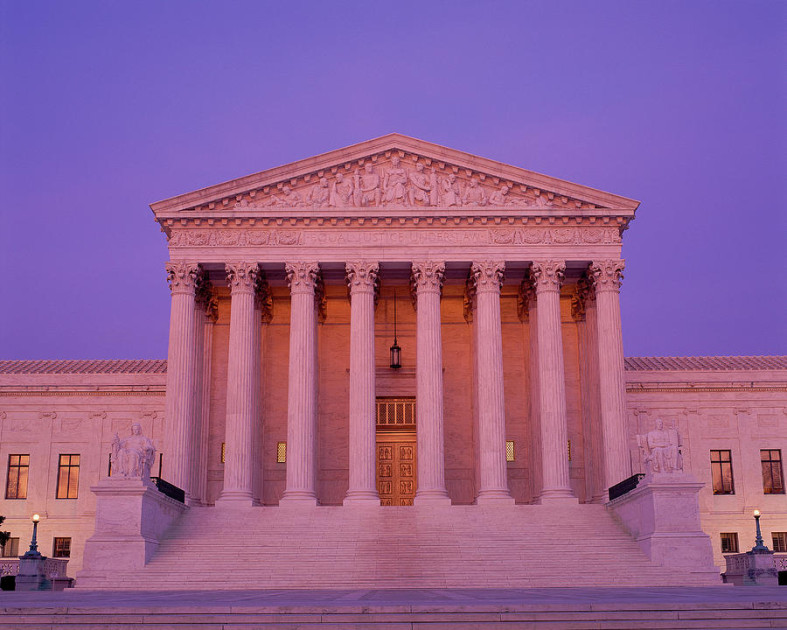
The Supreme Court faces a midnight deadline Tuesday to resolve an emergency appeal over full SNAP benefits for 42 million Americans. Justice Ketanji Brown Jackson issued an administrative stay Friday that temporarily allowed the government to withhold full benefits. That stay expires at 11:54 PM Tuesday.
If it lifts, a lower court order takes effect requiring the administration to spend an additional $4 billion on the program. If Jackson or the full Court extends the stay, SNAP recipients remain in limbo even as Congress moves toward reopening the government.
The Agriculture Department has issued four different guidance memos to states about distributing benefits since the shutdown began. Recipients have experienced whiplash – promises of partial benefits, then full benefits, then partial again, all while courts issue conflicting orders that get stayed, reversed, and appealed.

Even when funding resumes, the administrative chaos of restarting full benefit distribution after 40 days of dysfunction won’t resolve instantly. States need guidance. Systems need updating. Recipients need certainty about what they’re getting and when.
The legal questions about whether the administration violated the law by withholding benefits remain unresolved. Reopening the government likely makes those cases moot, but it doesn’t answer whether the withholding was constitutional or provide any remedy for the 40 days recipients went without full assistance.
Democrats Still Fighting Over Who Surrendered
Senate Minority Leader Chuck Schumer didn’t vote for the funding measure Monday night. He didn’t need to – eight members of his caucus broke ranks and provided the votes to reach 60.
Now Schumer faces fury from progressives who argue he allowed centrists to cut a deal that abandoned the party’s core demand: extending Affordable Care Act subsidies beyond their December 31 expiration date.
House Minority Leader Hakeem Jeffries defended Schumer Tuesday, telling CNN’s Wolf Blitzer that Schumer “did not bless this agreement with Republicans.” He emphasized that the eight senators who voted yes “are going to have to explain themselves. This fight continues.”
That internal Democratic warfare matters because it reveals the party hasn’t resolved the fundamental question: Was ending the shutdown worth giving up leverage on healthcare?
The eight who voted yes – none facing reelection until 2028 at the earliest, with two retiring – decided the answer was yes. The rest of the caucus disagrees. Jeffries says House Democrats will “strongly oppose any legislation that does not decisively address the Republican health care crisis.”
Which sets up a fascinating dynamic: The Senate has passed funding to reopen the government. House Democrats plan to oppose it because it doesn’t include healthcare guarantees. Whether they follow through on that threat, or whether political reality forces them to vote yes while complaining loudly, will reveal how much the 40-day shutdown changed Democratic calculations about leverage.
Republicans Promise Healthcare Negotiations They Don’t Have To Honor
The deal includes a Republican promise to hold a vote on extending ACA subsidies within a month. That promise is worth examining closely.
GOP Representative Mike Lawler of New York said Tuesday he’s willing to extend subsidies for one year, though he wants income thresholds lowered “so that somebody making $600,000 is not being subsidized by taxpayers to buy a health care plan.”
That qualification reveals how these “negotiations” will proceed. Republicans will offer extensions with conditions Democrats find unacceptable. When Democrats reject those conditions, Republicans will claim they tried to negotiate but Democrats refused to compromise.
Nothing in the funding deal requires Republicans to offer any specific extension. Nothing prevents them from bringing up a bill so loaded with poison pills that Democrats can’t possibly vote for it. Nothing stops them from simply not bringing up healthcare at all and shrugging when January 1 arrives and subsidies expire.
Democrats traded their shutdown leverage for a promise Republicans don’t have to keep. Whether that was necessary to end the shutdown or simply capitulation depends on whether you believe continuing the shutdown would have eventually forced better terms.
Forty days suggests it wouldn’t have. Republicans proved willing to outlast Democrats on tolerating the pain. The promise to negotiate healthcare is exactly what Democrats could have gotten on day one – they just inflicted 40 days of suffering first.
Speaker Johnson’s Attendance Problem
The House plans to vote Wednesday evening, but Speaker Johnson faces an unusual challenge: getting members back to Washington during the travel chaos their shutdown helped create.
With the narrowest possible majority and Democrat Adelita Grijalva being sworn in Wednesday, Johnson can afford to lose only two Republican votes on a party-line measure – assuming full attendance.
But members are scattered across the country after Johnson kept the House out of session during the shutdown fight. Many attended Veterans Day events in their districts Tuesday. Now they’re trying to return to Washington while airports report cancellations and delays from the FAA’s emergency restrictions.
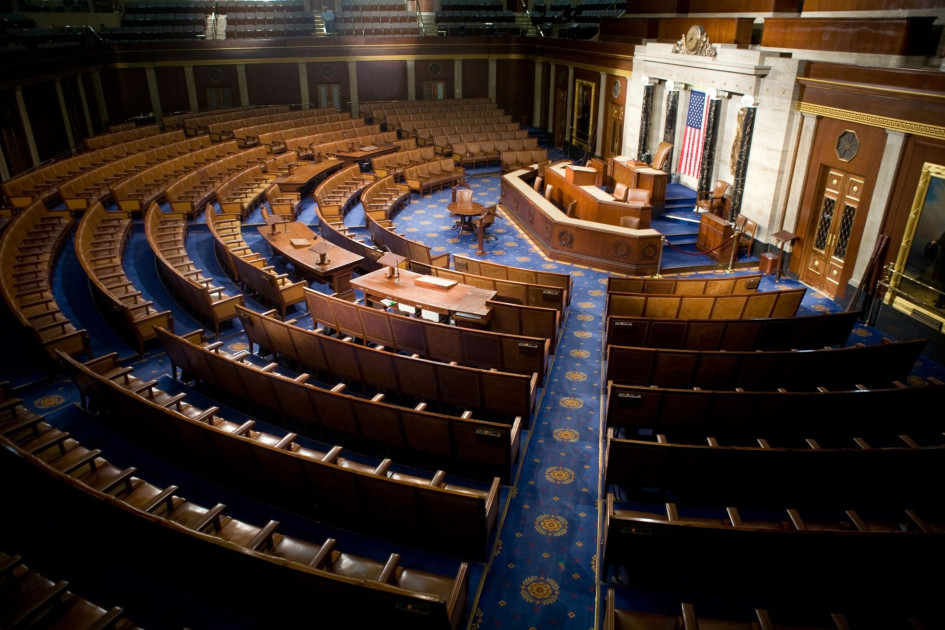
GOP sources tell CNN they’re not anticipating attendance issues, but acknowledge it’s too early to know for sure. The arithmetic is simple but brutal: If air travel chaos prevents even a handful of members from making it back, Johnson’s math collapses.
The shutdown is creating practical barriers to ending itself. That irony would be amusing if it weren’t so perfectly representative of how thoroughly the dysfunction has infected every system it touched.
Trump’s Victory Lap At Arlington
President Trump used his Veterans Day remarks at Arlington National Cemetery to congratulate House Speaker Mike Johnson and Senate Majority Leader John Thune on “a very big victory.”
“We’re opening up our country,” Trump said. “Should have never been closed.”
That statement deserves examination. The government closed because Trump and congressional Republicans couldn’t reach agreement with Democrats on funding. Both sides share responsibility for the impasse. Whether it “should have never been closed” is accurate – but whose fault the closure was remains disputed.
Trump also used the Veterans Day ceremony to push his proposal renaming the holiday “Victory Day” – a suggestion that’s drawn criticism for honoring conflicts rather than those who fought in them. He touted his administration’s record on veterans issues while straying into attacks on predecessors: “We fired thousands of people who didn’t take care of our great veterans. They were sadists, they were sick people, they were thieves.”
The mixture of honoring veterans, taking credit for ending the shutdown, renaming holidays, and attacking previous administrations captured Trump’s approach to moments of national significance. Whether that’s appropriate for a solemn Veterans Day ceremony is a judgment about decorum, not policy.
The Airlines That Canceled Hundreds of Flights Preemptively
To comply with the FAA’s emergency order, major carriers canceled more than 800 flights before Tuesday even began:
Southwest canceled approximately 155 flights for Tuesday and 145 for Wednesday. Delta canceled 220 flights for Tuesday. United grounded 269. American canceled about 200.
All offered to waive change fees and provide refunds, even for travelers whose specific flights weren’t directly impacted. That flexibility helps passengers adjust plans, but it doesn’t change the reality that hundreds of flights simply aren’t operating.
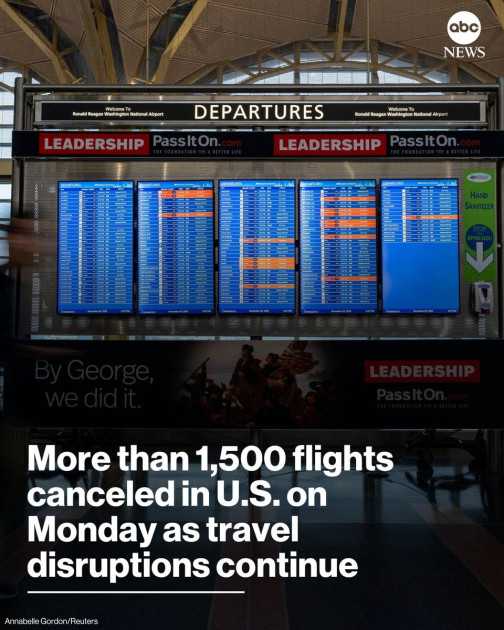
These cancellations represent the FAA’s determination that air traffic control staffing couldn’t safely handle normal flight volumes. Even if the government reopens Wednesday, those flights aren’t coming back Thursday. The airline industry will need time to rebuild schedules, reassign crews, and communicate changes to passengers.
Secretary Duffy predicted that if the shutdown had continued through Thursday and Friday, cancellations and delays would have been “double, triple” what the weekend saw. That gives context for how severe the situation became – but it also means the reductions already ordered through Friday represent significant ongoing disruption regardless of when funding passes.
Travelers Stuck In Vegas Isn’t The Worst Problem
Travelers at Newark Airport Tuesday morning expressed cautious optimism about their immediate flights while acknowledging uncertainty about returns. One woman heading to Las Vegas joked that if she gets stuck there, “that’s a good place to be stuck at.”
That lighthearted response to potential travel disruption reveals something about who the shutdown affects most severely. Travelers who can joke about getting stuck in vacation destinations have resources and flexibility. They can rebook, adjust plans, absorb costs.
Mary Becker, the TSA officer who can’t afford her baby’s $50 copay, doesn’t have that flexibility. SNAP recipients trying to buy groceries with 65% of normal benefits can’t treat disruption as an adventure. Air traffic controllers who quit because they couldn’t work without pay weren’t making lifestyle choices about vacation extensions.

The shutdown’s damage stratifies by economic security. Those with resources experience inconvenience. Those without experience crisis. That stratification persists even as the shutdown ends, because recovery timelines follow the same pattern.
Affluent travelers will adjust their Thanksgiving plans and eventually reach their destinations. Federal workers living paycheck to paycheck will spend months catching up on deferred bills and depleted savings. The gap between those experiences isn’t just about the shutdown – it’s about how economic inequality shapes who can weather institutional dysfunction.
The Healthcare Fight That’s Just Beginning
Republicans promise a vote on ACA subsidies within a month. What that vote looks like, and whether it happens at all, will determine whether Democrats’ surrender was pragmatic or catastrophic.
If Republicans offer a clean one-year extension of current subsidies, Democrats can claim the 40-day shutdown accomplished something. If Republicans offer nothing, or offer extensions loaded with unacceptable conditions, Democrats will have ended the shutdown with nothing to show for it.
Representative Lawler’s Tuesday comments suggest which scenario is more likely. He’s willing to extend subsidies, but wants income thresholds lowered. That means negotiations over who qualifies, not whether subsidies continue. Democrats will face choices between accepting narrower coverage or watching subsidies expire entirely.
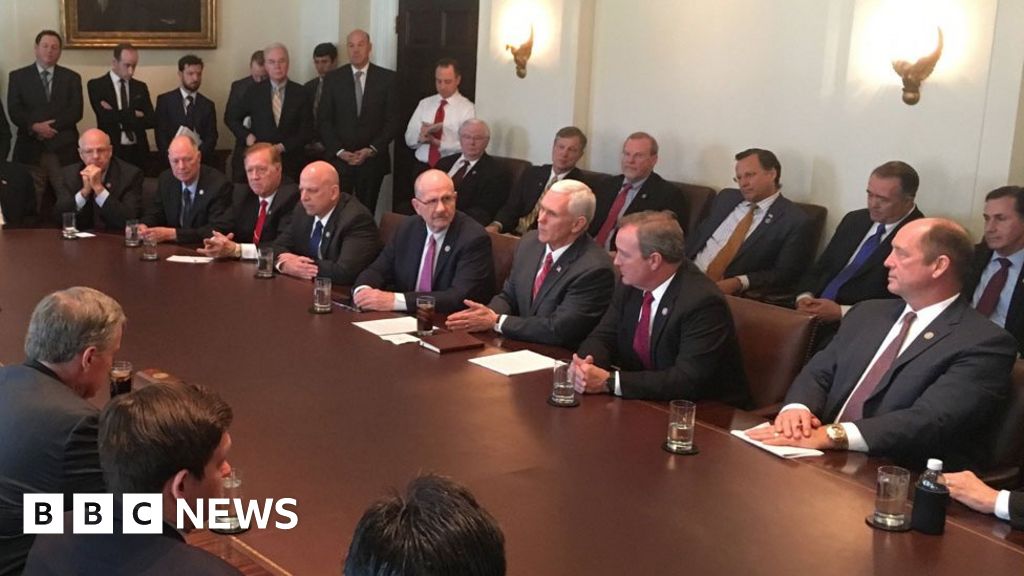
House Minority Leader Jeffries says Democrats will “strongly oppose” anything that doesn’t “decisively address the Republican health care crisis.” That sounds firm. It also sounded firm when Democrats said they wouldn’t reopen the government without healthcare guarantees – until eight senators decided otherwise.
Whether House Democrats maintain that opposition, or whether political reality forces them to accept whatever Republicans eventually offer, will reveal how much leverage the shutdown actually provided. The next four weeks answer whether Democrats negotiated from strength or simply postponed acknowledging weakness.
When “Data” Determines Recovery
Secretary Duffy’s promise to “alleviate the restrictions only when the data says we should” represents honest acknowledgment that nobody knows how long recovery takes.
The “data” is controller staffing levels, which depend on how many come back to work and whether new ones can be recruited and trained. It’s flight safety metrics, which determine how many operations airports can handle. It’s passenger confidence, which affects whether people book travel during uncertain times.
None of that data resolves quickly. Controllers who quit during the shutdown aren’t tracked by real-time metrics – they’re just gone, leaving gaps that take months to fill. Training new controllers takes years. Rebuilding passenger confidence requires consistent performance over time.

So when Duffy says restrictions will lift when data permits, he’s describing a process measured in weeks or months, not days. The government may reopen Wednesday, but the flight disruptions it caused won’t end on any schedule politicians can announce.
That mismatch between political timelines and operational reality characterizes the entire shutdown aftermath. Leaders can declare victory, pass funding bills, and congratulate themselves on reopening government. The actual systems they broke don’t care about those declarations. They recover on their own timelines, which are longer and messier than anyone wants to admit.
The Supreme Court’s Midnight Deadline Nobody’s Watching
While Congress negotiates shutdown endings and travelers worry about Thanksgiving flights, the Supreme Court faces an 11:54 PM Tuesday deadline on SNAP benefits that will likely get resolved through extension rather than decision.
If the House passes funding Wednesday and Trump signs it, the legal case becomes moot. The Court won’t need to rule on whether withholding benefits violated the law because benefits will resume regardless.
That procedural resolution leaves unresolved whether the administration acted lawfully during the shutdown. Forty-two million Americans experienced benefit reductions or interruptions. A federal judge ruled the withholding violated statutory requirements. The Supreme Court temporarily blocked that ruling.
If funding resumes before the Court rules, those legal questions never get definitively answered. The administration faces no consequences for what a federal judge determined was illegal conduct. The precedent for future shutdowns remains murky.
From a practical perspective, SNAP recipients just want their full benefits restored. From a constitutional perspective, letting illegal conduct become moot through eventual compliance rather than judicial ruling sets troubling precedent about whether legal obligations matter during shutdowns.
Forty Days To Accomplish Nothing
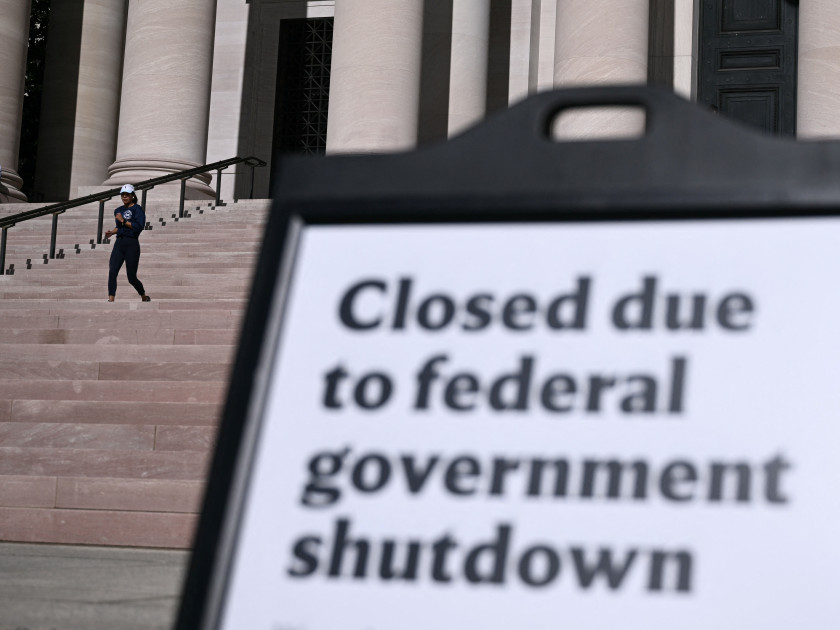
The Senate vote Monday night ends a 40-day shutdown that accomplished nothing either party set out to achieve. Republicans didn’t extract spending cuts or policy concessions beyond what they could have gotten through normal appropriations. Democrats didn’t secure healthcare guarantees or force meaningful negotiations.
What the 40 days produced was damage: Air traffic controllers who quit and won’t return. SNAP recipients who went hungry unnecessarily. Federal workers who depleted savings and deferred medical care. Travelers whose Thanksgiving plans face uncertainty. Systems that broke in ways requiring months to fix.
Both parties inflicted that damage in pursuit of leverage that proved illusory. Republicans thought Democrats would cave faster. Democrats thought Republicans would negotiate rather than tolerate continued crisis. Both miscalculated, and Americans paid the price.
Whether voters hold either party accountable for those 40 days depends on factors beyond policy outcomes. But the damage itself is neither partisan nor debatable. It’s measurable in missed paychecks, canceled flights, and hungry families.
The government is reopening. The question nobody’s answering is whether the systems it depends on can recover before the next crisis breaks them again. Based on the past 40 days, there’s little reason for confidence that either party prioritizes preventing that outcome over winning the next political fight.