
The battle for control of Congress in 2026 is not being fought on the campaign trail. It’s being fought right now, state by state, in courtrooms and statehouses over the political maps themselves.
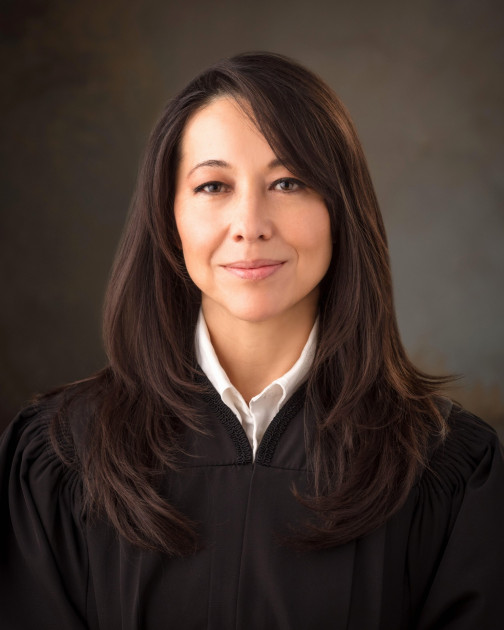
This week, the frontline of that war is in Utah, where a single state judge is set to decide which congressional map the state will use in next year’s midterm elections.
The ruling, expected today, could determine whether Democrats have a realistic chance of flipping a U.S. House seat in one of the nation’s most conservative states. It’s the latest flashpoint in a “redistricting arms race” that has seen both parties use raw political power to try and pre-determine the outcome of the next election.
At a Glance: The Utah Map Fight
- What’s Happening: A Utah state judge, Dianna Gibson, is deciding on a new congressional map for the state after she threw out the old one.
- The Stakes: The Republican-drawn map that was tossed out was a 4-0 GOP lock. The new map proposed by the legislature, and two others proposed by plaintiffs, could create a competitive Democratic-leaning seat.
- The National Context: This comes just one week after California voters approved a measure to let Democrats redraw their maps to gain five seats, which itself was a retaliation for Republicans passing a new map in Texas to gain five seats.
- The Constitutional Issue: A major test of the Elections Clause (Article I, Section 4), which gives state legislatures the power to draw maps, versus a state court’s power to intervene based on its own state constitution’s rules for fair representation.
How One Lawsuit Changed the Map
This entire showdown in Utah – a state President Trump won by over 20 points – was triggered by a lawsuit from groups including the League of Women Voters.
They argued that the map drawn by the Republican-controlled legislature was an illegal partisan gerrymander that “cracked” Salt Lake County’s Democratic-leaning voters, splitting them across all four of the state’s congressional districts to dilute their power and ensure no Democrat could ever win.
Judge Gibson agreed, throwing out the map and ordering the legislature to draw a new one. The new map they passed, however, is still being challenged, and the judge now has the final say – choosing between the legislature’s new proposal and two maps submitted by the plaintiffs.
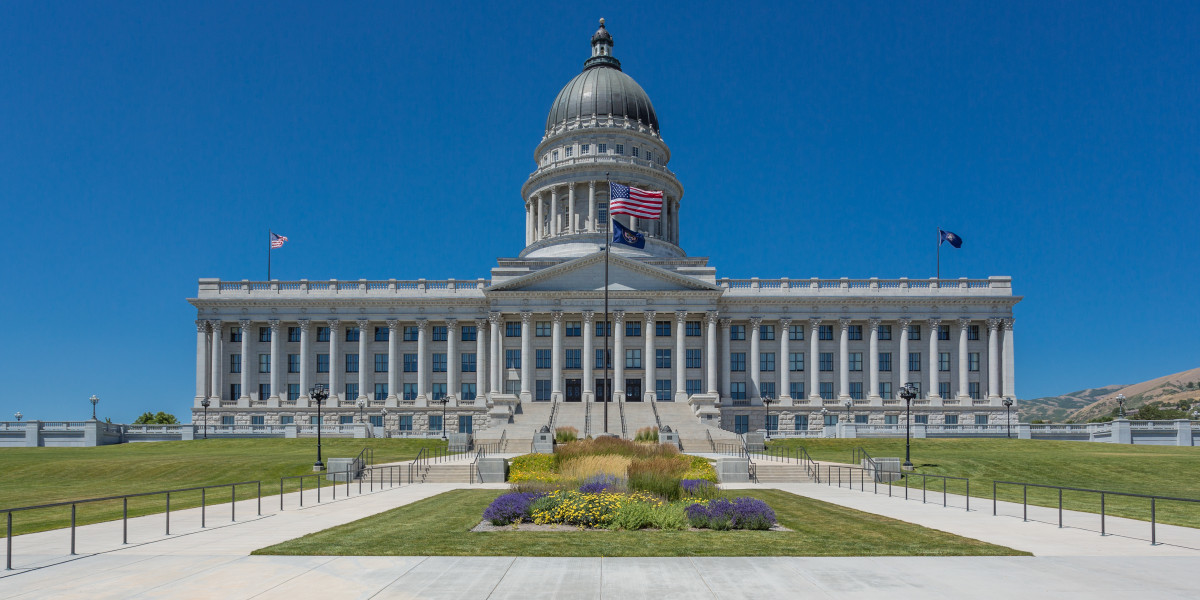
The National “Arms Race”
The fight in Utah is a microcosm of a much larger, nationwide battle for control of the U.S. House, where Republicans hold a razor-thin majority. With so few truly competitive seats, even a few changes in a handful of states could decide the 2026 midterms.
The GOP Offensive: President Trump is actively encouraging Republican-run states to engage in rare, mid-decade redistricting to create more “red” seats. Texas has already passed a map to gain five GOP seats. Ohio and Missouri have followed suit.
The Democratic Retaliation: Last week, California voters approved Proposition 50. This ballot measure, championed by Governor Gavin Newsom, effectively seizes map-drawing power from the state’s independent commission and gives it back to the Democratic-controlled legislature, which plans to draw a new map to gain five Democratic seats in direct response to Texas.
“We don’t want this fight, but with our democracy on the line, we cannot run away from this fight.” – California Assembly member Marc Berman
The Constitutional Power to Draw the Lines
This chaotic, state-by-state conflict is a direct result of a power the U.S. Constitution gives to the states, and a power the Supreme Court has refused to take away.
Article I, Section 4 (The Elections Clause) explicitly gives state legislatures the primary authority to set the “Manner” of federal elections, which includes drawing congressional district lines.
For years, the federal courts acted as a referee. But in the 2019 landmark case Rucho v. Common Cause, the Supreme Court ruled that partisan gerrymandering – drawing maps purely for one party’s political advantage – is a “political question” that federal courts cannot solve.
“With the Supreme Court stepping back, the battle over maps is no longer a legal fight in federal court. It’s a raw political power struggle, fought in state legislatures and at the ballot box, with each side trying to outmaneuver the other.”
What Happens Next
The ruling from Judge Gibson in Utah is just the next domino to fall.
The entire 2026 election is now being fought on a political battlefield that is being redrawn, state by state, right before our eyes. The outcome of these legal and legislative brawls in states like Texas, California, and now Utah will likely have a far greater impact on who controls Congress than any campaign speech or political ad next year.