
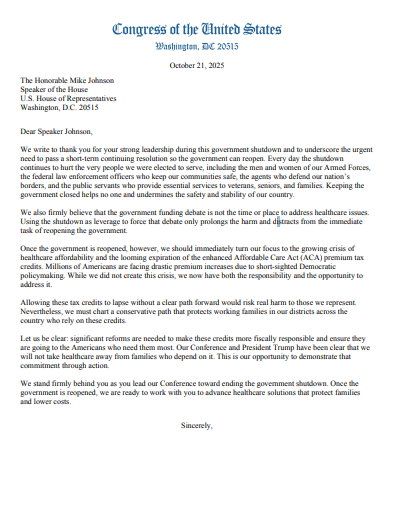
Thirteen House Republicans just sent Speaker Mike Johnson a letter that reveals the messy constitutional reality behind this government shutdown: both parties actually want to extend enhanced Obamacare subsidies before they expire at year’s end, but they’re deadlocked over whether that should happen as part of ending the shutdown or immediately afterward.
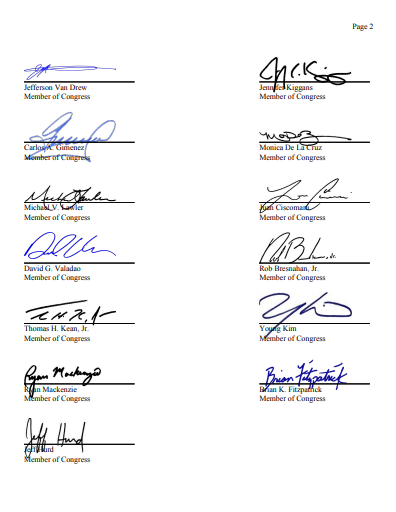
Led by Reps. Jeff Van Drew and Jen Kiggans, these Republicans are threading an impossible needle – acknowledging that “millions of Americans are facing drastic premium increases” while simultaneously arguing that Democrats are wrong to use the shutdown as leverage to force the issue now.
It’s a position that satisfies nobody and exposes the fundamental problem with how Congress exercises its appropriations power: when both parties agree something needs to happen but disagree about procedural timing, the government shuts down and everyone loses.
At a Glance
- 13 House Republicans are calling on Speaker Johnson to address expiring Obamacare subsidies immediately after the shutdown ends
- The letter thanks Johnson for leadership but insists the shutdown shouldn’t be used as leverage for healthcare debates
- Enhanced ACA subsidies expire December 31, 2025, potentially causing premium increases up to 75% for millions
- House Freedom Caucus opposes “clean” extension, demanding reforms and payment mechanisms that will “take weeks to negotiate”
- At stake: whether Congress’s power of the purse means anything when both parties agree on policy but deadlock over process
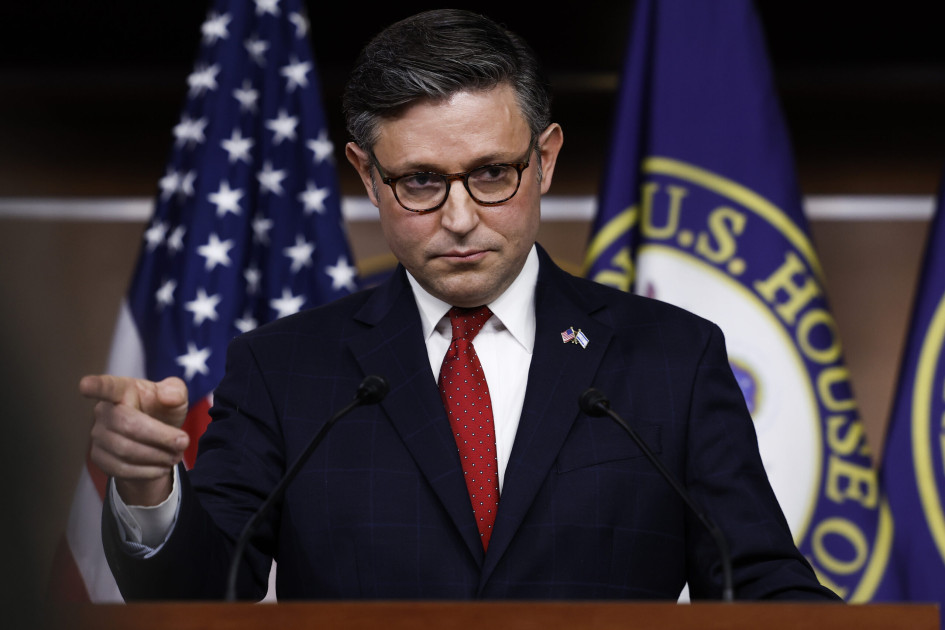
The Republican Letter’s Careful Dance
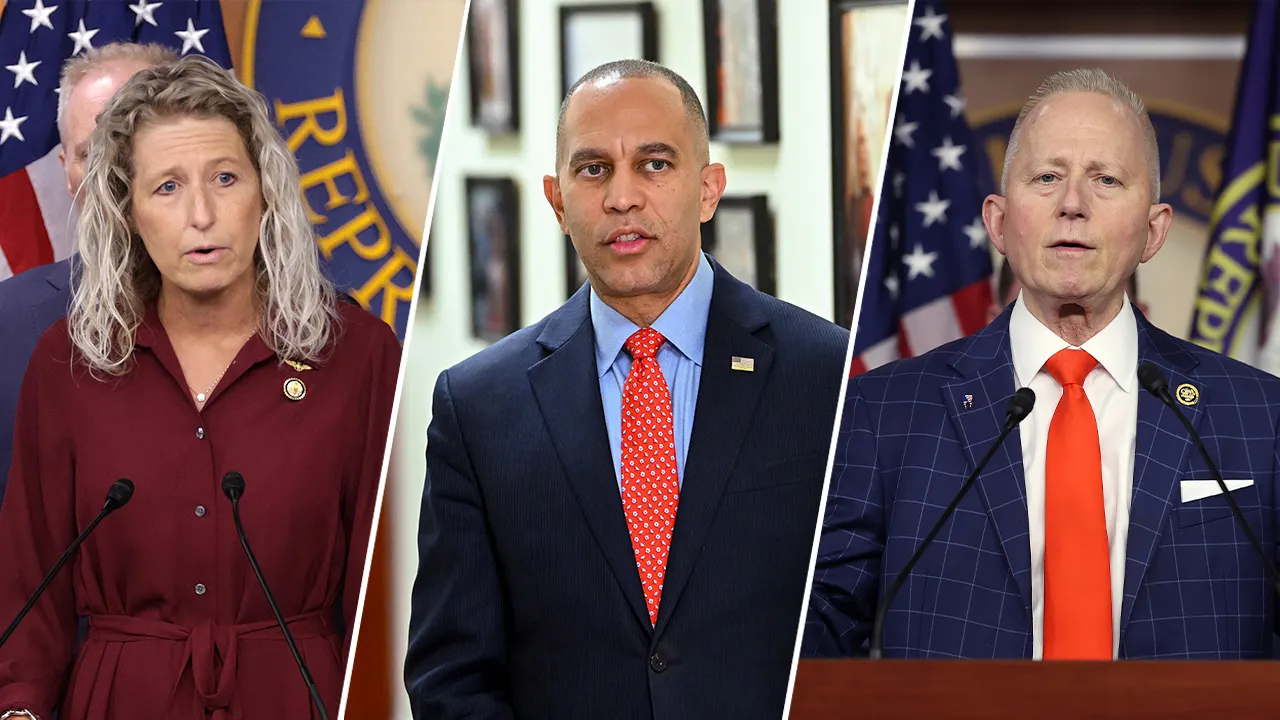
The letter from Van Drew, Kiggans, and 11 other Republicans performs an impressive feat of political acrobatics: it acknowledges the healthcare crisis while rejecting Democratic tactics to address it, promises action while refusing immediate action, and admits Republicans didn’t create the problem while accepting responsibility to solve it.
“Every day the shutdown continues to hurt the very people we were elected to serve,” the Republicans wrote, before adding: “We also firmly believe that the government funding debate is not the time or place to address healthcare issues. Using the shutdown as leverage to force that debate only prolongs the harm and distracts from the immediate task of reopening the government.”
But then they pivot: “Once the government is reopened, however, we should immediately turn our focus to the growing crisis of healthcare affordability and the looming expiration of the enhanced Affordable Care Act premium tax credits.”
“Millions of Americans are facing drastic premium increases due to short-sighted Democratic policymaking. While we did not create this crisis, we now have both the responsibility and the opportunity to address it.” – Letter from 13 House Republicans
The letter carefully frames the issue: yes, premiums will spike dramatically if subsidies expire; yes, working families in Republican districts depend on these credits; yes, Republicans need to act. But no, they won’t do it as part of a shutdown deal because that would reward Democratic leverage tactics.
The Constitutional Procedural Standoff
This situation exposes a fundamental problem with how Congress exercises its constitutional appropriations authority: when both parties broadly agree on policy substance but disagree about procedural timing, the entire system grinds to a halt.
Republicans generally acknowledge that enhanced Obamacare subsidies should be extended – even conservative members like those signing this letter admit that “allowing these tax credits to lapse without a clear path forward would risk real harm to those we represent.” Democrats obviously want them extended. Trump himself said Republicans “will not take healthcare away from families who depend on it.”
So everyone agrees the subsidies should continue. The disagreement is entirely procedural: should this happen as part of the continuing resolution that ends the shutdown, or should it happen separately afterward?
Democrats argue it needs to happen now because insurance companies need certainty for 2026 enrollment and planning. Waiting until after the shutdown ends might leave insufficient time before the December 31 expiration. Republicans counter that attaching policy debates to must-pass spending bills is exactly what Americans hate about Washington.
Both arguments have merit, which is why the Constitution doesn’t provide clear guidance. The Framers assumed political pressure would force compromise before government stopped functioning. They never imagined a scenario where both parties agree on what should happen but refuse to compromise on when and how.
The House Freedom Caucus Complication
Even if Republicans agree to address Obamacare subsidies after the shutdown ends, they face another problem: the House Freedom Caucus wants significant reforms as part of any extension.
Freedom Caucus Chair Andy Harris ruled out accepting a “clean” extension of subsidies. “You want a clean vote on a program that potentially is $400 billion, and you want to do it without any debate, any negotiation? That’s just insanity,” Harris said.
When asked about possible compromise, Harris said it depends on “what the package is, how is it paid for, what other healthcare reforms are in it?” Then he added the kicker: “But that’s stuff that you’re not going to negotiate in hours. It’s going to take weeks to negotiate.”
“You want a clean vote on a program that potentially is $400 billion, and you want to do it without any debate, any negotiation? That’s just insanity.” – Rep. Andy Harris, Freedom Caucus Chair
This creates a constitutional catch-22: the subsidies expire December 31. It’s now late October. If negotiations will “take weeks,” and the shutdown continues blocking those negotiations, there may not be sufficient time to reach an agreement before expiration even if both parties want to.
The letter from the 13 Republicans acknowledges this tension: “Our Conference and President Trump have been clear that we will not take healthcare away from families who depend on it. This is our opportunity to demonstrate that commitment through action.” But they also agree with GOP leaders that reforms are needed “to make these credits more fiscally responsible and ensure they are going to the Americans who need them most.”

The Blame Game on Healthcare
The Republican letter contains an interesting political framing: “Millions of Americans are facing drastic premium increases due to short-sighted Democratic policymaking. While we did not create this crisis, we now have both the responsibility and the opportunity to address it.”
That’s Republicans trying to have it both ways – blaming Democrats for creating the situation where subsidies expire while accepting responsibility to fix it. The history is more complicated: enhanced subsidies were created during COVID under Biden, extended through 2025 by Democrats’ Inflation Reduction Act, and are now expiring on a timeline Democrats set.
But Republicans control the White House, House, and Senate now. If premiums spike dramatically in 2026, voters will blame the party in power regardless of who created the expiration timeline. That’s why these 13 Republicans are pushing Johnson to act – they represent competitive districts where healthcare affordability matters to voters.
The letter’s language about “working families in our districts across the country who rely on these credits” reveals the political calculation: these are Republicans in swing districts who can’t afford to be seen as causing healthcare costs to spike before the 2026 midterms.
The Senate’s Repeated Rejections
The House passed its continuing resolution on September 19. Since then, Senate Democrats have rejected it 11 times as of Monday. That’s an extraordinary level of obstruction that raises its own constitutional questions about the Senate’s role in appropriations.
The Senate has authority to amend House spending bills or reject them entirely. That’s part of the bicameral legislative process the Framers designed. But when the Senate repeatedly blocks the same bill without offering a viable alternative that could pass both chambers, it starts to look less like the Senate exercising its constitutional role and more like pure obstruction.
Democrats argue they’re using the only leverage they have as the minority party to force action on an issue that matters to millions of Americans. Republicans argue Democrats are holding government funding hostage to extract policy concessions they couldn’t achieve through normal legislative processes.
Both things can be true simultaneously, which is exactly the problem. The constitutional system assumes both chambers will eventually compromise on appropriations because the alternative – government shutdown – is worse than whatever policy disagreements divide them. But in polarized times, parties increasingly view shutdown pain as worth enduring if it advances their policy goals or harms the other party politically.
What the Founders Would Say
Madison would be frustrated by this entire situation. The power of the purse is supposed to be Congress’s strongest check on executive authority, but when Congress can’t agree on appropriations, that power becomes a weapon different factions use against each other rather than a tool for governing.
Hamilton would probably argue this proves the Senate’s structure is flawed – requiring supermajorities for basic government funding gives the minority too much power to obstruct. He’d prefer simpler majority rule that allows the governing party to actually govern.
Jefferson would likely point out that if the federal government has become so large that shutting it down causes massive disruption, maybe it’s too large. He’d question why healthcare subsidies are a federal issue at all rather than something states handle.
But all three Founders would agree on one thing: when both parties acknowledge that something needs to happen (extending subsidies) but can’t agree on procedural timing, that’s a failure of the political system to function as designed. The Constitution created mechanisms for compromise – it didn’t anticipate parties would prefer shutdowns to the appearance of “caving” on procedural questions.
The Time Crunch Reality
Here’s the practical problem these 13 Republicans’ letter doesn’t fully address: if the Freedom Caucus is right that negotiating healthcare reforms will “take weeks,” and we’re already in late October with subsidies expiring December 31, the window for action is closing rapidly.
Every day the shutdown continues is a day Congress isn’t negotiating healthcare policy. If the shutdown lasts another week or two, then negotiations begin and take several more weeks as Harris suggests, it’s mid-to-late November before anything passes. That leaves minimal time for implementation before the December 31 deadline.
Insurance companies need certainty about 2026 subsidy levels to set premiums and finalize plans for open enrollment. The longer this drags out, the more chaotic 2026 insurance markets become regardless of what Congress eventually decides.
The constitutional irony: Congress’s power of the purse is so dysfunctional that exercising it creates crises that make governing harder, not easier.
This is why Democrats argue the issue needs to be addressed now as part of ending the shutdown – not because they’re holding government hostage, but because waiting eliminates the practical possibility of timely action.
The Constitutional Reality of Dysfunction
The letter from these 13 Republicans reveals the fundamental dysfunction in how Congress exercises its appropriations power: even when substantial policy agreement exists, procedural disagreements and political positioning prevent action until crises force compromise.
Everyone agrees subsidies should be extended. Everyone acknowledges premiums will spike dramatically if they expire. Trump says Republicans won’t take healthcare away from families. Moderate Republicans represent districts where healthcare affordability is critical. Even Freedom Caucus members don’t want to be blamed for premium increases – they just want reforms attached to any extension.
With all that agreement on fundamentals, the fact that government remains shut down over procedural timing reveals how broken the appropriations process has become. The Constitution gives Congress the power of the purse as its primary check on executive authority, but that power is only meaningful if Congress can actually exercise it through functional appropriations processes.
When both chambers can’t agree on basic government funding for weeks at a time over procedural disputes about when to address issues both parties acknowledge need addressing, the constitutional system isn’t working as designed. The Framers created friction intentionally, but they assumed friction would ultimately produce compromise rather than indefinite deadlock.
These 13 Republicans are trying to find a middle path – acknowledging the healthcare crisis while maintaining that Democrats are wrong to use shutdown leverage, promising action while refusing immediate action. It’s a politically understandable position for members in competitive districts. But it doesn’t solve the constitutional problem: Congress has forgotten how to appropriate money for government operations without manufacturing crises first.
And when the power of the purse becomes a weapon in partisan warfare rather than a tool for governing, everyone loses – especially the millions of Americans facing 75% premium increases because Congress can’t agree on when to do what everyone agrees needs doing.