Trump “Jokes” About Canceling the 2026 Midterms – Can a President Actually Do That?

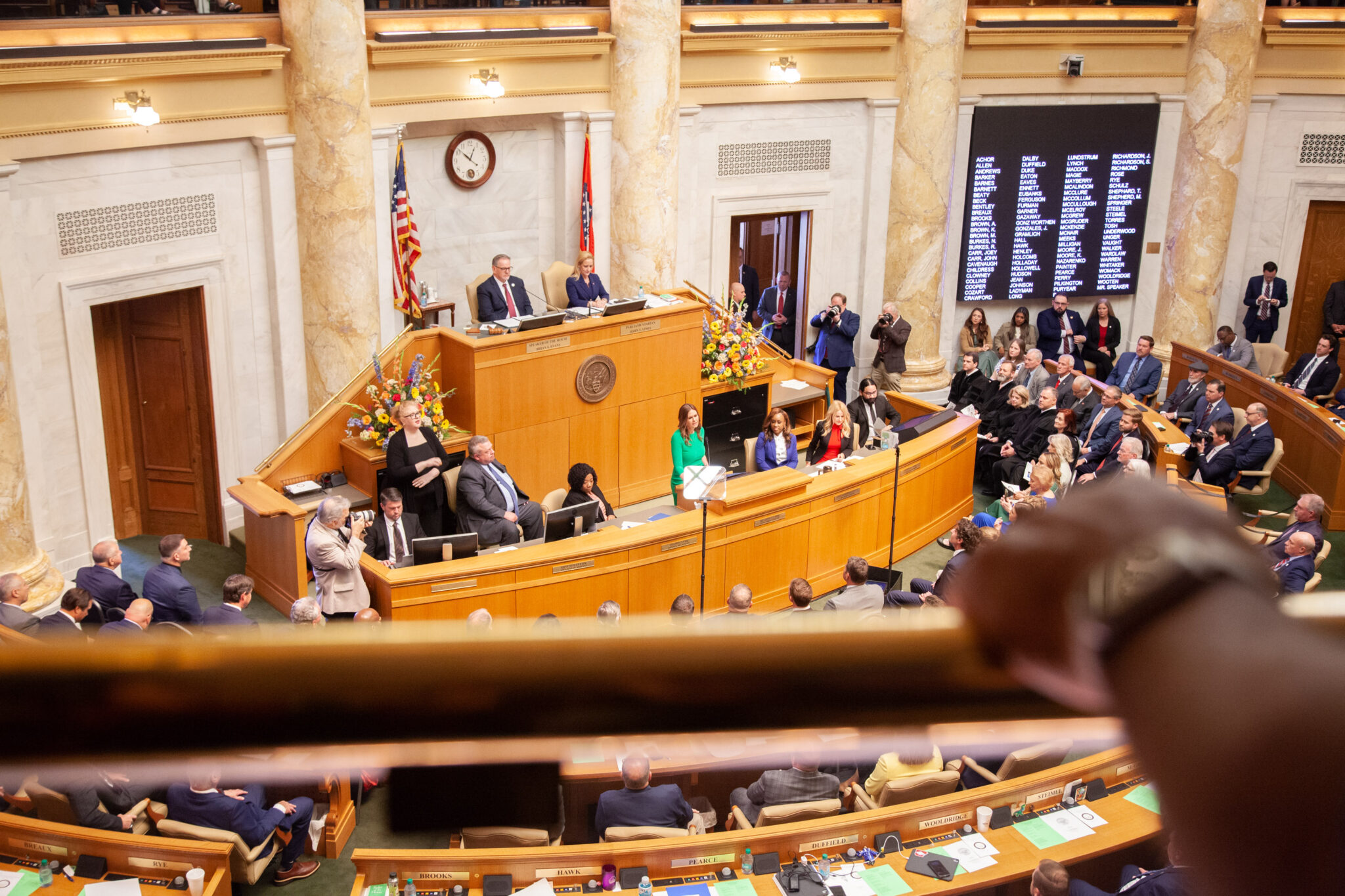
The setting was the Kennedy Center. The audience was House Republicans at their annual retreat. The date was January 6, 2026 – five years exactly since the Capitol attack. And the president mused aloud about canceling the 2026 midterm elections.

Then he caught himself. “I won’t say, ‘Cancel the election, they should cancel the election,’ because the fake news will say, ‘He wants the elections canceled. He’s a dictator.’”

The verbal structure was familiar – raise the idea, then deny raising it, thereby raising it. The constitutional question is stark: Can a president cancel elections? And when does joking about it stop being a joke?

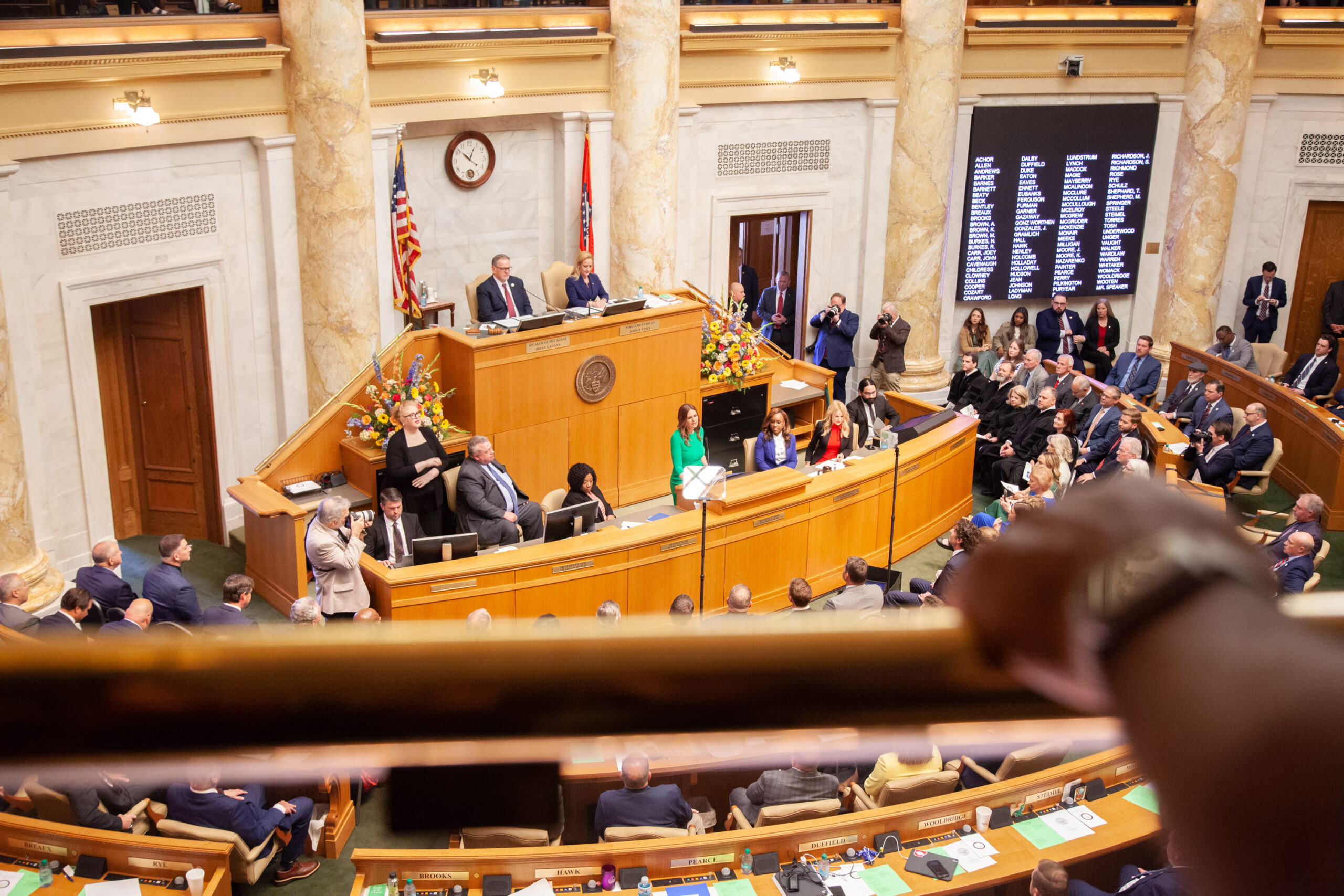
Trump speaks at House GOP retreat on election-year agenda

Discussion

Phil

Haha, you just know the libs got triggered! Trump knows how to play the media!

Donald

But do you really think it's okay to joke about something as serious as canceling elections? Even if it's just to get a rise out of the media, doesn't it risk undermining trust in our democratic processes?

Janet Toop

Fake news twisting Trump's words again! He's just trolling libs 😂🇺🇸

The Juice

The " felon " said he supports Midwest grain farmers a cupla years ago…..they might give him 180 grain support he keeps violatin constitution…..

Bruce Harten

Inempt, Incompetent, LIAR to the Nth, Thief, Rapist, Insurrectionist Who on JANUARY SIXTH DID CAUSE THE DEATHS of 5…thats " FIVE DEVOTED POLICE OFFICERS and in 2029 will climb the scaffold where the ballroom was to " Swing in living effigy" after TREASON CONVICTION ! Marjory Taylor Green, E Jean Carrol, and Nancy Pelosi will be sellin Carameled apples to the raucious crowd ! Proceeds to Venezualen sisters of the poor and victems of " ICE " depredation of lawlessness !

John

If he were able do it may backfire on him.There are too many variables to contend with. Every state that is having elections would have to amend their own constitution. The election comittees in each state would have to completely re do election laws.
How would they elect any office on a national level? The can of worms that this would open up would be astronomical.
I don't think he can do it anyway. The writers of the Constitution would not give one man that much piwer.

Leave a Comment

Leave a Comment

What He Actually Said

Trump was addressing House Republicans about running against Democrats in 2026. He expressed incredulity that Republicans have to compete against them at all.

“How we have to run against these people,” he said, as if Democrats were unworthy opponents.

That thought led to the election comment—framed as something he wouldn’t say, while saying it:

“I won’t say, ‘Cancel the election, they should cancel the election,’ because the fake news will say, ‘He wants the elections canceled. He’s a dictator.’”

The rhetorical technique is transparent. By denying he’s calling for election cancellation while articulating the exact words, he simultaneously floats the idea and creates deniability. It’s a trial balloon with built-in escape hatch.

Taken in isolation, the comments might be dismissed as provocative humor. Trump has a history of saying outrageous things for effect. But context matters. And the context makes the comments harder to dismiss.

The Pattern That Makes This Different

This isn’t the first time Trump has mused about election cancellation or extension.

In August 2025, during a meeting with Ukrainian President Volodymyr Zelenskyy, Trump noted Ukraine cannot hold elections during Russia’s war.

“Say, 3 1/2 years from now, so you mean, if we happen to be in a war with somebody, no more elections,” Trump said.

The comment framed wartime election suspension as reasonable—something other countries do, something America might consider. Zelenskyy’s presence made the comment especially pointed—Ukraine suspended elections because of existential military threat. Trump suggested America could do the same.

donald trump and zelenskyy at white house press conference

Trump has also repeatedly discussed seeking a third term despite the Twenty-Second Amendment’s clear prohibition.

He’s joked about “terminating” parts of the Constitution that constrain his ambitions. He’s described creating a temporary “dictatorship” to implement his agenda.

Any single comment could be dismissed. The pattern reveals something else—consistent testing of constitutional boundaries around elections, term limits, and presidential power.

The Fifth Anniversary Nobody Mentioned

Trump made these comments on January 6, 2026 – exactly five years after the Capitol attack.

On January 6, 2021, Trump instigated political violence aimed at overturning election results he lost. His supporters stormed the Capitol to prevent Congress from certifying

Joe Biden’s victory. The attack was explicitly designed to keep Trump in power despite voters choosing someone else.

jan 6 capitol attack

Five years later, Trump joked about canceling elections while addressing House Republicans—many of whom voted to overturn 2020 results even after the attack.

The timing makes the comments harder to dismiss as meaningless banter. This is a president who already tried to overturn one election through extralegal means, musing about canceling the next election on the anniversary of his first attempt.

What the Constitution Actually Says

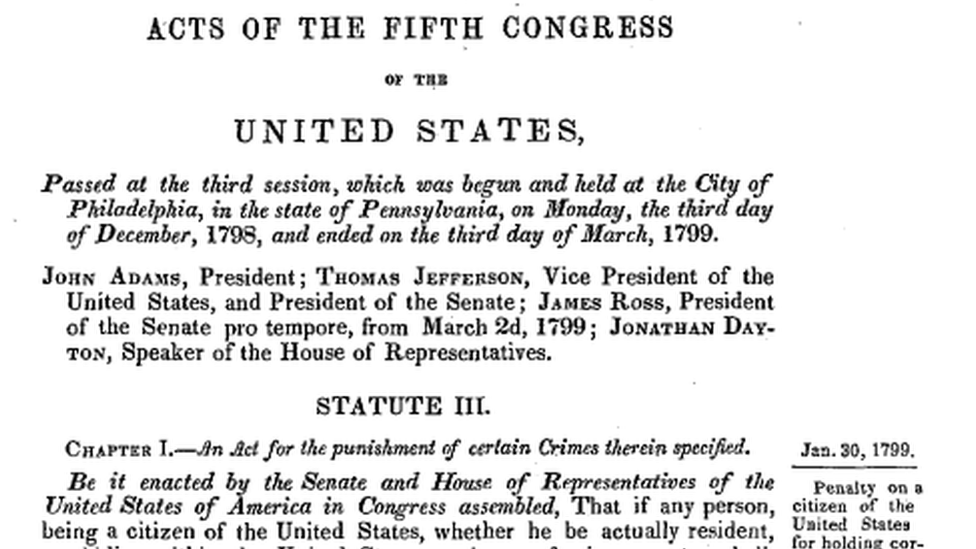
Article I, Section 4 addresses congressional election timing: “The Times, Places and Manner of holding Elections for Senators and Representatives, shall be prescribed in each State by the Legislature thereof; but the Congress may at any time by Law make or alter such Regulations.”

Article II, Section 1 addresses presidential elections: “The Congress may determine the Time of chusing the Electors, and the Day on which they shall give their Votes; which Day shall be the same throughout the United States.”

Both provisions give Congress – not the president – authority over election timing. Federal law currently sets the first Tuesday after the first Monday in November for federal elections in even-numbered years.

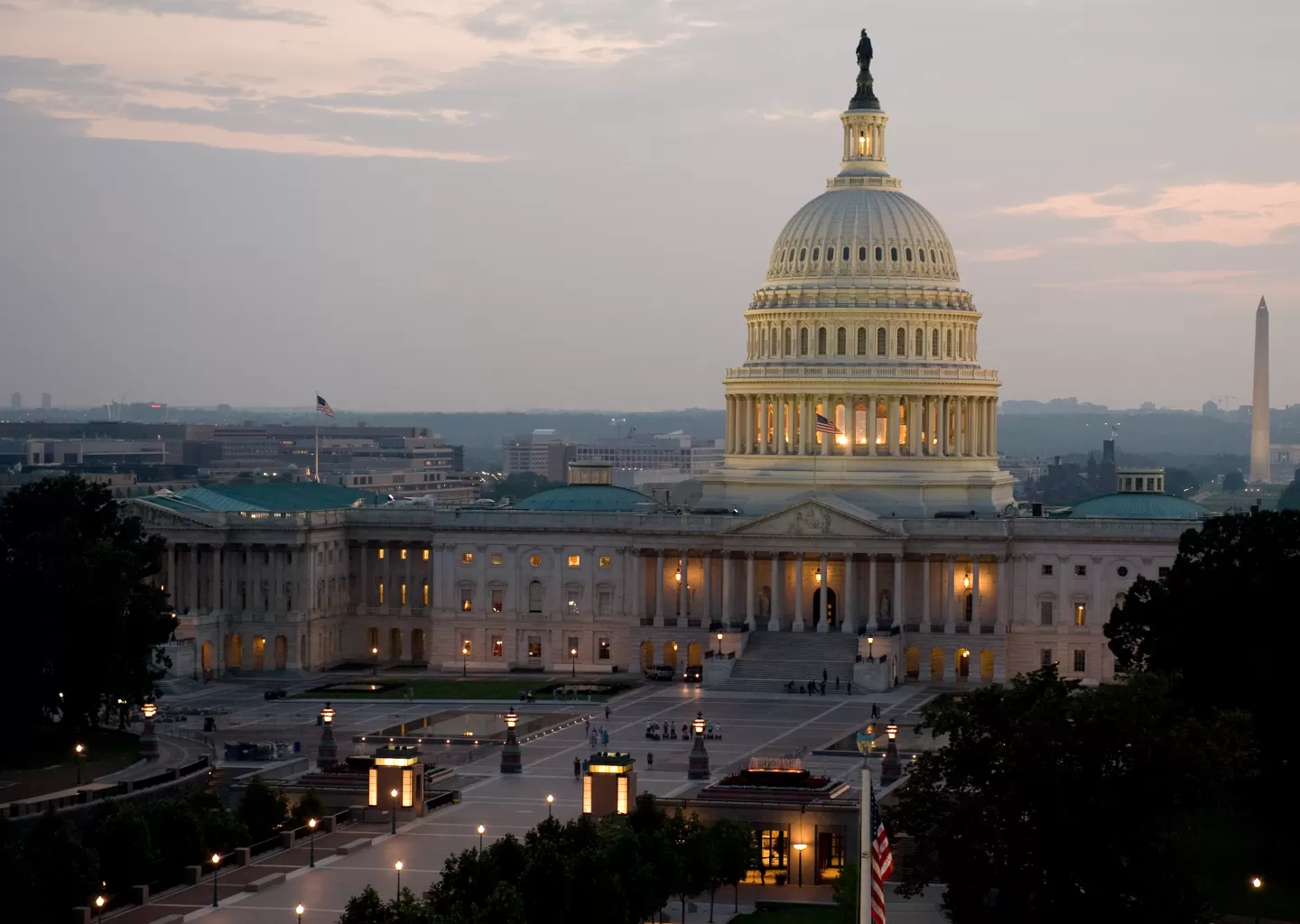
us congress painting

The president has no unilateral authority to cancel, postpone, or alter elections. Zero. None. The Constitution explicitly assigns that power to Congress through legislation.

Even Congress’s power to change election timing has limits. The Twentieth Amendment sets January 20 as the end of presidential terms. The term ends regardless of whether an election occurred. If no president is elected by inauguration day, the Presidential Succession Act governs who assumes office.

There is no constitutional mechanism for a president to remain in office by canceling elections. The structure explicitly prevents it.

The Emergency Powers Question

Trump’s comments to Zelenskyy about wartime election suspension reveal potential thinking: maybe emergency conditions justify canceling or postponing elections.

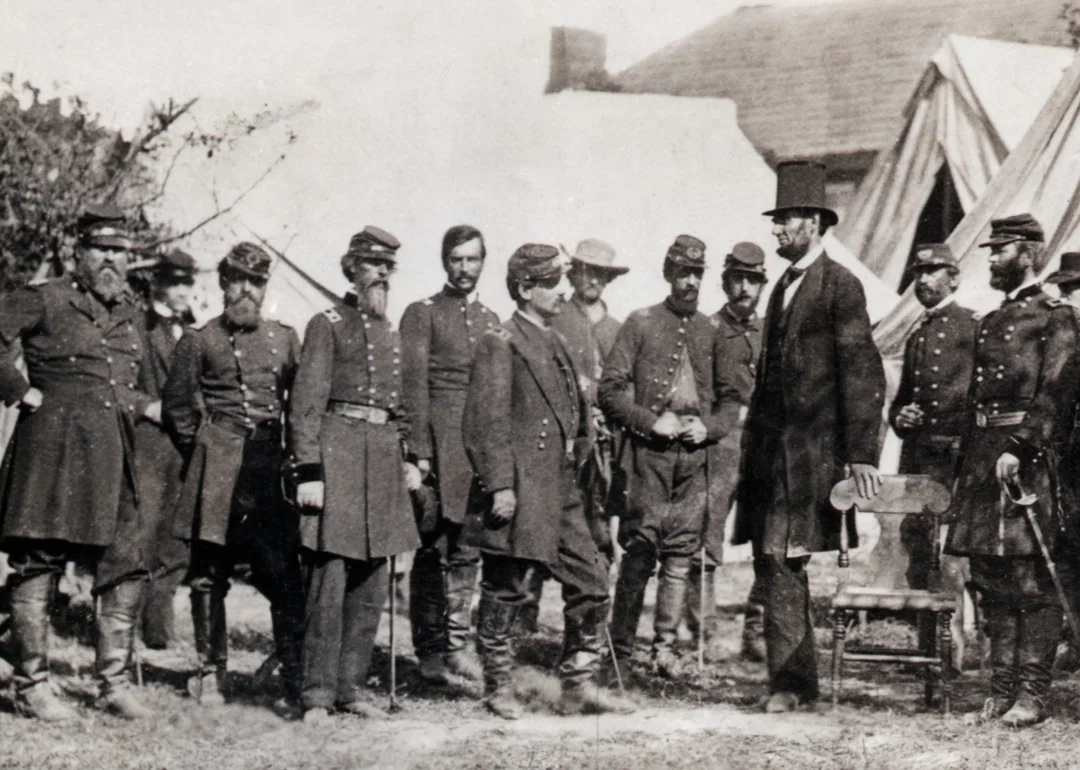
That theory has no constitutional support. The Constitution includes no emergency exception for elections. During the Civil War – the most existential crisis in American history – elections proceeded on schedule. Lincoln won reelection in 1864 while the country was literally at war with itself.

During World War II, elections continued. During the Great Depression, elections continued. During the 1918 flu pandemic, elections continued. No crisis has ever justified federal election cancellation.

president FDR walking white house

Some states postponed local elections briefly after September 11, 2001, due to immediate logistical concerns. But federal elections proceeded as scheduled. The principle is foundational: democratic legitimacy requires regular elections regardless of circumstances.

Emergency powers don’t include election cancellation because elections are the ultimate check on emergency powers. If presidents could cancel elections during crises, they could create or prolong crises to avoid electoral accountability.

What Senator Murphy Was Warning About

Connecticut Senator Chris Murphy has been sounding alarms about 2026 elections since May 2025. He told MSNOW’s Nicolle Wallace: “There’s no guarantee that we are going to have a free and fair election in 2026.”

A month later, he told MSNOW’s Jen Psaki: “We can’t be preparing for the 2026 election. It might not come.”

Those comments seemed alarmist at the time. Canceling American elections felt like paranoid speculation. Then Trump started repeatedly raising the possibility—framed as jokes, couched in deniability, but consistent enough to establish a pattern.

Connecticut Senator Chris Murphy speaking

Murphy wasn’t predicting Trump would unilaterally declare elections canceled. He was warning that Trump might create conditions—manufactured emergencies, claims of fraud, contested results, refused certifications—that prevent normal democratic transfer of power.

The mechanism matters less than the outcome. Whether elections are formally “canceled” or just rendered meaningless through manipulation achieves the same result.

How It Could Happen (Theoretically)

Trump cannot unilaterally cancel elections. But he could attempt several indirect approaches:

Declare a national emergency claiming immediate threat (invasion, terrorism, civil unrest) and argue elections must be postponed for security. This would immediately face legal challenges and almost certainly fail in courts, but it would create chaos during the period litigation takes.

Refuse to certify results in states he loses, claiming fraud without evidence, creating disputed outcomes that delay transitions and potentially trigger constitutional crises about who holds power.

Encourage states to postpone their elections using emergency powers at state level, particularly in Republican-controlled states, creating patchwork election timing that violates federal law but takes time to resolve through litigation.

Manufacture crisis in the weeks before November elections—military conflict, declared emergency, major domestic incident—and argue conditions make voting impossible or unsafe.

None of these approaches would work legally. All would face immediate judicial challenge. But all would create confusion, delay, and potential violence that could achieve similar ends to outright cancellation.

The “Joking Defense” Problem

Trump’s defenders will argue he was joking. The comments were sarcastic criticism of Democrats, not actual proposals. Taking them seriously plays into Trump’s hands by making critics seem hysterical.

That defense has problems. First, presidential jokes about canceling elections aren’t funny when the president has a record of attempting to overturn elections through extralegal means.

Second, consistent “jokes” about the same topic stop being jokes and become trial balloons—testing public reaction, normalizing ideas, moving Overton windows.

donald trump lauhging thumbs up

Third, the joking defense provides cover for genuinely authoritarian ideas. Say outrageous things “as jokes,” gauge reaction, walk back if necessary, proceed if possible. It’s a strategy, not humor.

Fourth, Trump’s “jokes” have a history of becoming policy. He “joked” about Russia finding Hillary Clinton’s emails – then Russian hackers targeted her campaign. He “joked” about serving more than two terms – then his team explored legal theories for third terms.

When someone with presidential power consistently “jokes” about actions that would end democracy, at some point the jokes merit serious constitutional analysis.

What Congress Could Actually Do

Congress sets election timing through legislation. Congress could theoretically change election dates or postpone elections. But that would require:

Bipartisan agreement in both House and Senate to pass legislation changing election timing. This is nearly impossible given partisan divisions—Democrats would never agree to postpone elections that might remove Trump from power.

Presidential signature or veto override. Trump could sign legislation postponing elections, but getting Congress to pass it first faces the bipartisan obstacle.

Constitutional constraints. Even if Congress passed and Trump signed legislation postponing elections, the Twentieth Amendment still ends presidential terms on January 20. You can postpone the election, but you can’t extend the term without an election.

The constitutional structure makes election postponement nearly impossible and completely ineffective at keeping someone in power past their term expiration.

The Succession Act Safety Valve

If no presidential election occurs, or if results are disputed past January 20, the Presidential Succession Act dictates what happens.

The current president’s term ends January 20 regardless. If no successor is elected, the Speaker of the House becomes acting president. If the Speaker can’t serve, it goes to President Pro Tempore of the Senate. Then through Cabinet secretaries in order of department creation.

This means attempting to cancel elections doesn’t keep Trump in power—it potentially makes a Democrat acting president if Democrats control the House or Senate.

The succession framework makes canceling elections counterproductive for any president trying to stay in power. You lose power automatically if elections don’t occur and your term expires.

Presidential Succession Act document with Capitol building

Why Autocracies Cancel Elections

Trump’s Ukraine comment reveals familiarity with how autocrats maintain power. Many countries suspended elections during World War II. Russia under Putin holds elections but manipulates them to ensure outcomes. Venezuela held elections, then refused to certify opposition victories.

The pattern is consistent: autocrats don’t usually abolish elections outright because that’s too obviously authoritarian. They manipulate elections, claim fraud in losses, refuse to certify opposition wins, or create emergencies justifying postponement.

The end result—remaining in power despite elections—gets achieved while maintaining democratic appearance. Elections happen, they’re just rendered meaningless.

Trump’s rhetorical pattern suggests familiarity with these techniques. Claim fraud. Question legitimacy. Create emergencies. Test whether elections can be avoided or manipulated without formally canceling them.

The Danger of Normalizing

Every time Trump “jokes” about canceling elections or seeking third terms without immediate political consequences, the ideas become slightly more normal.

The first time he suggested third terms, it seemed absurd. The tenth time, it’s a familiar Trump talking point. By the twentieth time, it’s normalized enough that people stop reacting.

That’s how democratic norms erode—not through sudden coups, but through incremental normalization of previously unthinkable ideas. You don’t wake up one day in autocracy. You slide there through thousand small steps, each one seeming insufficient to trigger alarm.

Trump musing about canceling elections at the Kennedy Center on January 6, before House Republicans, without immediate condemnation from Republican leadership, is one of those steps. Small in itself. Significant in pattern. Dangerous in accumulation.

democracy index chart showing gradual decline with key events marked

What the Framers Would Think

The Framers designed elections as the ultimate check on executive power. They created fixed terms specifically to prevent presidents from becoming monarchs who serve indefinitely.

They witnessed European monarchs who never faced accountability through elections. They created a system where regular elections force presidents to face voters and leave office when voters choose someone else.

The idea that a president could cancel elections or remain in power without them would horrify the Framers. It’s precisely what they designed the Constitution to prevent.

James Madison wrote in Federalist 51: “If men were angels, no government would be necessary.” The Constitution assumes leaders will seek more power. Elections are the structural constraint forcing them from office.

When a president muses about canceling that constraint—even “jokingly”—the entire constitutional structure is threatened. Not because Trump can unilaterally cancel elections, but because normalizing the idea erodes the democratic assumption that elections are non-negotiable.

The Bottom Line on Presidential Power

Can a president cancel elections? No. The Constitution gives that authority exclusively to Congress through legislation, and even congressional changes face constitutional constraints from the Twentieth Amendment.

Could a president create conditions that prevent normal elections? Potentially—through manufactured emergencies, refused certifications, or encouraging state-level chaos. But these approaches would face immediate legal challenge and likely fail.

Does joking about canceling elections matter? Yes—especially from a president who already attempted to overturn one election, who consistently tests constitutional boundaries, and who makes these “jokes” on the anniversary of the Capitol attack.

The constitutional guardrails exist. They’re strong. But they only work if institutions defend them. If Congress refuses to hold presidents accountable, if courts defer to executive claims of emergency, if the public becomes desensitized to authoritarian rhetoric through repeated “jokes,” the guardrails become decorative rather than functional.

When Jokes Stop Being Funny

Trump ended his comments by acknowledging critics would say he wants elections canceled and call him a dictator. He framed that as unfair media spin rather than reasonable interpretation of his words.

But when you consistently “joke” about canceling elections, seeking third terms, terminating the Constitution, and creating dictatorships—when you’ve already attempted to overturn one election through violence—the jokes stop being funny.

They become data points in a pattern. Evidence of testing boundaries. Trial balloons gauging whether ideas gain traction.

The Constitution prevents presidential election cancellation. But constitutions are paper. They work because people enforce them, institutions defend them, and publics demand compliance.

When a president repeatedly jokes about ignoring constitutional constraints, the question isn’t whether he legally can—it’s whether anyone will stop him if he tries.

That’s the uncomfortable reality of Trump’s Kennedy Center comments. He can’t legally cancel elections. But he’s consistently probing whether anyone cares enough to enforce that limit. And five years after the Capitol attack, on the anniversary of his last attempt to overturn an election, he’s still testing.

The Constitution says elections continue regardless of presidential preference. Whether that remains true depends on whether institutions and voters insist on it—or whether enough people shrug off the “jokes” until one day they’re not jokes anymore.