
 Loading …
James Comey, the former FBI director Donald Trump fired in 2017, now faces criminal charges for testimony he gave to Congress nearly five years ago.
The indictment came days after Trump publicly demanded prosecutors speed up their investigation. It came hours after the lead federal prosecutor – who had cast doubt on the evidence – was forced out and replaced with one of Trump’s former defense attorneys.
The charges themselves may or may not have merit. The evidence hasn’t been made public. But the timeline raises a question that goes far beyond one former FBI director’s legal troubles: What happens to constitutional checks and balances when the President can direct law enforcement to investigate his critics?
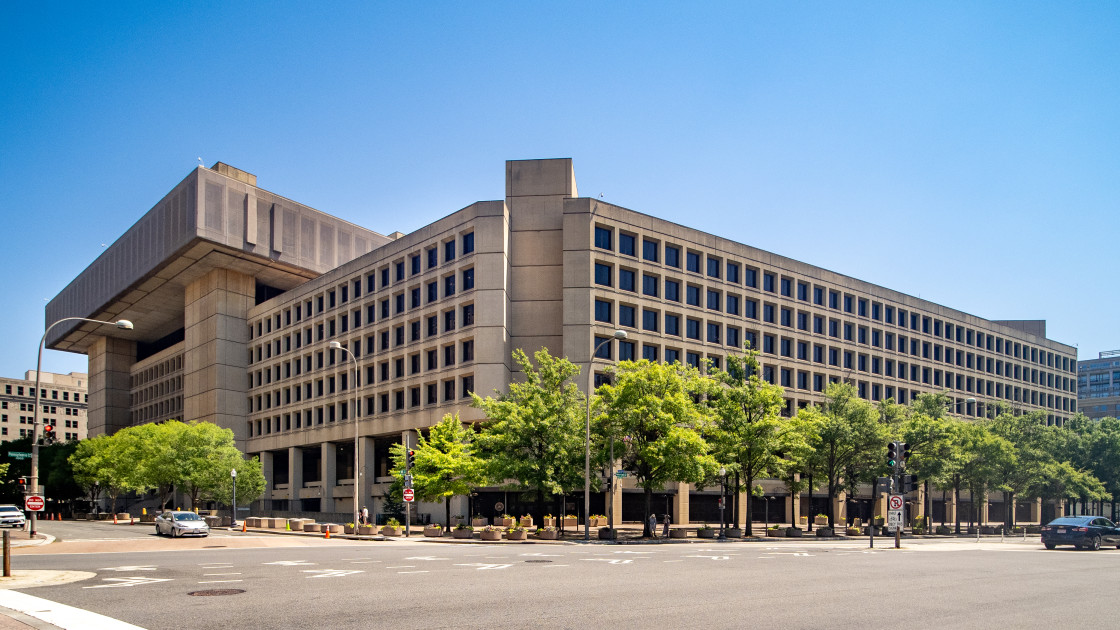
The FBI wasn’t designed to be the President’s police force. It was designed to be independent enough to investigate the President if necessary. That independence is now being tested in ways the institution may not survive intact.
Discussion
Blindly trusting one leader isn't draining the swamp; it's muddying the waters more.
We traded Comrade Biden for dictator Trump.
Comey might be a pawn or not, but unchecked power is un-American, even for Trump!
The FBI has to operate independent but has to have checks and balances. When they go rogue like in the case of Hillary where Comey made the remarks about the scandal against Hillary where he said there wasn't enough evidence to charge her. That was wrong for him to do that because it was the job of the DOJ on whether to charge her or not. He was wrong in that and there should be accountability, and it should be the DOJ because the FBI works for the DOJ the way I understand it.
Comey was planted by Joe Biden and from what I understand Biden requested Leticia James,Alvin Bragg,Merrick Garland,Jack Smith and others to find as many felony charges against President Trump and make them stick to keep President Trump from becoming President again and keep him out of the oval office! Also from what I’ve heard the kid who nearly assassinated President Trump his dad supposedly worked for the FBI this sounds a little strange and Comey might have been involved if this is a true.
Leave a Comment
Leave a Comment
Why the Framers Feared Consolidated Power
The Constitution’s entire architecture rests on the principle that power must be divided to prevent tyranny. The Framers didn’t trust concentrated authority in any single branch, so they built a system of competing interests that would check each other.
The executive branch enforces the law. The legislative branch writes it. The judiciary interprets it. Each branch has tools to constrain the others – vetoes, impeachment, judicial review, budget control.
But there’s a structural problem the Framers didn’t fully anticipate: What happens when the chief law enforcement officer in the country is the same person being investigated?
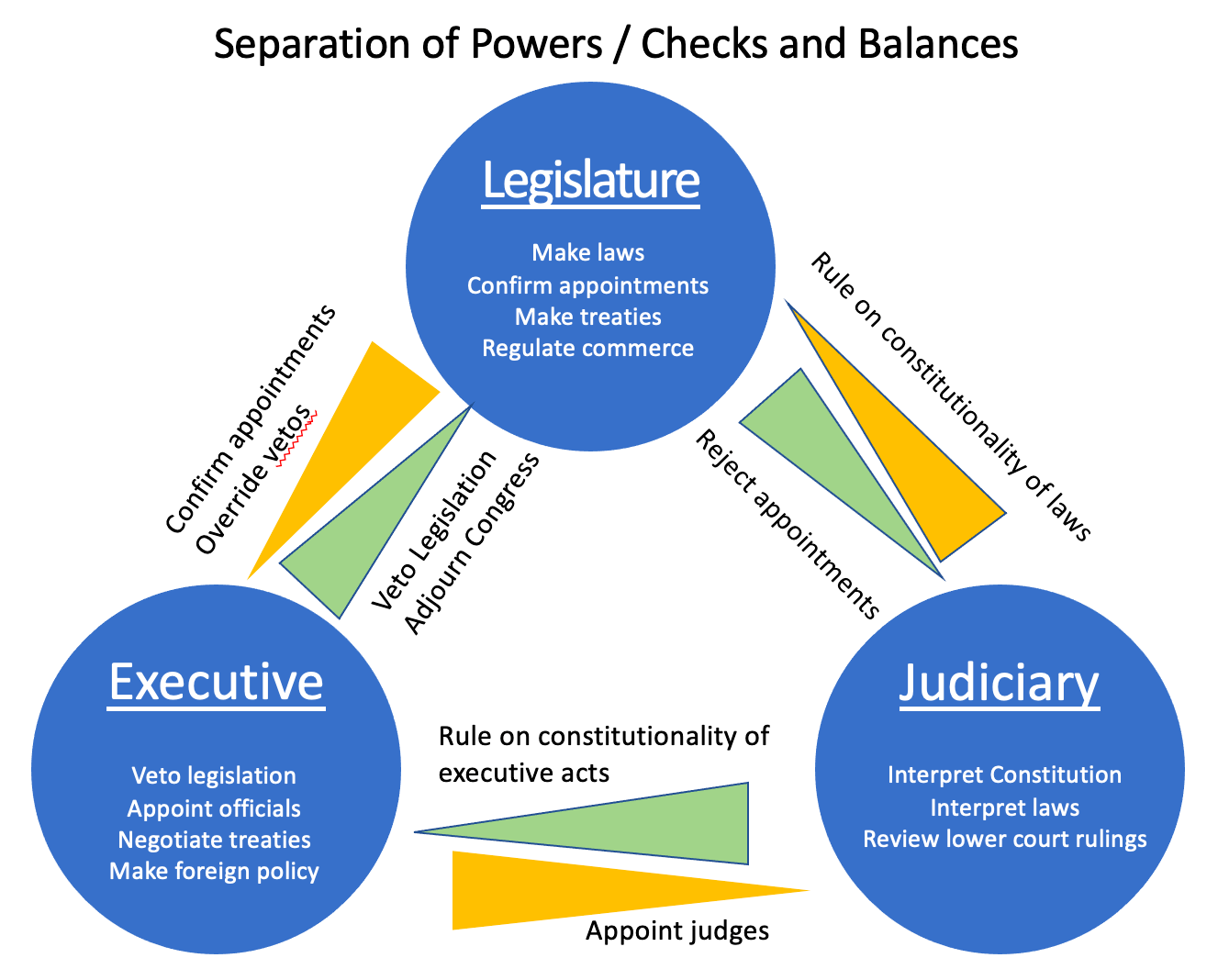
The FBI sits within the executive branch under the Department of Justice. The President appoints the Attorney General and can fire political appointees. But the FBI director serves a ten-year term specifically to insulate the position from political pressure tied to presidential election cycles.
That insulation only works if presidents respect the norm of FBI independence. When they don’t, the check collapses.
The Post-Watergate Settlement That’s Unraveling
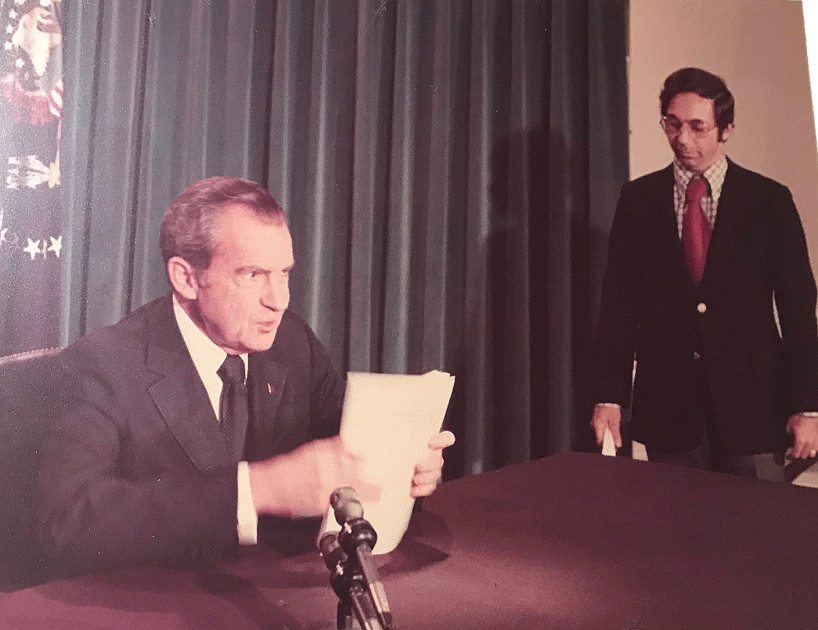
After Watergate, there was broad consensus that the Justice Department needed structural protections to prevent presidents from weaponizing law enforcement against political enemies. Richard Nixon’s attempt to fire the Watergate special prosecutor produced a constitutional crisis that ultimately ended his presidency.
The solution was a series of institutional norms, regulations, and appointment structures designed to create distance between the White House and specific prosecutorial decisions. The FBI director’s ten-year term was part of that framework. So were regulations governing communications between the White House and ongoing investigations.
Those protections were never written into the Constitution. They’re not laws Congress passed. They’re norms – shared expectations about how power should be exercised even when nothing technically prevents abuse.
Norms work until they don’t. When a president decides FBI independence is an obstacle rather than a safeguard, there’s very little in the formal constitutional text that stops him from treating the Bureau as a political tool.
The Comey case shows what happens when those norms break down. The President demands action. Prosecutors who resist get replaced. Charges materialize. The machinery of law enforcement bends toward presidential priorities rather than legal merit.
What Independence Actually Protects
FBI independence isn’t about protecting the Bureau’s institutional prestige. It’s about protecting everyone else from government overreach.
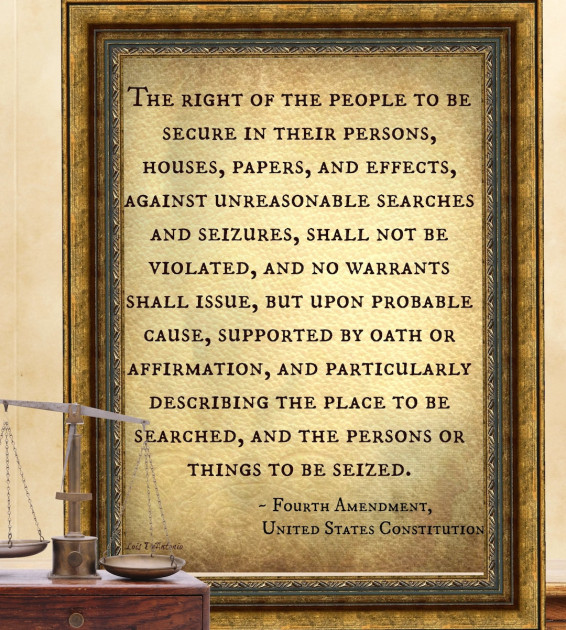
The Fourth Amendment prohibits unreasonable searches and seizures. The Fifth Amendment guarantees due process. The Fourteenth Amendment extends those protections against state action. But those constitutional rights only matter if the law enforcement agencies investigating Americans operate with some degree of impartiality.
If the FBI becomes an extension of presidential political strategy, every investigation becomes suspect. Did they open that case because evidence warranted it, or because the target criticized the President? Did they decline to charge because the evidence was weak, or because the suspect is politically connected?
Those questions don’t just matter for high-profile former officials. They matter for everyone the FBI investigates – terrorism suspects, organized crime figures, corrupt officials, corporate fraudsters. The integrity of the entire criminal justice system depends on the public’s belief that prosecutorial decisions are driven by evidence and law, not by political convenience.
Once that belief erodes, the system’s legitimacy goes with it.
The Chilling Effect You Can’t Measure
The real damage from politicized law enforcement isn’t always visible in individual cases. It’s the investigations that don’t happen because prosecutors fear retaliation. It’s the witnesses who won’t cooperate because they don’t trust the process. It’s the agents who shape their work around what they think political leadership wants to hear.
Career prosecutors and FBI agents now have to calculate: If I pursue this case against a presidential ally, will I lose my job? If I decline to charge a presidential critic, will that decision be overruled? If I contradict the White House narrative, will my family members face consequences?
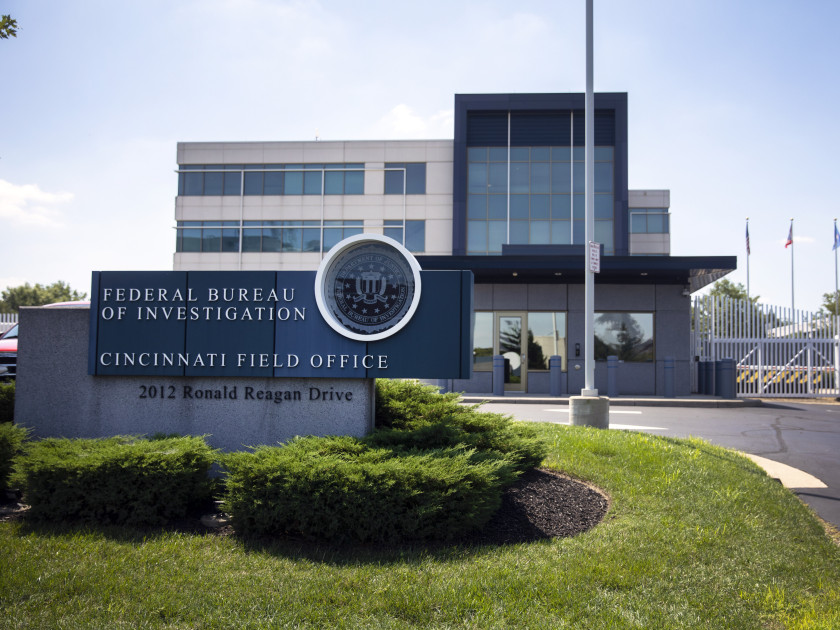
Those calculations happen before investigations start, which means some legitimate cases never get opened at all. The corruption that goes unprosecuted. The national security threat that gets ignored. The abuse of power that no one bothers documenting because they’ve already seen what happens to officials who challenge the administration.
This is how institutional independence dies – not through formal abolition, but through demonstrated risk that makes independence too dangerous to exercise.
When Law Enforcement Becomes Selective
The equal protection clause of the Fourteenth Amendment requires that government treat similarly situated people similarly. In theory, prosecutorial discretion should be exercised based on neutral factors – strength of evidence, seriousness of offense, availability of resources, deterrent effect.
In practice, prosecutors make subjective judgments all the time about which cases to pursue. That’s why prosecutorial independence matters so much – if those judgment calls are driven by political pressure rather than legal standards, equal protection becomes meaningless.
Consider the selective enforcement problem: If the Justice Department aggressively prosecutes presidential critics for conduct that’s routinely ignored when committed by political allies, the law isn’t being applied equally. The decision to charge becomes a weapon rather than a legal determination.
The Constitution doesn’t explicitly prohibit politically motivated prosecutions – there’s no clause that says “Presidents can’t indict their enemies.” The protection comes from institutional design and normative constraints on how power should be exercised.
When those constraints fail, the Constitution’s formal guarantees of due process and equal protection lose practical meaning. You might have rights on paper, but if law enforcement treats them as conditional based on your political alignment, the rights aren’t worth much.
The Precedent Problem
Every constitutional norm that breaks gets harder to restore. When one president fires prosecutors who won’t cooperate and replaces them with loyalists, the next president faces pressure to do the same. The ratchet only turns one direction.
We’re watching that process unfold in real time. Trump’s critics want him investigated and prosecuted for various alleged offenses. His supporters want his political opponents investigated and prosecuted. Each side views FBI independence as either a shield or an obstacle depending on who’s being investigated.
The result is a downward spiral where law enforcement becomes increasingly politicized with each administration change. The FBI can’t serve as a check on executive power if it functions as an arm of executive political strategy. But once that transformation starts, reversing it requires restraint from presidents who now have a demonstrated template for how to eliminate obstacles.
Constitutional systems depend on officials exercising less power than they technically possess. The President has broad authority over executive branch agencies. But respecting FBI independence means voluntarily constraining that authority in recognition that some institutional distance serves everyone’s long-term interests.
The Framers built a system that assumed officials would value constitutional balance over short-term political advantage. When that assumption fails, the formal structures don’t hold.
What’s at Stake Beyond One Case
James Comey will get his trial. The evidence will be presented. A jury will decide if he lied to Congress or obstructed justice.
But the larger constitutional question won’t be resolved in that courtroom. The question is whether the American system can maintain meaningful separation of powers when the executive branch controls the primary law enforcement agency that’s supposed to check executive abuses.
If the FBI becomes reliably responsive to presidential pressure, then the Fourth Amendment’s protection against unreasonable searches depends on whether the President likes you. Due process becomes contingent on political alignment. Equal protection means equal treatment among those who don’t threaten the administration.
That’s not a hypothetical slippery slope. It’s a description of how law enforcement functions in systems without independent institutions – where investigations serve power rather than law, and where the question isn’t whether you broke the law but whether you’re useful to the people who decide who gets prosecuted.
The United States built constitutional protections against that outcome. But protections that exist as norms rather than enforceable rules only work as long as people in power choose to respect them.
The Comey indictment is a test of whether that choice still matters. The answer is being written right now – not just in this case, but in every investigation shaped by fear of retaliation, every prosecutor who calculates political risk before legal merit, and every future official who watches what happens when you challenge the President.
The FBI was designed to investigate criminals regardless of their power. When it becomes a tool for investigating the powerful who become inconvenient, the constitutional architecture that protects everyone else starts to crumble.
In order to establish justice Constitutional confrontations between the executive and a department should be independently mediated by the Supreme Court.