
A federal appeals court ruled Monday that Alina Habba – Trump’s former personal lawyer turned New Jersey U.S. Attorney – is unlawfully serving in that role. The unanimous decision from three judges said the administration’s appointment strategy would “effectively permit anyone to fill the U.S. Attorney role indefinitely,” which “should raise a red flag.”
Habba had no path to Senate confirmation. New Jersey’s Democratic senators wouldn’t approve her through the “blue slip” tradition requiring home state senators to sign off on U.S. attorney nominees. So Trump and Attorney General Pam Bondi used what they called “overlapping mechanisms” in federal vacancy laws to install her anyway.
The court called it what it actually is: circumventing the Appointments Clause through procedural gamesmanship.
This isn’t just about Habba. It’s about whether presidents can bypass Senate confirmation for federal prosecutors by exploiting temporary appointment loopholes, cycling people through different statutory authorities to extend appointments indefinitely. And it’s happening in multiple blue states where Trump’s preferred prosecutors can’t win Democratic senators’ approval.
The Appointment Shell Game That Just Got Blocked
Habba’s appointment followed a specific sequence designed to circumvent constitutional requirements. Trump initially appointed her temporarily under one federal vacancy law. When that authority expired, instead of going through Senate confirmation, Attorney General Bondi appointed her under different statutory authority after Trump fired the court-appointed U.S. Attorney.
The administration argued this was legal – just using different “overlapping mechanisms” Congress provided. The appeals court disagreed, noting the “precisely timed steps” were designed to avoid Senate confirmation, not to comply with constitutional appointment requirements.
During oral arguments, one judge asked the DOJ lawyer: “Would you concede that there are serious constitutional implications to your theory here, which really is a complete circumvention, it seems, of the appointments clause?”
The Appointments Clause in Article II requires Senate confirmation for principal officers including U.S. Attorneys. Congress can authorize temporary appointments during vacancies, but those are meant as stopgaps while Senate considers nominees – not as permanent workarounds for nominees who can’t win confirmation.
Trump’s strategy treats temporary appointment authorities as ways to install unconfirmable people indefinitely by cycling through different statutory provisions. The court said that violates the Constitution’s basic requirement that principal officers get Senate approval.
Blue Slips: The Senate Tradition Trump Can’t Break
The “blue slip” tradition requires home-state senators to approve U.S. Attorney and district judge nominees before the Senate Judiciary Committee considers them. It’s not a constitutional requirement – it’s a Senate rule that Chairman Chuck Grassley refuses to abandon despite Trump’s fury.
New Jersey Senators Cory Booker and Andy Kim wouldn’t approve Habba. They have legitimate reasons: She’s Trump’s former personal lawyer with no prosecutorial experience, whose primary qualification is personal loyalty to the president.
Without blue slips, Grassley won’t hold hearings. Without hearings, there’s no confirmation vote. Habba cannot become U.S. Attorney through normal constitutional process.
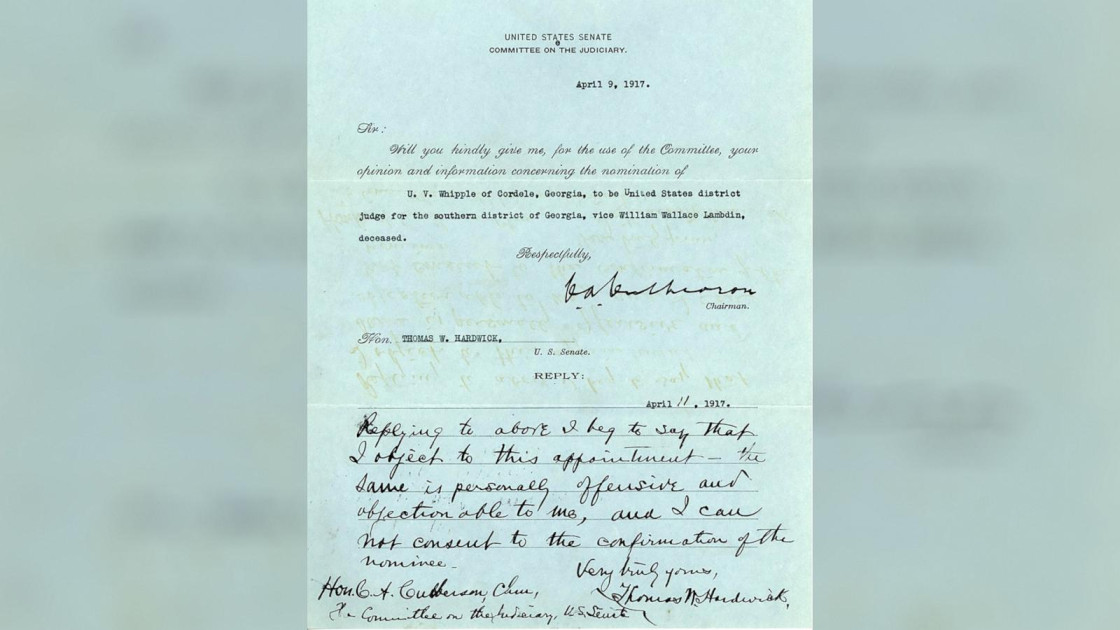
Trump’s response was firing the court-appointed U.S. Attorney and using temporary appointment authorities to install Habba anyway. That’s not adapting to Senate obstruction – it’s declaring the Senate’s constitutional role doesn’t matter if the president can find statutory workarounds.
The message Trump sent by firing the previous U.S. Attorney: Earning Democratic approval is “disqualifying in his view.” He wants prosecutors loyal to him personally, not prosecutors acceptable to the senators representing the states where they’ll wield prosecutorial power.
The Other Trump Loyalists Facing The Same Challenge
Habba isn’t alone. Lindsey Halligan in Virginia and Bill Essayli in California face similar legal challenges to their appointments. A federal judge ruled last week that Halligan is also unlawfully serving, though the administration is appealing.
The pattern is consistent: Trump nominates loyalists without prosecutorial experience who can’t win Democratic senators’ approval in their states. Rather than nominating consensus candidates who could win confirmation, the administration uses temporary appointment authorities to install them anyway.
This creates constitutional crisis across multiple federal districts. Criminal defendants in these districts are challenging prosecutions, arguing they can’t be prosecuted by invalid U.S. Attorneys. Courts are agreeing – invalidating the appointments and potentially undermining dozens or hundreds of prosecutions.
The administration’s position is that it’s simply using authorities Congress provided. But using them in coordinated sequence to avoid Senate confirmation transforms temporary vacancy powers into permanent appointment mechanisms. That’s exactly what the Appointments Clause prohibits.
What “Unlawfully Serving” Actually Means
The court didn’t order Habba removed immediately. The ruling just declares her appointment unlawful. The administration can appeal to the full 3rd Circuit or to the Supreme Court.
But while litigation continues, Habba remains in office prosecuting cases. Those prosecutions are constitutionally tainted because they’re being conducted by someone three federal judges unanimously declared is unlawfully holding the office.
Criminal defendants have obvious grounds to challenge their prosecutions. If the U.S. Attorney lacks legal authority to hold the office, prosecutions initiated under her authority are legally defective. That doesn’t necessarily mean defendants go free – it means prosecutions have to be reinitiated by a lawfully appointed prosecutor.
The practical mess is substantial. How many prosecutions has Habba authorized? How many indictments have been returned? How many plea agreements signed? All potentially need review and possible re-doing by a lawful U.S. Attorney.
The longer Habba serves while under legal cloud, the more prosecutions get tainted. But replacing her requires either Senate confirmation (which won’t happen) or finding new temporary appointment authority that courts haven’t already rejected.
The DOJ Lawyer’s “Overlapping Mechanisms” Argument
DOJ lawyer Henry Whitaker defended the appointments by claiming the administration “took a series of precise and precisely timed steps not to evade or circumvent those mechanisms but rather to be scrupulously careful to comply with them.”
That argument is technically accurate but substantively dishonest. Yes, each individual step complies with a specific statute. But the sequence – use one statute until it expires, immediately invoke a different statute, repeat as needed – transforms compliance into circumvention.
It’s like saying you’re complying with parking meter time limits by moving your car one space over every two hours to reset the timer. Technically each parking session complies with the time limit, but the pattern clearly circumvents the rule’s purpose.
The court saw through this. The “precisely timed steps” weren’t about legal compliance – they were about avoiding Senate confirmation while maintaining plausible deniability that each individual action was statutorily authorized.
Whitaker’s argument that this represents “scrupulous” compliance with the law is the kind of legal creativity that makes people distrust lawyers. Following the letter of disconnected statutory provisions while violating the spirit of constitutional appointment requirements isn’t scrupulous – it’s manipulative.
The Panel That Wasn’t All Democratic Appointees
The three-judge panel included two George W. Bush appointees and one Barack Obama appointee. The decision was unanimous.
This matters because it undercuts claims that the ruling is partisan obstruction of Trump’s agenda. Republican-appointed judges joined in finding the appointment unlawful. That’s not resistance – it’s enforcement of constitutional limits both parties previously respected.
The Bush appointees on the panel likely have conservative judicial philosophies and aren’t hostile to executive power generally. But they found this specific exercise of power violated the Appointments Clause’s requirement for Senate confirmation of principal officers.
If Trump’s appointment strategy can’t survive scrutiny from Republican-appointed judges, the problem isn’t judicial activism – it’s that the strategy genuinely violates constitutional requirements that conservative judges take seriously.
The unanimous ruling makes this much harder to dismiss as Democratic obstruction or judicial overreach. It’s three federal judges – spanning two Republican and one Democratic president’s appointments – agreeing that this specific workaround crosses constitutional lines.
Abbe Lowell: The Lawyer Who Keeps Beating Trump
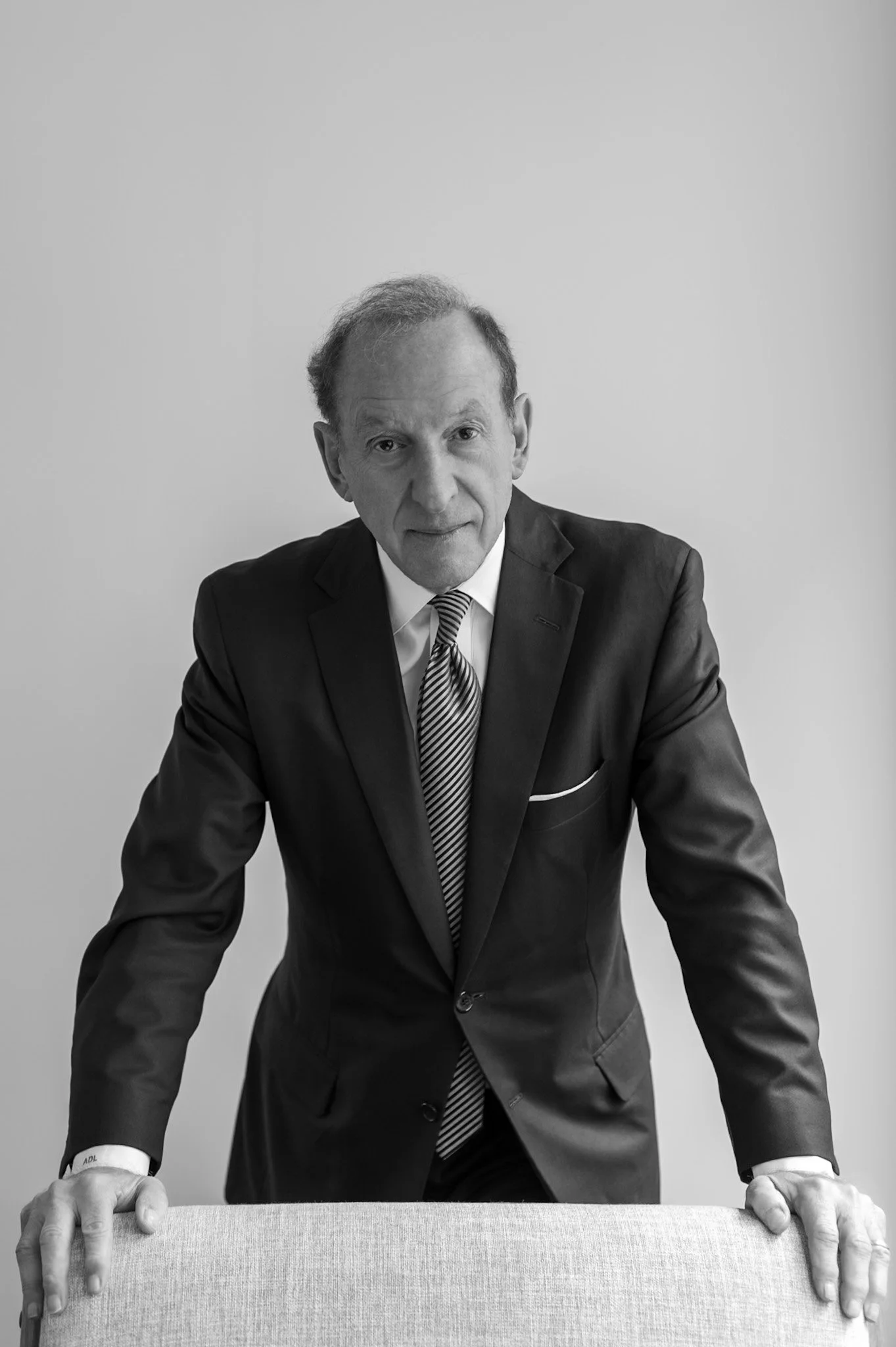
Abbe Lowell, a veteran D.C. lawyer, represented the defendants challenging Habba’s appointment. Lowell is “known for his involvement in lawsuits challenging the Trump administration” – he’s built a practice around identifying and litigating Trump’s constitutional overreach.
The fact that routine criminal defendants facing ordinary charges are being represented by a high-profile constitutional lawyer reveals what’s happening. These aren’t defendants with personal grievances against Trump – they’re test cases for whether Trump’s appointment strategy survives judicial scrutiny.
Lowell is using criminal defendants as vehicles to challenge broader constitutional violations. The defendants benefit if they win (their prosecutions get invalidated), but the real goal is establishing precedent that limits presidential appointment power.
This pattern repeats across Trump’s presidency. Constitutional lawyers identify overreach, find plaintiffs with standing to challenge it, litigate through federal courts, and frequently win. The administration treats each loss as one-off obstruction rather than pattern of exceeding constitutional authority.
Lowell winning the Habba case creates precedent that applies to Halligan in Virginia, Essayli in California, and any future attempts to use temporary appointment authorities to avoid Senate confirmation. One case victory ripples across the entire appointment strategy.
The Stalemate With The Senate That Trump Created
Trump’s position is clear: He won’t nominate people who need Democratic senators’ approval. Democratic senators won’t approve Trump loyalists without prosecutorial credentials. Chairman Grassley won’t abandon blue slips to break the impasse.
That creates constitutional stalemate. The Constitution requires Senate confirmation. The Senate’s rules require home-state approval. Trump refuses to nominate confirmable people. So districts with Democratic senators either get court-appointed U.S. Attorneys (whom Trump fires) or unconstitutional temporary appointments (whom courts invalidate).
The obvious solution is Trump nominating qualified prosecutors who can win bipartisan support in their home states. Former administrations did this routinely – found candidates acceptable to both the White House and home-state senators.
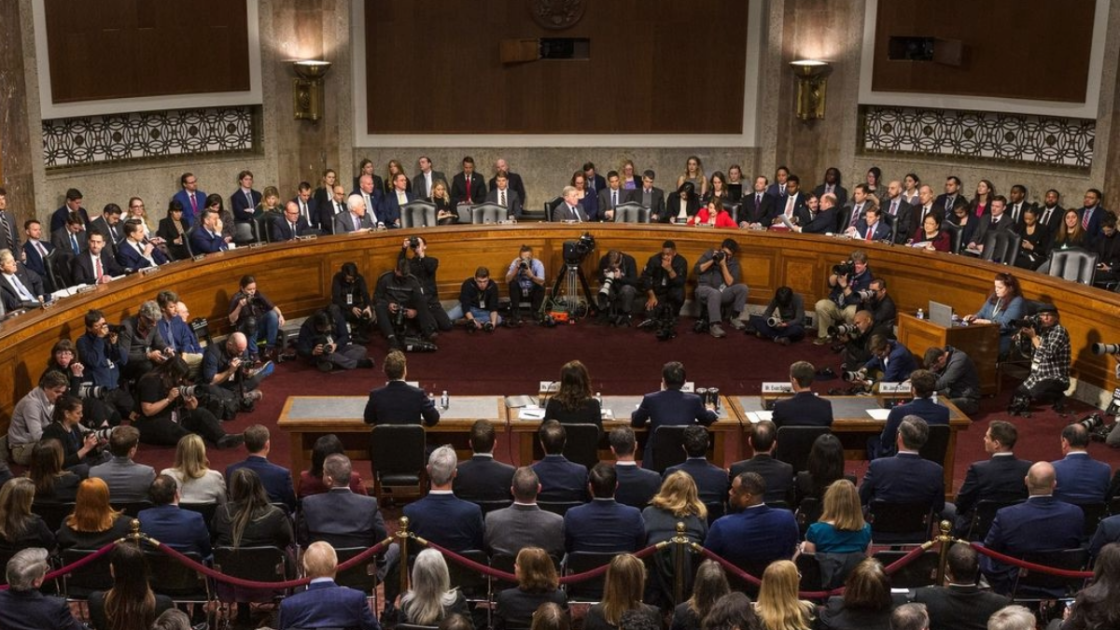
Trump views that as surrender. He wants prosecutors personally loyal to him, regardless of qualifications or home-state acceptance. The Constitution’s check on that preference is Senate confirmation. Rather than working within that check, Trump looks for workarounds.
The courts are now systematically invalidating those workarounds. Which creates the question: What happens when a president absolutely refuses to nominate confirmable people for offices that constitutionally require confirmation, and courts invalidate the workarounds?