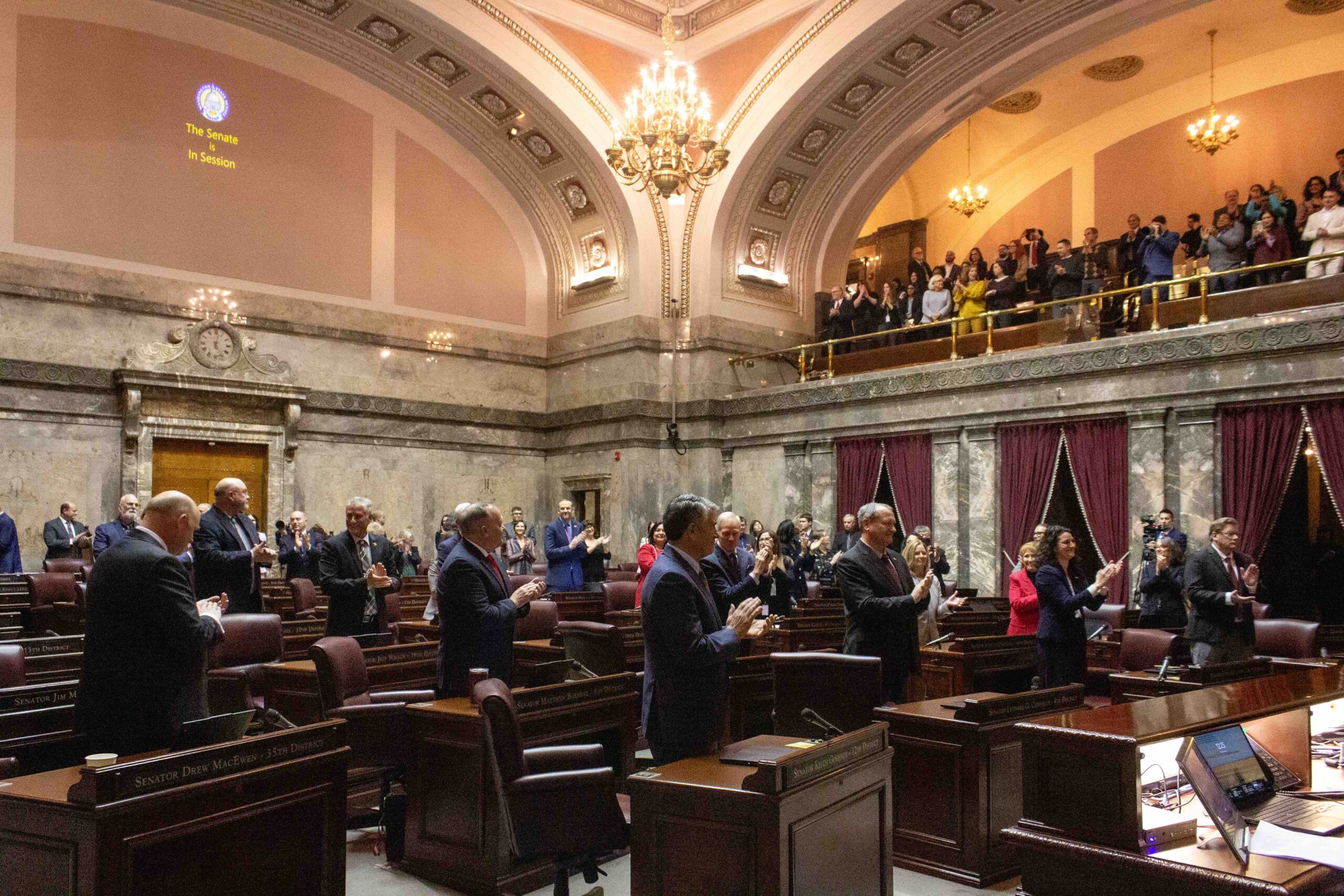
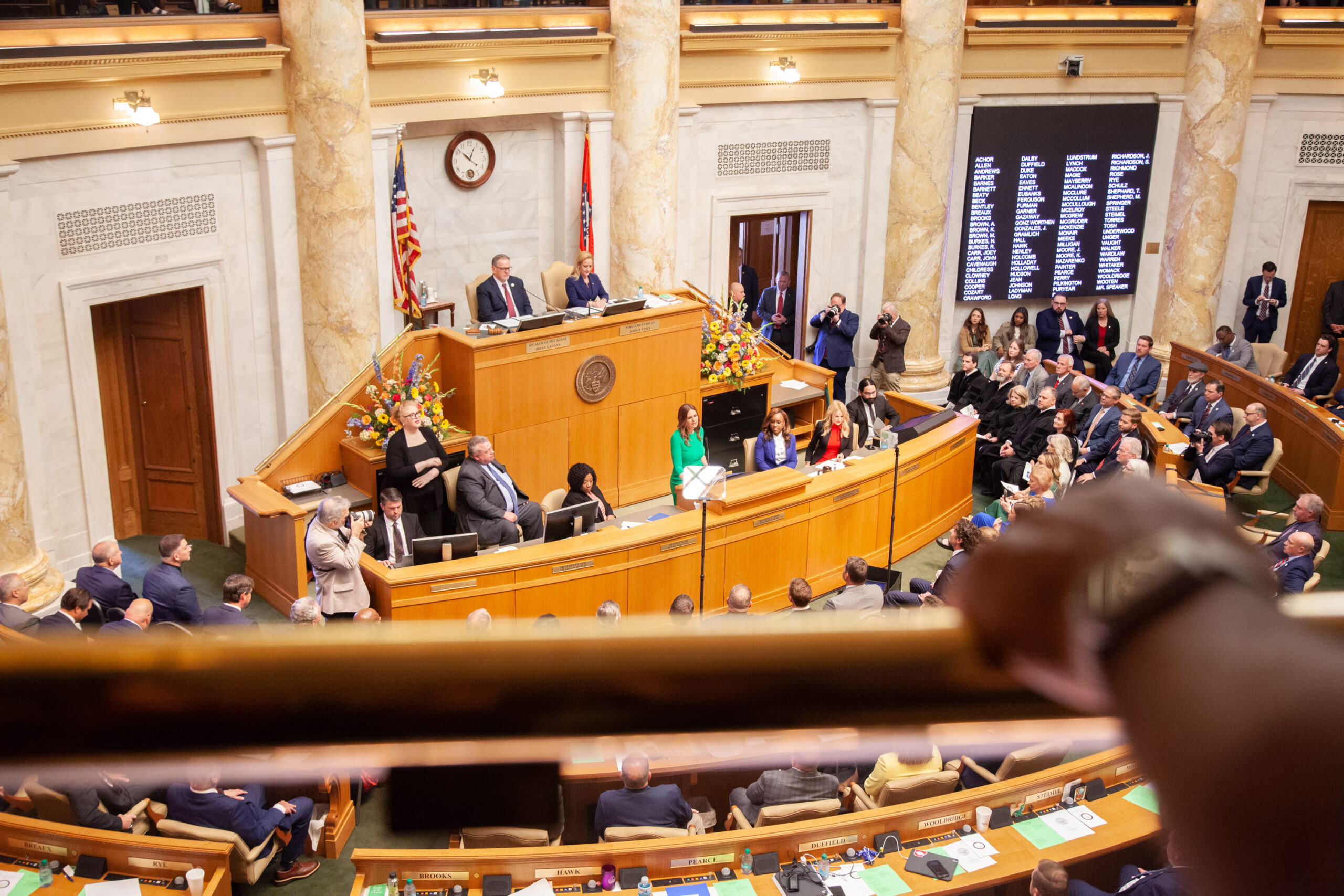
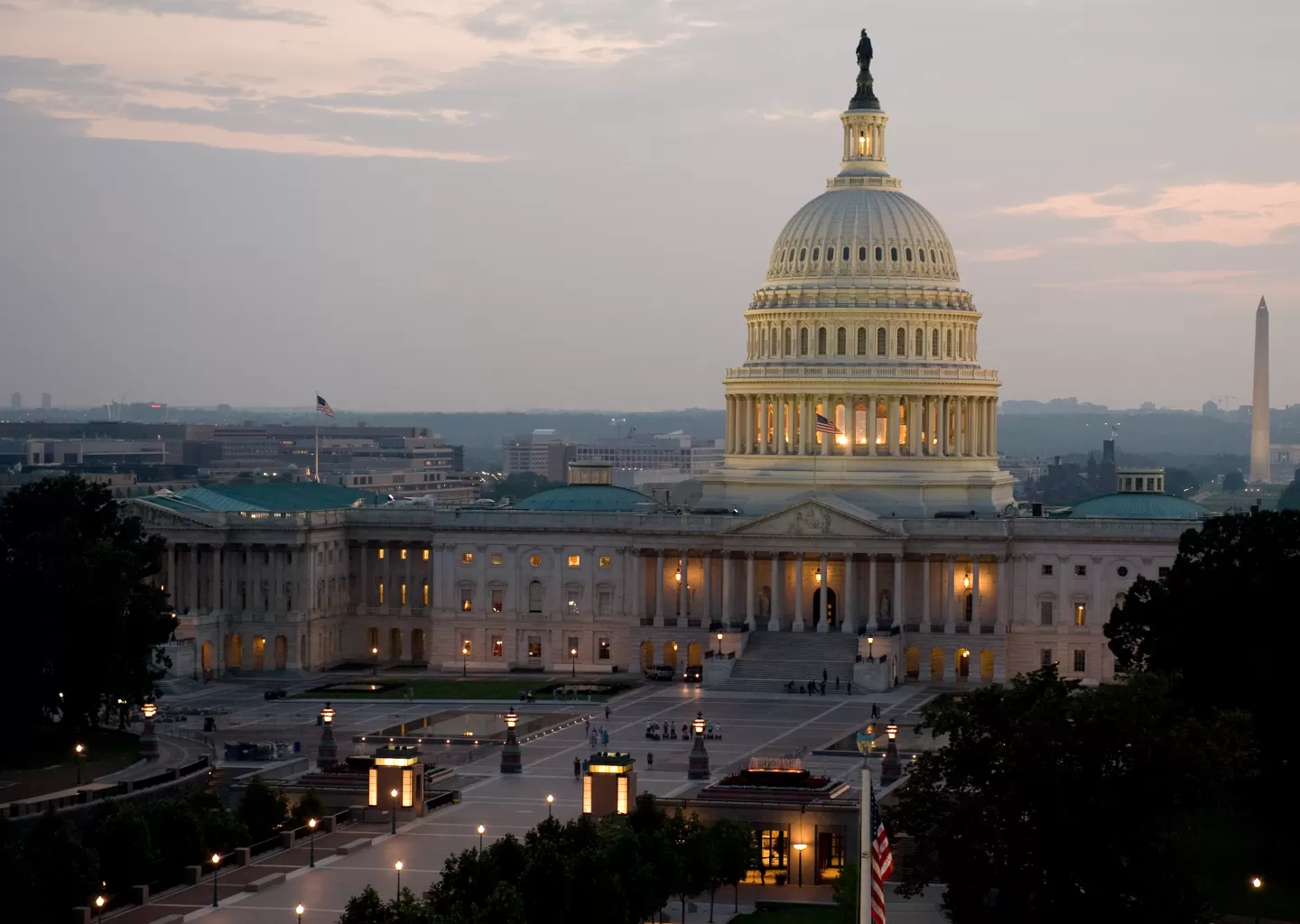
Eight Democratic and Independent senators walked onto the floor Sunday evening and voted to end the longest government shutdown in American history. They knew what was coming – fury from their base, accusations of betrayal, charges that they’d surrendered without getting anything in return.
They voted yes anyway. The government will reopen. SNAP benefits will resume. Air traffic controllers will get paid. Federal workers furloughed for 40 days will return to work.
And the Affordable Care Act subsidies Democrats spent weeks demanding as their price for reopening government? Gone from the deal. Republicans promised a vote within a month. No guarantees, no enforcement mechanism – just a promise to negotiate.
“What happened tonight is not the closing of a chapter. It’s the opening of an opportunity,” said Angus King, the Independent from Maine who caucuses with Democrats. He’s trying to frame capitulation as strategy.

The question isn’t whether he’s right. The question is whether there was any other choice – and whether his party will forgive him for making it.
Discussion
I wouldn't call JUST reopening the government a nothing.. Should have never been closed
These 8 Dems caved faster than a sandcastle in a storm just to reopen the gov with no backbone! It's disgraceful how they betrayed their own party just for a pat on the head from the GOP. No healthcare, no real wins, just promises and more empty talks…
About time they did their job!
Itβs a strange time in politics when the lines of party allegiance seem blurrier than ever. These eight Democrats stepping out to end the shutdown shows a willingness to remember there are real Americans struggling during these stalemates. It's essential to remember, though, this isn't just about party linesβitβs about the well-being of citizens whoβve gone too long without their deserved pay or benefits. While I might support Trump, I miss the days when issues could be resolved with unity and respect for the constitution. This situation leaves us questioning if our current leaders can uphold those values.
Youβre absolutely right
These 8 democrats showed that they care about the people who were suffer due to the democrats shutdown they have more backbone than those that want to continue the government shutdown
I DISAGREE–IF THEY CARED ABOUT AMERICA /AMERICANS THEY WOULD HAVE STOOD UP AFTER THE FIRST FEW DAYS AND NOT HAVE LET IT DRAG OUT UNTIL NOW. AT FIVE IF I HAD THE ATTITUD EOF MOST DEMOCRATS I WOULD HAVE HAD MY BUTT BLISTERED BY MY DADDY'S BELT TO ADJUST MY BAD ATTITUDE.
Democrats shouldnβt have caved! Republicans will take advantage of them for it! Wow!
They need to start Worrying about non-American Muslim citizens that are infiltrating our government. Everyone seems to have forgot about 9/11 where Muslims took down the trade center and killed so many Americans and now, they are taking over our government 1 seat at a time or let's say 42 seats in the 2025 election. This should scare the crap out of every that believes in our constitution and loves our country. That is the Democrat socialist communist Marxist party for you. Hope they never gain power again or America will be lost forever.
Letβs just hope after all this itβs the American people that come out on top where are the ones that deserve it donβt forget weβre still paying you
It's not about Democrat or Republican this whole thing is about American citizens and I say American citizens not illegal aliens and the Democratic party is the forgotten about the American citizens it's not about them it's not about the Democrats and their agendas it's about the American people and the Democrats don't remember that these eight that stepped up to him this shutdown our strong individuals and they're thinking about the American people and their party up to be proud of them
Those eight will be remembered by those that were suffering from the shutdown. They have my respect.
OH! I thought the little Democrat ppl said the blame was the Republicans why the Gov was closed? lol
Leave a Comment
Leave a Comment
The Votes That Broke The Stalemate
The eight senators who voted to advance the Republican bill knew exactly what they were doing. None of them are up for reelection in 2026. Two – Dick Durbin of Illinois and Jeanne Shaheen of New Hampshire – are retiring next year. The others won’t face voters until 2028 at the earliest.
That timing isn’t coincidental. These are senators with enough political cushion to absorb the immediate backlash without risking their seats. They could afford to prioritize ending the shutdown over maintaining party unity.
John Fetterman of Pennsylvania had been voting for the House-passed funding bill for weeks – he never bought into the strategy of using the shutdown to extract healthcare concessions.
“It should’ve never come to this,” he said Sunday. “I’m sorry to our military, SNAP recipients, gov workers, and Capitol Police who haven’t been paid in weeks.”
That apology reveals the calculation these eight made: The people suffering from the shutdown matter more than the political leverage it provides.

Whether that’s capitulation or conscience depends on whether you’re the one who’s been going without a paycheck or food stamps for 40 days.
What Democrats Got – And What They Gave Up
The deal funds the government through January 30. It restores SNAP benefits, pays federal workers, ends the chaos at airports. Those aren’t small things – they’re the basic functions of government that 42 million Americans and hundreds of thousands of workers have been living without.
What Democrats didn’t get: the one-year extension of ACA subsidies they’d made their non-negotiable demand. The subsidies that were supposed to be the whole point of holding out, the policy win that would justify the pain millions of Americans endured during the shutdown.
Instead, they got a promise. Republicans will hold a vote on healthcare within a month. No commitment about what kind of extension, no guarantee it will pass, no enforcement if they simply don’t follow through.
Maggie Hassan of New Hampshire tried to spin this as progress: “My Democratic colleagues and I have been ready to work on this for months. With the government reopening shortly, Senate Republicans must finally come to the table – or, make no mistake, Americans will remember who stood in the way.”

That’s the language of someone who knows she didn’t win but needs to pretend she didn’t lose. Republicans “must” come to the table – but there’s no mechanism to force them. Americans “will remember” – but they’ll also remember Democrats held the government hostage for 40 days and got nothing binding in return.
The Flight Chaos That Finally Broke The Dam
Air travel descended into chaos over the weekend. Cancellations and delays piled up as air traffic controllers – working without pay for 40 days – reached their breaking point. Federal transportation officials warned it would only get worse.
This is what ultimately forced the deal. Not principle, not strategy, not some brilliant negotiating breakthrough. Just the mounting evidence that continuing the shutdown was causing immediate, visible harm that Americans could directly experience.
When flights get canceled, business travelers miss meetings. Families can’t get to funerals. Vacations get ruined. Those people call their senators. Those senators – especially the ones not facing reelection for years – started calculating whether holding out for healthcare subsidies was worth being blamed for Thanksgiving travel nightmares.

The answer turned out to be no. Eight of them decided the visible pain of the shutdown outweighed the theoretical benefit of continued leverage.
That’s not a heroic stand. It’s a pragmatic recognition that the strategy had failed and continuing it would only multiply suffering without improving the outcome.
What “Opening An Opportunity” Actually Means
Angus King’s framing – that this isn’t closing a chapter but opening an opportunity – deserves scrutiny. What opportunity did Democrats open by agreeing to reopen the government without getting their healthcare demands?
The opportunity to negotiate from a position of weakness. Republicans now control the timeline, the terms, and the pressure points. If they want to offer Democrats nothing on ACA subsidies, they can. If they want to offer something inadequate, Democrats will have to decide whether to accept it or watch premiums spike for millions of Americans.
That’s not an opportunity. That’s a trap Democrats just walked into voluntarily.
King is arguing that ending the shutdown opens space for “serious, bipartisan negotiations” on healthcare. But why would Republicans negotiate seriously now? They just proved Democrats will cave under pressure. They extracted unconditional surrender and are being praised for promising to maybe talk about healthcare next month.

The “opportunity” King is describing is the chance for Democrats to salvage something from complete defeat. That’s not strategy – it’s damage control.
The Democrat-vs-Democrat Fury That’s Just Beginning
The immediate backlash from the Democratic base was predictable and brutal. Progressive activists are calling the eight senators traitors, demanding primary challenges, accusing them of abandoning the party’s commitment to protecting healthcare.
“Making this deal is malpractice,” one Democratic strategist told reporters. The fury isn’t about the shutdown ending – it’s about how it ended. Democrats held out for 40 days, endured massive political damage, watched Americans suffer, and got nothing concrete in return.
That’s not a disagreement about tactics. It’s rage over what looks like incompetent negotiation that accomplished nothing except prolonging pain.
But here’s the counter-argument those eight senators would make: What was the alternative? Keep the shutdown going while flight chaos worsens, while SNAP recipients go hungry, while federal workers miss another paycheck? For what – a promise Republicans might eventually negotiate on healthcare?

The deal they accepted includes the same promise. So Democrats could have either taken it on day one or taken it on day 40 after inflicting maximum damage on their own constituents. They chose day 40, and now both wings of the party are furious at each other for different reasons.
The SNAP Crisis That Was Always The Real Deadline
While Democrats and Republicans argued about healthcare subsidies, 42 million Americans were trying to figure out how to buy food with 65% of their normal SNAP benefits – or in some states, no benefits at all.
The Supreme Court’s decision to block a lower court order requiring full SNAP funding added urgency that made the shutdown politically unsustainable. You can argue about healthcare policy in the abstract. You can’t ignore millions of Americans going hungry in real time.
The Agriculture Department’s Sunday directive to states to prepare to restore full SNAP benefits reveals that this was the crisis forcing resolution. Not the political optics, not the polls, not the strategic considerations – just the reality that continuing to deprive food assistance to 42 million people was approaching moral catastrophe.

Those eight Democratic senators looked at that reality and decided no healthcare concession was worth prolonging it. Their progressive critics are arguing they should have held out longer, extracted more, used the leverage better.
But leverage only works if you’re willing to follow through on the threat. Were Democrats really prepared to keep millions of Americans without adequate food assistance for another week, another month, waiting for Republicans to cave on healthcare? And if Republicans never caved, what then?
What The 40-Day Timeline Reveals About Both Parties
The shutdown lasted 40 days – longer than any in American history. That duration reveals something damning about both parties: Neither one prioritized ending the pain quickly enough to prevent it from becoming a genuine crisis.
Republicans could have negotiated on healthcare to reopen the government weeks ago. They chose not to because they believed Democrats would eventually surrender without getting concessions. They were right.
Democrats could have accepted that Republicans weren’t going to cave and reopened the government without healthcare wins weeks ago. They chose not to because they believed the suffering would eventually force Republicans to negotiate. They were wrong.
Both parties gambled with other people’s lives and livelihoods. Both were willing to prolong genuine harm to Americans in pursuit of political advantage. And both are now claiming the resolution as some kind of victory.

The real story is that it took 40 days of mounting crises – air travel chaos, food assistance interrupted, federal workers unpaid – before enough senators from either party decided the human cost outweighed the political benefit.
That’s not a failure of one party. It’s a failure of the system both parties operate within, where institutional crisis has become an accepted tool of political negotiation.
The Promise That Isn’t Worth The Paper It’s Not Written On
Republicans promised to hold a vote on ACA subsidies within a month. Hassan called this a commitment. King called it an opportunity. Fetterman didn’t bother trying to spin it.
Here’s what that promise actually means: In four weeks, Republicans might bring up healthcare legislation. It might include some kind of subsidy extension. Democrats will have no leverage to demand anything specific because the government will already be open.
If Republicans offer something inadequate, Democrats can vote against it. Then what? Shut down the government again? The eight Democrats who just broke ranks have already demonstrated they won’t sustain another shutdown. Republicans know this.
If Republicans offer nothing at all, Democrats can complain loudly. Republicans can shrug and say they brought it up for discussion but couldn’t reach agreement. The subsidies expire, premiums spike, and Republicans blame Democrats for refusing to accept reasonable compromises.
That’s not a negotiation. That’s a surrender where the winning side agrees to think about maybe throwing the losers a bone in a month if they feel like it.
The eight Democrats who voted yes are betting that some extension is better than none, and that Republicans will feel enough pressure to offer something. That’s hope, not strategy.
Why The “Not Up Until 2028” Detail Matters
The fact that none of these eight senators face voters until 2028 at the earliest – and two are retiring – changes how we should interpret their votes.
They’re not profiles in courage, risking their political careers to do what’s right. They’re politicians with enough cushion to absorb backlash without consequences. That doesn’t make their votes wrong, but it does make them less meaningful as moral statements.
If the Democrats most vulnerable in 2026 had broken ranks, that would signal the party’s position had become politically untenable. But the 2026 vulnerable Democrats held firm. The ones who voted to end the shutdown were the ones who could afford to.
That reveals this wasn’t a moment where conviction overcame political calculation – it was a moment where political calculation allowed some Democrats to prioritize ending the shutdown while others maintained party loyalty because they couldn’t afford not to.

The Democratic Party’s internal division isn’t about principles. It’s about which senators can weather progressive fury and which can’t. The ones with political security chose pragmatism. The ones facing reelection soon chose solidarity.
Neither choice is obviously right or wrong – they’re just different risk calculations about whether ending the shutdown was worth progressive backlash.
What “I’m Sorry” Reveals About Fetterman’s Vote
John Fetterman’s statement after voting yes included an apology: “I’m sorry to our military, SNAP recipients, gov workers, and Capitol Police who haven’t been paid in weeks.”
That’s not the language of someone who believes he just won something. It’s the language of someone who knows he’s been part of a system that failed the people it’s supposed to serve.
Fetterman has been arguing for weeks that Democrats should reopen the government without extracting healthcare concessions. He got outvoted by his caucus repeatedly. Now he’s part of the group that finally ended it – and he’s apologizing to the people who suffered while his party tried and failed to get leverage from their pain.

That honesty is rare in politics. Most senators would claim victory, spin the outcome as strategic, pretend they got something valuable. Fetterman is saying clearly: This shouldn’t have happened, people suffered unnecessarily, I’m sorry it took this long.
Whether that apology matters to the military families who missed paychecks, the SNAP recipients who went hungry, or the federal workers who worked without pay is another question. But at least one senator is acknowledging the human cost instead of pretending it was all worth it for some strategic gain.
The January 30 Deadline That Guarantees This Happens Again
The deal funds the government through January 30. That’s 11 weeks – just long enough to create the illusion of stability before the next crisis.
Why January 30? Because Republicans want maximum leverage over 2026 appropriations negotiations, and Democrats were in no position to demand anything longer. So in 11 weeks, we’ll be back here – another deadline, another threat of shutdown, another round of who can inflict more pain on Americans to extract political concessions.
This is governing by crisis, and both parties have accepted it as normal. Instead of passing regular appropriations bills through normal legislative process, Congress lurches from short-term funding deal to short-term funding deal, using each deadline as leverage for unrelated policy fights.

The eight Democrats who voted to end this shutdown haven’t fixed anything. They’ve just postponed the next crisis by a few weeks. And when January 30 rolls around, we’ll discover whether they’re willing to hold firm next time or whether their vote Sunday established a pattern where Democrats cave whenever pain gets serious enough.
What This Deal Reveals About Democratic Strategy
Democrats spent 40 days arguing their shutdown strategy would force Republicans to negotiate on healthcare. They were catastrophically wrong.
Republicans never seriously considered giving Democrats a healthcare win. They just waited for enough Democrats to decide the suffering wasn’t worth it. That took 40 days, but it was always the likely outcome.
This reveals a fundamental problem with Democratic shutdown strategy: It assumes Republicans care more about ending the pain than Democrats do. But Republicans represent constituencies that largely support forcing concessions through hardball tactics. Democrats represent constituencies that expect government to function and get angry when it doesn’t.
That asymmetry means Democrats almost always blink first in shutdown standoffs – not because they’re weak, but because their voters punish them for visible government dysfunction more than Republican voters punish their representatives.

The eight Democrats who broke ranks understood this. They could see the strategy had failed and that continuing it would only multiply the damage without improving the outcome. Their progressive critics are arguing they should have held out longer – but for what? Republicans had already demonstrated they wouldn’t cave, and more time would just mean more suffering without better results.
The Question Nobody’s Asking: Was It Worth It?
Democrats held the government closed for 40 days. Federal workers missed paychecks. SNAP recipients went hungry. Air travel descended into chaos. National parks closed, passport applications stalled, court cases got delayed.
And in exchange for all that suffering, Democrats got: a promise to maybe vote on healthcare sometime in the next month.
Was it worth it? That’s the question both the eight Democrats who voted yes and the Democrats who opposed them need to answer. Because if the answer is no – if this 40-day shutdown accomplished nothing except inflicting unnecessary pain – then what just happened was a catastrophic failure of political strategy that hurt millions of people for no reason.
The eight Democrats who broke ranks seem to have concluded it wasn’t worth continuing. The Democrats who opposed them seem to believe holding out longer might have yielded better results. But nobody’s articulating what those better results would look like or why Republicans would suddenly offer them.

That’s the void at the center of this debate. One side is arguing Democrats gave up too soon. The other side is arguing there was nothing to gain from continuing. Neither side wants to admit the real truth: The strategy was doomed from the start, the 40 days of suffering accomplished nothing, and the best outcome was always going to be unconditional surrender.
What “Opening An Opportunity” Looks Like In Practice
In four weeks, we’ll find out what King’s “opportunity” actually means. Republicans will bring up healthcare for a vote – maybe. They’ll offer something – maybe.
If they offer a one-year extension with no strings attached, Democrats can declare victory and pretend the 40-day shutdown was worth it. If they offer nothing, or something inadequate with poison pills attached, Democrats will face a choice: accept it anyway, or watch premiums spike and get blamed for refusing to compromise.
That’s the “opportunity” these eight Democrats just opened. It’s not a negotiation between equals. It’s a choice between whatever Republicans feel like offering and nothing at all, with no leverage to demand better.
Maybe that’s better than continuing the shutdown. Maybe ending the pain was more important than getting policy wins. Maybe these eight senators made the right choice in an impossible situation.

But let’s not pretend it was some strategic breakthrough. It was a surrender dressed up as progress, with a promise attached that’s worth exactly as much as Republicans decide to make it worth.
In 11 weeks, when the January 30 deadline arrives and we’re back in crisis mode, we’ll see whether this “opportunity” produced anything or whether it was just a face-saving way to admit defeat.
Either way, 40 days of suffering is over. Whether it had to last that long is the question both parties need to answer – and neither one seems eager to ask.
Dems caving again, typical! sacrificing values for nothing.