
It was meant to be a routine victory lap for the Senate Minority Leader, a moment to celebrate a surprisingly good election night for his party amidst a grueling government shutdown. But the carefully orchestrated press conference was suddenly upended by an uninvited guest with a very different message.
This unscripted moment on Capitol Hill is more than just intra-party drama. It is a vivid illustration of a fracturing political coalition, a development with profound implications for how—or if—our divided government can function.
A Victory Lap Interrupted
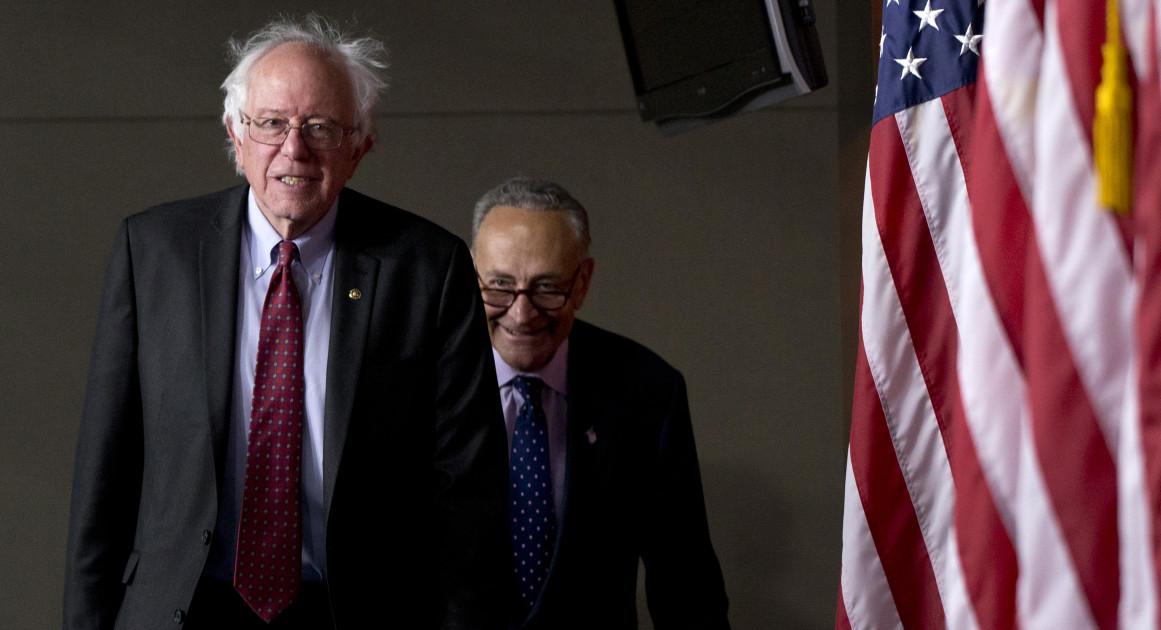
Senate Minority Leader Chuck Schumer was at the podium, touting Democratic wins in New Jersey and Pennsylvania as a “five-alarm fire” for Republicans and a rebuke of the Trump administration’s shutdown strategy. Then, Senator Bernie Sanders stepped in, effectively hijacking the event to deliver a stinging rebuke not to the Republicans, but to his own leadership.
Sanders criticized the national party for failing to back successful progressive candidates, specifically New York City’s mayor-elect Zohran Mamdani and Maine Senate hopeful Graham Platner. His argument went deeper than mere campaign tactics; it attacked the fundamental strategy of the modern Democratic establishment.
“I think there is a growing understanding that leadership, and defending the status quo and the inequalities that exist in America, is not where the American people are,” Sanders declared.
Why Internal Party Fights Matter to the Republic
This feud is happening against the grim backdrop of the longest government shutdown in U.S. history, now in its 36th day. While Schumer wants to use the election results as leverage to force President Trump to negotiate on healthcare subsidies, Sanders is arguing that the party’s base is moving faster and further left than its leaders.
While political parties are not mentioned in the Constitution, they have become the primary engines that organize our Article I legislative branch. When those engines sputter due to deep internal ideological conflict, the entire machinery of government can grind to a halt, making the already difficult task of passing a budget nearly impossible.
Historical Tidbit: American political parties are fragile coalitions, not permanent constitutional fixtures. The collapse of the powerful Whig Party in the 1850s serves as a stark historical reminder that when a party’s leadership fails to address the urgent demands of its base, it risks rapid dissolution.
A Signal from the Voters?
The election results themselves—from a Democratic Socialist winning the nation’s largest city to Democrats holding the line in key judicial races—suggest a highly volatile electorate. Voters appear to be rejecting the current state of affairs, regardless of whether it is driven by Trump’s GOP or the Democratic status quo.
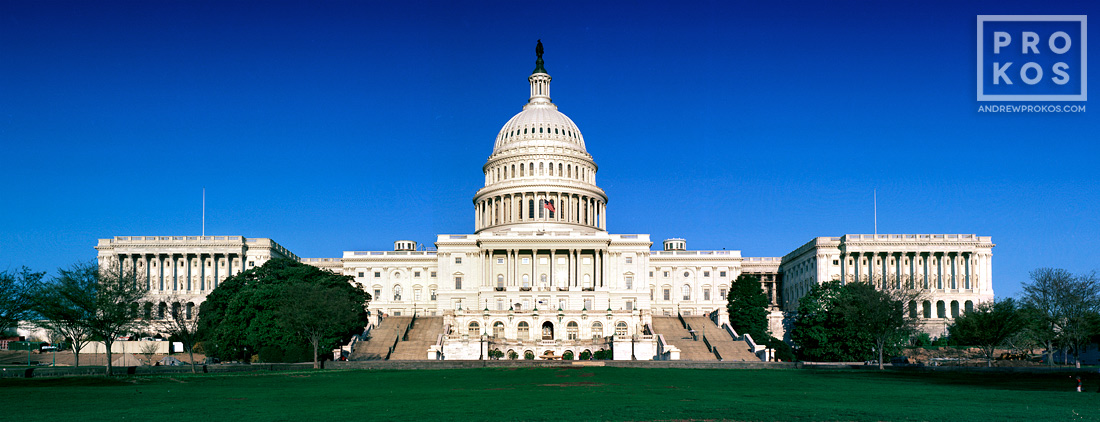
Senator Sanders’ interruption is a signal that the “loyal opposition” is having trouble staying loyal to itself. As the shutdown drags on and the constitutional duty to fund the government remains unfulfilled, a fractured opposition party only adds another layer of chaos to an already fragile system.