Poverty as Probable Cause? Proposed Drug Testing for SNAP Recipients Faces Significant Constitutional Obstacles

Should drug testing be mandatory for SNAP recipients, with benefits cut for users?

  • :
  • :

View Results

Loading ... Loading …

Representative David Rouzer introduced H.R. 372 in January requiring states to drug test SNAP food stamp recipients quarterly or lose federal funding. The bill mandates testing for anyone arrested for drug offenses in the past five years, screens others for “risk of substance abuse,” and denies benefits for one year to anyone testing positive. It applies to 41 million Americans who receive nutritional assistance.

The constitutional problem is straightforward: the Fourth Amendment prohibits unreasonable searches without probable cause. Federal courts have repeatedly struck down suspicionless drug testing of public assistance recipients as unconstitutional. The Supreme Court has established that receiving government benefits doesn’t justify warrantless searches. And lower courts have specifically held that states cannot drug test welfare applicants without individualized suspicion of drug use.

H.R. 372 would require the federal government to mandate what courts have already ruled unconstitutional. It transforms poverty into probable cause, treats needing food as suspicious behavior, and subjects millions of Americans to quarterly searches based solely on their economic status.

ebt card at checkout

Discussion

Linda

While I understand the desire to ensure SNAP support goes to truly needy families, H.R. 372 raises serious constitutional concerns. The Fourth Amendment should protect all citizens, regardless of income level. We must find a balance between accountability and respecting individual rights – not treat poverty as a crime!

Phil

Stop with the constitutional excuses! It's about making sure tax dollars aren't wasted on drugs. If someone refuses a test, maybe they have something to hide. Trump prioritized Americans, not coddling addicts. People should be thankful for any assistance and willing to prove they're clean!

Mary May

Exactly! Poor folks deserve their rights protected too, not more government overreach!

Mitchell Yeager

I have to take on to give it to them. Sadly, I see these assistance programs going toward buying drugs. Get out of your house and look around.

Karen Leech

You really are a MAGAT aren't you? Food stamps are not like they were when they started … Actual stamps you could give away for cash. Now they are CARDS with NO cash allowances. You buy FOOD not alcohol or drugs.

Janet Morgan

When I lived in AZ half t g e town was on food stamps. I saw so much waste there it was dusgusting. One wo n an was bragging about getting $1200 a month because ger a ister and sisters kids moved out and it was never reported. Her comment was…..yeaay gives us m I re beer money when I dont have to buy groceries. She would badger her home health care clients into ketting her get groceries fi r t g em on her card and only ac ept cash for tge groceries, plus she was paid mi l eage by her employer to drive 45 mikes to tien and back to get those groceries. That is only one example.

Wynona

It's not poverty being treated as a crime, it is the drug use. Why should you and I pay for someone to get high and use that as an excuse to not get a job.
I'm ok if they want to use drugs, just don't expect the taxpayers to feed them.

Bruce A Harten

Poverty is not a crime……..Donald J Trump : insurrectionist. Rapist, Thief, Liar to the nth dergree, Who on January 6th KILLED 5 Police officers then Pardoned 1500 who aided and abetted the killings ! Donald J Trumps Treason Trial in 2028 managed by prosecutor Jack Smith will last no more than ten minutes and he will be rushed to the shakey scaffold erected where the ballroom used to be and pay his debt for murder n lies rapes n lies thefts n lies…ect ect ect !

Mitchell Yeager

You should talk to someone about your anger issues.

Janet Morgan

You need help for your TDS.

Maine Ozbirn

This is one more attempt to seek out "undesirables". Yes, there should be straight forward requirements for any welfare recipient … But they should be around financial issues, not anything else.

Mitchell Yeager

Instead of buying food they buy drugs.
Education is the key and looking around.

Karen Leech

You are right.. EDUCATION IS THE KEY! You might want to learn HOW SNAP works. It is based on income. It is spent for FOOD. You cannot purchase alcohol or drugs with it.

Janet Morgan

There are lots of ways to exchange benefits for cash. I lived in an area where misuse was very common. I refused to let these people pay for some if mn y grocer I es in exchange for 50 cents on the dollar. They would get so pissy when you wouldnt play their gamn e. Acted like you owed them something.i dont disagree that not all do this…..but the number is bigger than you think.

Bruce Harten

$40 billion sent to Argentina by '' felon'' but on arrival 75% is rerouted to felons family accounts in BIG SAND COUNTRYS…GO FELON !

Mitchell Yeager

Why are you bringing Bidens name into this?

Karen Leech

Biden is not a convicted felon. Trump has those… He is a r…ist and a pedophile. Release the Epstein files!

Jessie

I had to pass a drug test for every job I applied for this century. Unfortunately, with many people, SNAP and forms of welfare are their job. What makes these people privileged over the working population?

Janet Morgan

As a former truck driver, bus driver, home health provider and school employee i was finger printed, background checked and drug tested 26 times. So….to hell with their little feelings. DRUG TEST THEM

Gramma

If they can afford drugs, they can afford to buy food!

Georgann

SNAP IS A GOVERNMENT SUBSIDE, IF YOU ARE On drugs you should be suspended until we find that you are under a physicians Care for the drug that you're on and if you are not then you lose the snap finished.

joan hamilton

No.

Ele

I know people that trade SNAP for drugs and alcohol. Another person pays for it in trade for an amount of use from the persons card to by food each month, there for the person has their drugs and alcohol.

Gary Scorby

This should also include cigarettes. Price per carton is well over $100.00. I have seen some brands running up to $130.00.

Old Texan

I have had to drug test for every job I have held for the last 30 years. Drug testing was a mandatory pre-employment requirement PERIOD. Random drug checks were also conducted. In the event of an industrial or automotive accident, an immediate drug test was REQUIRED. If Working American TAXPAYERS have to pass a drug test to keep their JOB, SNAP and WELFARE recipients must be required to PASS a drug test to keep receiving benefits.

Leave a Comment

Leave a Comment

What H.R. 372 Actually Requires

The bill establishes a two-tier testing regime. Adults arrested for drug offenses within five years must be tested for controlled substances and test negative to receive benefits. Adults without drug arrests must be screened through interviews or questionnaires to assess “risk of substance abuse.” Those deemed high-risk must also test and pass.

Anyone testing positive becomes ineligible for benefits for one year minimum – until they complete treatment, test negative, or the year expires, whichever comes last. Family members may continue receiving reduced benefits, but the individual who failed loses access entirely.

States failing to implement these requirements face reduced federal funding the following fiscal year. The federal government would effectively coerce state compliance through financial penalties – the same coercive federalism the Supreme Court has constrained in other contexts.

h.r. 372 screenshot

The Fourth Amendment Problem Courts Have Already Resolved

The Fourth Amendment protects “the right of the people to be secure in their persons, houses, papers, and effects, against unreasonable searches and seizures.” Drug testing constitutes a search under Fourth Amendment jurisprudence.

The question is whether requiring drug tests as condition for food assistance qualifies as reasonable.

Federal courts have answered definitively: no. The Eleventh Circuit struck down Florida’s TANF drug testing law in 2014, holding it violated the Fourth Amendment through “unreasonable search of applicants without evidence of a more prevalent, unique, or different drug problem among TANF applicants than in the general population.”

The court required Florida to demonstrate a “substantial special need” justifying suspicionless testing. Florida couldn’t. Testing revealed that TANF applicants used drugs at lower rates than the general population – 2.6% tested positive compared to 8.9% national usage rate.

come back with a warrant door mat

Similar challenges succeeded in other states. Courts consistently hold that poverty alone doesn’t create reasonable suspicion justifying searches. Needing food assistance doesn’t indicate drug use any more than having a job or owning a home does.

The Precedent H.R. 372 Ignores

The Supreme Court established in Chandler v. Miller (1997) that government cannot require drug testing without demonstrating a “special need” beyond normal law enforcement purposes. Georgia required political candidates to pass drug tests. The Court struck down the requirement 8-1, holding that requiring tests without individualized suspicion violates the Fourth Amendment absent demonstrated special need.

Justice Ginsburg’s opinion emphasized: “However well-meant, the candidate drug test Georgia has devised diminishes personal privacy for a symbol’s sake.”

Justice Ginsburg

The state couldn’t show that elected officials used drugs at higher rates or that drug use by officials created public safety risks justifying suspicionless searches.

If elected officials – who exercise government power and make policy decisions – cannot be required to pass drug tests without individualized suspicion, what constitutional basis exists for requiring quarterly tests of people who simply need food?

The Stereotypes Driving the Policy

H.R. 372 rests on assumptions about SNAP recipients and drug use that data contradicts. The National Institute on Alcohol Abuse and Alcoholism found in 1996 that welfare recipients use drugs at rates consistent with the general population. States that implemented TANF drug testing between 2010-2014 found positive test rates ranging from 0.002% to 8.3%, with all but one state below 1%. The national drug use rate is 9.4%.

SNAP recipients use drugs at lower rates than the general population. Yet the bill treats receiving food assistance as suspicious conduct warranting quarterly searches.

The “high-risk screening” provision is particularly problematic. How do states determine who’s at “high risk” through questionnaires? What criteria distinguish high-risk from low-risk? The bill doesn’t specify, leaving enormous discretion for subjective judgments about who appears likely to use drugs.

That subjectivity invites discrimination. Screeners’ biases about race, class, appearance, and behavior will inevitably influence risk assessments. Research demonstrates that drug enforcement already operates with racial disparities despite similar usage rates across demographics. Adding subjective screening to SNAP eligibility would compound those disparities.

The Cost-Benefit Analysis That Never Works

States that implemented TANF drug testing discovered it costs more than it saves. Missouri spent $336,297 in 2015 testing 293 applicants. Thirty-eight tested positive. The state spent roughly $8,850 per positive test while denying benefits worth far less.

Florida spent $178 million on drug testing between 2011-2014. The program identified 108 drug users among 4,086 applicants tested. The state would have saved more money by simply giving benefits to everyone without testing.

The costs extend beyond test expenses. States must reprogram databases, hire staff, conduct appeals hearings when recipients challenge results, and provide treatment services. The administrative overhead dwarfs any savings from denied benefits.

H.R. 372 would impose these costs nationwide. With 41 million SNAP recipients and quarterly testing requirements, the program would require roughly 164 million drug tests annually. At conservative estimates of $50 per test, that’s $8.2 billion in testing costs alone – not counting administrative overhead, appeals, or treatment services.

drug test kit and paperwork

SNAP’s total annual budget is roughly $113 billion. Drug testing would consume 7% of program resources to identify drug use occurring at rates lower than the general population. That’s not fiscal responsibility. That’s spending billions to solve a problem that doesn’t exist at the claimed scale.

The Treatment Access Problem

The bill requires individuals testing positive to complete treatment before regaining eligibility. But substance abuse treatment capacity is insufficient even for those seeking it voluntarily. Wait lists extend months in many areas. Affordable treatment options are scarce. Many insurance plans provide inadequate coverage.

Requiring treatment completion as condition for food benefits doesn’t create treatment capacity. It just denies food to people with substance abuse disorders while they wait for treatment slots that may not exist or that they cannot afford.

That approach contradicts basic addiction medicine. Stable housing and adequate nutrition improve treatment outcomes. Denying food to people struggling with addiction undermines their ability to complete treatment successfully. It’s counterproductive policy that harms the people it claims to help.

substance abuse treatment facility

The Family Punishment Dynamic

H.R. 372 allows family members to continue receiving benefits when one member tests positive. But benefits get reduced when household composition changes. A family of four receiving $800 monthly would see benefits drop to roughly $600 if one adult loses eligibility.

That $200 reduction doesn’t just affect the person who failed the test. It reduces food available for children and other family members. The bill punishes entire families for one member’s drug use – even as it claims to protect those family members.

The approach also creates perverse incentives. Adults testing positive might leave their households to prevent benefit reductions affecting their children. That forces families apart and removes adults who might otherwise provide childcare, support, or stability even while struggling with addiction.

family at dinner table

The Arrest Record Provision’s Constitutional Problem

The bill mandates testing for anyone arrested for drug offenses within five years. Arrested – not convicted. That distinction is constitutionally significant.

Arrests don’t establish guilt. Many arrests don’t result in charges. Many charges get dismissed. Requiring drug tests based on arrests rather than convictions punishes people for conduct they may not have committed and for which they haven’t been convicted.

The presumption of innocence means arrest alone doesn’t justify treating someone as a drug user. Yet H.R. 372 does exactly that – it treats drug arrests as sufficient basis for mandatory testing regardless of whether charges were filed, prosecuted, or resulted in conviction.

That approach violates due process principles. Government cannot impose punishment (benefit denial) based on conduct for which individuals haven’t been convicted. The Fifth Amendment protects against deprivation of liberty or property without due process. Food benefits constitute property interests. Taking them based on arrests rather than convictions bypasses required process.

arrest versus conviction comparison

The Coercive Federalism Question

H.R. 372 requires states to implement drug testing or face reduced federal funding. That conditional spending raises questions about whether federal government can commandeer states to conduct searches federal government couldn’t conduct directly.

The principle is clear: federal government cannot do indirectly through states what it cannot do directly. If Fourth Amendment prohibits federal government from requiring suspicionless drug testing, can it require states to do so under threat of funding loss?

The Supreme Court addressed similar questions in NFIB v. Sebelius, holding that conditional spending becomes impermissibly coercive when states lack realistic choice to refuse. If refusing means losing substantial existing funding, the “choice” becomes compulsion.

States depend on federal SNAP funding. The program operates through federal-state partnerships where federal government provides benefits and states administer them. Threatening to cut that funding unless states implement unconstitutional drug testing likely exceeds Congress’s spending power.

What Suspicion-Based Testing Would Look Like

Courts haven’t prohibited all drug testing of public assistance recipients. They’ve prohibited suspicionless testing. States can test individuals when they have reasonable suspicion of drug use.

What constitutes reasonable suspicion? Specific, articulable facts suggesting an individual uses drugs. Erratic behavior. Apparent intoxication. Information from reliable sources about drug activity. Evidence beyond generalized assumptions about welfare recipients.

Georgia’s law allows testing when there’s reasonable suspicion. That approach likely passes constitutional muster because it requires individualized assessment rather than blanket searches based solely on poverty.

H.R. 372 could have adopted reasonable suspicion standards. It didn’t. It requires quarterly testing of everyone meeting certain criteria regardless of individualized suspicion. That’s what makes it constitutionally problematic.

reasonable suspicion legal standard

The Dignity and Stigma Dimension

Constitutional analysis aside, quarterly drug testing treats poverty as moral failing requiring surveillance. It assumes people need SNAP because they make bad choices rather than because they face economic hardship, unemployment, disability, or other circumstances beyond their control.

The 41 million Americans receiving SNAP include:

  • Children (44% of recipients)
  • Elderly and disabled individuals (20% of recipients)
  • Working families whose wages don’t cover food costs (36% of recipients)

Quarterly drug testing tells all these people that their poverty makes them suspicious. It tells children that their families warrant surveillance. It tells working people that their low wages justify searches their better-paid neighbors don’t face.

That message is stigmatizing by design. It reinforces stereotypes about welfare recipients as drug users despite data showing they use drugs at lower rates than the general population.

diverse SNAP recipient families

The Practical Impossibility

Beyond constitutional problems, H.R. 372 is administratively unworkable. Quarterly testing of 41 million recipients requires:

  • 164 million tests annually
  • Testing facilities in every county
  • Appointment scheduling systems
  • Results processing infrastructure
  • Appeals procedures for challenged results
  • Treatment referral systems
  • Compliance tracking databases

States lack this infrastructure. Building it would cost billions. Operating it would require thousands of employees. And for what purpose? To identify drug use occurring at lower rates than the general population while spending more on testing than the program saves.

The bill doesn’t appropriate funds for implementation. It just mandates testing and threatens funding cuts if states don’t comply. That’s unfunded mandate requiring states to build expensive infrastructure to conduct constitutionally questionable searches.

administrative complexity diagram

What Courts Will Do

If H.R. 372 becomes law, litigation will follow immediately. Legal aid organizations, civil liberties groups, and affected individuals will challenge the law in federal court. Based on existing precedent, courts will likely:

  1. Grant preliminary injunctions blocking implementation pending full review
  2. Find that suspicionless quarterly testing violates the Fourth Amendment
  3. Strike down the law as unconstitutional

The Eleventh Circuit precedent striking down Florida’s TANF testing applies directly. Unless the Supreme Court reverses that precedent – which seems unlikely given Chandler v. Miller – H.R. 372 cannot survive constitutional scrutiny.

That means even if Congress passes the bill and the president signs it, courts will block it before implementation. States won’t build testing infrastructure. Recipients won’t face quarterly tests. And millions in taxpayer dollars will be spent defending an unconstitutional law courts will inevitably strike down.

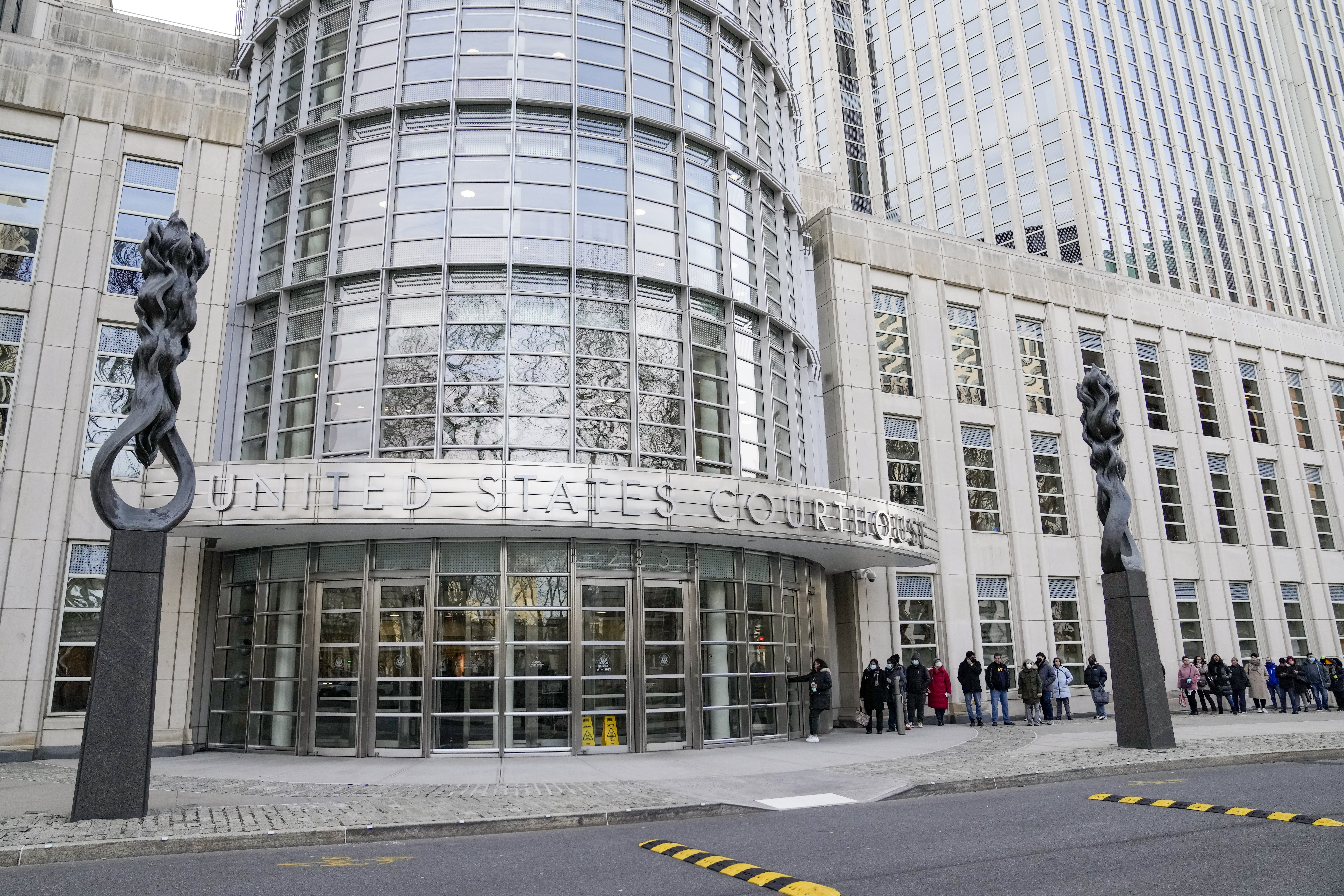
federal courthouse

The Real Problem H.R. 372 Ignores

Substance abuse among SNAP recipients isn’t the crisis the bill assumes. Drug use occurs at lower rates than the general population. The real problems facing SNAP recipients are:

  • Inadequate wages that don’t cover basic expenses
  • Lack of affordable housing
  • Limited access to healthcare
  • Food insecurity despite working full-time
  • Economic structures that keep working families in poverty

Quarterly drug testing doesn’t address any of these actual problems. It just adds surveillance, stigma, and administrative barriers to people already struggling to afford food.

If Congress wants to help SNAP recipients, it could raise the minimum wage, expand affordable housing, increase SNAP benefit levels, or fund job training. Those policies would actually improve recipients’ circumstances rather than just monitoring them for drug use that’s less prevalent than among the general population.

poverty and economic hardship factors

The Accountability Rhetoric That Misses the Mark

Proponents frame drug testing as accountability – ensuring taxpayer dollars aren’t subsidizing drug use. But that framing assumes facts not in evidence. SNAP recipients use drugs at lower rates than taxpayers generally. The testing would cost more than any savings from denied benefits.

Real accountability would involve:

  • Evidence-based policy reflecting actual drug use rates
  • Cost-benefit analysis showing testing saves money
  • Constitutional compliance with Fourth Amendment
  • Treatment capacity to serve those identified with substance abuse disorders

H.R. 372 provides none of that. It’s accountability rhetoric covering stigmatization policy that courts have repeatedly struck down as unconstitutional.

The bill isn’t tough love. It’s tough without love – punishment without helping, surveillance without supporting, and barriers without solutions.

accountability versus stigmatization comparison

What the Constitution Actually Requires

The Fourth Amendment protects all Americans – including those receiving public assistance – from unreasonable searches without probable cause. Poverty doesn’t constitute probable cause. Needing food doesn’t justify quarterly drug tests any more than having a job or owning a home does.

If Congress wants to condition SNAP benefits on drug testing, it must demonstrate that recipients use drugs at rates justifying suspicionless searches. The data shows the opposite. Recipients use drugs at lower rates than the general population.

Without that showing, quarterly drug testing violates the Fourth Amendment regardless of policy preferences or assumptions about welfare recipients. Constitutional rights don’t disappear because someone needs food.

H.R. 372 ignores decades of court precedent establishing these principles. It requires states to conduct searches courts have already ruled unconstitutional. And it does so while spending billions to solve a problem that exists primarily in stereotypes rather than reality.

The bill transforms poverty into probable cause. The Constitution prohibits exactly that transformation. And federal courts will strike down H.R. 372 if Congress passes it – just as they’ve struck down every similar state law attempting to require suspicionless drug testing of public assistance recipients.