
The vast network of interstate highways is the circulatory system of the American economy, powered by millions of commercial truck drivers moving goods across the continent. But a series of horrific, fatal accidents involving undocumented immigrants behind the wheel of semi-trucks has just blown the lid off a dangerous and constitutionally fraught situation.
The revelation has ignited a fierce battle between the federal government and several states, exposing a deep conflict over immigration, public safety, and the very power to decide who gets to operate on our nation’s roads. It is a story that forces us to confront a complex collision of state sovereignty, federal authority, and the human cost of a broken system.
How Did This Happen?
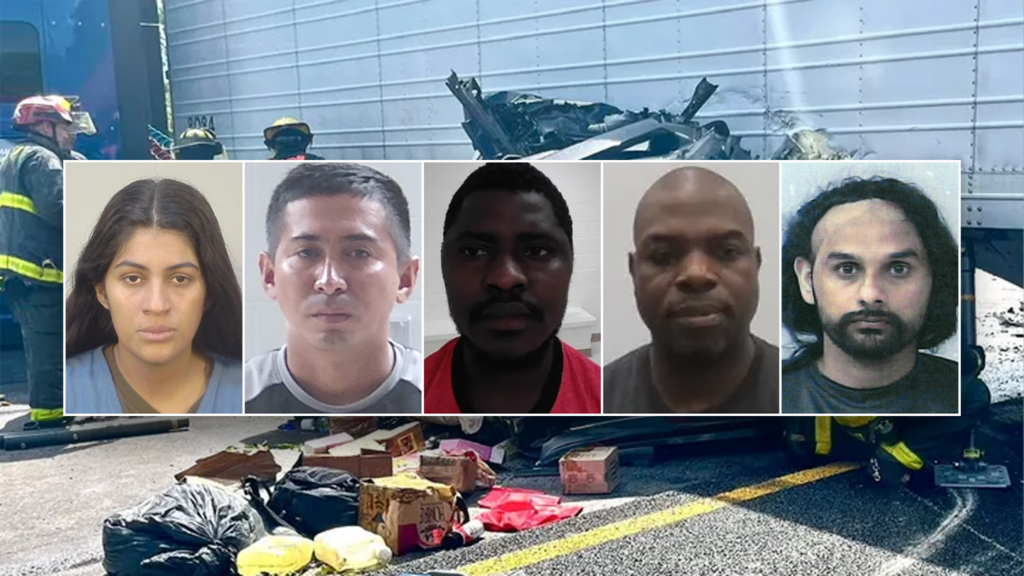
The immediate catalyst was a bombshell report from the Department of Transportation, accusing the state of California of violating federal law. The report alleges the state improperly issued Commercial Driver’s Licenses (CDLs) to foreign nationals, including an asylum seeker whose truck crash killed three people.
Federal investigators found “systemic errors” in how California handled “non-domiciled” licenses, essentially allowing individuals to obtain credentials that remained valid even after their federal work authorization expired.
This federal accusation shed light on what industry insiders, like trucking executive Mike Kucharski, say they’ve suspected for years. He argues that a “loophole” exploited by states like California and New York allowed undocumented drivers to enter the industry, often undercutting legitimate businesses by operating outside the heavily regulated system.
“We’re over-regulated, honestly, in the trucking industry,” Kucharski said. “And if you’re overregulated, you think, ‘Well, there’s no way that this could happen,’ and it is happening, right now as we speak… It’s eye-opening, disturbing and jaw-dropping.”
Whose Road Is It Anyway?
This crisis exposes a fundamental constitutional tug-of-war. The power to issue driver’s licenses has traditionally been a core function of state governments under the 10th Amendment. States set the rules for who gets a license to operate a car or truck within their borders.
However, the trucking industry is the very definition of interstate commerce, an area where the Constitution grants the federal government supreme regulatory authority under Article I, Section 8. Through agencies like the Federal Motor Carrier Safety Administration (FMCSA), Washington sets national standards for CDLs to ensure safety across state lines. The core conflict arises when a state’s licensing practices appear to undermine both federal safety regulations and federal immigration law.
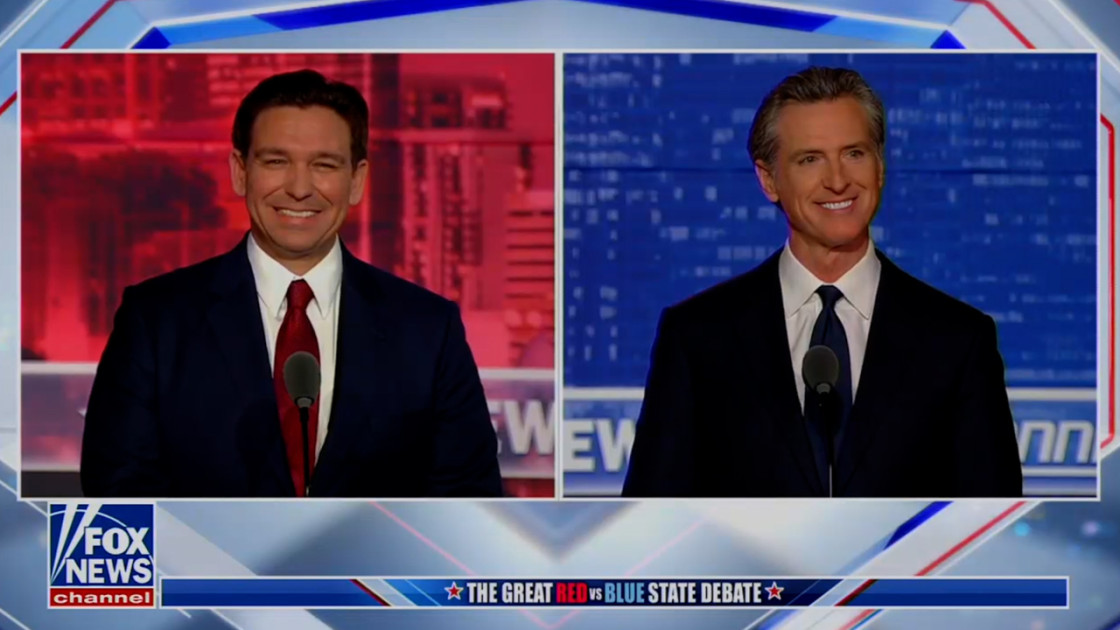
California Governor Gavin Newsom’s office has pushed back fiercely against the administration’s claims, stating they “continue to follow federal rules” and accusing the White House of “immigrant-bashing.”
They argue that California-licensed truckers have a lower fatal crash rate than the national average and that the administration is simply changing the rules now to restrict legal pathways for immigrants.
Can the President Fix This By Himself?
In response to the crisis, the Department of Transportation has issued an emergency interim final rule. This executive action bypasses Congress and immediately tightens the national standards for issuing non-domiciled CDLs, limiting eligibility and requiring stricter verification of legal status through a federal database.
This is a powerful assertion of executive authority under the laws passed by Congress that govern transportation safety and immigration. It represents the administrative state acting swiftly to address a perceived national crisis. Whether this executive rulemaking exceeds the authority delegated to the DOT by Congress is a question that could be challenged in federal court.
What Does This Mean Going Forward?
The immediate effect is a tightening of the rules nationwide, making it significantly harder for non-citizens without specific work visas to obtain a CDL. It also signals a new front in the administration’s broader immigration crackdown, focusing now on the workplace and on states perceived as enabling undocumented labor.
This is more than just a fight over trucking licenses. It is a battle over the balance of power in our federalist system. It forces us to ask difficult questions: Where does a state’s right to set its own policies end, and the federal government’s duty to ensure national safety and enforce immigration law begin? The tragic accidents that brought this issue to light are a sobering reminder that the answers to these constitutional questions have real-world, life-and-death consequences.