
The hostages come home tomorrow. After nearly two years in captivity, 48 Israelis will cross back into their country in exchange for nearly 2,000 Palestinian prisoners. President Trump will arrive in Israel to claim credit for a ceasefire he calls historic. And buried in the celebration is a constitutional question no one seems eager to ask.
Prime Minister Benjamin Netanyahu called the impending exchange a “historic event” in remarks Sunday, acknowledging the bittersweet reality of releasing prisoners to secure hostages. Twenty of the returning Israelis are believed to be alive. The fate of the remaining 28 remains uncertain – though Vice President JD Vance suggested “most” deceased hostages will eventually be recovered and returned to families.
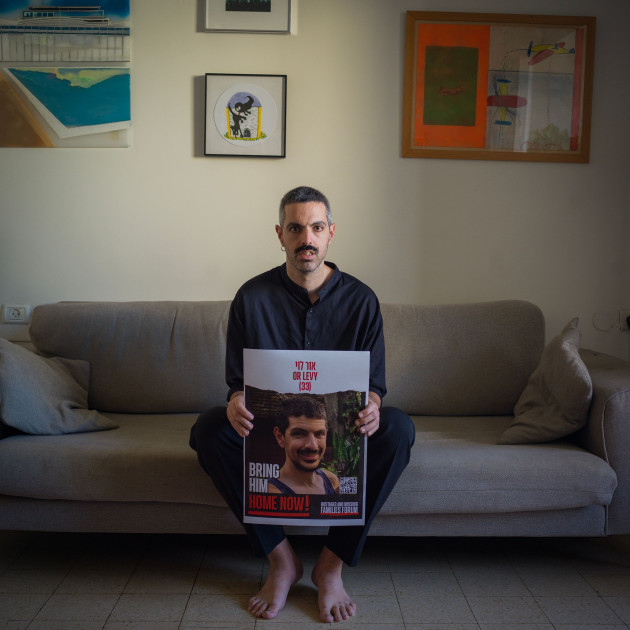
The exchange represents the culmination of negotiations that Trump has portrayed as a signature foreign policy achievement. Hamas will release the hostages by Monday. Israel will free 250 prisoners serving life sentences and 1,700 Palestinians detained after October 7, 2023. Aid agencies stand ready to deliver 9,000 tons of supplies into Gaza after scenes of starvation shocked global observers.
What Trump’s “Board of Peace” Actually Means
The president’s 20-point peace plan establishes an international “Board of Peace” to oversee Gaza’s reconstruction. Trump will co-chair the body alongside former British Prime Minister Tony Blair, who met with Palestinian Authority officials today to discuss implementation.
The framework keeps Israeli military forces out of urban areas while maintaining their control over roughly half of Gaza. Palestinian Authority Vice President Hussein al-Sheikh confirmed his government’s “readiness to work with President Trump, Mr. Blair and the partners to consolidate the ceasefire.”
Vice President Vance emphasized that reconstruction funding will come primarily from Gulf Arab states and Israel rather than American taxpayers. “This is actually not going to require many resources from the United States of America,” Vance told Fox News. “What it will require is our constant supervision and our diplomatic engagement.”
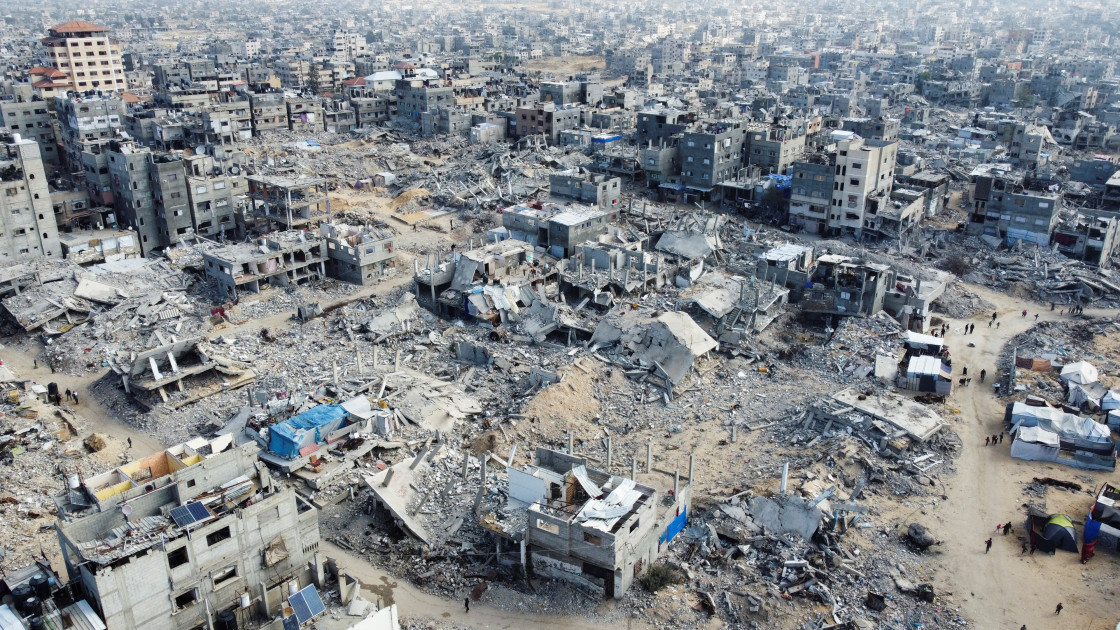
The structure raises immediate questions about constitutional authority. The president is committing American “constant supervision” and diplomatic resources to oversee Middle Eastern reconstruction without congressional authorization. The Board of Peace functions as an international governing body with American leadership – created by presidential decree rather than treaty ratification.
The Prisoners Israel Is Releasing
Netanyahu acknowledged the painful trade-off inherent in the exchange. Israel will release 250 individuals serving life sentences – prisoners convicted of serious crimes under Israeli military courts. The 1,700 additional Palestinians detained after October 7 include both convicted individuals and those held in administrative detention without trial.
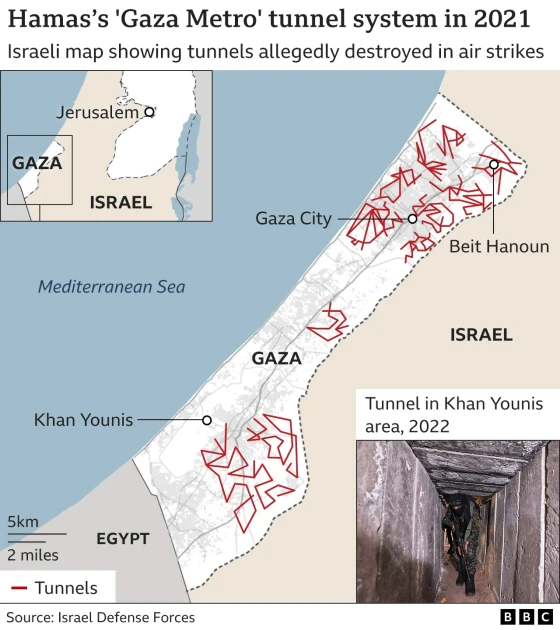
Israeli Defense Minister Israel Katz made clear that the ceasefire doesn’t signal an end to military objectives. “The biggest challenge after the hostages return will be the destruction of all Hamas tunnels under Gaza,” Katz posted on social media. He described tunnel destruction as “the main meaning of implementing the agreed upon principle of disarming Gaza.”
The operation will be carried out by the Israeli Defense Forces under “the international mechanism to be established under the leadership and supervision of the United States.” Once again, American involvement expands through executive commitment rather than legislative debate.
Netanyahu’s statement that “the campaign is not over” and that “some of our enemies are trying to recover in order to attack us again” signals that Israel views the ceasefire as tactical rather than strategic. The hostage exchange creates space for military repositioning, not permanent peace.
Hamas Reasserts Control – Or Does It?
Reuters obtained video showing Hamas-run police patrolling Gaza City streets yesterday. An officer stated that “interior forces” were deploying “across the Gaza Strip” with “the biggest deployment in the intersections and markets, for the security of citizens.”
Hamas dismissed a BBC report claiming the group deployed 7,000 security forces to reassert control over areas vacated by Israeli troops. The group called that report “false,” though NBC News noted it couldn’t independently verify the BBC’s claims.
The footage raises uncomfortable questions about what this ceasefire actually accomplishes. If Hamas retains enough organizational capacity to deploy police forces and maintain civil order, did the military campaign achieve its stated objective of dismantling the group’s capabilities?

Israeli troops pulled back from Gaza City following the ceasefire announcement Friday. The agreement creates a bifurcated reality – Israeli forces absent from urban centers but controlling roughly half the territory. Hamas maintains some governance functions while Israel retains military dominance.
This is the arrangement Trump calls peace. It looks more like an armed pause where both sides regroup.
The Constitutional Authority No One Questioned
Article I, Section 8 grants Congress the power to declare war. Article II, Section 2 makes the president commander-in-chief of armed forces. The tension between these provisions has generated centuries of debate about when presidential military action requires congressional authorization.
Trump negotiated a Middle East ceasefire, committed American supervisory resources to reconstruction, and created an international governance body – all without congressional involvement. The actions don’t technically constitute war, so War Powers Resolution requirements may not apply. But they commit American resources, prestige, and diplomatic capital to an open-ended regional stabilization mission.
The precedent matters because it establishes that presidents can broker complex international agreements involving American supervision and ongoing engagement without legislative approval. Future presidents inherit that expanded authority. Congress loses influence over foreign policy one executive agreement at a time.
The Founders distributed foreign policy powers between branches specifically to prevent unilateral executive commitments. Treaties require Senate ratification. War declarations require congressional votes. But “peace plans” and “reconstruction oversight” apparently fall into the expanding category of executive prerogative.
What Happens to the Bodies
Vance’s acknowledgment that “we won’t get all of” the deceased hostages’ bodies reflects the grim arithmetic of the situation. Some hostages died during captivity. Some may have been killed in Israeli airstrikes. Some bodies may be impossible to locate or identify after nearly two years.
Families who’ve waited months for news now face the possibility of never recovering their loved ones’ remains. The prisoner exchange secures the living and some of the dead, but leaves other families in permanent uncertainty.
Netanyahu promised the country is “embarking on a new path, one of healing, and hopefully the healing of hearts.” The rhetoric sounds aspirational when Israeli defense officials simultaneously promise to destroy Hamas tunnels and continue military operations.

Healing requires closure. Permanent ceasefire requires both sides abandoning military objectives. Neither condition currently exists.
The Aid That’s Been Waiting
Nine thousand tons of humanitarian supplies sit ready for delivery into Gaza. The Egyptian Red Crescent plans to move them today after weeks of bureaucratic delays and military restrictions. Aid agencies have been prepared to scale up operations but lacked clarity on access routes and security guarantees.
The ceasefire creates space for emergency relief. But emergency relief doesn’t address the underlying reality: Gaza’s infrastructure has been systematically destroyed. Housing, water systems, hospitals, schools, and basic utilities need reconstruction that will take years and require sustained international commitment.
Trump’s Board of Peace theoretically coordinates that reconstruction. The practical questions remain unanswered. Who determines reconstruction priorities? What happens if Hamas and Palestinian Authority clash over governance? How does Israel’s continued military presence in half of Gaza affect reconstruction timelines?

Vance emphasized that Gulf Arab states will fund most reconstruction costs. That financial commitment assumes regional powers maintain interest and willingness to invest in Gaza’s future. It assumes no major regional conflict disrupts those commitments. It assumes political will survives beyond the initial ceasefire announcement.
Tony Blair’s Curious Return
The selection of Tony Blair as Trump’s Board of Peace co-chair raises eyebrows among those who remember the Iraq War. Blair’s reputation in the Middle East remains permanently linked to the 2003 invasion he championed alongside President George W. Bush.
Blair currently serves as executive chairman of the Tony Blair Institute for Global Change, which works on governance and policy issues worldwide. His selection suggests Trump values Blair’s international profile and claimed expertise in Middle Eastern affairs over concerns about historical baggage.
Palestinian Authority officials met with Blair today and expressed readiness to cooperate. Whether that cooperation extends to Hamas – the actual governing authority in Gaza – remains uncertain. The Palestinian Authority has limited influence in Gaza and contested legitimacy among Palestinians generally.
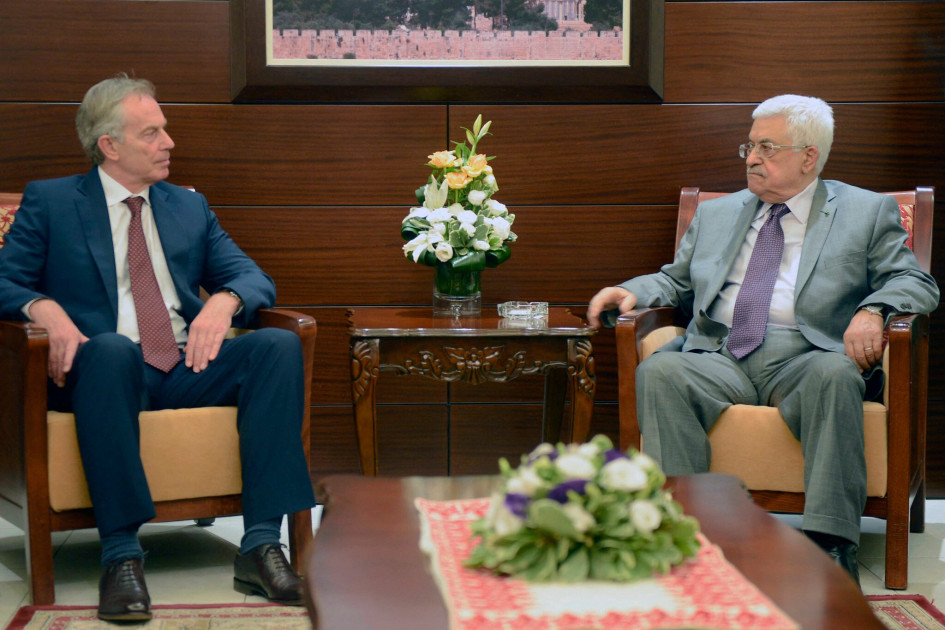
The Board of Peace structure creates a diplomatic fig leaf for American-led reconstruction without formal treaty obligations. Blair provides international credibility while Trump maintains ultimate decision-making authority. Both nations can claim multilateral cooperation while the actual power structure remains firmly in American hands.
What “Historic” Actually Means
Netanyahu called tomorrow’s hostage return “historic.” Trump will presumably claim the ceasefire as a historic achievement. The word gets deployed whenever politicians want to elevate tactical maneuvers into strategic victories.
Historic means the event alters the trajectory of history. Does this ceasefire fundamentally change Israeli-Palestinian dynamics? Does it create durable peace architecture that prevents future conflict? Does it address the underlying grievances and power asymmetries that generated October 7 and the subsequent war?
Or does it create a temporary pause while both sides prepare for the next round of violence under slightly different conditions?
The hostages coming home tomorrow represents genuinely historic relief for families who’ve endured unimaginable uncertainty. Their return matters regardless of broader geopolitical context. But securing hostages through prisoner exchanges is a tactic, not a strategy. It doesn’t resolve the conflict. It doesn’t prevent future hostage-taking. It establishes that hostage-taking produces results.
The Summit No One Can Explain
Trump travels to Egypt after his Israel visit to participate in a “Middle East peace summit” that will commemorate the ceasefire agreement. The summit’s purpose beyond commemoration remains vague. Regional powers will presumably attend and make supportive statements. Photographs will be taken. Handshakes will occur.
Whether the summit produces substantive agreements about regional security, Palestinian statehood, or long-term conflict resolution remains unclear. The ceasefire itself focuses narrowly on hostage exchange and immediate military de-escalation. The broader questions that made peace impossible for decades haven’t disappeared.
Trump’s diplomatic approach favors visible achievements over structural change. A summit photograph where he stands between Israeli and Arab leaders communicates success regardless of underlying substance. The optics matter more than the details.
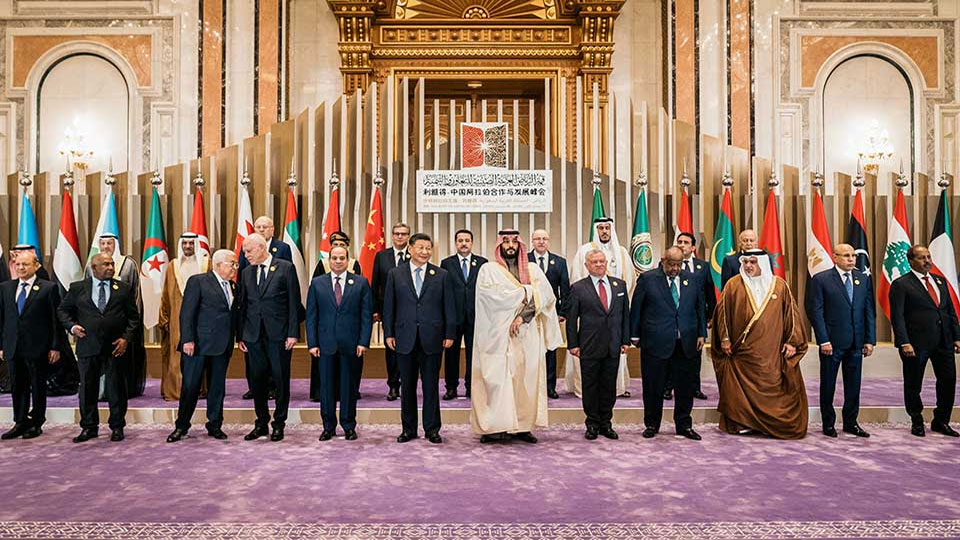
This is presidential foreign policy in the social media era – moments designed for maximum visual impact, agreements celebrated before implementation challenges emerge, declarations of success that precede actual peace.
The Tunnels That Define the Real Conflict
Defense Minister Katz’s focus on tunnel destruction reveals where this conflict actually stands. Hamas spent years building underground infrastructure – command centers, weapons storage, smuggling routes, and defensive positions. Israel considers those tunnels the physical manifestation of Hamas’s military capability.
Destroying the tunnels requires either continued Israeli military presence in Gaza or some international force willing to undertake that mission. The ceasefire agreement reportedly includes principles about “disarming Gaza” but those principles require implementation mechanisms that don’t currently exist.
Who destroys the tunnels? When do they get destroyed? What happens if Hamas resists or if tunnel destruction damages civilian infrastructure above ground? The ceasefire defers these questions rather than answering them.
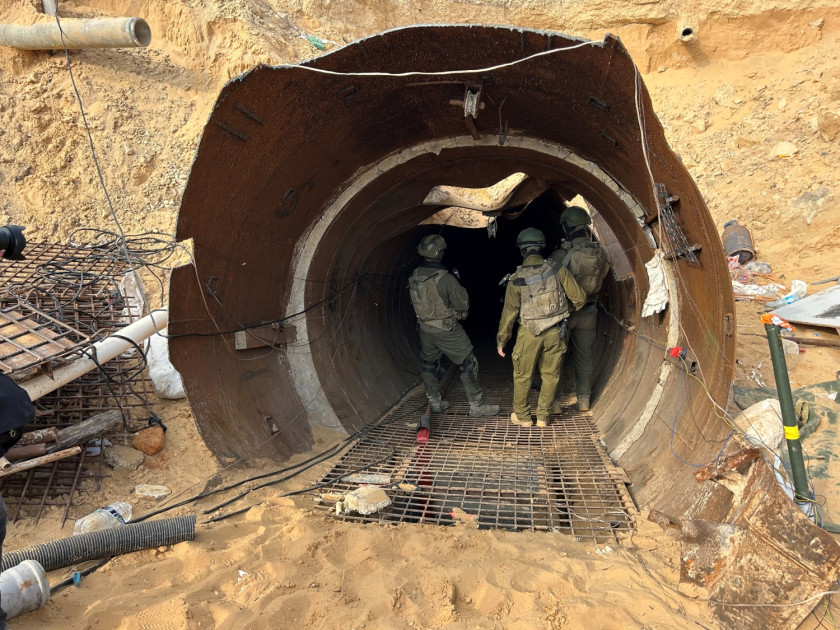
Katz noted that tunnel destruction will occur under “the international mechanism to be established under the leadership and supervision of the United States.” That mechanism doesn’t exist yet. Creating it requires negotiations, agreements, and commitments that may take months or years. In the meantime, the tunnels remain.
When Presidential Diplomacy Bypasses Democratic Process
Trump brokered a Middle East ceasefire, committed American supervisory resources, established an international governance body, and scheduled a regional peace summit – all through executive action. Congress played no role. No legislative authorization was sought or obtained. No treaty ratification occurred.
The Constitution’s careful distribution of foreign policy powers assumes that major international commitments involve multiple branches of government. Presidents negotiate, but Congress appropriates funds and declares war. The Senate ratifies treaties. Checks and balances prevent unilateral executive action from binding the nation to obligations it hasn’t democratically endorsed.
That system assumes presidents respect the boundaries between executive flexibility and legislative prerogative. It assumes Congress jealously guards its constitutional powers rather than deferring to presidential initiative. It assumes the public demands accountability for foreign commitments rather than celebrating visible achievements without scrutinizing implementation details.
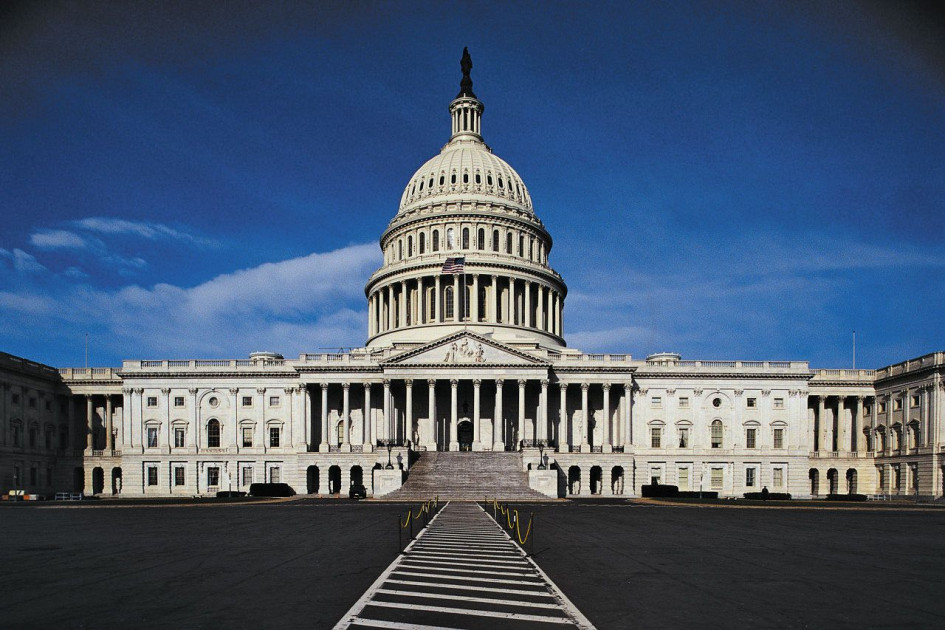
None of those assumptions currently hold. Presidents act. Congress acquiesces. The public evaluates foreign policy through partisan lens rather than constitutional principle. And the balance of powers tilts steadily toward executive dominance in foreign affairs.
The Families Who Finally Get Answers
Tomorrow, 48 families receive confirmation that their nightmare is ending. Twenty families learn their loved ones survived captivity. Twenty-eight families face the possibility their relatives didn’t. All experience the impossible relief of finally knowing after nearly two years of uncertainty.
That human dimension matters more than constitutional theory or geopolitical analysis. Real people suffered real trauma. Their return represents justice regardless of how we evaluate the diplomatic process that secured it.
But justice for hostage families doesn’t automatically translate into lasting peace. It doesn’t address the conditions that enabled October 7. It doesn’t resolve the fundamental questions about Palestinian statehood, Israeli security, or regional stability that have defied resolution for generations.
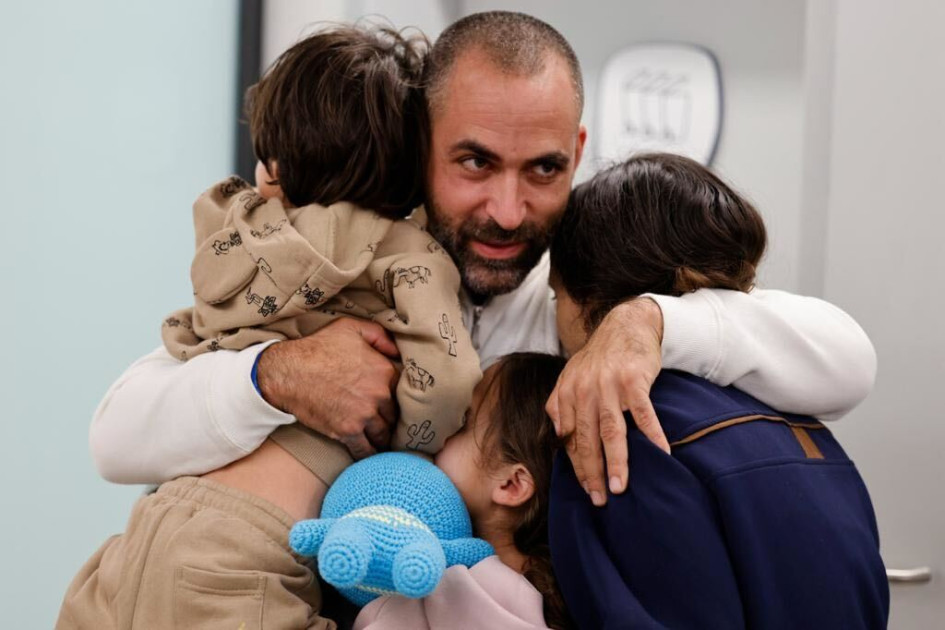
Netanyahu acknowledged this reality when he said “the campaign is not over.” Trump’s peace plan may temporarily pause the violence. It doesn’t end the conflict. And the constitutional questions about presidential authority to commit American resources without congressional approval don’t disappear just because the immediate outcome seems positive.
What Comes After Tomorrow
The hostages come home. Trump claims victory. Netanyahu maintains that military objectives remain. Hamas reasserts governance in Gaza. Aid begins flowing. Reconstruction planning starts. And the fundamental tensions that generated this crisis continue unresolved beneath the surface.
This is what modern presidential diplomacy produces: visible achievements with uncertain sustainability, executive commitments without legislative oversight, peace plans that defer difficult questions rather than answering them.
The Constitution established a system where major foreign commitments required broader democratic participation. That system has eroded through decades of congressional abdication and executive expansion. Trump didn’t create this imbalance. He inherited it and uses it more visibly than most.
Tomorrow brings genuine relief to families who’ve suffered immeasurably. That relief matters. But confusing tactical success with strategic resolution, or executive authority with constitutional process, ensures that future conflicts will follow similar patterns.
The hostages come home. The constitutional questions remain captive to presidential prerogative. And the Middle East peace that Trump declares historic looks more like an intermission than a finale.