
A federal grand jury in Virginia indicted New York Attorney General Letitia James Thursday on bank fraud charges and making false statements to a financial institution. The indictment came from U.S. Attorney Lindsey Halligan – the Trump-appointed prosecutor with no prior criminal law experience who replaced Erik Siebert after he was forced out for refusing to bring charges that career prosecutors considered too weak.
James successfully sued Trump and the Trump Organization last year for fraudulent business practices, securing a civil verdict that was upheld on appeal. Trump publicly demanded her prosecution for months, posting in September that “JUSTICE MUST BE SERVED, NOW!!!” while directly addressing Attorney General Pam Bondi about why James hadn’t been charged yet.
Two weeks after Halligan indicted James Comey on charges Siebert thought were too weak, she’s now charged Letitia James with mortgage fraud that multiple career prosecutors concluded lacked evidence to support criminal prosecution. The timing and circumstances raise fundamental questions about whether the Justice Department is enforcing law or executing presidential revenge.
Tracing How We Got From Investigation to Indictment
The Justice Department opened investigations into James earlier this year after Federal Housing Finance Director Bill Pulte – a Trump ally – made a criminal referral citing “media reports” about potential mortgage fraud. The allegations centered on whether James falsely claimed a Norfolk, Virginia home where her niece resides as her primary residence to secure better loan terms.
James’s attorney Abbe Lowell provided evidence to Attorney General Bondi showing James made no such false claim. A power-of-attorney form mistakenly listed the house as a primary residence, but James herself checked “no” on the loan application when asked if it was her primary home. She also emailed her mortgage broker stating the house “WILL NOT be my primary residence.”
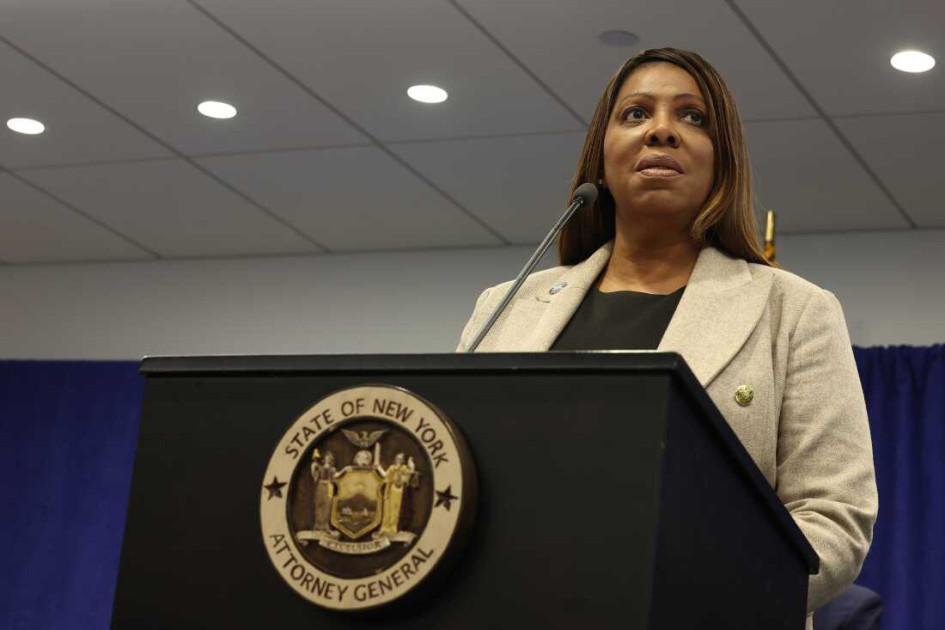
Career prosecutors in Virginia’s Eastern District examined this evidence and concluded they couldn’t prove James lied or intended to lie on mortgage applications. The documentary record showed James correctly identified the property as not her primary residence despite a clerical error on a separate form.
Elizabeth Yusi, who oversees major criminal prosecutions in the Norfolk office, told colleagues she saw no probable cause to charge James. She planned presenting that conclusion to Halligan while knowing it would likely cost her job – the same outcome that befell her predecessor Siebert.
But Thursday’s indictment means either Yusi changed her assessment, was overruled, or was removed and replaced with prosecutors willing to bring charges she concluded were unsupported. The indictment doesn’t explain which scenario occurred or what new evidence emerged that changed prosecutorial conclusions about the case.
What the Charges Actually Allege
Halligan announced James faces charges of bank fraud and making false statements to financial institutions. Each count carries up to 30 years in prison and up to $1 million in fines, with asset forfeiture also possible upon conviction.
“No one is above the law,” Halligan said in a statement. “The charges as alleged in this case represent intentional, criminal acts and tremendous breaches of the public’s trust. The facts and the law in this case are clear, and we will continue following them to ensure that justice is served.”
The indictment itself hasn’t been publicly released yet, so the specific factual allegations remain unclear beyond general descriptions. But based on Pulte’s original referral and previous reporting about the investigation, charges apparently stem from:
- A loan application question about whether the Norfolk property was James’s primary residence
- Property records potentially listing incorrect information about a Brooklyn multifamily property
- A mortgage application that allegedly falsely stated James was her father’s spouse
James has consistently denied wrongdoing. She acknowledged making an error while filling out a form related to the Norfolk home purchase but said she corrected it and never tried to deceive any lender. The documentary evidence Lowell provided to DOJ supported that account.
Criminal bank fraud requires proving intentional deception to obtain financial benefits. Mistakes corrected upon discovery generally don’t meet that standard. For prosecutors to secure conviction, they must prove beyond reasonable doubt that James knowingly made false statements intending to defraud financial institutions.
Career prosecutors who examined the evidence concluded they couldn’t meet that burden. Halligan apparently disagrees – or was ordered to proceed regardless of evidentiary weaknesses.
Comparing This Prosecution to the Comey Indictment Pattern
Halligan indicted former FBI Director James Comey two weeks ago on charges of lying to Congress and obstructing a congressional investigation. Career prosecutors in the Eastern District considered that case too weak to charge, leading to Siebert’s forced resignation when he refused bringing it.
The Comey and James prosecutions follow identical patterns:
- Trump publicly demands prosecution of perceived political enemy
- Career prosecutors examine evidence and conclude charges aren’t supportable
- Prosecutors who reach that conclusion get forced out or overruled
- Trump-appointed prosecutor with minimal criminal law experience brings charges anyway
- Indictments get announced with language about “no one above the law” and “justice being served”
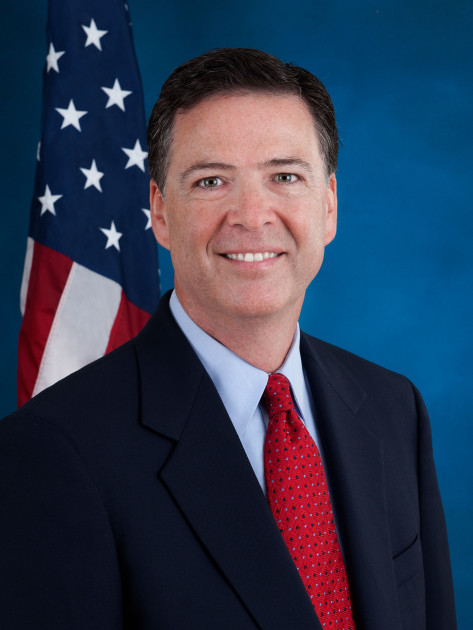
Both cases involve Trump using Justice Department to prosecute people who investigated him or successfully sued him. Both involve replacing experienced prosecutors who found cases too weak with political appointee willing to bring charges regardless.
The pattern reveals systematic transformation of prosecutorial decision-making from evidence-based assessments by career prosecutors to politically-motivated charging decisions by appointees selected for loyalty rather than experience.
Halligan’s statement that “the facts and the law in this case are clear” directly contradicts career prosecutors’ conclusions that evidence didn’t support charges. Either the facts and law changed between when Yusi assessed the case and when Halligan indicted, or Halligan’s assessment reflects different standards than career prosecutors apply.
Reactions Reveal Partisan Divide Over Justice Department’s Role
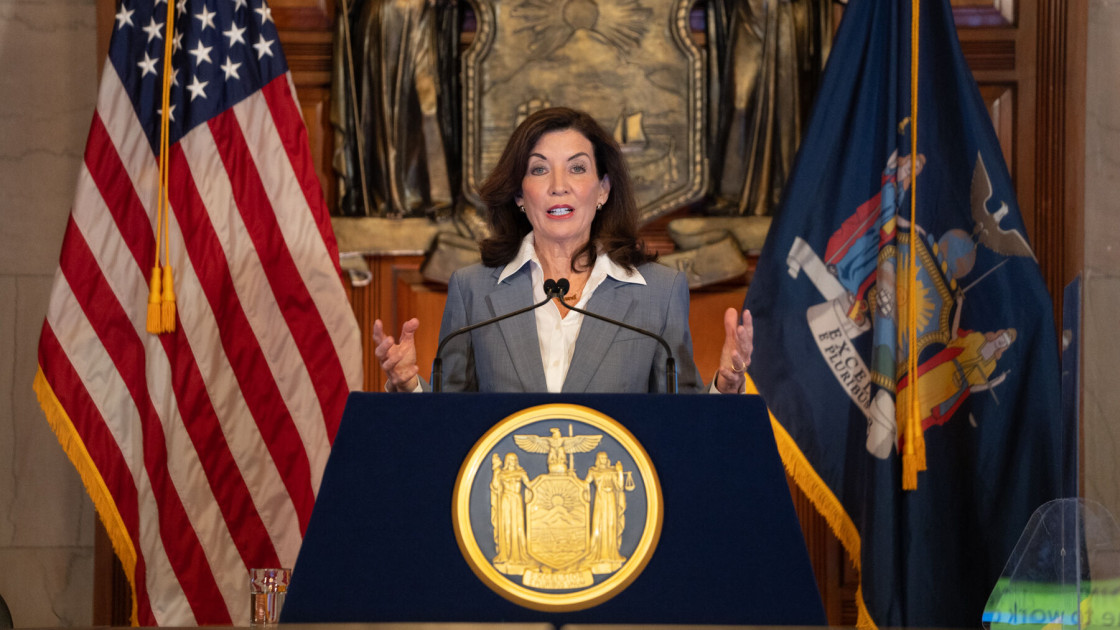
New York Governor Kathy Hochul characterized Thursday’s indictment as “weaponization of the Justice Department” to target James. “New Yorkers know AG James for her integrity, her independence, and her relentless fight for justice,” Hochul wrote on X. “What we’re seeing today is nothing less than the weaponization of the Justice Department to punish those who hold the powerful accountable.”
That framing reflects Democratic view that Trump is using federal prosecution power to retaliate against political opponents who successfully held him legally accountable. James’s civil fraud case against Trump produced a verdict finding his business practices fraudulent – a finding upheld on appeal even though monetary penalties were reduced.
Republicans will likely characterize the indictment as legitimate prosecution of someone who abused her position and violated banking laws. They’ll argue that James’s political prominence doesn’t exempt her from criminal accountability and that Democrats crying “weaponization” are trying to protect corrupt official from consequences.
The truth likely lies somewhere more complicated than either partisan narrative. James may have made mistakes on mortgage applications that don’t rise to criminal fraud. Or she may have intentionally misrepresented information to obtain better loan terms. The evidence presented at trial will determine which characterization is accurate.
But the process producing this indictment – career prosecutors concluding charges aren’t supportable, those prosecutors getting replaced, and charges getting brought anyway after Trump demanded them – creates legitimate questions about whether prosecution reflects evidence assessment or political retaliation.
Those questions exist regardless of James’s guilt or innocence. Even if trial proves she committed fraud, the fact that Trump publicly demanded her prosecution and replaced prosecutors who declined charging her taints the process with appearance that political considerations drove charging decisions.
Understanding the Federal Prosecutor Appointment Process
Halligan’s path to becoming U.S. Attorney reveals how Trump has transformed federal prosecution leadership. She served as Trump’s personal defense lawyer before being appointed as White House aide. When Siebert was forced out for refusing to bring weak cases against Trump’s enemies, Trump appointed Halligan despite her having no prosecutorial experience.
U.S. Attorneys typically come from ranks of experienced prosecutors who’ve handled complex criminal cases, understand evidentiary standards, and can exercise independent judgment about which cases merit federal resources. They’re supposed to be insulated from political pressure to ensure prosecutorial decisions reflect law enforcement priorities rather than presidential preferences.
Halligan’s appointment violated those norms completely. She had no prosecutorial background, was selected for personal loyalty to Trump, and was installed specifically after her predecessor refused bringing politically-motivated cases. Her lack of criminal law experience isn’t disqualifying legally – presidents can appoint whomever they want as U.S. Attorneys – but it’s unprecedented for someone with zero prosecutorial background to oversee major federal cases.
The Senate typically confirms U.S. Attorneys through hearings examining qualifications and ensuring nominees can exercise independent judgment. Halligan is serving as “interim” U.S. Attorney without Senate confirmation, allowing Trump to install her without congressional scrutiny of her qualifications or independence.
That appointment process reflects broader pattern of Trump replacing institutionally-experienced officials with loyalists who lack traditional qualifications but will implement his agenda without institutional resistance. When experience and independence become obstacles to desired outcomes, Trump selects for loyalty over competence.
Halligan bringing charges that career prosecutors rejected demonstrates why that selection process produces different prosecutorial outcomes than traditional appointment norms. She reaches different conclusions than experienced prosecutors not because she has better legal judgment, but because she applies different standards about what cases serve administration priorities.
Measuring This Against Historical Prosecutorial Independence
The Justice Department’s post-Watergate reforms were designed to insulate prosecutorial decisions from political pressure. Attorneys General serve the president but maintain independence about which cases to bring. Career prosecutors make charging recommendations based on evidence rather than political considerations. U.S. Attorneys exercise discretion about resource allocation without White House interference.
Those norms aren’t laws – they’re institutional practices developed to prevent Justice Department from becoming presidential revenge instrument. They worked imperfectly under previous administrations, with periodic accusations that political considerations influenced prosecutorial decisions.
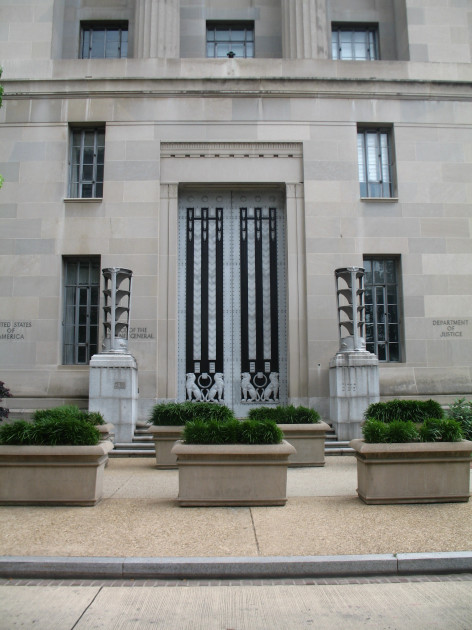
But Trump’s approach represents qualitative difference from predecessors’ occasional boundary-testing. He publicly demands prosecution of specific individuals, fires prosecutors who refuse, installs loyalists who comply, and celebrates indictments as personal victories rather than independent law enforcement.
The historical precedent closest to current situation is Nixon’s Saturday Night Massacre – when Nixon ordered firing the Watergate special prosecutor and multiple Justice Department officials resigned rather than carry out that order. The resulting scandal contributed to Nixon’s eventual resignation.
Trump’s systematic replacement of prosecutors who won’t bring politically-motivated cases hasn’t generated similar crisis partly because it’s happening incrementally rather than in single dramatic confrontation. Each individual firing seems like routine personnel decision. The accumulated pattern reveals something more troubling than any single termination suggests.
Future presidents will inherit Trump’s precedent that U.S. Attorneys who won’t prosecute political enemies can be replaced with loyalists who will. That precedent transforms federal prosecution from evidence-based law enforcement into political weapon available to whoever controls the White House.
Whether that transformation becomes permanent or gets reversed by future reforms depends on whether anyone with power to do so views protecting prosecutorial independence as more important than using prosecution power to achieve political objectives.
Forecasting How This Case Proceeds Through Courts
James’s indictment will proceed through normal criminal justice processes – arraignment, pretrial motions, discovery, and potentially trial. Her attorneys will challenge evidence, argue that mistakes don’t constitute fraud, and likely seek dismissal based on insufficient evidence or prosecutorial misconduct.
The case will be heard by federal judges in Virginia’s Eastern District who must determine whether evidence supports charges beyond reasonable doubt. Those judges know the case’s political context but are obligated to assess legal merit rather than political considerations.
If judges dismiss charges for insufficient evidence, that vindication won’t repair damage to James’s reputation from being indicted. If the case proceeds to trial and jury acquits, she’ll have endured months of legal proceedings defending against charges career prosecutors thought were baseless.
If she’s convicted, questions will persist about whether evidence actually proved guilt or whether political pressure influenced jury deliberations in case where Trump publicly demanded prosecution. Any conviction will face appeals arguing prosecutorial misconduct and political interference tainted proceedings.
The timeline extends months or years regardless of outcome. James continues serving as New York Attorney General while under federal indictment, creating political complications for both her and New York state government. Her ongoing civil cases against Trump face questions about whether federal prosecution affects those proceedings.
Trump gets what he wanted regardless of trial outcome – his political enemy faces criminal charges, legal expenses, reputational damage, and distraction from her duties. Even if James is ultimately exonerated, the prosecution itself serves Trump’s revenge purposes by imposing substantial costs.
That calculation explains why the process producing indictments matters as much as trial outcomes. When Justice Department becomes available for prosecuting president’s enemies based on his demands rather than career prosecutors’ evidence assessments, the prosecution itself becomes the punishment regardless of whether convictions follow.
Connecting Multiple Threads of Justice Department Transformation
The James indictment isn’t isolated incident. It’s part of systematic Justice Department transformation where:
- Kash Patel fires FBI agents for following Justice Department policy on perp walks
- Career prosecutors throughout Eastern District get terminated for declining politically-motivated cases
- Elizabeth Yusi faces firing for concluding evidence doesn’t support charging James
- Lindsey Halligan with zero prosecutorial experience brings charges experienced prosecutors rejected
- Trump publicly demands prosecution of enemies and celebrates when it happens
Each element reinforces the others. FBI agents who won’t stage political theater get fired. Prosecutors who follow evidence rather than presidential demands get replaced. Appointees selected for loyalty bring cases that serve political purposes rather than law enforcement priorities.
The accumulating pattern demonstrates that Trump’s Justice Department operates according to different principles than predecessors. Independence, evidence-based decision-making, and institutional norms matter less than loyalty, willingness to execute presidential demands, and achieving outcomes Trump wants.
James’s indictment two weeks after Comey’s, following Siebert’s forced resignation and Trump’s public demands for prosecution, reveals the pattern fully formed. The Justice Department has become what critics warned about – presidential revenge instrument rather than independent law enforcement agency.
Whether that transformation persists beyond Trump’s presidency depends on institutional resistance that hasn’t materialized yet. Career prosecutors are being systematically removed. Institutional norms are being violated without consequence. And federal grand juries are indicting Trump’s enemies after he publicly demands their prosecution and replaces prosecutors who decline bringing charges.
Letitia James faces up to 60 years in prison and $2 million in fines if convicted on both counts. She successfully sued Trump for business fraud and won. Now she’s indicted for mortgage fraud that career prosecutors said evidence didn’t support.
The charges might be legitimate. The trial might prove she committed crimes. But the process producing this indictment – with Trump demanding prosecution, prosecutors who declined getting replaced, and charges finally coming from inexperienced political appointee – creates unavoidable appearance that justice is serving revenge rather than law enforcement serving justice.
And appearances matter when Justice Department’s legitimacy depends on public confidence that prosecutorial decisions reflect evidence rather than politics. Thursday’s indictment, following the pattern of Comey’s indictment and the firing of prosecutors who resisted, further erodes that confidence regardless of what trial ultimately proves about Letitia James’s conduct.