
President Trump announced Wednesday that Israel and Hamas have both agreed to the first phase of his peace plan, ending two years of war that began with Hamas’s October 7, 2023 attack. “ALL of the Hostages will be released very soon,” Trump wrote on Truth Social, “and Israel will withdraw their Troops to an agreed upon line as the first steps toward a Strong, Durable, and Everlasting Peace.”
The announcement came after Israeli and Hamas negotiators met in Egypt’s Sharm el-Sheikh, with Trump’s Middle East envoy Steve Witkoff and son-in-law Jared Kushner joining talks alongside Qatar’s prime minister and Netanyahu adviser Ron Dermer. Prime Minister Benjamin Netanyahu issued a terse statement: “With God’s help we will bring them all home.”
But significant questions remain about implementation details, long-term governance arrangements, and whether this agreement actually ends the war or just creates conditions for its eventual resumption.
Breaking Down What the First Phase Actually Includes
Trump’s original 20-point plan called for hostages to be exchanged for 250 Palestinian prisoners serving life sentences and 1,700 Gazans jailed during the war. For every hostage whose remains are released, Israel would also release remains of 15 Gazans.
All hostages were supposed to be freed within 72 hours of agreement being reached – though Hamas signaled Saturday this may be unrealistic since some deceased are believed buried under rubble from Israeli strikes.
The agreement requires Israeli forces to withdraw to “an agreed upon line” without specifying where that line is or what territory Israel retains control over during Phase One. That ambiguity could become problematic during implementation if both sides have different understandings of withdrawal commitments.
Dr. Majed Al Ansari, Qatar’s foreign ministry spokesman, said Wednesday evening that “an agreement was reached on all the provisions and implementation mechanisms of the first phase of the Gaza cease-fire agreement, which will lead to ending the war, the release of Israeli hostages and Palestinian prisoners, and the entry of aid.”
Hamas’s statement emphasized the deal would lead to “the end of the war in Gaza and Israel’s withdrawal from the territory.” That’s stronger language than Trump used – he described withdrawal to “an agreed upon line” rather than complete withdrawal from Gaza. Whether both sides actually agreed to the same end state remains to be seen during implementation.
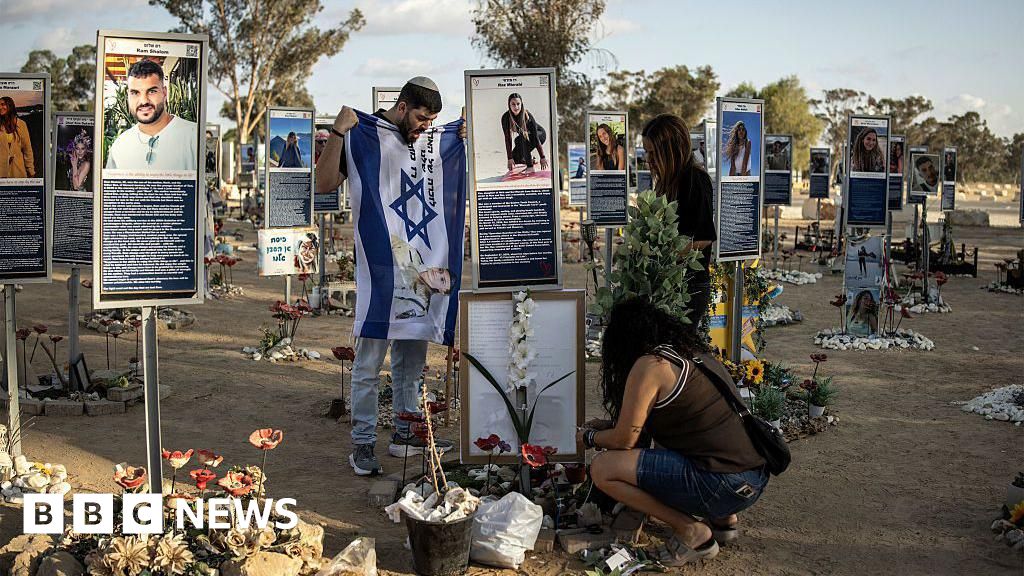
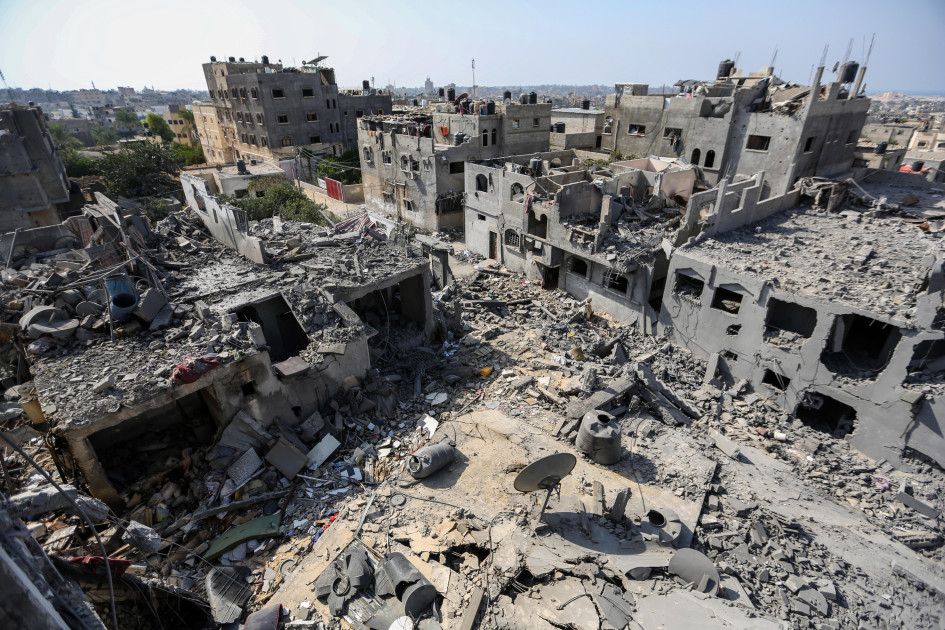
Israel believes roughly 20 hostages remain alive in Gaza, with remains of about 25 others still held. Hamas has held these hostages since the October 7, 2023 attack that killed approximately 1,200 Israelis. Since then, Israeli military response has killed over 67,000 Palestinians according to Gaza health ministry figures including both civilians and combatants, while destroying much of Gaza’s infrastructure.
What Trump’s Deadline Pressure Actually Accomplished
Trump warned Hamas Friday that many more fighters would be killed if the group didn’t agree by Sunday evening. He followed Saturday by telling Israel to stop bombing Gaza and saying he believed Hamas was “ready for lasting peace.”
That dual pressure – threatening Hamas with continued Israeli military operations while pressuring Israel to halt strikes – created incentives for both sides to accept terms they’d previously resisted.
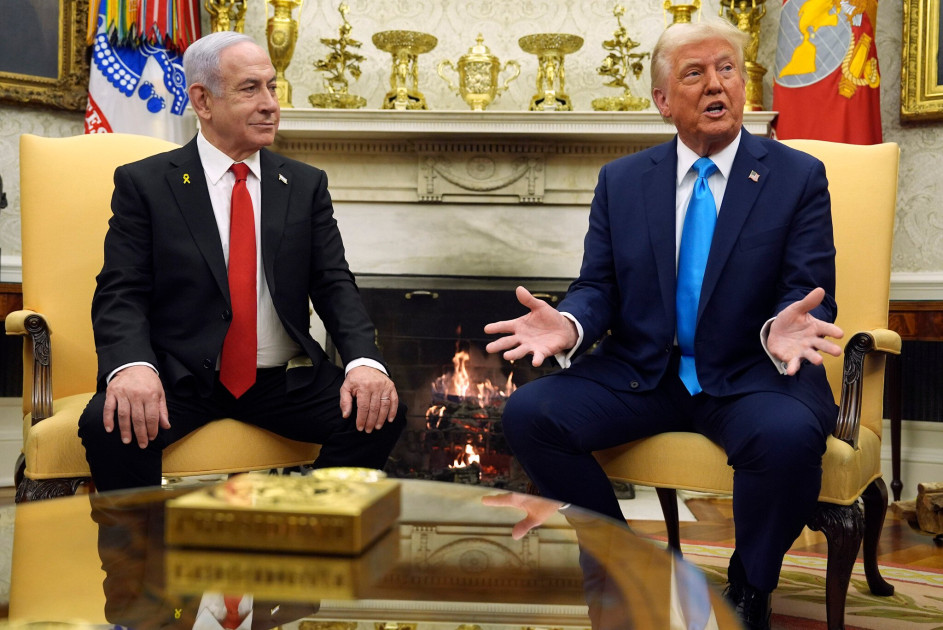
Israel’s September 9 strike targeting Hamas representatives in Qatar had rankled both regional officials and Washington. The attack motivated Trump and advisers to pressure Netanyahu into supporting frameworks Netanyahu had long dismissed.
Hamas signaled Friday it would release all hostages but wanted to negotiate other plan elements, particularly around disarmament and trustworthiness of Israeli commitments not to re-engage militarily once hostages return.
Trump’s original terms required Hamas to completely disarm in exchange for Israel’s military operation ending. Whether Hamas agreed to disarmament or whether that requirement was modified during Egypt negotiations remains unclear from Wednesday’s announcements.
The ambiguity around disarmament matters enormously for whether this agreement actually ends the war. If Hamas retains weapons and military capabilities, Israel maintains justification for future military operations. If Hamas disarms completely, it loses ability to resist Israeli re-entry into Gaza if political arrangements collapse.
The Governance Arrangements That Nobody’s Clarified
Trump’s 20-point blueprint said Gaza would be governed by “a technocratic, apolitical Palestinian committee, responsible for delivering the day-to-day running of public services and municipalities.” An international “Board of Peace” headed by Trump and former British Prime Minister Tony Blair would oversee administration and reconstruction.
None of Wednesday’s announcements clarified whether these governance arrangements are part of Phase One or later phases. Who actually controls Gaza starting when Israeli forces withdraw? How does transition from Hamas control to technocratic committee occur? What happens if Hamas refuses transferring authority?
The plan also mentioned a separate panel of experts who’ve “helped birth some of the thriving modern miracle cities in the Middle East” would develop economic reconstruction plans. That’s aspirational language about rebuilding, but who provides security while reconstruction happens? Who prevents Hamas from reasserting control once Israeli forces withdraw?
These governance questions represent the hardest part of any peace agreement. Getting both sides to stop shooting is achievable through prisoner exchanges and territorial withdrawals. Creating sustainable political arrangements that prevent war from resuming requires resolving fundamental disagreements about who controls Gaza and how.
The plan was backed by Middle Eastern and Arab nations but didn’t directly pave paths toward Palestinian statehood despite 157 of 193 UN member states supporting that outcome. Avoiding the statehood question allows agreement to proceed, but it also means the political status driving this conflict remains unresolved.
Comparing This Agreement to Previous Ceasefire Attempts
Multiple previous ceasefire negotiations have failed over the past two years, typically breaking down over issues like hostage release sequencing, prisoner exchange ratios, and Israeli military withdrawal commitments. What made this attempt successful when others weren’t?
Part of the answer involves Trump’s unique leverage. He threatened Hamas with continued Israeli military operations backed by full U.S. support while simultaneously pressuring Netanyahu to halt strikes and accept terms he’d resisted. That simultaneous pressure on both parties created incentives neither could ignore.
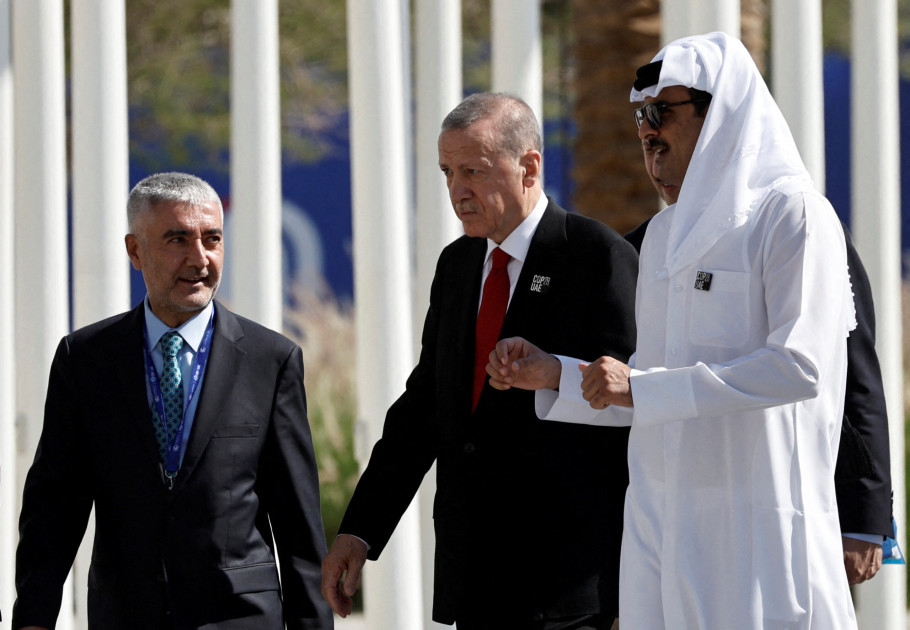
Qatar, Egypt, and Turkey’s mediation also played crucial roles. These countries have relationships with both Israel and Hamas that allowed facilitating negotiations where neither party would engage directly. Their involvement provides implementation oversight mechanisms that purely bilateral Israeli-Hamas agreements would lack.
The two-year duration of fighting also created conditions favoring agreement. Both sides have suffered enormous losses – Israel militarily and politically, Hamas through destruction of Gaza and decimation of military capabilities. At some point, continuation costs exceed any benefit from holding out for better terms.
Previous ceasefire attempts occurred earlier in the conflict when both sides believed they could still achieve better outcomes through continued fighting. After two years, that calculation shifted toward accepting available terms rather than continuing devastation.
Whether this agreement proves more durable than previous ceasefires depends on implementation specifics and whether both sides genuinely commit to political arrangements replacing military confrontation.
Measuring What “Amnesty” for Hamas Members Actually Means
Trump’s original plan included “amnesty” for Hamas members who willingly disarm. That provision generated controversy when announced – how can terrorist organization members who participated in October 7 attacks or subsequent operations receive amnesty?
The amnesty provision reflects practical realities about peace agreements. Some Hamas members are fighters who joined for employment or ideological reasons but didn’t participate in worst atrocities. Others are political leaders who control territory and whose cooperation is necessary for governance transitions.
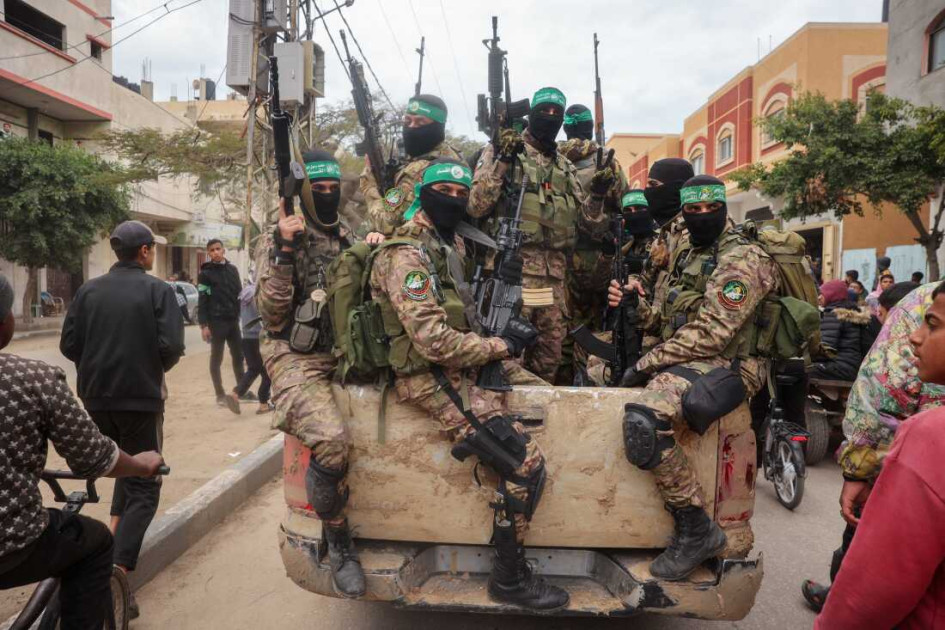
Completely excluding all Hamas members from political life means they have incentives to undermine any peace agreement rather than participating in post-conflict arrangements. Offering amnesty to those who disarm creates incentives for cooperation with transition processes.
But amnesty doesn’t mean freedom for those who committed specific crimes like murder or hostage-taking. It means not prosecuting Hamas membership alone as terrorism while preserving accountability for individual criminal acts.
Whether families of October 7 victims and hostages accept amnesty provisions depends on implementation details. If amnesty protects people who killed their loved ones from any accountability, opposition will be fierce. If amnesty is limited to fighters who disarm without individual criminal liability, it may be more acceptable as necessary compromise for ending war.
Understanding Why Netanyahu’s Statement Was So Brief
Netanyahu’s statement – “With God’s help we will bring them all home” – was remarkably terse given the significance of what Trump announced. It didn’t explicitly confirm Israel signed onto the plan, didn’t provide details about withdrawal lines, and didn’t address political arrangements for Gaza.
That brevity likely reflects domestic political challenges Netanyahu faces. His coalition includes far-right members who oppose Palestinian statehood and want continued Israeli military control over Gaza. Announcing detailed peace agreement terms risks coalition collapse.
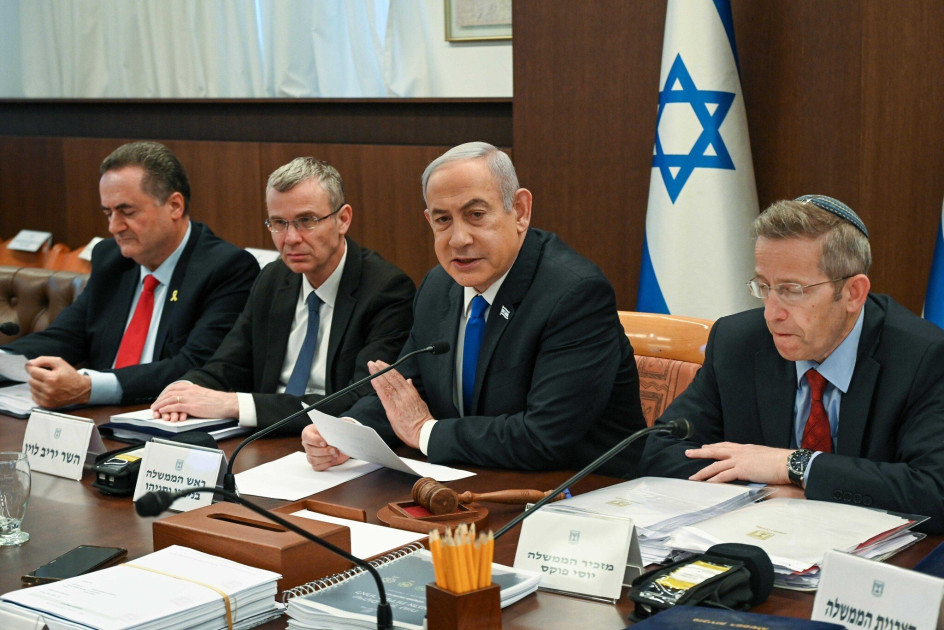
Netanyahu’s vague statement allows him to claim credit for hostage releases while avoiding specifics that would anger coalition partners. He can tell families that hostages are coming home – the part of the agreement with broadest Israeli support – without detailing territorial concessions or governance arrangements that would generate opposition.
The statement also maintains flexibility. If implementation fails or Hamas violates terms, Netanyahu can claim he never fully committed to arrangements that proved unworkable. The terseness provides political cover while avoiding commitments that could become liabilities.
That calculated ambiguity contrasts with Hamas’s statement emphasizing the deal would end the war and lead to complete Israeli withdrawal. Both parties are announcing agreement while emphasizing different aspects and maintaining flexibility about final outcomes.
Assessing Trump’s Role in Achieving This Breakthrough
Trump’s announcement characterizes this as “Historic and Unprecedented Event” reflecting his personal diplomatic achievement. He invoked biblical language – “BLESSED ARE THE PEACEMAKERS!” – positioning himself as fulfilling prophecy through Middle East peacemaking.
The reality is more complicated. Trump’s leverage came from threatening both sides with consequences they wanted to avoid – Hamas faced continued Israeli military operations with full U.S. backing, Israel faced pressure to halt strikes and accept terms or lose American support.
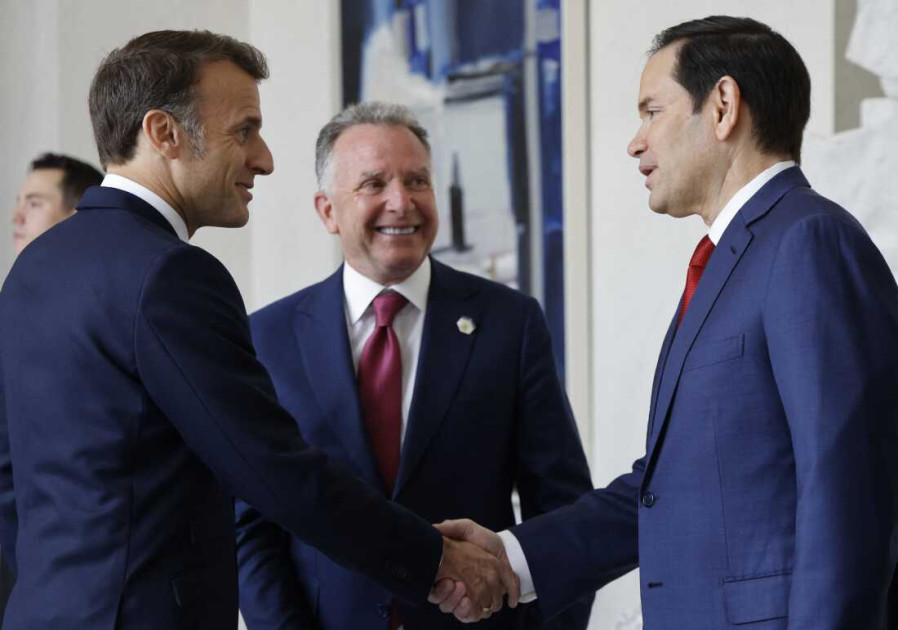
But the agreement builds on years of mediation by Qatar, Egypt, and Turkey who maintained relationships with both parties throughout the conflict. The framework reflects their sustained diplomatic efforts rather than just Trump’s last-minute pressure tactics.
Trump’s contribution was creating urgency through deadline pressure and mobilizing American diplomatic resources behind agreement that regional mediators had developed. That’s significant but different from claiming he single-handedly achieved breakthrough that eluded everyone else.
The test will be implementation. Announcing agreement is easier than enforcing it when both sides have incentives to interpret terms favorably and accuse opponents of violations. Trump’s role shifts from pressuring agreement to overseeing implementation and preventing backsliding.
Whether Trump and his “Board of Peace” can actually govern Gaza reconstruction and political transition remains highly uncertain. Those are complex undertakings requiring sustained attention and resources that previous American administrations struggled to maintain.
Forecasting Implementation Challenges That Could Derail Peace
The 72-hour hostage release timeline will be the first test. If Hamas can’t or won’t produce all hostages within that timeframe – whether because some are dead and buried under rubble or because Hamas wants to retain leverage – the agreement faces immediate crisis.
Israeli withdrawal to “agreed upon line” creates potential for disputes about where that line is and how quickly withdrawal occurs. If Israel interprets agreement as allowing continued control over portions of Gaza, and Hamas interprets it as requiring complete withdrawal, those conflicting understandings will collide during implementation.
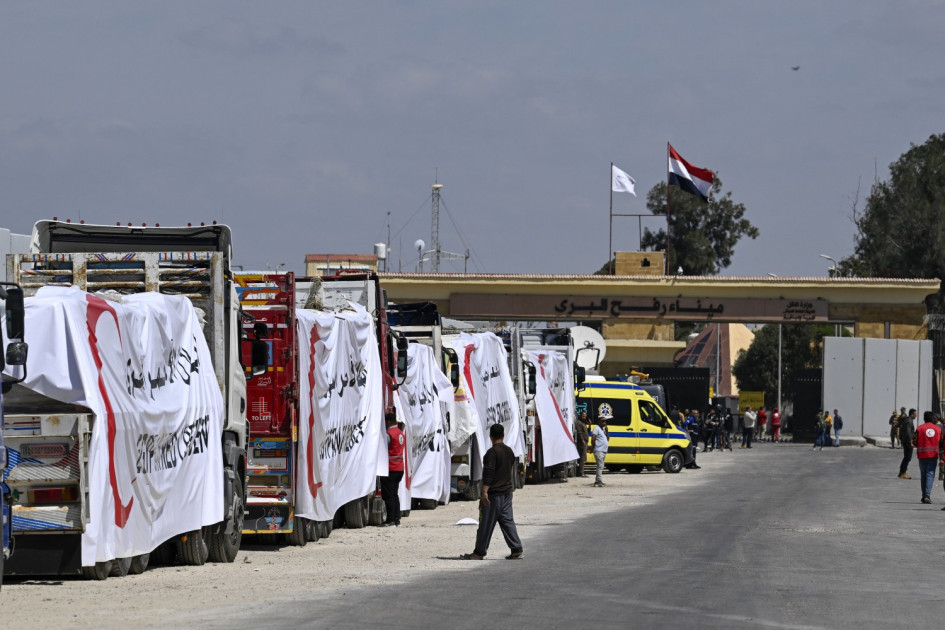
Humanitarian aid increases are supposed to follow agreement, but who controls aid distribution in Gaza? If Hamas retains control over aid flows, Israel may claim Hamas is rebuilding military capabilities under cover of humanitarian assistance. If international organizations control distribution, Hamas may obstruct access to areas it still dominates.
The governance transition from Hamas control to technocratic committee remains completely unspecified. Does Hamas voluntarily relinquish authority? Does international force impose transition? What happens when committee members arrive in Gaza and Hamas refuses cooperating?
These aren’t hypothetical problems – they’re predictable challenges that will emerge within days or weeks of agreement taking effect. Unless both sides and international mediators have clear plans for handling these issues, the agreement risks collapsing during early implementation stages.
Remembering What Started This War and What’s Changed
Hamas launched coordinated attacks on October 7, 2023 that killed approximately 1,200 Israelis and took 250 hostages. The attacks were the deadliest day for Jews since the Holocaust and traumatized Israeli society.
Israel’s military response destroyed much of Gaza’s infrastructure and killed over 67,000 Palestinians according to health ministry figures. The humanitarian crisis displaced most of Gaza’s population and created conditions described by international organizations as catastrophic.

Two years later, Hamas has agreed to release remaining hostages and accept arrangements it rejected at the war’s start. Israel has agreed to withdraw forces and accept Palestinian governance structures it initially opposed. Both sides shifted positions because continuing the war became less acceptable than available peace terms.
But the underlying issues driving the conflict remain unresolved. Palestinian political aspirations for statehood, Israeli security concerns about Hamas rearmament, control over Gaza’s borders and resources, relationship between Gaza and West Bank – none of these foundational questions have clear answers in Phase One agreements.
The hostages will hopefully come home. Israeli forces will withdraw to some line. Humanitarian aid will increase. And then both sides will confront the harder questions about sustainable political arrangements that prevent war from resuming when temporary agreements expire.
Trump announced “Strong, Durable, and Everlasting Peace” on Truth Social. Whether that characterization proves accurate or aspirational depends entirely on implementation success over coming months and years. Announcing agreement is the easy part. Building peace that lasts requires addressing all the issues both parties avoided resolving to reach this point.
The breakthrough matters because it could end two years of devastating war and return hostages to families who’ve endured unimaginable suffering. But breakthrough is not the same as lasting peace. That comes later, if both sides honor commitments, if implementation succeeds despite predictable challenges, and if political arrangements replace military confrontation as the means of resolving disputes.
Hamas accepted Trump’s peace plan. Israel apparently did too, though Netanyahu’s statement was carefully vague. Now comes the hard part – turning announced agreement into actual peace that survives contact with reality in Gaza where hopes have been destroyed along with everything else.