
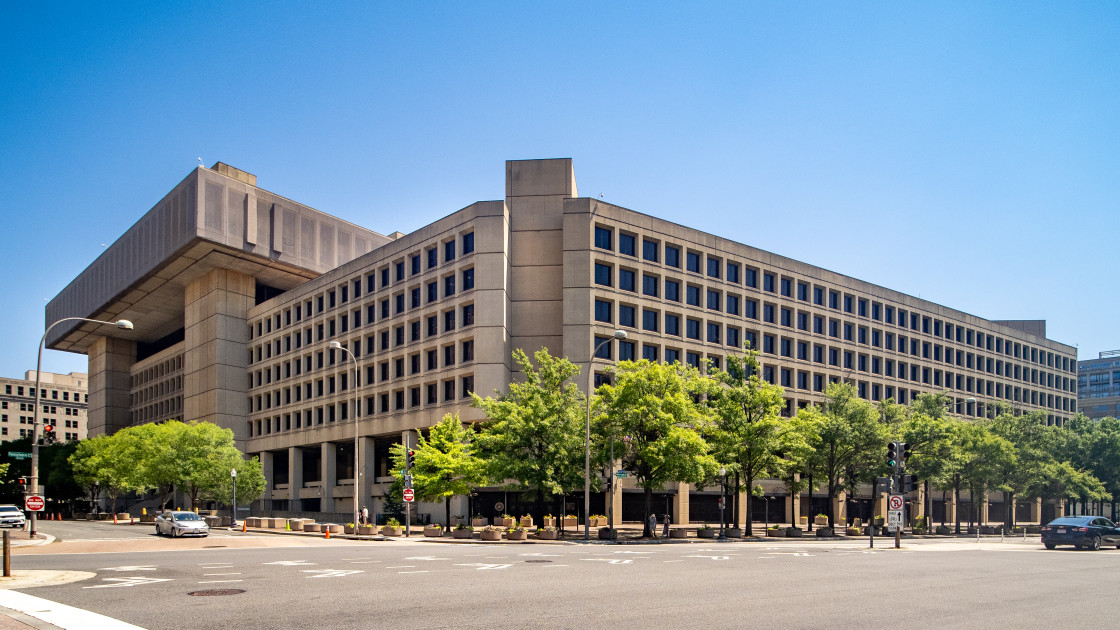
Kash Patel fired an FBI agent for refusing to arrange a televised perp walk of James Comey – the former FBI director whom Trump orchestrated criminal charges against despite career prosecutors considering the case too weak to bring. The agent, stationed in the Washington D.C. field office, balked at turning an arrest into political theater designed to humiliate a Trump opponent.
That firing reveals something more troubling than just another personnel purge at the bureau. Patel isn’t trying to demonstrate serious law enforcement leadership anymore. He’s abandoned even the pretense, transforming the FBI into an instrument for partisan spectacle and political revenge.
The credibility challenges Patel faced when appointed have given way to something worse – active destruction of institutional norms by a director who’s stopped caring whether anyone views his actions as professionally legitimate.
How Perp Walks Became Theater Instead of Procedure
Perp walks – escorting arrested suspects in front of media cameras – serve legitimate law enforcement purposes when used appropriately. They document that arrests occurred, demonstrate transparency, and in some cases help identify additional victims or witnesses who recognize suspects.
But the Justice Department has policies governing their use precisely because they can be abused. Coordinating arrests specifically to maximize media humiliation transforms law enforcement procedure into punishment before trial. It prejudices potential juries by creating imagery of guilt before any verdict. It violates principles about maintaining defendant dignity and presumption of innocence.
Patel wanted Comey’s arrest staged for maximum media exposure despite these concerns. When an agent recognized that request violated department policy and professional ethics, Patel ended that agent’s career.
The agent’s firing sends unmistakable messages throughout the bureau: following Justice Department policy matters less than satisfying the director’s desire for political theater. Protecting suspects’ constitutional rights is less important than humiliating Trump’s enemies. Professional judgment that resists partisan abuse becomes grounds for termination.
Comey faces charges of lying to Congress and obstructing a congressional investigation – an indictment career prosecutors in the Eastern District of Virginia considered too weak to bring. Trump’s hand-picked interim U.S. Attorney Lindsey Halligan obtained the indictment after her predecessor was forced out for refusing to pursue the case.
Now Patel wants Comey arrested in front of cameras to maximize publicity and humiliation. The Justice Department investigation, the indictment process, and arrest procedures all become tools for political revenge rather than legitimate law enforcement.
September’s Cascade of Institutional Destruction
The perp walk firing caps a month where Patel’s actions demonstrated systematic abandonment of FBI professionalism. Since mid-September, he’s pulled FBI agents off terrorism and child predator investigations to hunt undocumented immigrants – redirecting resources from core law enforcement missions to immigration enforcement that other agencies handle.
He severed the bureau’s relationships with the Anti-Defamation League and Southern Poverty Law Center because right-wing groups and online influencers dislike those organizations. Professional law enforcement partnerships built over decades got eliminated based on partisan political preferences.
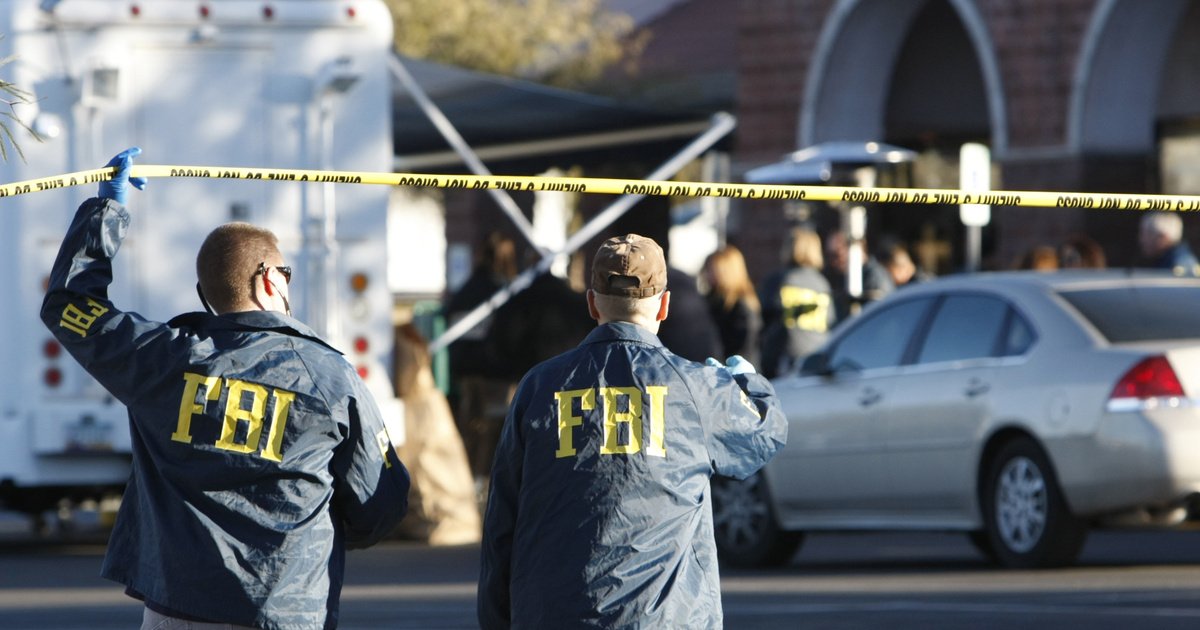
Patel fired at least 15 agents for taking a knee during 2020 George Floyd protests – a de-escalation tactic used during tense confrontations with limited personnel facing large crowds. Those agents made tactical decisions five years ago that successfully prevented violence. Patel characterized those decisions as disqualifying political disloyalty warranting termination.
He fired an agent in training for displaying a gay pride flag on his desk at a California field office. The agent’s sexual orientation or support for LGBTQ rights became grounds for ending his FBI career before it began.
These aren’t isolated personnel decisions. They’re systematic purging of anyone whose actions – even years ago, even when professionally justified – can be characterized as insufficiently loyal to Trump’s political agenda or conservative cultural preferences.
The Challenge Coins That Revealed Who Patel Actually Is
Challenge coins are military and law enforcement tradition – leaders distribute commemorative coins to personnel as recognition of service or significant events. Previous FBI directors issued coins reflecting bureau mission, institutional values, and professional identity.
Patel’s coin features internet meme imagery and aesthetics that Tom Nichols at The Atlantic summarized perfectly: “Patel’s coin does not convey gravitas. Instead, it says: ‘I am a grown man who has spent way too much time on the internet.’”

The coins weren’t just aesthetically questionable. They revealed Patel’s self-conception – not as serious law enforcement leader managing complex investigations and national security threats, but as online culture warrior whose identity comes from internet communities rather than professional accomplishment.
That might be dismissed as superficial criticism of design choices, except the coins perfectly predicted how Patel would actually lead. His decisions reflect someone whose reference points are social media grievances and partisan culture wars rather than law enforcement professionalism and constitutional obligations.
He fires agents for pride flags because that generates approval from online right-wing communities. He cuts ties with ADL and SPLC because conservative influencers demand it. He stages Comey perp walks because Trump wants political enemies humiliated regardless of Justice Department policy.
The challenge coins weren’t anomalies. They were accurate representations of who was about to lead the FBI.
Contrasting Leadership Approaches Across Bureau History
FBI directors historically faced scrutiny about maintaining independence from political pressure while serving presidents who appointed them. The challenge was balancing responsiveness to executive branch priorities with institutional obligations to enforce law impartially.
J. Edgar Hoover’s tenure demonstrated dangers when FBI directors accumulate too much personal power and autonomy from oversight. Robert Mueller navigated post-9/11 counterterrorism expansion while maintaining investigative independence. James Comey’s decisions during the 2016 election remain controversial precisely because questions persist about whether he appropriately balanced competing obligations.
These directors – whatever their successes or failures – operated within frameworks where professional law enforcement standards, institutional norms, and constitutional obligations constrained behavior. They might test those boundaries or make questionable judgments, but they recognized the boundaries existed and mattered.
Patel has abandoned that framework entirely. He fires agents for following Justice Department policy on perp walks. He redirects counterterrorism resources to immigration enforcement based on political priorities rather than threat assessments. He purges personnel based on five-year-old tactical decisions that successfully de-escalated dangerous situations.
Previous directors might have failed at maintaining appropriate independence from political pressure. Patel isn’t failing at that challenge – he’s not attempting it. His tenure demonstrates what happens when an FBI director views the position as political appointment serving presidential revenge agenda rather than law enforcement leadership requiring institutional independence.
Personnel Purges That Eliminate Expertise and Experience
Patel has spent 2025 systematically firing FBI personnel deemed insufficiently loyal or whose past actions can be characterized as politically problematic. The accumulating terminations aren’t targeting incompetence or misconduct – they’re eliminating agents and officials whose professional judgment or tactical decisions don’t align with partisan political preferences.
The agent fired for refusing to stage Comey’s perp walk was following Justice Department policy. The 15 agents terminated for taking a knee during Floyd protests were using de-escalation tactics. The agent-in-training fired for a pride flag displayed personal identity that had no bearing on job performance.

None of these terminations improved FBI effectiveness or removed personnel who couldn’t perform their duties. They eliminated people who prioritized professional standards over political loyalty or whose past actions offended conservative cultural sensibilities.
The cumulative effect degrades institutional capacity. Experienced agents who know how to handle complex investigations leave. Personnel who understand constitutional constraints on law enforcement get replaced by loyalists willing to ignore those constraints. Institutional knowledge about what works and why gets lost as purges target anyone whose record includes anything characterizable as politically problematic.
Future FBI recruits and agents understand what Patel’s purges teach: technical competence and investigative skill matter less than political alignment. Following professional standards that conflict with director preferences becomes career suicide. Maintaining ethical obligations that Trump views as obstacles guarantees termination.
That incentive structure doesn’t produce better law enforcement. It produces agents who prioritize self-preservation over professional judgment and who understand their careers depend on satisfying political demands rather than upholding constitutional obligations.
Comparing Patel’s Tenure to Predecessor Challenges
Christopher Wray faced criticism from Trump throughout his tenure for insufficient loyalty and unwillingness to weaponize the FBI for political purposes. Trump repeatedly attacked Wray for not prosecuting perceived enemies aggressively enough and for maintaining investigative independence Trump viewed as obstruction.
Wray navigated those pressures while attempting to maintain institutional integrity and professional standards. He didn’t always succeed – critics across political spectrum questioned various decisions. But he operated within frameworks where FBI independence mattered and where blatant politicization faced institutional resistance.

Patel faces no such constraints because he views politicization as the job rather than as boundary to resist. Trump didn’t appoint him despite lack of qualifications – he appointed him because of it. Someone with extensive law enforcement experience might prioritize institutional obligations over political loyalty. Someone whose background is podcasting and conspiracy theory promotion has no institutional loyalty to prioritize.
The contrast between Wray’s attempts to maintain independence and Patel’s embrace of politicization demonstrates what happens when presidents stop pretending FBI directors should be qualified professionals with law enforcement expertise. You get directors who fire agents for following Justice Department policy, who redirect counterterrorism resources based on political priorities, and who view challenge coins as opportunities to signal online cultural warrior identity rather than professional leadership.
Wray’s tenure had problems. But those problems reflected difficulty navigating competing obligations within system designed to maintain FBI independence. Patel’s problems reflect abandonment of any pretense that such independence matters or that professional standards should constrain political impulses.
Understanding What “Unqualified” Actually Means in Practice
Patel lacked traditional FBI director qualifications when appointed – no extensive law enforcement experience, no history managing large organizations, no background in complex criminal investigations. Critics warned he was unqualified, but that warning often focused on resume gaps rather than practical consequences.
The last few weeks demonstrate what “unqualified” actually means beyond missing credentials. It means making decisions that destroy institutional effectiveness because you don’t understand why certain practices exist. It means viewing policies as obstacles rather than as protections serving important purposes. It means prioritizing partisan approval over professional competence because partisan communities are your reference group.
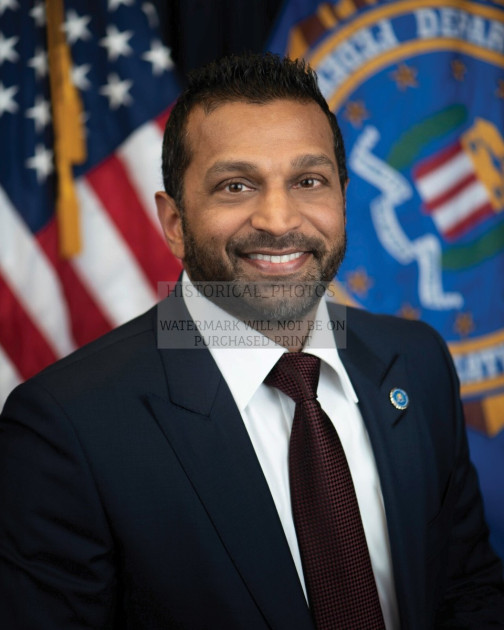
Qualified FBI directors understand why Justice Department policy prohibits staging perp walks for publicity purposes. They recognize that de-escalation tactics during protests serve legitimate law enforcement goals. They know that personal identity characteristics like sexual orientation don’t determine investigative capability.
Patel fires agents for following those policies, using those tactics, or displaying those characteristics because he doesn’t operate within frameworks where such professional standards matter. His reference points are online conservative grievances, Trump’s revenge priorities, and culture war battles rather than law enforcement effectiveness or constitutional obligations.
Being unqualified isn’t just about lacking experience – it’s about making destructive decisions because you don’t understand what you’re destroying or why it mattered in the first place.
Measuring the Damage Beyond Individual Terminations
Each firing generates immediate harm – experienced agent loses career, institutional knowledge disappears, remaining personnel grow more fearful about exercising professional judgment. But accumulated firings create systemic damage that exceeds individual losses.
FBI recruiting becomes harder when potential applicants see agents fired for pride flags, tactical de-escalation decisions, or refusing to violate Justice Department policy. Who wants FBI careers where employment security depends on satisfying director’s political preferences rather than demonstrating investigative competence?

Ongoing investigations suffer when experienced personnel get terminated and replaced with less experienced agents selected for loyalty rather than capability. Complex cases requiring years of institutional knowledge and investigative expertise get disrupted when personnel conducting them face termination for past actions unrelated to current performance.
International law enforcement partnerships deteriorate when foreign agencies question whether FBI operates according to professional standards or political directives. Countries cooperating on terrorism investigations, financial crime enforcement, and other matters need confidence that information shared will be handled appropriately – confidence undermined when FBI director fires agents for following departmental policies.
The damage extends beyond Patel’s tenure. Future directors inheriting an FBI where political loyalty determined employment and where professional standards got subordinated to partisan preferences will face years rebuilding institutional credibility and attracting qualified personnel.
Institutional destruction happens faster than institutional rebuilding. Patel can fire experienced agents in days. Replacing them with equally qualified personnel who trust that professional standards will be respected might take decades.
Forecasting Where This Trajectory Leads
Patel’s first months demonstrate a director uninterested in maintaining even appearances of professional law enforcement leadership. September’s cascade of destructive decisions followed by October’s perp walk firing suggests the trajectory is worsening rather than stabilizing.
If Patel fires agents for refusing to stage political theater arrests, what happens when he orders actions that more clearly violate constitutional rights? If agents understand that following Justice Department policy costs careers, how many will prioritize self-preservation over legal obligations when pressure intensifies?
The FBI’s motto is “Fidelity, Bravery, Integrity” – fidelity to Constitution, bravery in defending the nation, integrity in upholding the law. Patel’s tenure substitutes different values: loyalty to Trump, willingness to ignore professional standards, and subordination of institutional obligations to partisan political goals.
That substitution transforms the FBI from law enforcement agency into political instrument. Investigations serve revenge purposes rather than justice. Personnel decisions reward loyalty over competence. Policies protecting constitutional rights become obstacles to eliminate rather than obligations to uphold.
Other federal law enforcement agencies are watching Patel’s FBI transformation and understanding what Trump expects from Justice Department leadership. Attorneys General, U.S. Attorneys, and agency heads throughout the department see that professional standards matter less than satisfying presidential demands for political prosecutions and institutional subordination.
The damage isn’t limited to FBI headquarters. It’s spreading throughout federal law enforcement as officials observe that Patel’s approach gets rewarded while resistance gets punished.
Abandoning Pretense Reveals Actual Priorities
When Patel arrived at FBI, questions focused on whether he could overcome credibility deficits through serious professional leadership. The answer is now clear – he’s not attempting that. He’s abandoned any pretense of being serious law enforcement leader in favor of being Trump’s institutional enforcer.
The perp walk firing crystallizes this abandonment. Patel could have quietly accepted the agent’s refusal, recognizing that Justice Department policy prohibited what he wanted. Instead he fired someone for following those policies, sending unmistakable message that policies don’t constrain his authority when political purposes demand violations.
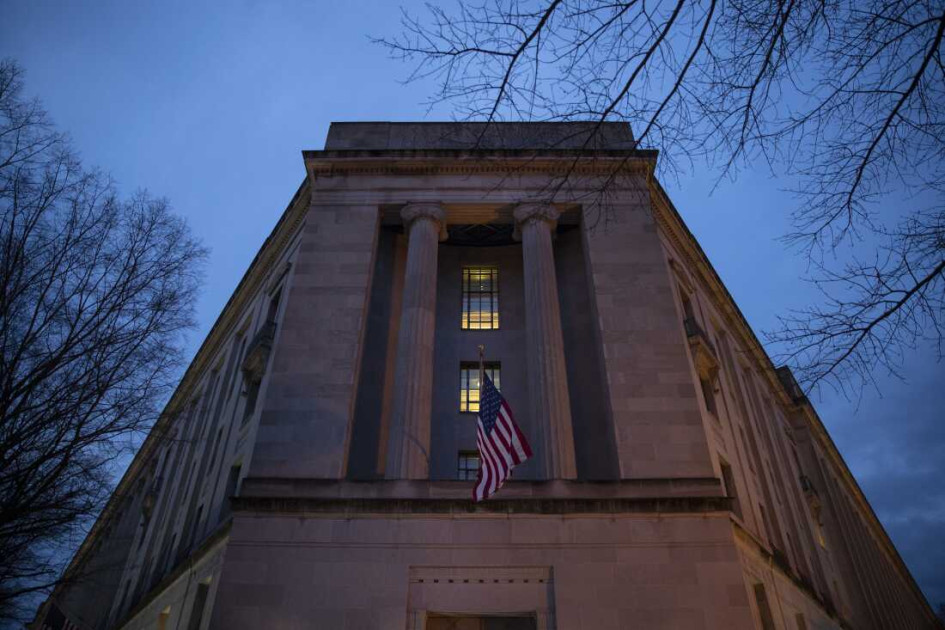
That choice demonstrates Patel’s actual priorities. Political theater matters more than departmental policy. Humiliating Trump’s enemies supersedes constitutional protections for defendants. Agent employment security depends on willingness to participate in partisan spectacles regardless of professional obligations.
Previous FBI directors might have struggled with competing pressures between political leadership and institutional independence. Patel’s struggle is different – he’s not balancing those tensions because he views institutional independence as obstacle to eliminate rather than value to protect.
The problem isn’t that Patel is failing at attempts to be serious and capable FBI director. The problem is he isn’t even trying. And the bureau – along with federal law enforcement more broadly – is being transformed into something fundamentally different from what it’s supposed to be.
An FBI agent refused to stage a perp walk violating Justice Department policy. That agent got fired for doing the right thing. Every other agent watched and learned the lesson Patel intended: loyalty to political purposes matters more than following professional standards, constitutional obligations, or institutional policies designed to protect those standards and obligations.
That’s not law enforcement leadership. That’s institutional destruction. And it’s happening faster than most people realize.