
On the deck of a mighty aircraft carrier, surrounded by thousands of cheering sailors, the President of the United States celebrated the 250th birthday of the U.S. Navy with a powerful promise. He vowed to secure “across the board pay raises for every sailor and service member in the United States armed forces.”
The promise, delivered by a popular Commander-in-Chief, was met with roaring approval. But it also represents a profound and necessary “teaching moment” on the separation of powers and a fundamental, and often misunderstood, limit on presidential authority.
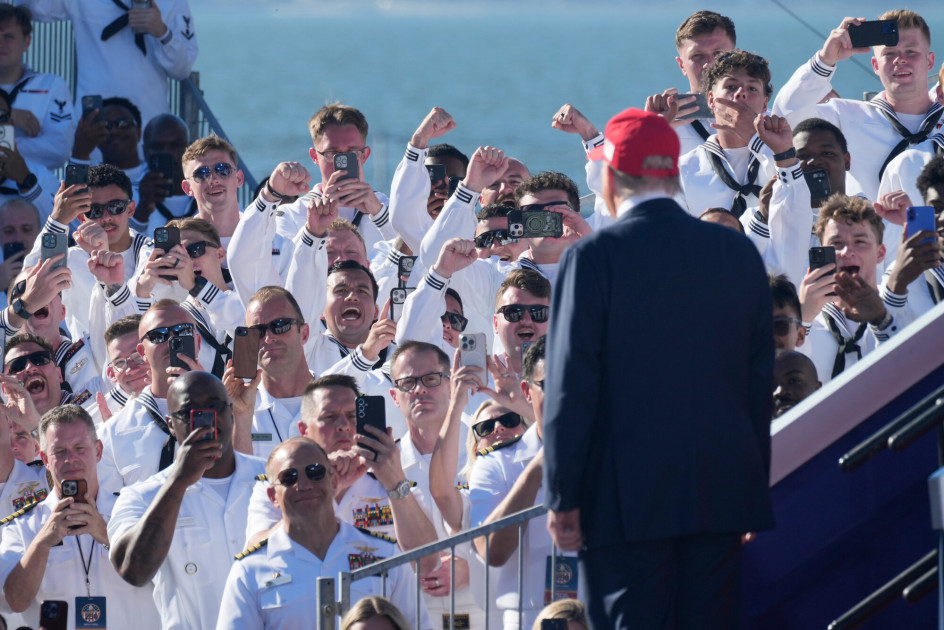
A Commander-in-Chief’s Vow
Standing before the troops at Norfolk Naval Base, the President was in his element as their leader. He praised the Navy’s history of victory and vowed, “as your commander in chief I will always stand for you.” He then made the direct promise of a pay boost, while simultaneously blaming “a little gnat on our shoulder called the Democrats” for the ongoing government shutdown.
This is a classic and powerful use of the presidential “bully pulpit.” It is an act of a Commander-in-Chief seeking to boost the morale of his troops and assure them of his support.
The Constitution’s Ultimate Check: The Power of the Purse
This is where the political promise collides with constitutional reality. The President of the United States cannot, by himself, give the military a pay raise.
The framers of the Constitution were deeply fearful of concentrating too much power in a single executive, especially power over the military. They deliberately and explicitly divided that power. While Article II makes the President the Commander-in-Chief, Article I, Section 8 gives Congress the exclusive power “To raise and support Armies” and “To provide and maintain a Navy.” This includes the sole authority to set pay scales and, most importantly, to appropriate the funds to pay them.
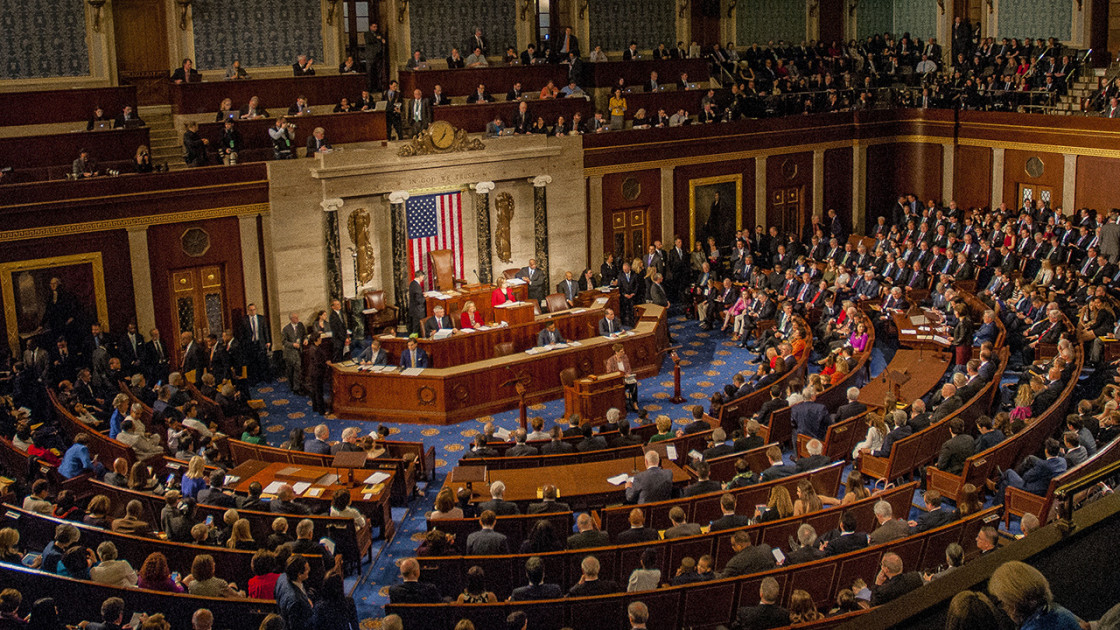
The President can propose a pay raise in his budget, and he can advocate for it publicly. But he cannot grant one by decree. That power belongs to the legislative branch alone, a fundamental check on the executive that has been a cornerstone of our republic for over 200 years.
The Cruel Irony of a Shutdown
The deepest and most painful irony of the President’s promise lies in its timing. He was vowing to give the troops a future pay raise at the very moment they are not receiving their current paychecks.

The federal government is in a partial shutdown. This is a direct result of a political failure by both the White House and Congress to agree on a funding bill. The fact that service members are currently working without pay is a tangible consequence of this breakdown in the constitutional process.
The President’s speech in Norfolk was a powerful display of his role as Commander-in-Chief. But it was also a stark reminder of the brilliant and essential design of our constitutional system. A president can command the troops, but only Congress can pay them. This separation of the sword from the purse is not a bug in our system; it is a core feature, designed to protect the republic from the concentration of military power in the hands of a single person.