
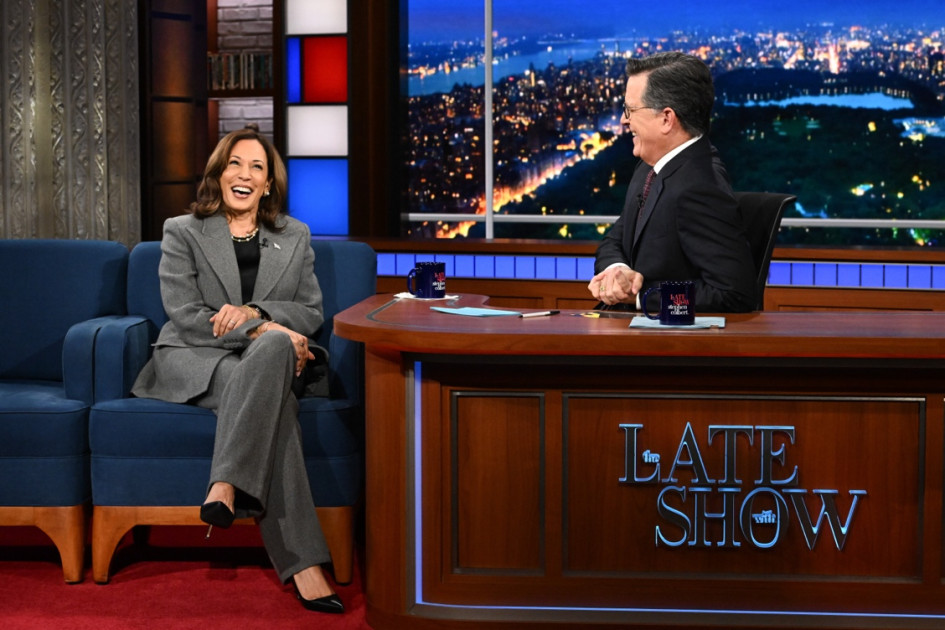
On the eve of a national book tour, former Vice President Kamala Harris has been informed that her extended Secret Service protection is being revoked by the President. While the timing of the move is undeniably provocative, it is not a breach of law, but a return to the statutory baseline for former vice presidents.
The decision is a powerful display of presidential discretion and a clear example of the sharp-elbowed political hardball that has come to define our era. It is a moment that forces a sober look at the difference between what is legally required, what is traditionally offered, and what is politically motivated.
A Return to the Letter of the Law
To understand this event, one must understand the law. Federal statute provides for Secret Service protection for former vice presidents for only six months after they leave office.
Recognizing the heightened threat environment of our modern political age, former President Joe Biden, before leaving office, signed an executive memorandum extending that protection for Harris for an additional year.
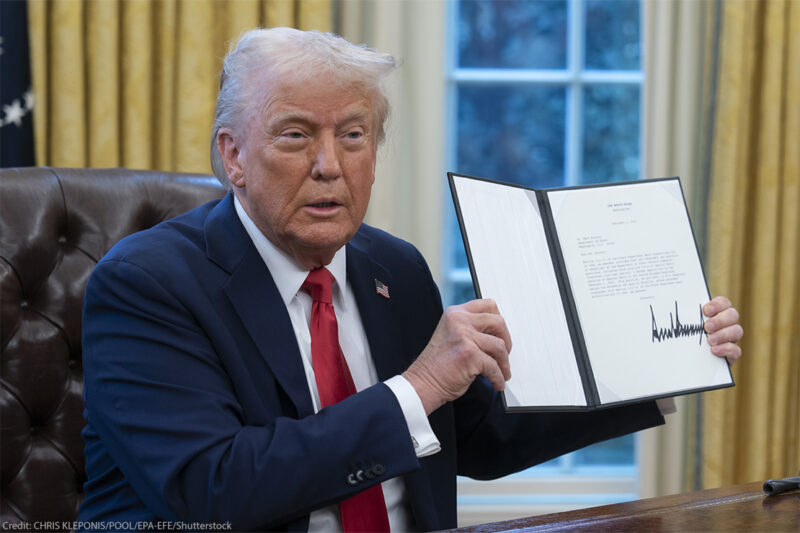
President Trump has now, by his own executive action, rescinded that memorandum. This is, on its face, an exercise of the President’s legitimate authority as the head of the executive branch.
Trump has now used his own executive authority to rescind that extension. His action does not break the law; it enforces the law as it was originally written.
A Break with Tradition, Not Law
Our constitutional republic is held together not just by its written laws, but by a shared commitment to unwritten norms of conduct. Perhaps the most important of these is that we do not use the instruments of state power to physically endanger our political rivals.
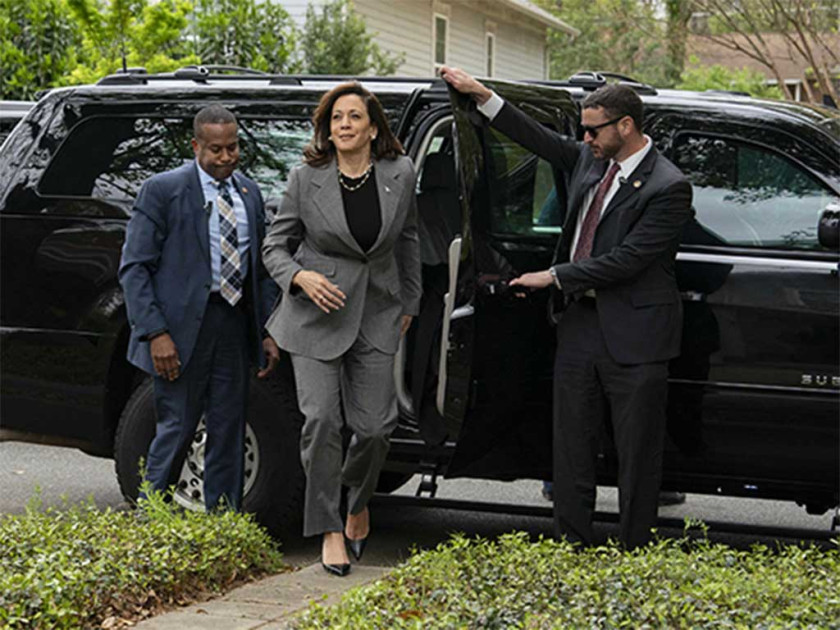
The decision to end Harris’s detail, particularly as she prepares for a highly public tour, is a politically ruthless act. It uses the President’s legitimate legal discretion for a clear political purpose: to inconvenience a rival and signal that the unwritten courtesies of the past no longer apply.
It may not be “nice,” but it is not unconstitutional.
The Reality of Modern Political Security
It is also crucial to place this decision in its practical context. In the 21st century, the U.S. Secret Service is not the only option for high-level personal protection.
High-profile public figures like a former Vice President have access to a robust private security industry, often staffed by former Secret Service, FBI, and elite military personnel.
While losing a taxpayer-funded detail is a significant logistical and financial change, it does not mean a figure like Kamala Harris will be without protection.
It simply means the cost and responsibility for that protection now shift from the public to her private capacity.
The President’s decision is a powerful and legally permissible exercise of his executive discretion. It is less of a constitutional crisis and more of a stark statement about the new, more ruthless rules of political engagement in our polarized age. It signals an end to the unwritten traditions that once softened the edges of our political rivalries – a shift that is as significant as it is lawful.