
For ninety years, Social Security and Medicare have formed the bedrock of economic and health security for America’s seniors. These programs represent a constitutional promise, enacted under Congress’s power to provide for the “general Welfare.” Now, the President’s signature legislative achievement – the “big, beautiful bill” – is having profound, and in some cases, hidden consequences for both of these revered institutions.
This is not a story about political talking points. It is a sober, constitutional look at the real-world impact of this massive new law, and how its effects on our most important social safety nets are becoming dangerously clear.

Social Security: A “Backdoor to Privatization”?
The administration’s new “Trump Accounts” – government-seeded investment accounts for children – were presented as a way to promote an “ownership society.”
But as Treasury Secretary Scott Bessent admitted, they are also seen within the administration as a “backdoor for privatizing Social Security.”
This is a clear signal of a long-term, ideological project to shift America away from a social insurance model and toward a system of private, individual accounts.
At the same time, the administration has pursued a strategy of what critics call “privatization by fake emergency.” By reducing staff and allegedly “gumming up the operations” of the Social Security Administration, the resulting long wait times and poor service create a public perception that the agency is broken.
This, critics argue, is a deliberate effort to build the case for turning the system’s functions over to private industry.
Medicare’s Ticking Time Bomb: The Threat of Sequestration
While the threat to Social Security is ideological and incremental, the threat to Medicare is automatic, immediate, and written into law. The danger comes from an obscure but powerful law known as “sequestration.”
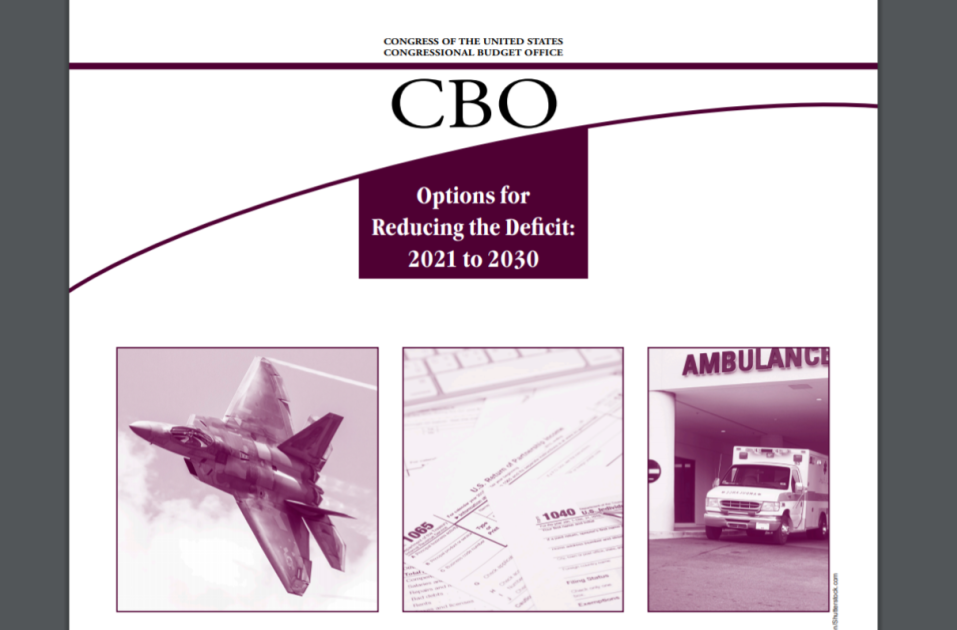
Sequestration is, in essence, a legislative time bomb. It’s an automatic, across-the-board spending cut that is triggered when a new law is passed that adds to the federal deficit beyond a certain point. The non-partisan Congressional Budget Office (CBO) has now confirmed that the President’s “megabill,” by adding trillions to the national debt, has lit the fuse. The result will be automatic cuts to Medicare totaling an estimated $536 billion over the next nine years.
A Constitutional Question of Legislative Responsibility
This is not a “sneak attack.” It is a profound failure of the legislative process and a test of constitutional responsibility. The lawmakers who voted for the “megabill” also voted for its consequences.
They either knew that passing a massive, deficit-financed tax cut would trigger these automatic cuts to Medicare, or they did not.
If they knew, it was a deeply cynical act, hiding a massive cut to a popular program within the complex machinery of budget law. If they did not know, it is a shocking display of legislative incompetence. In either case, it is a failure to responsibly wield the “power of the purse” granted to Congress by the Constitution.
The threats to Social Security and Medicare are not just coming from overt proposals, but from the complex and often hidden consequences of our legislative process. A constitutional republic requires transparency and accountability from its lawmakers. The impending automatic cuts to Medicare are a stark and sobering test of that very principle, and a reminder that the price of new laws is often paid by our oldest and most vital programs.