
A legal and humanitarian battle is raging in our federal courts over the fate of 60,000 immigrants. The Trump administration is moving to end their “Temporary Protected Status” (TPS), while a lower court judge has accused the administration of acting with “racial and discriminatory animus.” Now, a federal appeals court has stepped in, pausing the lower court’s order and allowing the administration to move forward, for now.
This is not a simple immigration dispute. It is a profound test of the limits of executive power and the judiciary’s role in policing the motives behind an administration’s official actions. This case forces a difficult constitutional question: What happens when a president’s lawful authority and his potentially unlawful prejudice collide?
The Law: A Grant of Temporary Protection
To understand this conflict, one must first understand what TPS is. It is a humanitarian protection, created by Congress, that allows the Secretary of Homeland Security to grant temporary, legal status to immigrants whose home countries are suffering from a war or a natural disaster. It is a recognition that it would be unsafe and inhumane to deport people back to a nation in chaos.
The Secretary has broad discretion to grant, extend, or terminate this status based on an assessment of the conditions in the home country. The immigrants at the center of this case – from Honduras, Nicaragua, and Nepal – have lived legally in the U.S. for years, in some cases for decades, because of this protection.
The Lower Court’s Explosive Accusation
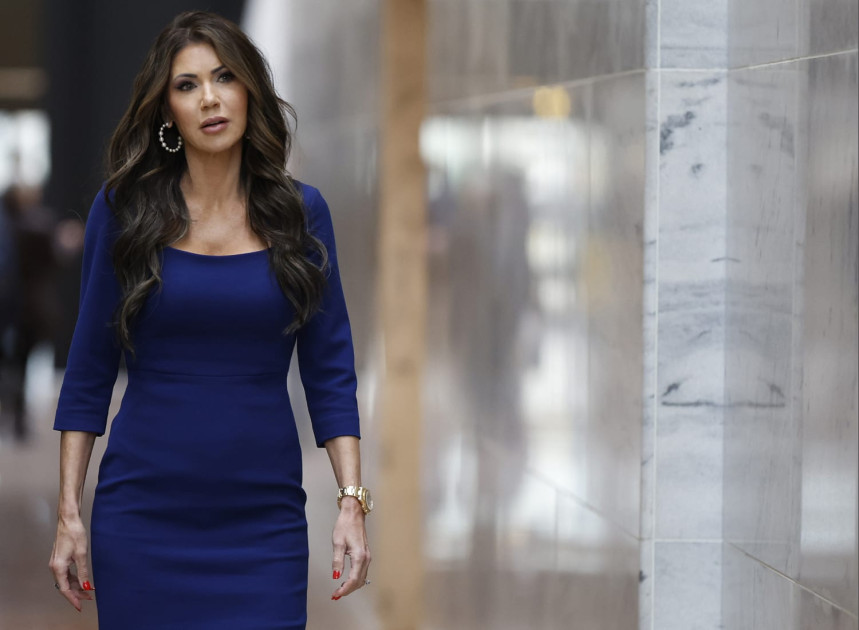
The Trump administration, under DHS Secretary Kristi Noem, moved to terminate the TPS designation for these three countries. A federal district judge in California, Trina Thompson, blocked that move with a powerful and explosive ruling.
Judge Thompson found that the decision was likely a “preordained” political one, not based on an honest assessment of the conditions on the ground. More significantly, she agreed with the plaintiffs that the decision was likely motivated by racial animus, a violation of the Constitution’s guarantee of equal protection.
“The freedom to live fearlessly, the opportunity of liberty, and the American dream. That is all Plaintiffs seek,” she wrote. “Instead, they are told to atone for their race, leave because of their names, and purify their blood. The Court disagrees.”

The Appeals Court’s Procedural Pause
Now, a three-judge panel on the U.S. Court of Appeals for the Ninth Circuit has paused Judge Thompson’s order. It is crucial to understand that this is not a ruling on the merits of the case. It is a temporary, emergency stay to allow the appeals process to proceed in a more orderly fashion.
This procedural move highlights a deep and unresolved tension in constitutional law. Proving that a specific government action was motivated by racial animus is an incredibly high legal bar. The Supreme Court has long been wary of judges attempting to psychoanalyze the motives of officials in a co-equal branch of government.
This case is now a test of that very principle. The lower court has made a finding of likely racial bias, based on a pattern of public statements and actions by the administration. The appeals court, by pausing that ruling, is signaling a deep skepticism and a desire to proceed with extreme caution.
The fate of 60,000 people now hangs in this constitutional balance. This case is about more than just immigration policy. It is a profound test of our judiciary’s power and willingness to look behind the official justifications of a government action and examine the motives that lie beneath. It is a difficult and dangerous path for a court to take, but one that may be necessary to protect the constitutional promise of equal protection under the law.