
 Loading …
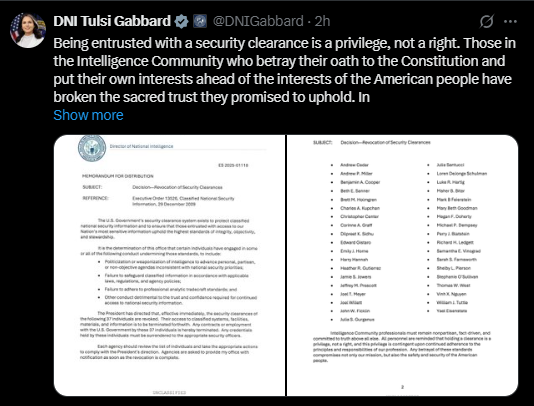
A security clearance is the essential key that grants access to America’s most sensitive secrets. In a dramatic and sweeping move on Tuesday, the nation’s top intelligence official, at the direction of President Trump, revoked that key for 37 current and former intelligence officials.
This is not a routine administrative action. It is a political purge, aimed at those who participated in the 2017 intelligence assessment of Russia’s election interference.
This raises a profound question for every citizen: Who gets to decide who is “trustworthy” enough to serve our country, and can this immense power be used to punish political enemies?
Discussion
Absolutely agree! It's refreshing to see accountability finally being enforced.
Finally, some action against those deep state swamp creatures! DNI Gabbard & Trump are cleaning house, bravo! These intel folks think they're untouchable…
Keep going I'm sure there are more. Maybe get rid of as many bureaucrats as possible. Federal Judicial needs cleaned out also.
A political is the proper way but the times of be a True Patriot is gone replaced with Paridasn Bickering Activism.
Like Obama said, “Elections have consequences.” The new president needs his people on board to get done what the people voted for and you can’t do that with leftovers from a different agenda.
Those on the list have shown their disloyalty to the United States. Many on the list should be in Super-Max at Florence, CO
Revoking a security clearance should not be seen simply as “punishment,” but as a matter of prudence and trust. If individuals in sensitive positions are no longer working in the best interest of the American people, it is reasonable for a President to remove their access. Each administration must be able to trust its own team, and a new President has the responsibility to ensure that those with clearances are aligned with national security priorities—not political agendas.
Once they are no longer serving in a position that needs the clearance, it should be revoked. Immediately. Been happening that way for many years, until recently.
An impartial reveiw board. 1) If your position doesn' t require a clearance. Revoke. 2) If youve committed actions detrimemntal to security and safety of the Union. Revoke.Not for political purposes.
This is what we voted for!
Absolutely agree to removing Security Clearances from those who have violated their oath to support and defend the Constitution against all enemies foreign and "domestic". The enemy within has done more damage to our democracy than foreign adversaries.
I dont think they can without real basis. If a Democrat gets in then they can take away the clearance from Republicans just for the heck if it. Which i am positive they will do. They dont play fair.
I think everyone associated with an age to grind with our duely elected government should fired! I voted for Trump all three times.HE PICKED TULSI
GABBARD ! KEEP UP THE GOOD WORK!
Can't trust another party.
Can't trust democrats and liberals.
I maintained a top security clearance to write work items for mechanics to repair equipment on nuclear submarines. When I retired so did my security clearance. Why should these people’s security clearance be any different. If their advice is required it doesn’t take long to update their security clearance for a short time.
US enemies NOT constrained by political agenda!! Career intelligence officials have institutional knowledge that should guide transcendental political agendas!!
Leave a Comment
Leave a Comment
A Primer on Power: What is a Security Clearance?
To understand the stakes, it is crucial to understand what a security clearance is. It is a determination that an individual can be trusted with classified national security information. For current officials, it is essential to their job. For former officials, retaining a clearance allows them to provide valuable advice to future administrations and serve on government advisory boards.
The power to grant, deny, and revoke these clearances is one of the most formidable powers of the executive branch. Under Article II of the Constitution, the President is the ultimate classification authority.
While the process is managed by agencies, the final authority flows from him. Legally, a security clearance is considered a privilege, not a constitutional right, meaning the government has broad discretion to revoke it with very limited due process.
An Act of Security or an Act of Retribution?
The administration’s stated reason for this mass revocation is to hold officials accountable for what Director of National Intelligence (DNI) Tulsi Gabbard calls “politicizing and manipulating intelligence.” The move specifically targets officials involved in the 2017 Intelligence Community Assessment (ICA), including former DNI James Clapper.
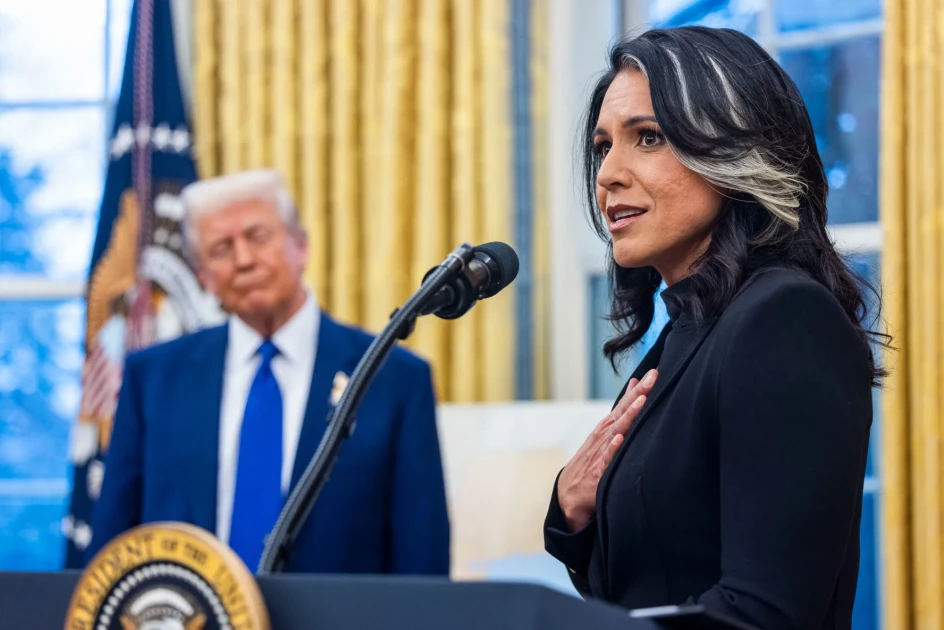
This is the latest and most aggressive step in the administration’s long-running war against the findings of the Russiagate investigation. It follows DNI Gabbard’s earlier declassification of documents and her criminal referral of former Obama-era officials to the Department of Justice. The revocation of clearances is being framed as a necessary cleansing of a “deep state” that betrayed its “oath to the Constitution.”
The First Amendment and Executive Power
This is where the action collides with a core constitutional principle. While the President likely has the raw legal authority to revoke these clearances, the critical question is whether his motive for doing so is unconstitutional.
Critics argue that this is a textbook case of “unconstitutional retaliation.” The argument is that the President is not revoking these clearances to protect legitimate national security interests, but to punish these 37 individuals for their role in producing an intelligence assessment he has long despised.
This, they contend, is a violation of the spirit, if not the letter, of the First Amendment. It is an attempt to use the power of the state to punish individuals for the content of their official speech and analysis.
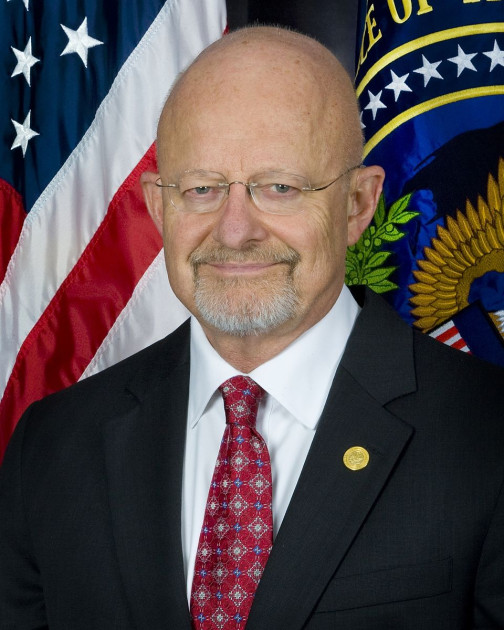
The goal of such an action is to create a chilling effect. It sends a powerful message to everyone currently serving in the intelligence community: produce analysis that the President dislikes, and you too could be publicly branded as untrustworthy and have your career and reputation destroyed, even years after you leave government.
The revocation of these 37 security clearances is a cautionary and significant event.
The power to control access to the nation’s secrets is one of the most potent and easily abused powers a president holds. While the administration frames this as a necessary house-cleaning, it sets a dangerous precedent. It risks creating a system where the price of a security clearance is not just a clean record and sound judgment, but political loyalty – a price that is far too high for a constitutional republic to pay.
Finally! Keep it coming, MAGA!